
Soy Protein: Benefits, Side Effects, and Dosage

A bowl of soybeans and a scoop of soy protein powder

Soy protein is a popular plant-based protein source that has been gaining attention for its numerous health benefits, including weight loss, muscle building, heart health, and anti-cancer properties. In this article, we will explore what soy protein is, its types, nutritional value, and the recommended dosage to reap its benefits. We will also cover the potential side effects and allergic reactions associated with soy protein consumption. Finally, we will compare soy protein with other plant-based proteins and discuss the best ways to incorporate it into your diet.

What is Soy Protein?

Soy protein is a protein isolate extracted from the soybean plant. Soybeans are a rich source of plant-based protein and have all the nine essential amino acids that the human body cannot produce on its own. Soy protein is commonly found in various processed foods, such as tofu, tempeh, soy milk, and soy-based meat substitutes like seitan. It is also available as a powder that can be easily mixed into smoothies or added to baked goods.

Soy protein has been found to have numerous health benefits. It has been shown to lower cholesterol levels, reduce the risk of heart disease, and improve bone health. Additionally, soy protein is a great option for those who follow a vegetarian or vegan diet, as it provides a complete source of protein without the need for animal products. However, it is important to note that some people may have an allergy or intolerance to soy, so it is always best to consult with a healthcare professional before adding soy protein to your diet.

Types of Soy Protein

There are primarily two types of soy protein: soy protein isolate and soy protein concentrate. Soy protein isolate is the most refined form of soy protein, with almost all the other components of soybeans, such as fats and carbohydrates, removed. Soy protein concentrate, on the other hand, contains more of these other components. Therefore, soy protein isolate usually has a higher protein content, while soy protein concentrate may have slightly less.

Aside from soy protein isolate and soy protein concentrate, there is also a third type of soy protein called textured soy protein. Textured soy protein is made from defatted soy flour that has been processed into a fibrous, meat-like texture. It is commonly used as a meat substitute in vegetarian and vegan dishes.

Another important aspect to consider when consuming soy protein is whether it is genetically modified (GM) or non-GM. The majority of soybeans grown in the United States are genetically modified, so it is important to look for non-GM soy protein if that is a concern for you.

Nutritional Value of Soy Protein

Soy protein is an excellent source of plant-based protein and also contains all the essential amino acids required by the human body. Approximately 100 grams of soy protein powder contains about 90 grams of protein, 20 grams of carbohydrates, and only 1 gram of fat. Soy protein is also rich in vitamins and minerals such as calcium, iron, and magnesium, making it a nutrient-dense food option.

In addition to its high protein content, soy protein has been found to have numerous health benefits. Studies have shown that consuming soy protein can help lower cholesterol levels, reduce the risk of heart disease, and improve bone health. Soy protein has also been linked to a reduced risk of certain types of cancer, such as breast and prostate cancer.

Another advantage of soy protein is that it is a sustainable and environmentally friendly food source. Soybeans require less water and land to grow compared to animal-based protein sources, and they also produce fewer greenhouse gas emissions. Choosing soy protein as a dietary option can therefore have a positive impact on both personal health and the health of the planet.

Health Benefits of Soy Protein

Soy protein has numerous health benefits and has been shown to aid in weight loss, muscle building, heart health, and cancer prevention. Studies suggest that consuming soy protein can reduce total cholesterol levels, lower blood pressure, and decrease the risk of coronary artery disease. Soy protein also has antioxidant and anti-inflammatory properties, which can improve overall health and reduce the risk of chronic diseases, such as diabetes and cancer.

In addition to its health benefits, soy protein is also a great alternative for those who follow a plant-based diet or have lactose intolerance. It is a complete protein, meaning it contains all nine essential amino acids that the body needs to function properly. Soy protein can be found in various forms, such as tofu, tempeh, soy milk, and soybeans, making it easy to incorporate into meals and snacks.

Soy Protein for Weight Loss

Research shows that consuming soy protein can aid in weight loss. Soy protein is low in calories and high in protein, which can help to increase satiety and reduce overall food intake. Studies have shown that consuming soy protein as part of a calorie-controlled diet may lead to greater weight loss and fat reduction, compared to a high-carbohydrate diet.

In addition to aiding in weight loss, soy protein has been found to have other health benefits. It has been shown to lower cholesterol levels and reduce the risk of heart disease. Soy protein also contains antioxidants, which can help to protect against cell damage and reduce the risk of certain types of cancer.

It is important to note that not all soy products are created equal. Some processed soy products, such as soy burgers and soy hot dogs, may contain added sugars and preservatives that can negate the health benefits of soy protein. It is best to consume whole soy products, such as tofu, edamame, and soy milk, in moderation as part of a balanced diet.

Soy Protein for Muscle Building

Soy protein is also an excellent option for vegetarians and vegans looking to build muscle mass. Soy protein contains all the essential amino acids needed for protein synthesis and muscle repair. A study conducted on male athletes showed that consuming soy protein after resistance exercise led to similar muscle protein synthesis rates as whey protein, a popular milk-based protein supplement.

In addition to its muscle-building benefits, soy protein has also been shown to have a positive impact on heart health. Studies have found that consuming soy protein can help lower LDL cholesterol levels, which is the “bad” cholesterol that can contribute to heart disease. Soy protein also contains compounds called isoflavones, which have been linked to improved blood vessel function and reduced inflammation in the body.

Soy Protein for Heart Health

Soy protein is an excellent option for maintaining heart health. Consuming soy protein has been seen to reduce overall cholesterol levels, lower LDL or “bad” cholesterol, and increase HDL or “good” cholesterol. Soy protein also contains compounds called isoflavones, which have antioxidant properties that protect against heart disease by reducing inflammation and oxidative stress in the body.

In addition to its heart-healthy benefits, soy protein is also a great source of plant-based protein for vegetarians and vegans. It is a complete protein, meaning it contains all nine essential amino acids that the body needs to function properly. Soy protein can be found in a variety of foods, including tofu, tempeh, soy milk, and edamame. Incorporating soy protein into your diet can not only benefit your heart health but also provide a sustainable source of protein for those following a plant-based diet.

Anti-Cancer Properties of Soy Protein

Certain compounds present in soy protein, such as isoflavones, have been shown to possess anti-cancer properties, particularly in reducing the risk of breast and ovarian cancer. Studies suggest that the potential anti-cancer properties of soy protein may be due to its ability to inhibit the growth of cancer cells, reduce inflammation, and act as an estrogen receptor modulator.

Additionally, soy protein has been found to have potential benefits in reducing the risk of prostate cancer. A study published in the American Journal of Clinical Nutrition found that men who consumed high amounts of soy protein had a lower risk of developing prostate cancer compared to those who consumed low amounts. The study suggests that the isoflavones in soy protein may play a role in reducing the risk of prostate cancer by inhibiting the growth of cancer cells and reducing inflammation.

Soy Protein for Bone Health

Soy protein may also be beneficial for bone health, as it is a good source of calcium and magnesium, two minerals essential for healthy bones. Additionally, soy protein may help to reduce bone loss due to its ability to mimic the effects of estrogen in the body.

Studies have shown that consuming soy protein can increase bone mineral density in postmenopausal women, who are at a higher risk for osteoporosis. Soy protein may also have anti-inflammatory effects, which can further benefit bone health by reducing the risk of fractures and other bone-related injuries.

Side Effects of Soy Protein Consumption

While soy protein is generally safe to consume, some people may experience side effects such as bloating, gas, and gastric discomfort. Soy protein may also affect hormone levels in some individuals, particularly with excessive consumption. Therefore, it is essential to consult a healthcare professional before beginning to consume soy protein supplements, especially if you are pregnant, breastfeeding, or have a history of hormone-sensitive cancers.

It is important to note that soy protein may also interact with certain medications, such as thyroid hormone replacement therapy. Therefore, individuals taking these medications should also consult with their healthcare provider before incorporating soy protein into their diet. Additionally, while soy protein is a good source of plant-based protein, it should not be relied upon as the sole source of protein in a person’s diet. A balanced diet that includes a variety of protein sources is essential for overall health and wellbeing.

Allergic Reactions to Soy Protein

Some individuals may also be allergic to soy protein, which can cause symptoms such as hives, swelling, and difficulty breathing. It is crucial to seek medical assistance immediately if you experience any of these symptoms after consuming soy protein.

It is important to note that soy protein is a common ingredient in many processed foods, including baked goods, snacks, and meat substitutes. Therefore, individuals with soy allergies should carefully read food labels and avoid products that contain soy protein. Additionally, it is recommended that individuals with soy allergies carry an epinephrine auto-injector with them at all times in case of accidental exposure.

Recommended Dosage of Soy Protein

The recommended daily intake of soy protein is around 25 grams per day for women and 30 grams per day for men. This can be achieved by incorporating soy protein into your diet through foods like tofu, edamame, and soy milk, or by taking soy protein supplements.

It is important to note that consuming too much soy protein can have negative effects on the body. Studies have shown that excessive intake of soy protein may lead to hormonal imbalances and thyroid dysfunction. Therefore, it is recommended to stick to the recommended daily intake and consult with a healthcare professional before significantly increasing your soy protein consumption.

How to Incorporate Soy Protein in Your Diet

Soy protein can be easily incorporated into your diet in many ways. You can enjoy soy protein powder in a smoothie or add it to baked goods. Soy-based meat substitutes like seitan and tofu are excellent options for vegetarians and vegans looking to increase their protein intake. Additionally, edamame, soy milk, and soybeans are all great sources of soy protein.

Another great way to incorporate soy protein into your diet is by using soy sauce in your cooking. Soy sauce is a staple in many Asian dishes and can add a savory flavor to your meals while also providing a source of protein. You can also try adding soy nuts to your snack routine. Soy nuts are roasted soybeans that make for a crunchy and satisfying snack.

It’s important to note that while soy protein can be a healthy addition to your diet, it’s best to consume it in moderation. Some studies have shown that consuming large amounts of soy protein may have negative effects on hormone levels. As with any dietary change, it’s always a good idea to consult with a healthcare professional before making significant changes to your diet.

Comparing Soy Protein with Other Plant-Based Proteins

Soy protein is an excellent source of plant-based protein, but there are many other options as well. Pea protein, rice protein, and hemp protein are all great alternatives for those looking to switch up their protein intake. Each of these plant-based proteins has its unique nutritional profile, so it is essential to choose the one that best suits your dietary needs.

Pea protein is a popular choice for those with allergies or sensitivities to soy or dairy. It is also high in branched-chain amino acids, which are essential for muscle growth and repair. Rice protein, on the other hand, is easily digestible and hypoallergenic, making it a great option for those with digestive issues. It is also low in fat and carbohydrates, making it an ideal choice for those on a low-calorie diet.

Hemp protein is a complete protein source, meaning it contains all nine essential amino acids that the body cannot produce on its own. It is also high in fiber, which can aid in digestion and promote feelings of fullness. Additionally, hemp protein is rich in omega-3 and omega-6 fatty acids, which are essential for heart health and brain function.

Conclusion

Soy protein is an excellent source of plant-based protein with numerous health benefits. Regular consumption of soy protein can lead to weight loss, muscle building, improved heart health, bone health, and anti-cancer properties. While soy protein is generally safe to consume, it is essential to be mindful of potential side effects and allergic reactions and consult with a healthcare professional before beginning to consume soy protein supplements. Incorporating soy protein into your diet is easy, and you can enjoy it in many delicious ways.

It is worth noting that soy protein is also an environmentally friendly alternative to animal-based protein sources. The production of soy protein requires significantly less water and land compared to animal-based protein sources, making it a more sustainable option. By choosing soy protein, you can not only improve your health but also contribute to a more sustainable future.

Soy Lecithin: Benefits, Side Effects, and Dosage

A soybean plant with a few of its beans highlighted

Soy lecithin is a popular food additive that has gained much attention in recent years for its numerous potential health benefits. From improving brain health to reducing cholesterol levels, soy lecithin is believed to be highly beneficial for our overall wellness. In this article, we will delve into the intricacies of soy lecithin, exploring its history, nutritional value, health benefits, side effects, and the right dosage you should be taking.

What is Soy Lecithin?

Soy lecithin is a naturally occurring compound that is a byproduct of soybean processing. It is typically used as an emulsifier, which means it helps keep water and oil from separating in food products. It comes in the form of a yellowish-brown semi-liquid and is commonly added to processed foods to improve texture, prevent spoilage, and increase shelf life.

Aside from its use in food products, soy lecithin is also used in the production of cosmetics, pharmaceuticals, and industrial products. In cosmetics, it is used as a moisturizer and emulsifier, while in pharmaceuticals, it is used as a binder and a surfactant. In industrial products, it is used as a lubricant and a release agent.

While soy lecithin is generally considered safe for consumption, some people may have an allergic reaction to it. Symptoms of an allergic reaction may include hives, itching, and difficulty breathing. It is important to read food labels carefully and consult with a healthcare professional if you have any concerns about consuming soy lecithin.

The History of Soy Lecithin

Soy lecithin has been used for several decades now and its use dates back to the 1930s. It was initially used as a supplement that helped with digestion, but with the advent of advanced food processing technology, its use became more widespread. Nowadays, it is used in a variety of foods, from bakery products to chocolate and margarine.

Recent studies have also shown that soy lecithin has potential health benefits, such as reducing cholesterol levels and improving liver function. It is also being researched for its potential use in treating neurological disorders such as Alzheimer’s disease. Despite its widespread use, there are concerns about the environmental impact of soybean farming and the potential for genetically modified soybeans to be used in the production of soy lecithin. As such, there is a growing interest in finding alternative sources of lecithin, such as sunflower lecithin.

How is Soy Lecithin Made?

Soy lecithin is extracted from soybean oil. It is typically obtained by crushing and dehydrating soybeans, then separating the oil from the solid residue. The oil is then heated and mixed with a bleaching agent to remove any impurities. After bleaching, the oil is separated into liquid and solid components. The liquid component is then treated with a soy protein isolates and hot water, which causes the lecithin to separate out. The resulting liquid is then centrifuged and filtered, which removes any remaining impurities before it is packaged for sale.

Soy lecithin is a common ingredient in many processed foods, including chocolate, baked goods, and margarine. It is often used as an emulsifier, which helps to blend ingredients that would otherwise separate, such as oil and water. Soy lecithin is also used in the production of some medications and dietary supplements, as it can help to improve the absorption of certain nutrients in the body. However, some people may be allergic to soy lecithin, so it is important to read food labels carefully and consult with a healthcare provider if you have any concerns.

Nutritional Value of Soy Lecithin

Although soy lecithin is not a significant source of nutrition, it does contain some essential nutrients. It is rich in choline, an important nutrient that plays a vital role in brain function. Soy lecithin also contains phospholipids, which are essential for maintaining healthy cell membranes in the body, as well as omega-3 and omega-6 fatty acids.

In addition to its nutritional value, soy lecithin is also widely used in the food industry as an emulsifier. It helps to blend ingredients that would otherwise separate, such as oil and water. Soy lecithin is commonly found in processed foods such as chocolate, baked goods, and margarine.

Furthermore, soy lecithin has been studied for its potential health benefits. Some research suggests that it may help to lower cholesterol levels and improve liver function. However, more studies are needed to confirm these findings and determine the optimal dosage for these benefits.

Health Benefits of Soy Lecithin

Soy lecithin is believed to provide numerous health benefits. One of the most widely studied benefits of soy lecithin is its ability to improve brain health. As mentioned earlier, soy lecithin is rich in choline, a nutrient that helps maintain the structure of cell membranes and is involved in neurotransmitter synthesis. Choline has been shown to help improve memory, cognitive function, and mood. Soy lecithin has also been linked to lower cholesterol levels, which can reduce the risk of heart disease. Studies have shown that regular consumption of soy lecithin can help decrease LDL (bad) cholesterol while increasing HDL (good) cholesterol.

In addition to its brain and heart health benefits, soy lecithin has also been found to have positive effects on liver function. The phospholipids in soy lecithin have been shown to help protect the liver from damage caused by alcohol consumption and other toxins. Soy lecithin has also been found to improve liver function in individuals with non-alcoholic fatty liver disease. Furthermore, soy lecithin has been shown to have anti-inflammatory properties, which can help reduce inflammation throughout the body and may be beneficial for individuals with conditions such as arthritis and asthma.

Soy Lecithin and Brain Health

As already mentioned, soy lecithin contains choline, which is essential for maintaining healthy brain function. Choline plays a crucial role in nerve cell function by supporting the production of acetylcholine, a neurotransmitter that is involved in memory and learning. Several studies have highlighted the importance of choline in early brain development, as well as the maintenance of brain health in adults.

In addition to its role in brain health, soy lecithin has also been found to have potential benefits for heart health. Studies have shown that soy lecithin may help to lower cholesterol levels and reduce the risk of heart disease. This is because soy lecithin contains compounds called phospholipids, which can help to prevent the buildup of cholesterol in the arteries. While more research is needed to fully understand the effects of soy lecithin on heart health, these findings are promising and suggest that soy lecithin may have a range of health benefits.

How Soy Lecithin Can Help with Cholesterol Levels

One of the most significant benefits of soy lecithin is its ability to improve cholesterol levels. High levels of LDL (bad) cholesterol have been linked to an increased risk of heart disease, so it is important to keep these levels in check. Studies have shown that soy lecithin can help reduce LDL cholesterol while increasing HDL (good) cholesterol, thereby lowering the risk of heart disease.

In addition to its cholesterol-lowering benefits, soy lecithin has also been found to have positive effects on brain function. It contains choline, a nutrient that is essential for the production of acetylcholine, a neurotransmitter that plays a crucial role in memory and learning. Studies have shown that increasing choline intake through soy lecithin supplementation can improve cognitive function and memory in both young and elderly individuals.

Furthermore, soy lecithin has been found to have emulsifying properties, which means it can help mix substances that would otherwise not blend together, such as oil and water. This makes it a common ingredient in many processed foods, as it helps improve texture and consistency. However, it is important to note that consuming too much processed food can have negative effects on overall health, so it is best to consume soy lecithin in its natural form or as a supplement.

The Role of Soy Lecithin in Heart Health

Soy lecithin may also play a role in reducing the risk of heart disease by promoting healthy blood circulation. It is believed that the choline present in soy lecithin helps improve blood flow, which can help prevent the development of blood clots that can cause heart attacks or strokes.

In addition to its potential benefits for heart health, soy lecithin is also commonly used as an emulsifier in food products. This means that it helps to keep ingredients from separating and creates a smooth texture in foods like chocolate, salad dressings, and baked goods. While soy lecithin is generally considered safe for consumption, those with soy allergies should be cautious and check ingredient labels carefully.

Soy Lecithin and Liver Function

Studies have also shown that soy lecithin can help improve liver function by reducing fat buildup in the liver. Consuming soy lecithin regularly can help promote healthy liver function, which can have a positive impact on overall health.

In addition to its benefits for liver function, soy lecithin has also been found to have potential benefits for brain health. Some studies suggest that soy lecithin may help improve memory and cognitive function, as well as reduce the risk of age-related cognitive decline. However, more research is needed to fully understand the extent of these benefits.

Potential Side Effects of Using Soy Lecithin

Although soy lecithin is considered safe for most people, some individuals may experience mild side effects. These can include diarrhea, abdominal cramps, nausea, and bloating. If you experience any of these symptoms, it is essential to consult your doctor.

In addition to these mild side effects, some studies have suggested that consuming large amounts of soy lecithin may have negative effects on the body. For example, it may increase the risk of breast cancer in women or affect hormone levels in men. However, more research is needed to fully understand these potential risks.

Allergic Reactions to Soy Lecithin

For people with soy allergies, it is important to note that consuming soy lecithin can cause an allergic reaction. Symptoms of an allergic reaction can range from mild to severe and may include itching, hives, and difficulty breathing. In severe cases, an allergic reaction can cause anaphylaxis, which is a severe, life-threatening reaction that requires immediate medical attention.

It is also important to note that soy lecithin is a common ingredient in many processed foods, including baked goods, chocolate, and margarine. Therefore, it is important for individuals with soy allergies to carefully read food labels and avoid any products that contain soy lecithin. Additionally, it is recommended that individuals with soy allergies carry an epinephrine auto-injector with them at all times in case of accidental exposure to soy lecithin.

Is Soy Lecithin Safe During Pregnancy and Breastfeeding?

Although soy lecithin is generally considered safe for consumption during pregnancy and breastfeeding, it is always best to consult your doctor if you are pregnant or breastfeeding, before incorporating soy lecithin into your diet.

Soy lecithin is a common food additive that is used as an emulsifier in many processed foods. It is derived from soybeans and is often added to foods such as chocolate, baked goods, and margarine to improve texture and prevent separation.

While soy lecithin is generally considered safe, some people may be allergic to soy and should avoid consuming it. Additionally, some studies have suggested that consuming large amounts of soy products during pregnancy may have negative effects on fetal development, although more research is needed to confirm these findings.

How to Choose the Right Dosage for Soy Lecithin

The ideal dosage for soy lecithin depends on the individual’s age and overall health. It is recommended to start with a small dosage and slowly increase it over time. It is best to follow the dosage instructions given on the product label or to consult your doctor for personalized advice.

It is important to note that taking too much soy lecithin can lead to potential side effects such as stomach upset, diarrhea, and nausea. Therefore, it is crucial to stick to the recommended dosage and not exceed it.

Additionally, it is important to consider any other medications or supplements you may be taking, as soy lecithin may interact with certain drugs. It is always best to consult with your healthcare provider before adding any new supplements to your routine.

Tips for Incorporating Soy Lecithin into Your Diet

Soy lecithin can be added to a variety of foods, including smoothies, oatmeal, and baked goods. It is also commonly found in foods such as chocolate, bread, and margarine. You can also purchase soy lecithin supplements, which offer a convenient way to incorporate it into your diet.

One of the benefits of incorporating soy lecithin into your diet is that it can help improve your cholesterol levels. Soy lecithin contains compounds called phospholipids, which can help reduce LDL cholesterol levels in the blood. This can help lower your risk of heart disease and stroke.

Another way to incorporate soy lecithin into your diet is by using it as a natural emulsifier in your cooking. Soy lecithin can help mix oil and water-based ingredients together, making it a useful ingredient in salad dressings, sauces, and marinades. It can also help improve the texture and consistency of your baked goods.

Other Uses of Soy Lecithin Beyond Nutrition

Apart from its use as a food additive and nutritional supplement, soy lecithin also has a range of other uses. It is often used in cosmetic products such as shampoos, soaps, and lotions, where it is used as an emulsifier. Soy lecithin is also used in the manufacturing of some medications and industrial products.

In the pharmaceutical industry, soy lecithin is used as a stabilizer and a surfactant in the production of various medications. It is also used in the manufacturing of vaccines to help improve their effectiveness. Additionally, soy lecithin is used in the production of some inhalers, where it helps to improve the delivery of medication to the lungs.

Industrial applications of soy lecithin include its use as a lubricant and release agent in the production of plastics, rubber, and other materials. It is also used as a wetting agent in the printing industry, where it helps to improve the quality of printed images. Soy lecithin is also used in the production of paints and coatings, where it helps to improve their consistency and stability.

Dietary Supplements that Contain Soy Lecithin

Soy lecithin is available in capsule or soft gel form. It is often combined with other nutrients that support overall wellness, such as vitamins, minerals, and omega-3s. When choosing a soy lecithin supplement, it is essential to select a reputable brand that has been independently tested for purity and potency.

In conclusion, soy lecithin is a versatile compound that offers several potential health benefits. From improving brain health to lowering cholesterol levels, soy lecithin is believed to promote overall wellness. However, it is important to note that soy lecithin can cause side effects in some individuals, particularly those with soy allergies. If you are considering incorporating soy lecithin into your diet, it is best to consult your doctor for personalized advice.

It is also worth noting that soy lecithin is commonly used as an emulsifier in processed foods, such as chocolate, baked goods, and salad dressings. While the amount of soy lecithin used in these products is generally small, individuals with soy allergies should be cautious and read ingredient labels carefully. Additionally, some people choose to avoid soy lecithin due to concerns about genetically modified soybeans. If you are looking to limit your intake of soy lecithin, consider opting for whole, unprocessed foods and supplements that use non-GMO soybeans.

Soy Isoflavones: Benefits, Side Effects, and Dosage

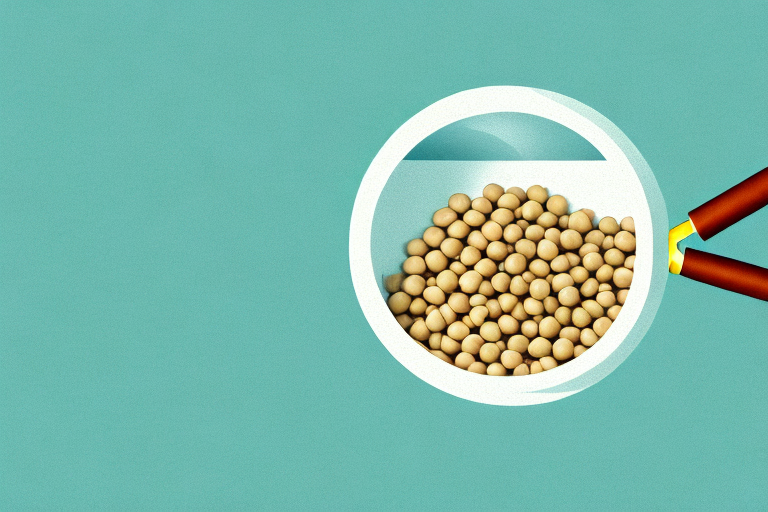
A bowl of soybeans with a magnifying glass hovering over it

If you are interested in natural health and wellness, you have likely heard of soy isoflavones. Despite their popularity, many people are still unsure about what soy isoflavones are, how they work, and what benefits they offer. In this article, we will delve into the intricacies of soy isoflavones, exploring their history, nutritional content, health benefits, and more. We will also discuss possible side effects, precautions for taking supplements, and dosage guidelines. By the end of this in-depth guide, you will have a thorough understanding of soy isoflavones and whether they might be right for you.

What are Soy Isoflavones?

Soy isoflavones are a type of plant compound found in soybeans and soy products. They are often referred to as phytoestrogens, which means they have a chemical structure similar to the hormone estrogen. Soy isoflavones have gained popularity in recent years due to their reputed health benefits and potential to help prevent chronic diseases. They are commonly consumed in supplement form or found in foods such as tofu, tempeh, and soy milk.

In addition to their potential health benefits, soy isoflavones have also been studied for their effects on menopausal symptoms. Some studies have suggested that soy isoflavones may help alleviate hot flashes and other symptoms associated with menopause. However, more research is needed to fully understand the extent of their effectiveness.Furthermore, soy isoflavones have also been investigated for their potential role in reducing the risk of certain types of cancer, such as breast and prostate cancer. While some studies have shown promising results, others have been inconclusive. It is important to note that consuming soy isoflavones should not be considered a substitute for medical treatment or advice, and individuals should always consult with their healthcare provider before starting any new supplement regimen.

The History of Soy Isoflavones

Soy isoflavones have been a staple of traditional Asian medicine for centuries. In China and other parts of Asia, soy products have been used for their health benefits for many years. In recent years, soy isoflavones gained fame in the West, thanks in part to widely publicized studies on the benefits of the Mediterranean diet. These studies found that people who consume a diet rich in plant-based foods, including soy products, have lower rates of heart disease, cancer, and other chronic diseases.

Furthermore, soy isoflavones have also been studied for their potential benefits in menopausal women. Research has shown that soy isoflavones may help alleviate symptoms such as hot flashes and night sweats. Additionally, soy isoflavones have been found to have a positive effect on bone health, which is particularly important for women as they age and become more susceptible to osteoporosis. As a result, many women have turned to soy products as a natural alternative to hormone replacement therapy.

The Nutritional Content of Soy Isoflavones

Soy isoflavones contain a variety of nutrients that can be beneficial to overall health. They are high in protein, fiber, and a range of vitamins and minerals. Soy isoflavones are also a rich source of antioxidants, which can help to protect against cellular damage caused by free radicals.

In addition to these nutrients, soy isoflavones also contain phytoestrogens, which are plant compounds that mimic the effects of estrogen in the body. This can be particularly beneficial for women going through menopause, as it can help to alleviate symptoms such as hot flashes and mood swings. However, it is important to note that the effects of phytoestrogens on the body are still being studied and more research is needed to fully understand their impact on health.

Health Benefits of Soy Isoflavones

There are numerous health benefits associated with soy isoflavones. One of the primary benefits is their ability to help prevent chronic diseases such as heart disease, diabetes, and cancer. Soy isoflavones may also help to reduce symptoms of menopause, promote bone health, and improve skin health.

In addition, soy isoflavones have been found to have anti-inflammatory properties, which can help to reduce inflammation in the body and improve overall health. Studies have also shown that soy isoflavones may have a positive effect on cognitive function and may help to improve memory and concentration. Incorporating soy isoflavones into your diet can be a great way to support your overall health and well-being.

Anti-Cancer Properties of Soy Isoflavones

Soy isoflavones are believed to have anti-cancer properties, which makes them a smart addition to any cancer prevention strategy. Studies have shown that soy isoflavones can help to lower the risk of breast, prostate, and other cancers. This is likely due to their ability to balance hormones, protect against oxidative stress, and reduce inflammation.

In addition to their anti-cancer properties, soy isoflavones have also been found to have cardiovascular benefits. Research has shown that consuming soy isoflavones can help to lower cholesterol levels, reduce blood pressure, and improve blood vessel function. These benefits may be due to the ability of soy isoflavones to improve the function of the endothelial cells that line the blood vessels, as well as their antioxidant and anti-inflammatory effects. Incorporating soy isoflavones into your diet may therefore not only help to reduce your risk of cancer, but also improve your heart health.

Benefits of Soy Isoflavones for Menopausal Women

Many women experience unpleasant symptoms during menopause, such as hot flashes, mood swings, and vaginal dryness. Soy isoflavones may help to alleviate some of these symptoms by mimicking the effects of estrogen in the body. Additionally, soy isoflavones can help to improve bone health, which is especially important for women who are at risk for osteoporosis.

Furthermore, studies have shown that soy isoflavones may also have cardiovascular benefits for menopausal women. They can help to lower cholesterol levels and reduce the risk of heart disease, which is a major concern for women after menopause. Incorporating soy isoflavones into the diet can be a natural and effective way to support overall health during this transitional phase of life.

Cardiovascular Health Benefits of Soy Isoflavones

Soy isoflavones can help to lower the risk of heart disease by reducing cholesterol levels and improving blood vessel health. A diet rich in soy products has been shown to lower the risk of heart disease, stroke, and other related conditions.

In addition to its cardiovascular benefits, soy isoflavones have also been found to have anti-inflammatory properties. Inflammation is a key factor in the development of many chronic diseases, including heart disease, diabetes, and cancer. By reducing inflammation, soy isoflavones may help to prevent or manage these conditions.Furthermore, soy isoflavones have been shown to have a positive effect on bone health. Studies have found that soy isoflavones can help to increase bone density and reduce the risk of osteoporosis, particularly in postmenopausal women. This is because soy isoflavones have a similar structure to estrogen, which plays a key role in maintaining bone health.

Possible Side Effects of Soy Isoflavones

While soy isoflavones are generally considered safe, some people may experience side effects when consuming large amounts of soy products or taking soy isoflavone supplements. These side effects can include bloating, gas, and digestive discomfort. It is important to talk to your doctor before starting any new supplement regimen, especially if you have a history of hormone-related health conditions.

Additionally, some studies have suggested that high levels of soy consumption may interfere with thyroid function in individuals with pre-existing thyroid conditions. However, more research is needed to fully understand the potential impact of soy on thyroid health. It is recommended that individuals with thyroid conditions speak with their healthcare provider before consuming large amounts of soy products or supplements.

Risks and Precautions for Taking Soy Isoflavone Supplements

If you are considering taking soy isoflavone supplements, it is important to understand that they are not regulated by the FDA like prescription medications. Therefore, it is crucial to choose a reputable brand and talk to your doctor before starting any new supplement regimen. Additionally, soy isoflavones may interact with certain medications, so it is important to discuss any potential interactions with your doctor.

Furthermore, some studies have suggested that high doses of soy isoflavones may have negative effects on thyroid function, particularly in individuals with pre-existing thyroid conditions. Therefore, individuals with thyroid issues should exercise caution when considering soy isoflavone supplements.On the other hand, soy isoflavones have also been associated with potential health benefits, such as reducing the risk of certain cancers and improving bone health. However, more research is needed to fully understand the effects of soy isoflavones on the body. As with any supplement, it is important to weigh the potential risks and benefits before deciding to take soy isoflavone supplements.

Dosage Guidelines for Soy Isoflavones

The proper dosage of soy isoflavones can vary depending on your age, health, and other factors. As a general rule, it is best to consume soy products in moderation and talk to your doctor before taking any soy isoflavone supplements. The dosages for supplements can range from 30mg to 100mg per day, depending on the specific product and intended use.

It is important to note that consuming too much soy isoflavones can have negative effects on your health. High doses of soy isoflavones have been linked to an increased risk of breast cancer in women with a history of the disease. Additionally, soy isoflavones can interact with certain medications, such as blood thinners and thyroid hormone replacement therapy, so it is important to discuss any potential interactions with your doctor.On the other hand, research has shown that consuming moderate amounts of soy isoflavones can have health benefits. Soy isoflavones have been found to reduce the risk of heart disease, lower cholesterol levels, and improve bone health in postmenopausal women. As with any supplement or dietary change, it is important to consult with your doctor to determine the appropriate dosage and ensure that it is safe for you to consume.

Best Food Sources of Soy Isoflavones

If you are interested in incorporating more soy isoflavones into your diet, there are many delicious foods to choose from. The best sources of soy isoflavones include tofu, tempeh, soy milk, edamame, and miso. These foods can be included in a wide variety of dishes, making it easy to enjoy the benefits of soy isoflavones in your daily meals.

In addition to being a great source of soy isoflavones, these foods also offer other health benefits. For example, tofu and tempeh are high in protein and can be used as a meat substitute in vegetarian and vegan dishes. Soy milk is a great alternative to dairy milk for those who are lactose intolerant or have a dairy allergy. Edamame is a tasty snack that is high in fiber and low in calories. Miso is a fermented food that contains probiotics, which can help improve gut health. By incorporating these soy-rich foods into your diet, you can not only enjoy the benefits of soy isoflavones but also improve your overall health.

Comparing Different Forms of Soy Isoflavone Supplements

There are many different types of soy isoflavone supplements available on the market. These can range from tablets and capsules to powders and tinctures. It is important to read the label carefully and do your research to ensure that the supplement you choose is of high quality and from a reputable source.In conclusion, soy isoflavones are a promising natural health supplement that can offer many benefits for overall wellness. While there are a few potential side effects and risks to consider, soy isoflavones can be a wise addition to a healthy diet and lifestyle. By following the guidelines outlined in this article, you can make informed decisions about whether soy isoflavones are right for you.

Additionally, it is important to note that the effectiveness of soy isoflavone supplements can vary depending on the form in which they are consumed. Some studies have suggested that powders and tinctures may be more easily absorbed by the body than tablets or capsules. However, more research is needed to fully understand the differences in effectiveness between different forms of soy isoflavone supplements. It is recommended to consult with a healthcare professional before starting any new supplement regimen.

Sodium Oligomannate: Benefits, Side Effects, and Dosage

A molecule of sodium oligomannate

Sodium Oligomannate is a recently discovered medication that has been shown to improve brain function and treat cognitive decline in a variety of different conditions. In this article, we will explore the history, medical uses, benefits, potential side effects, and dosage recommendations for taking Sodium Oligomannate. We’ll also discuss any interactions with other drugs and substances, as well as any precautions and warnings to be aware of when taking this medication. Finally, we’ll explore alternatives to Sodium Oligomannate and whether it is considered safe for use.

What is Sodium Oligomannate?

Sodium Oligomannate is a medication derived from seaweed that has been shown to have positive effects on cognitive function. Specifically, it has been shown to improve memory and other brain functions in people with mild to moderate Alzheimer’s disease and other forms of cognitive decline. The medication works by altering the gut microbiome, which in turn can improve brain function.

Recent studies have also shown that Sodium Oligomannate may have potential in treating other neurological disorders such as Parkinson’s disease and multiple sclerosis. The medication has been found to reduce inflammation in the brain, which is a common factor in many neurological diseases.

It is important to note that Sodium Oligomannate is not a cure for Alzheimer’s disease or any other neurological disorder. It is simply a medication that can help improve cognitive function and quality of life for those with mild to moderate cognitive decline. It is also important to consult with a healthcare professional before starting any new medication.

A Brief History of Sodium Oligomannate

Sodium Oligomannate was first discovered in China in the 1980s and was initially used as a treatment for gastrointestinal issues. However, in recent years, studies have shown that the medication can have positive effects on cognitive function and is being investigated as a potential treatment for Alzheimer’s disease and other forms of cognitive decline.

One study conducted in 2019 found that Sodium Oligomannate was able to improve cognitive function in patients with mild to moderate Alzheimer’s disease. The study showed that the medication was able to reduce the levels of harmful proteins in the brain that are associated with the disease. This promising result has led to further research and clinical trials to determine the full potential of Sodium Oligomannate as a treatment for Alzheimer’s disease.

Medical Uses of Sodium Oligomannate

The primary medical use of Sodium Oligomannate is to improve cognitive function and treat cognitive decline in people with dementia, Alzheimer’s disease, and other forms of cognitive impairment. The medication has been shown to improve memory, attention, and other cognitive functions, as well as reduce inflammation in the brain.

In addition to its cognitive benefits, Sodium Oligomannate has also been found to have potential in treating other neurological conditions. Studies have shown that the medication may be effective in reducing symptoms of depression and anxiety, as well as improving sleep quality in patients with sleep disorders.

Furthermore, Sodium Oligomannate has been found to have anti-inflammatory properties that may be beneficial in treating other conditions beyond cognitive impairment. Some research suggests that the medication may be useful in reducing inflammation in the gut, which could potentially help with conditions such as irritable bowel syndrome (IBS) and inflammatory bowel disease (IBD).

How Does Sodium Oligomannate Work?

The medication works by altering the gut microbiome, which can have positive effects on brain function. Specifically, Sodium Oligomannate appears to reduce levels of harmful bacteria in the gut, which in turn can reduce inflammation and improve brain function.

Additionally, Sodium Oligomannate has been found to increase the production of short-chain fatty acids in the gut, which can also have a positive impact on brain health. These fatty acids are known to improve cognitive function and reduce the risk of neurodegenerative diseases.

Furthermore, studies have shown that Sodium Oligomannate can improve the symptoms of Alzheimer’s disease by reducing the accumulation of beta-amyloid plaques in the brain. This is a promising development in the treatment of Alzheimer’s, as current medications only address the symptoms of the disease and do not slow its progression.

Benefits of Taking Sodium Oligomannate

Some of the potential benefits of taking Sodium Oligomannate include improved cognitive function, reduced inflammation in the brain, and an overall improvement in brain health. Studies have also suggested that the medication may have a potentially protective effect against Alzheimer’s disease and other forms of cognitive decline.

Additionally, Sodium Oligomannate has been found to have a positive impact on gut health. It has been shown to increase the abundance of beneficial gut bacteria, which can lead to improved digestion and a stronger immune system. This medication may also have potential benefits for individuals with inflammatory bowel disease or other gut-related conditions.

Furthermore, Sodium Oligomannate has been found to have a low risk of side effects. In clinical trials, the most common side effects reported were mild gastrointestinal symptoms such as diarrhea and abdominal pain. This makes it a relatively safe option for individuals who may be at risk for adverse reactions to other medications.

Potential Side Effects of Sodium Oligomannate

Like all medications, Sodium Oligomannate can have potential side effects. These can include gastrointestinal issues, such as nausea and diarrhea, as well as headaches and dizziness. It’s important to note, however, that these side effects are typically mild and go away on their own within a few days or weeks.

It’s also important to be aware of more serious side effects that may occur, although they are rare. These can include allergic reactions, difficulty breathing, and swelling of the face, lips, tongue, or throat. If you experience any of these symptoms, seek medical attention immediately. Additionally, if you have a history of liver or kidney disease, or if you are pregnant or breastfeeding, talk to your doctor before taking Sodium Oligomannate.

Dosage Recommendations for Sodium Oligomannate

The recommended dosage for Sodium Oligomannate can vary depending on the individual and the severity of their condition. In general, however, the medication is taken orally with food, and the dosage typically ranges from 250mg to 500mg per day. It’s important to follow the instructions of your healthcare provider when taking this medication.

It’s important to note that Sodium Oligomannate should not be taken by individuals who are allergic to any of its ingredients. Additionally, the medication may interact with certain other drugs, so it’s important to inform your healthcare provider of any other medications you are taking before starting treatment with Sodium Oligomannate.

While Sodium Oligomannate has been shown to be effective in treating certain cognitive impairments, it may not be suitable for everyone. Your healthcare provider can help determine if this medication is right for you, and can provide guidance on the appropriate dosage and duration of treatment.

Interactions with Other Drugs and Substances

Currently, there is not enough information available about how Sodium Oligomannate interacts with other drugs and substances. It’s important to talk to your healthcare provider about any medications, supplements, or other substances you are taking before starting to take Sodium Oligomannate.

However, some studies have shown that Sodium Oligomannate may interact with certain medications used to treat Alzheimer’s disease, such as cholinesterase inhibitors. Therefore, it’s crucial to inform your healthcare provider if you are taking any Alzheimer’s medications before starting Sodium Oligomannate.

In addition, Sodium Oligomannate may interact with alcohol and other central nervous system depressants, such as benzodiazepines and opioids. Combining Sodium Oligomannate with these substances may increase the risk of drowsiness, dizziness, and impaired coordination. Therefore, it’s important to avoid drinking alcohol and using other CNS depressants while taking Sodium Oligomannate.

Precautions and Warnings When Taking Sodium Oligomannate

There are a few precautions and warnings to be aware of when taking Sodium Oligomannate. For example, the medication has not been tested in pregnant or breastfeeding women, so it’s important to talk to your healthcare provider if you are pregnant or breastfeeding before starting to take Sodium Oligomannate. It’s also important to be aware of any potential drug interactions and to follow the recommended dosage and usage instructions provided by your healthcare provider.

Additionally, if you have a history of liver or kidney disease, it’s important to inform your healthcare provider before taking Sodium Oligomannate. The medication may not be suitable for individuals with these conditions, and your healthcare provider may need to adjust your dosage or monitor you more closely during treatment. It’s also important to avoid consuming alcohol while taking Sodium Oligomannate, as alcohol may increase the risk of side effects and reduce the effectiveness of the medication.

Alternatives to Sodium Oligomannate for Brain Health

There are many different alternatives to Sodium Oligomannate for improving brain health and treating cognitive decline. Some of these options include improving diet and exercise, engaging in cognitive activities such as puzzles and brain games, and taking other medications that have been shown to have positive effects on cognitive function. It’s important to talk to your healthcare provider about which options may be best for your individual needs.

In addition to these options, there are also natural supplements that have been shown to support brain health. These include omega-3 fatty acids, ginkgo biloba, and Bacopa monnieri. However, it’s important to note that not all supplements are regulated by the FDA and may interact with other medications, so it’s important to consult with a healthcare provider before taking any new supplements.

Is Sodium Oligomannate Safe?

Overall, Sodium Oligomannate has been shown to be a safe and effective medication for improving brain function and treating cognitive decline. However, it’s important to talk to your healthcare provider about any potential risks or side effects before starting to take this medication.

Studies have shown that Sodium Oligomannate can cause some mild side effects such as nausea, vomiting, and diarrhea. These side effects are usually temporary and go away on their own. However, if you experience any severe side effects such as difficulty breathing or chest pain, you should seek medical attention immediately.

It’s also important to note that Sodium Oligomannate may interact with other medications you are taking. Therefore, it’s important to inform your healthcare provider about all the medications you are currently taking before starting to take Sodium Oligomannate.

How to Buy and Store Sodium Oligomannate

Sodium Oligomannate is currently only available by prescription from a healthcare provider. It should be stored in a cool, dry place and kept out of the reach of children and pets.

In conclusion, Sodium Oligomannate is a medication that has shown promise in improving brain function and treating cognitive decline in a variety of different conditions. While the medication has potential side effects and precautions to be aware of, it may be an effective option for improving brain health and treating cognitive decline when used under the guidance of a healthcare provider.

It is important to note that Sodium Oligomannate is not a cure for cognitive decline or any other condition it may be prescribed for. It is simply a treatment option that may help improve symptoms and slow down the progression of the condition. Patients should continue to follow their healthcare provider’s recommendations for other treatments and lifestyle changes that may also help improve their condition.

Additionally, patients should always inform their healthcare provider of any other medications or supplements they are taking before starting Sodium Oligomannate. This is because certain medications and supplements may interact with Sodium Oligomannate and cause unwanted side effects or reduce its effectiveness.

Sodium Bicarbonate: Benefits, Side Effects, and Dosage

A bowl of sodium bicarbonate with a spoon

Sodium bicarbonate, also known as baking soda, is a versatile and inexpensive compound that has been used for centuries for a variety of purposes. From medical treatments to household cleaning, sodium bicarbonate has numerous benefits and is widely available. However, with any substance, there are also potential side effects and risks that should be considered before use. In this article, we will explore the benefits, side effects, and dosage of sodium bicarbonate and provide helpful tips for safe use.

What is Sodium Bicarbonate?

Sodium bicarbonate is a white crystalline compound that is found naturally in mineral springs and is also produced synthetically. Its chemical formula is NaHCO3, which means it is a compound made up of sodium, hydrogen, carbon, and oxygen. Sodium bicarbonate has a wide range of uses due to its alkaline properties, which can help neutralize acids.

One of the most common uses of sodium bicarbonate is as a leavening agent in baking. When combined with an acid, such as vinegar or lemon juice, it produces carbon dioxide gas, which causes dough or batter to rise. Sodium bicarbonate is also used in the food industry as a food additive, particularly in products that require a longer shelf life.

In addition to its culinary uses, sodium bicarbonate has a variety of other applications. It is often used in medicine as an antacid to relieve heartburn and indigestion. It can also be used as a cleaning agent, as its alkaline properties make it effective at removing stains and odors. Sodium bicarbonate is even used in some fire extinguishers, as it can help to smother flames by releasing carbon dioxide gas.

Chemical Composition of Sodium Bicarbonate

Sodium bicarbonate is classified as a salt, which means it is formed by the reaction of an acid and a base. In this case, sodium bicarbonate is produced by combining carbon dioxide, water, and sodium carbonate (also known as soda ash). The result is a compound that can help regulate pH levels in the body and neutralize acids.

Sodium bicarbonate is commonly used in baking as a leavening agent, which means it helps dough or batter rise by releasing carbon dioxide gas. It is also used in medicine as an antacid to relieve heartburn and indigestion. Additionally, sodium bicarbonate has been found to have cleaning properties and is often used as a household cleaner for surfaces such as sinks and countertops.

History of Sodium Bicarbonate Usage

Sodium bicarbonate has been used since ancient times for a variety of purposes. The ancient Egyptians used it for cleaning and preserving mummies, and the ancient Greeks and Romans used it for medicinal purposes. In the early 19th century, sodium bicarbonate was widely used as a cure-all for various ailments, and it remains a popular substance today.

One of the most common uses of sodium bicarbonate today is as a leavening agent in baking. When combined with an acid, such as vinegar or lemon juice, it produces carbon dioxide gas, which causes dough or batter to rise. This reaction has been known since ancient times, but it wasn’t until the 1840s that baking soda became widely available for home use.

In addition to its use in baking and medicine, sodium bicarbonate is also used in a variety of industrial applications. It is used to neutralize acidic wastewater, to remove sulfur dioxide from power plant emissions, and to clean and degrease industrial equipment. Its versatility and low cost make it a popular choice for many different industries.

Sodium Bicarbonate as a Medical Treatment

Sodium bicarbonate has several medical uses, including the treatment of indigestion and heartburn. It can also be used to treat conditions such as acidosis, which occurs when there is too much acid in the blood.

Sodium bicarbonate is also used in an emergency medical treatment known as cardiopulmonary resuscitation (CPR). When administered properly, sodium bicarbonate can help regulate blood pH levels and improve the effectiveness of CPR.

In addition to its medical uses, sodium bicarbonate is also commonly used in cooking and baking. It is a key ingredient in many recipes, including cakes, cookies, and breads. Sodium bicarbonate is also used as a leavening agent, helping dough and batter to rise during the baking process.

Common Uses of Sodium Bicarbonate in Everyday Life

Sodium bicarbonate is commonly used in baking as a leavening agent, which helps bread and other baked goods rise. It is also used as a cleaning agent in the household, where it can help remove stains and odors. Sodium bicarbonate can also be used as a natural deodorant, as it can help neutralize sweat and reduce underarm odor.

In addition to its uses in baking, cleaning, and personal hygiene, sodium bicarbonate has several other common uses in everyday life. It can be used as a mild antacid to help relieve heartburn and indigestion. Sodium bicarbonate can also be used to help soothe insect bites and stings, as it can help reduce itching and swelling. Additionally, it is sometimes used in swimming pools to help balance the pH levels of the water.

How Does Sodium Bicarbonate Work?

Sodium bicarbonate works by neutralizing acids. When an acidic substance comes into contact with sodium bicarbonate, a chemical reaction occurs that produces water, carbon dioxide, and a salt. This reaction helps to neutralize the acid and reduce its harmful effects.

In addition to its acid-neutralizing properties, sodium bicarbonate also has a variety of other uses. It is commonly used as a leavening agent in baking, as it reacts with acidic ingredients like vinegar or lemon juice to produce carbon dioxide gas, which causes dough or batter to rise. Sodium bicarbonate is also used in some toothpastes and mouthwashes to help neutralize acids in the mouth and prevent tooth decay.

Furthermore, sodium bicarbonate has been used in medicine for many years. It can be used to treat conditions like heartburn, indigestion, and acid reflux by neutralizing stomach acid. It is also sometimes used to treat kidney problems by helping to balance the pH of the blood. However, it is important to note that sodium bicarbonate should only be used under the guidance of a healthcare professional, as it can have side effects and interact with other medications.

Benefits of Sodium Bicarbonate for Health and Wellness

Sodium bicarbonate has several benefits for health and wellness. It can help regulate pH levels in the body, improve digestion, and reduce inflammation. Sodium bicarbonate can also help reduce muscle fatigue and improve athletic performance.

Additionally, it can be a useful adjunct therapy for cancer patients on chemotherapy between doses to help maintain normal pH levels of the body and help assist in detoxification of chemotherapeutic agents.

Another benefit of sodium bicarbonate is its ability to act as a natural antacid. It can help neutralize stomach acid and alleviate symptoms of acid reflux and heartburn. This makes it a great alternative to over-the-counter antacids that may have unwanted side effects.

Furthermore, sodium bicarbonate has been shown to have antibacterial properties, making it effective in treating certain infections. It can also be used as a natural teeth whitener and deodorant due to its ability to neutralize odors.

Potential Side Effects and Risks of Using Sodium Bicarbonate

While sodium bicarbonate is generally considered safe for use, there are some potential side effects and risks that should be considered. These may include stomach upset, nausea, and vomiting. In rare cases, sodium bicarbonate can cause more severe side effects, such as electrolyte imbalances and renal failure.

It is important to note that people with certain medical conditions, such as high blood pressure and chronic kidney disease, should use sodium bicarbonate with caution and under the guidance of a healthcare provider.

Another potential risk of using sodium bicarbonate is that it can interact with certain medications, such as aspirin and blood thinners. This can lead to negative effects on the body, such as bleeding or increased risk of heart attack or stroke.

Additionally, long-term use of sodium bicarbonate can lead to metabolic alkalosis, a condition where the body’s pH becomes too alkaline. This can cause symptoms such as confusion, muscle twitching, and seizures.

Dosage Recommendations for Safe Use of Sodium Bicarbonate

When using sodium bicarbonate, it is important to follow dosage recommendations carefully. In general, the recommended dose for adults is ½ tsp to 1 tsp mixed in a glass of water every 4-6 hours, not to exceed seven doses within a 24-hour period.

For children, the recommended dose varies by age and weight and should always be discussed with a healthcare provider before use. A lower dose is typically recommended for children.

It is important to note that sodium bicarbonate should not be used as a long-term solution for digestive issues or acid reflux. If symptoms persist, it is important to consult with a healthcare provider to determine the underlying cause and appropriate treatment plan. Additionally, individuals with high blood pressure or kidney disease should avoid using sodium bicarbonate without first consulting with their healthcare provider.

Interactions with Other Drugs and Medications

Sodium bicarbonate can interact with other drugs and medications, such as blood thinners, antacids, and diuretics. It is important to consult with a healthcare provider before using sodium bicarbonate if you are taking other medications.

Additionally, sodium bicarbonate may also interact with certain antibiotics, such as tetracycline and quinolones, reducing their effectiveness. It is important to inform your healthcare provider of all medications you are taking before using sodium bicarbonate to avoid any potential interactions.

How to Use Sodium Bicarbonate for Household Cleaning

Sodium bicarbonate is a versatile substance that can be used for a variety of household cleaning tasks. To use sodium bicarbonate for cleaning, simply mix it with water to form a paste and apply it to the surface to be cleaned. It can be used to clean surfaces such as sinks, countertops, and bathroom fixtures. It can also be used as a deodorizer to help eliminate odors.

In addition to its cleaning and deodorizing properties, sodium bicarbonate can also be used as a natural pesticide. It can be sprinkled around areas where insects and pests are known to gather, such as around the perimeter of a home or in the corners of a room. The sodium bicarbonate will dehydrate the insects and pests, causing them to die.

Another use for sodium bicarbonate is as a natural teeth whitener. It can be mixed with water to form a paste and used to brush teeth. The gentle abrasiveness of the sodium bicarbonate helps to remove surface stains on teeth, leaving them looking brighter and whiter.

Tips for Storing and Handling Sodium Bicarbonate

When storing sodium bicarbonate, it is important to keep it in a cool, dry place to prevent it from absorbing moisture. It should be kept out of reach of children and pets. When handling sodium bicarbonate, it is important to wear protective gloves and eyewear, as it can be irritative to the skin and eyes.

Additionally, it is important to properly label containers of sodium bicarbonate to avoid confusion with other substances. It should not be stored near acids or other chemicals, as it can react and release carbon dioxide gas. If accidentally ingested, seek medical attention immediately. Sodium bicarbonate should also be disposed of properly, following local regulations and guidelines.

Future Research on the Benefits and Risks of Using Sodium Bicarbonate

Despite the widespread use of sodium bicarbonate in various applications, there is still much to be learned about its benefits and risks. Future research will likely focus on exploring its potential as a treatment for various medical conditions, as well as examining its potential risks and side effects.

One area of potential research is the use of sodium bicarbonate as a treatment for kidney disease. Some studies have suggested that it may help to slow the progression of chronic kidney disease and improve kidney function. However, more research is needed to fully understand its effectiveness and potential risks in this context.

Conclusion: Is Sodium Bicarbonate Right for You?

Sodium bicarbonate is a useful and versatile substance that can be used for a variety of purposes. While it is generally considered safe for use, there are potential side effects and risks to consider. Before using sodium bicarbonate, it is important to consult with a healthcare provider and follow dosage recommendations carefully. With proper use and handling, sodium bicarbonate can be a helpful addition to your health and wellness routine.

It is important to note that sodium bicarbonate should not be used as a long-term solution for chronic health conditions without the guidance of a healthcare professional. Additionally, individuals with high blood pressure, heart disease, or kidney problems should use caution when using sodium bicarbonate, as it can affect electrolyte levels in the body. As with any supplement or medication, it is important to weigh the potential benefits against the risks and make an informed decision with the guidance of a healthcare provider.

Society Garlic: Benefits, Side Effects, and Dosage

A plant with purple flowers and grey-green leaves

Society garlic, also known as wild garlic, is a plant native to South Africa that has gained popularity in recent years because of its reported health benefits. In this article, we will explore the various aspects of society garlic, including its history, nutritional value, medicinal properties, health benefits, potential side effects, and recommended dosage.

What is Society Garlic?

Society garlic (Tulbaghia violacea) is a plant that belongs to the Alliaceae family, which includes onions, garlic, shallots, and leeks. Unlike other garlic species, society garlic has a milder taste that resembles chives or scallions, which makes it a great addition to many dishes. Society garlic is a perennial plant that thrives in warm climates and can grow up to two feet tall. It produces clusters of flowers that are pink or purple in color and bloom from summer to autumn. The plant’s leaves and bulbs are the parts typically used for culinary and medicinal purposes.

In addition to its culinary uses, society garlic has also been used for medicinal purposes for centuries. It is believed to have anti-inflammatory and antibacterial properties, and has been used to treat a variety of ailments such as colds, flu, and digestive issues. The plant’s leaves and bulbs can be crushed and applied topically to treat skin conditions such as acne and insect bites.

Society garlic is also a popular ornamental plant, thanks to its attractive flowers and foliage. It is often used in landscaping as a border plant or in rock gardens. The plant is easy to grow and requires minimal maintenance, making it a great choice for novice gardeners. It is also a popular choice for container gardening, as it can be grown in pots and moved indoors during colder months.

History and Origin of Society Garlic

Society garlic is native to South Africa, where it has been used for medicinal and culinary purposes for centuries. The plant was first described by the famous botanist Carl Linnaeus in the 18th century, and it was later introduced to Europe and North America. Today, society garlic is widely cultivated in many parts of the world, including Asia, Australia, and the Americas.

In addition to its culinary and medicinal uses, society garlic is also known for its ornamental value. Its delicate, lavender-colored flowers and slender, grass-like leaves make it a popular choice for landscaping and garden design. In some cultures, society garlic is also believed to have spiritual properties and is used in rituals and ceremonies. Overall, society garlic is a versatile and valuable plant with a rich history and many uses.

Nutritional Value and Chemical Composition of Society Garlic

Society garlic is rich in various nutrients and bioactive compounds that contribute to its health benefits. The plant’s leaves and bulbs contain allicin, a sulfur-containing compound that has antibiotic and antifungal properties. Society garlic is also a good source of vitamin C, vitamin A, iron, magnesium, and calcium. Additionally, society garlic contains flavonoids, phenolic acids, and other antioxidants that protect the body from oxidative stress and inflammation.

Recent studies have also shown that society garlic may have potential anti-cancer properties. The plant contains organosulfur compounds that have been found to inhibit the growth of cancer cells and induce apoptosis, or programmed cell death, in cancer cells. While more research is needed to fully understand the extent of society garlic’s anti-cancer effects, these findings suggest that it may have promising applications in cancer prevention and treatment.

Medicinal Properties of Society Garlic

Society garlic has been traditionally used to treat a variety of ailments, including respiratory infections, digestive disorders, and skin conditions. The plant’s antibacterial and antifungal properties make it effective against many pathogens, including Staphylococcus aureus, Escherichia coli, and Candida albicans. In vitro studies have also shown that society garlic can inhibit the growth of cancerous cells and reduce their metastatic potential.

Furthermore, society garlic has been found to have anti-inflammatory properties, which can help reduce inflammation in the body and alleviate symptoms of conditions such as arthritis and asthma. It is also believed to have a positive effect on the cardiovascular system, as it can help lower blood pressure and reduce the risk of heart disease.

In addition to its medicinal properties, society garlic is also a popular culinary herb. Its mild garlic flavor makes it a great addition to dishes such as salads, soups, and stir-fries. It can also be used to make a flavorful pesto or infused oil. Society garlic is easy to grow and can be grown in a variety of climates, making it a versatile and useful herb to have in any garden or kitchen.

Society Garlic and Its Role in Traditional Medicine

Society garlic has been used in traditional medicine for centuries, particularly in South Africa. The Zulu people use it as a remedy for coughs, colds, and flu, while the Xhosa people use it for snake bites and stomach problems. In Ayurvedic medicine, society garlic is used to treat respiratory illnesses and improve digestion. The plant’s therapeutic effects are attributed to its various bioactive compounds, including allicin, alliin, and sulfides.

Recent studies have also shown that society garlic has potential anti-cancer properties. The plant’s bioactive compounds have been found to inhibit the growth of cancer cells and induce apoptosis, or programmed cell death, in cancer cells. Additionally, society garlic has been found to have anti-inflammatory and antioxidant properties, which may contribute to its overall health benefits.

Health Benefits of Society Garlic for the Body

Society garlic has several potential health benefits that make it a valuable addition to any diet. Here are a few of the plant’s notable benefits:

  • Anti-inflammatory properties: Society garlic contains compounds that can reduce inflammation in the body, which is beneficial for conditions such as arthritis, asthma, and inflammatory bowel disease.
  • Antimicrobial effects: The plant’s antibacterial and antifungal properties can help fight off pathogens that cause infections, especially in the respiratory and digestive systems.
  • Antioxidant activity: Society garlic contains antioxidants that protect the body from oxidative stress and damage caused by free radicals, which can lead to chronic diseases such as cancer and cardiovascular disease.
  • Digestive benefits: Society garlic can improve digestion by stimulating the production of digestive enzymes, reducing inflammation in the gut, and promoting the growth of beneficial gut bacteria.
  • Cardiovascular benefits: Society garlic can lower blood pressure, reduce cholesterol levels, and prevent the formation of blood clots, which lowers the risk of heart disease.

Additionally, society garlic has been found to have potential benefits for brain health. Studies have shown that the plant’s compounds may help improve cognitive function and memory, as well as protect against age-related cognitive decline and neurodegenerative diseases such as Alzheimer’s and Parkinson’s.

Society Garlic for Digestive Health: How It Works

Society garlic can improve digestive health in several ways. First, the plant’s compounds stimulate the production of digestive enzymes, which help break down food and absorb nutrients. Second, society garlic contains prebiotics, which are fibers that stimulate the growth of beneficial gut bacteria. This leads to better digestion, improved nutrient absorption, and a healthier gut microbiome. Finally, society garlic has anti-inflammatory properties that can reduce inflammation in the gut and alleviate symptoms of conditions such as irritable bowel syndrome and ulcerative colitis.

Additionally, society garlic has been found to have antimicrobial properties, which can help fight off harmful bacteria in the gut. This can be especially beneficial for individuals who have experienced bacterial infections or imbalances in their gut microbiome. Furthermore, society garlic has been used in traditional medicine to treat digestive issues such as bloating, constipation, and diarrhea.

It is important to note that while society garlic can be beneficial for digestive health, it should not be used as a replacement for medical treatment. Individuals with digestive conditions should consult with a healthcare professional before incorporating society garlic into their diet or treatment plan.

Society Garlic for Heart Health: Does It Help?

Society garlic has several potential benefits for heart health. The plant can lower blood pressure by relaxing blood vessels and improving blood flow. This reduces the risk of hypertension, stroke, and other cardiovascular diseases. Society garlic can also lower cholesterol levels by inhibiting the enzymes responsible for cholesterol synthesis. This reduces the buildup of plaque in arteries, which can lead to heart attacks and other cardiovascular events. Finally, society garlic can prevent the formation of blood clots, which can result in heart attacks, strokes, or pulmonary embolism.

In addition to its heart health benefits, society garlic has also been found to have antimicrobial properties. Studies have shown that the plant can inhibit the growth of certain bacteria and fungi, making it a potential natural remedy for infections.

Furthermore, society garlic has been used in traditional medicine to treat a variety of ailments, including respiratory infections, digestive issues, and skin conditions. While more research is needed to confirm these uses, the plant’s long history of use suggests that it may have additional health benefits beyond its effects on the heart.

Society Garlic as an Anti-Inflammatory Agent: What Studies Say?

Inflammation is a natural response of the body to injury or infection, but when it becomes chronic, it can lead to several diseases such as cancer, diabetes, and heart disease. Society garlic has anti-inflammatory properties that can help reduce inflammation in the body. Several studies have investigated the plant’s effects on inflammation, and most have reported positive results. For instance, a study published in the Journal of Ethnopharmacology found that society garlic extract reduced inflammation in the joints of rats with arthritis. Another study published in the Journal of Medicinal Food found that society garlic extract reduced inflammation in undifferentiated colon carcinoma cells.

Moreover, society garlic has been found to have antimicrobial properties that can help fight against bacterial and fungal infections. A study published in the Journal of Agricultural and Food Chemistry found that society garlic extract inhibited the growth of several strains of bacteria, including E. coli and Staphylococcus aureus. Another study published in the Journal of Medicinal Plants Research found that society garlic extract had antifungal activity against several species of fungi, including Candida albicans.

Additionally, society garlic has been used in traditional medicine to treat various ailments such as high blood pressure, respiratory infections, and digestive issues. A study published in the Journal of Herbal Medicine found that society garlic extract had a hypotensive effect, meaning it could help lower blood pressure. Another study published in the Journal of Ethnopharmacology found that society garlic extract had antibacterial activity against respiratory pathogens such as Streptococcus pneumoniae and Haemophilus influenzae.

Society Garlic for Immune System Support: How Effective Is It?

Society garlic has several potential benefits for the immune system. The plant’s compounds can stimulate the production of white blood cells, which play a crucial role in fighting off infections. The plant’s antimicrobial properties can also help kill off pathogens that cause infections. Finally, society garlic contains antioxidants that protect the body from oxidative stress and strengthen the immune system. While there is limited research on the effects of society garlic on the immune system, some studies have suggested that the plant can improve immune function. For instance, a study published in the Journal of Immunotoxicology found that a society garlic extract enhanced the immune response in mice.

Additionally, society garlic has been used in traditional medicine for centuries to treat various ailments, including respiratory infections, digestive issues, and skin conditions. Some practitioners also believe that society garlic can help boost the body’s natural defenses against cancer. While more research is needed to confirm these claims, the long history of society garlic’s use in traditional medicine suggests that it may have additional benefits for overall health and wellness.

How to Use Society Garlic in Cooking and Recipes?

Society garlic has a mild garlic flavor that makes it a versatile ingredient in many dishes. The plant’s leaves and bulbs can be used fresh or dried, and they can be chopped or minced before use. Society garlic can be used in soups, stews, salads, sauces, and marinades. It can also be used to flavor meats, poultry, seafood, and vegetables. Society garlic can be substituted for garlic or onions in many recipes. Here are a few ways to use society garlic in the kitchen:

  • Chop society garlic leaves and sprinkle them over scrambled eggs or omelets for a flavorful breakfast.
  • Add society garlic to soups or stews for a mild garlic flavor.
  • Mince society garlic and mix it with softened butter for a delicious spread.
  • Add society garlic to pasta dishes for a subtle garlic flavor.
  • Use society garlic as a garnish for dishes that need a pop of color and flavor.

Aside from its culinary uses, society garlic also has medicinal properties. It has been used in traditional medicine to treat various ailments such as high blood pressure, respiratory infections, and digestive issues. Society garlic contains compounds that have anti-inflammatory, antibacterial, and antifungal properties. It can also help boost the immune system and improve cardiovascular health. However, it is important to consult with a healthcare professional before using society garlic for medicinal purposes.

Potential Side Effects and Risks of Using Society Garlic

While society garlic is generally safe for most people, some individuals may experience side effects or allergic reactions. Some of the most common side effects of society garlic are stomach upset, nausea, vomiting, and diarrhea. Additionally, society garlic can interact with certain medications, such as blood thinners and antihypertensive drugs. Therefore, it is essential to consult a healthcare provider before taking society garlic supplements if you’re taking other medications. Finally, pregnant or nursing women should avoid society garlic, as its safety during pregnancy and lactation has not been established.

It is important to note that society garlic should not be used as a substitute for medical treatment. While it may have some health benefits, it is not a cure-all and should not be relied upon as the sole treatment for any condition. It is always best to consult with a healthcare provider before starting any new supplement or treatment regimen, especially if you have any underlying health conditions or are taking other medications.

Dosage Recommendations for Taking Society Garlic Supplements

While society garlic can be consumed as part of a balanced diet, some people take society garlic supplements for its health benefits. The recommended dosage of society garlic supplements varies depending on the manufacturer and the formulation. However, most supplements recommend taking 1-2 capsules per day, each containing 500-1000 mg of society garlic extract. It is essential to follow the dosage instructions on the label and to consult a healthcare provider before taking society garlic supplements.

It is important to note that society garlic supplements should not be used as a substitute for medical treatment. While society garlic has been shown to have potential health benefits, it is not a cure for any specific condition. Additionally, individuals who are pregnant, breastfeeding, or taking medication should consult with their healthcare provider before taking society garlic supplements, as it may interact with certain medications or have adverse effects on pregnancy or breastfeeding.

Who Should Avoid Taking Society Garlic?

While society garlic is generally safe for most people, some individuals should avoid taking it. People who are allergic to garlic or other members of the Alliaceae family should avoid society garlic, as it can cause allergic reactions. Additionally, pregnant or nursing women should avoid society garlic, as its safety during pregnancy and lactation has not been established. Finally, people taking blood thinners or antihypertensive drugs should avoid society garlic or consult a healthcare provider before taking it.

It is important to note that society garlic may interact with certain medications. People taking medications for diabetes should use society garlic with caution, as it may lower blood sugar levels. Additionally, people taking medications for HIV should avoid society garlic, as it may interact with these medications and reduce their effectiveness. As with any supplement or medication, it is important to consult with a healthcare provider before taking society garlic, especially if you have any underlying health conditions or are taking other medications.

Conclusion: Pros and Cons of Using Society Garlic in Your Diet

Society garlic is a plant that has gained popularity in recent years because of its reported health benefits. The plant has several potential health benefits, including anti-inflammatory effects, antimicrobial properties, antioxidant activity, and cardiovascular benefits. Society garlic can be consumed as part of a balanced diet or taken as a supplement. However, some individuals may experience side effects or allergic reactions, and some may need to avoid society garlic altogether. All in all, society garlic is a valuable addition to any diet, but as with any supplement or herb, it is essential to consult a healthcare provider and to use it judiciously and responsibly.

One of the potential benefits of society garlic is its ability to improve brain function. Studies have shown that the plant contains compounds that can enhance cognitive function and memory. Additionally, society garlic may have a positive effect on mood and may help alleviate symptoms of depression and anxiety.

On the other hand, society garlic may interact with certain medications, such as blood thinners and medications for high blood pressure. It may also cause gastrointestinal discomfort in some individuals. Therefore, it is important to speak with a healthcare provider before incorporating society garlic into your diet or supplement regimen.

Silymarin: Benefits, Side Effects, and Dosage

A plant with a capsule or tablet of silymarin beside it

Silymarin is a natural supplement derived from milk thistle. It has been used for centuries as a traditional medicine to treat various ailments. In this article, we’ll explore the benefits, side effects, and dosage of silymarin. We will cover everything you need to know to make an informed decision about whether silymarin is right for you.

What is Silymarin and How Does it Work?

Silymarin is a flavonoid complex made up of several compounds, including silybin, silydianin, and silychristin. These compounds work together to provide a range of health benefits. Silymarin is believed to work by protecting the liver from toxins and free radicals. It may also help to regenerate liver cells that have been damaged by disease or injury.

Studies have also shown that silymarin may have anti-inflammatory properties, which could make it useful in treating conditions such as arthritis and asthma. Additionally, silymarin has been found to have antioxidant effects, which means it may help to prevent damage to cells and tissues throughout the body. Overall, silymarin is a promising natural supplement that may offer a variety of health benefits.

The History of Silymarin in Traditional Medicine

Silymarin has been used for centuries as a traditional medicine to treat liver problems. The ancient Greeks and Romans used milk thistle to treat liver and gallbladder problems. In traditional Chinese medicine, milk thistle was used to treat liver and kidney diseases. Even today, silymarin is widely used as a natural remedy for liver issues and other health problems.

One of the reasons why silymarin has been so popular in traditional medicine is because of its antioxidant properties. Antioxidants help to protect the body from damage caused by free radicals, which can lead to chronic diseases such as cancer and heart disease. Silymarin has been shown to have powerful antioxidant effects, making it a valuable tool in the prevention and treatment of these diseases.

In addition to its antioxidant properties, silymarin has also been found to have anti-inflammatory effects. Inflammation is a natural response of the body to injury or infection, but chronic inflammation can lead to a range of health problems. Silymarin has been shown to reduce inflammation in the body, which may help to prevent or treat conditions such as arthritis, asthma, and inflammatory bowel disease.

The Different Forms of Silymarin Supplements

Silymarin supplements are available in several different forms, including capsules, tablets, liquid extracts, and teas. The most common form is capsules or tablets, which contain a standardized amount of silymarin. Liquid extract and tea are less common but can be more effective for treating digestive issues or skin problems. It’s important to choose a reputable brand when purchasing silymarin supplements and to follow the dosage instructions carefully.

Some silymarin supplements also come in combination with other herbs or nutrients, such as artichoke extract or vitamin E. These combinations may provide additional health benefits, but it’s important to check with a healthcare professional before taking any new supplements. Additionally, silymarin supplements should not be used as a substitute for medical treatment or advice, and individuals with liver or gallbladder conditions should consult with their doctor before taking silymarin supplements.

How to Choose the Right Dosage of Silymarin for You

The recommended dosage of silymarin varies depending on the individual and the condition being treated. Generally, doses range from 140 mg to 800 mg per day. It’s best to start with a low dose and gradually increase to the recommended dose over several weeks. Always consult with a healthcare professional before starting any new supplement regimen.

It’s important to note that silymarin may interact with certain medications, such as blood thinners and cholesterol-lowering drugs. Additionally, individuals with certain medical conditions, such as diabetes and liver disease, should use caution when taking silymarin. It’s always best to speak with a healthcare professional before adding any new supplement to your routine, especially if you have any underlying health concerns or are taking other medications.

The Health Benefits of Silymarin and its Potential Uses

Silymarin has been shown to have a number of health benefits, including protecting the liver from damage caused by alcohol, drugs, and toxins. It may also help to lower cholesterol levels and improve insulin sensitivity, making it a potential treatment for diabetes. Additionally, silymarin has anti-inflammatory properties, which can help to reduce inflammation throughout the body. Other potential uses for silymarin include treating skin conditions, improving digestion, and boosting the immune system.

Recent studies have also suggested that silymarin may have anti-cancer properties. It has been shown to inhibit the growth of cancer cells in the breast, prostate, and colon. This makes it a promising natural treatment option for cancer patients.

In addition to its health benefits, silymarin is also used in the cosmetic industry. It is a common ingredient in skincare products due to its ability to protect the skin from damage caused by UV radiation and environmental pollutants. It can also help to reduce the appearance of fine lines and wrinkles, making it a popular anti-aging ingredient.

Can Silymarin Improve Liver Function?

The most well-known benefit of silymarin is its ability to protect and improve the function of the liver. Studies have shown that silymarin can reduce liver inflammation and damage caused by toxins, drugs, and alcohol. It may also help to regenerate liver cells that have been damaged by disease or injury. Additionally, silymarin may be effective in improving liver function in people with liver diseases such as hepatitis and cirrhosis.

Furthermore, silymarin has been found to have antioxidant properties that can help to prevent oxidative damage to the liver. This is important because oxidative stress can contribute to the development of liver diseases such as non-alcoholic fatty liver disease (NAFLD) and non-alcoholic steatohepatitis (NASH). By reducing oxidative stress, silymarin may help to prevent the progression of these diseases and improve liver function.

The Anti-Inflammatory Properties of Silymarin

Inflammation is a natural response to injury or infection, but chronic inflammation can lead to a range of health problems. Silymarin has been shown to have anti-inflammatory properties, which can help to reduce inflammation throughout the body. This makes it a potential treatment for a range of inflammatory conditions, including arthritis, asthma, and irritable bowel syndrome.

Studies have also shown that silymarin can help to reduce inflammation in the liver. This is particularly important for individuals with liver disease, as chronic inflammation can lead to liver damage and even liver failure. Silymarin may also help to protect the liver from further damage by promoting the growth of new liver cells.

In addition to its anti-inflammatory properties, silymarin has also been shown to have antioxidant effects. Antioxidants help to protect the body from damage caused by free radicals, which are unstable molecules that can damage cells and contribute to the development of chronic diseases. By reducing inflammation and providing antioxidant protection, silymarin may help to improve overall health and reduce the risk of chronic diseases.

How Silymarin May Help Lower Cholesterol Levels

Silymarin has been shown to have cholesterol-lowering properties. It may help to reduce LDL cholesterol levels, also known as “bad” cholesterol, and increase HDL cholesterol levels, known as “good” cholesterol. This can help to reduce the risk of heart disease and stroke.

Additionally, studies have suggested that silymarin may also have anti-inflammatory effects, which can further benefit heart health. Inflammation is a known risk factor for heart disease, and reducing inflammation in the body can help to lower the risk of developing cardiovascular problems. Therefore, incorporating silymarin into a heart-healthy diet may be a beneficial strategy for those looking to improve their cholesterol levels and overall heart health.

Is Silymarin Effective in Treating Diabetes?

Silymarin may be effective in improving insulin sensitivity and reducing blood sugar levels in people with type 2 diabetes. Studies have shown that silymarin can help to lower fasting blood glucose levels and improve glycemic control. However, more research is needed to determine the effectiveness of silymarin as a treatment for diabetes.

It is important to note that silymarin should not be used as a substitute for prescribed diabetes medication. It is always recommended to consult with a healthcare professional before adding any new supplements or treatments to your diabetes management plan. Additionally, silymarin may interact with certain medications, so it is important to inform your healthcare provider of any supplements you are taking.

Possible Side Effects and Risks Associated with Silymarin Supplements

Silymarin is generally considered safe and has few side effects. However, some people may experience mild digestive issues such as bloating or diarrhea. Rarely, silymarin may cause an allergic reaction in some individuals. It’s important to talk to a healthcare professional before taking silymarin if you have a history of liver or kidney problems, or if you are pregnant or breastfeeding.

While silymarin is generally safe, it’s important to note that it may interact with certain medications. If you are taking any prescription medications, it’s important to talk to your healthcare provider before taking silymarin supplements. Additionally, silymarin may lower blood sugar levels, so individuals with diabetes should monitor their blood sugar levels closely while taking silymarin.

It’s also important to note that silymarin supplements are not regulated by the FDA, so it’s important to choose a reputable brand and to follow the recommended dosage on the label. Taking too much silymarin can lead to more serious side effects such as nausea, vomiting, and even liver damage.

Who Should Avoid Taking Silymarin?

Silymarin should be avoided by individuals who are allergic to milk thistle or any of its components. It should also be avoided by people with liver or kidney problems, as silymarin may interact with medications used to treat these conditions. Additionally, silymarin may interact with some medications, including blood thinners, antipsychotics, and certain types of antibiotics. Always consult with a healthcare professional before taking silymarin.

Furthermore, pregnant and breastfeeding women should avoid taking silymarin as there is not enough research to determine its safety for these groups. It is also important to note that silymarin may cause mild side effects such as stomach upset, diarrhea, and headache in some individuals.

While silymarin is generally considered safe for most people, it is important to be cautious when taking any new supplement or medication. Always read the label and follow the recommended dosage. If you experience any adverse effects, stop taking silymarin and consult with a healthcare professional.

How to Incorporate Silymarin into Your Daily Health Routine

Silymarin can be incorporated into your daily health routine by taking a silymarin supplement as recommended by your healthcare professional. It can also be consumed as a tea or added to foods in the form of milk thistle seeds or extract. However, it’s important to remember that silymarin is not a replacement for a healthy diet and lifestyle. To achieve optimal health, it’s important to eat a balanced diet, exercise regularly, and maintain a healthy weight.

In conclusion, silymarin is a natural supplement with a range of potential health benefits. It may improve liver function, reduce inflammation, control cholesterol levels, and improve insulin sensitivity. However, it’s important to speak with a healthcare professional before taking silymarin to determine whether it’s right for you. By incorporating silymarin into your daily health routine, you can take a step towards maintaining optimal health and well-being.

Another way to incorporate silymarin into your daily health routine is by using it as a natural remedy for certain skin conditions. Silymarin has been shown to have anti-inflammatory and antioxidant properties, which can help reduce redness, irritation, and other symptoms associated with conditions like acne, eczema, and psoriasis. You can apply silymarin topically in the form of creams, lotions, or serums, or look for skincare products that contain silymarin as an active ingredient.

Finally, it’s worth noting that silymarin may interact with certain medications, including blood thinners, antipsychotics, and some cancer treatments. If you’re taking any prescription medications, it’s important to talk to your doctor before adding silymarin to your daily health routine. They can help you determine whether silymarin is safe and appropriate for you, and advise you on the best way to take it to avoid any potential interactions or side effects.

Silk Amino Acid (SAA): Benefits, Side Effects, and Dosage

A molecule of silk amino acid (saa)

Silk Amino Acid (SAA) is a natural protein that has gained great popularity in recent years due to its numerous health benefits. Many people are curious about what SAA is, how it works, and what its potential side effects are. In this article, we’ll delve into everything you need to know about SAA, including its benefits, potential side effects, the proper dosage, and how to choose a high-quality supplement.

Understanding Silk Amino Acid (SAA)

SAA is a natural protein derived from silk. It contains 18 different amino acids, including glycine, alanine, serine, and tyrosine. The amino acid profile of SAA is similar to that of human skin and hair, making it a valuable ingredient in many skincare and haircare products. SAA can be taken orally as a supplement or applied topically to the skin or hair.

One of the benefits of using SAA in skincare products is its ability to improve skin elasticity and firmness. Studies have shown that SAA can stimulate the production of collagen and elastin, which are essential proteins for maintaining youthful-looking skin. Additionally, SAA has antioxidant properties that can help protect the skin from environmental stressors such as pollution and UV radiation.

When used in haircare products, SAA can help strengthen and repair damaged hair. It can also improve the overall texture and shine of the hair. SAA works by penetrating the hair shaft and binding to the keratin protein, which is the main component of hair. This helps to strengthen the hair from within and prevent breakage and split ends.

The Science Behind Silk Amino Acid (SAA)

The amino acids in SAA have been shown to improve skin elasticity, promote the production of collagen and elastin, and reduce the appearance of fine lines and wrinkles. Additionally, SAA has been shown to have antioxidant properties, which can help protect the skin from damage caused by environmental stressors such as pollution and UV radiation. Some studies have also suggested that SAA can help improve athletic performance, aid in muscle recovery, and support digestive health. However, more research is needed to confirm these benefits.

One of the unique properties of SAA is its ability to penetrate the skin deeply, allowing it to provide long-lasting benefits. This is because SAA has a low molecular weight, which means it can easily pass through the skin’s outer layer and reach the deeper layers where it can have the most impact. This makes SAA an effective ingredient in skincare products that aim to improve skin texture and appearance.

Another potential benefit of SAA is its ability to improve hair health. Some studies have suggested that SAA can help strengthen hair follicles, reduce hair breakage, and improve overall hair texture. This is because the amino acids in SAA are essential building blocks for hair proteins such as keratin. However, more research is needed to fully understand the effects of SAA on hair health.

Natural Sources of Silk Amino Acid (SAA)

The primary natural source of SAA is silk, specifically the protein fibroin found in the silkworm cocoon. However, SAA can also be synthesized in a lab, which is what most supplements use.

In addition to silk, SAA can also be found in other natural sources such as quinoa, lentils, and soybeans. These plant-based sources of SAA are becoming increasingly popular among vegans and vegetarians who are looking for alternative sources of this beneficial amino acid.

How Silk Amino Acid (SAA) Works in the Body

SAA is a protein that is broken down into individual amino acids during digestion. These amino acids are then used by the body to build and repair tissues, including skin, muscle, and hair. Some amino acids in SAA, like glycine, also act as neurotransmitters and can help enhance cognitive function and sleep quality.

In addition to its benefits for physical health, SAA has also been shown to have potential benefits for mental health. Studies have suggested that SAA may help reduce symptoms of anxiety and depression, possibly due to its ability to increase levels of serotonin in the brain. Further research is needed to fully understand the effects of SAA on mental health, but these initial findings are promising.

The Benefits of Using Silk Amino Acid (SAA) for Health and Wellness

SAA has numerous potential benefits for health and wellness. As mentioned, SAA can support skin health by promoting collagen production and reducing the appearance of fine lines and wrinkles. It may also improve athletic performance, aid in muscle recovery, and support digestive health. Additionally, some studies have suggested that SAA may have anti-inflammatory properties and could help reduce inflammation in the body.

Furthermore, SAA has been found to have potential benefits for hair health. It can help strengthen hair strands, reduce breakage, and improve overall hair texture. This is because SAA contains amino acids that are essential for hair growth and maintenance. In addition, SAA may also have antioxidant properties that can protect hair from damage caused by environmental factors such as pollution and UV radiation.

Silk Amino Acid (SAA) and Skin Health: What You Need to Know

SAA is a popular ingredient in many skincare products due to its ability to support skin health. It can help improve skin elasticity, reduce the appearance of fine lines and wrinkles, and protect the skin from environmental stressors. When used topically, SAA can also help moisturize the skin and improve its overall texture and tone.

Additionally, SAA has been found to have anti-inflammatory properties, making it beneficial for those with sensitive or acne-prone skin. It can help reduce redness and irritation, and promote a more even skin tone.

Furthermore, SAA is a natural protein derived from silk, making it a safe and sustainable ingredient for skincare products. It is easily absorbed by the skin, making it an effective ingredient in serums, moisturizers, and other skincare formulations.

Boosting Athletic Performance with Silk Amino Acid (SAA)

SAA has been found to support athletic performance by increasing muscle strength and endurance. It may also aid in muscle recovery after exercise. One study found that taking SAA supplements for eight weeks helped improve muscle strength and power output in a group of male athletes.

In addition to its benefits for muscle strength and endurance, SAA has also been shown to have positive effects on cardiovascular health. A study published in the Journal of Nutrition and Metabolism found that SAA supplementation improved blood lipid profiles and reduced inflammation in overweight individuals.

Furthermore, SAA has been found to have potential benefits for skin health. A study published in the Journal of Cosmetic Dermatology found that topical application of SAA improved skin hydration and elasticity in a group of women over the age of 40.

Improving Digestive Health with Silk Amino Acid (SAA)

Some studies have suggested that SAA may help support digestive health by reducing inflammation in the gut and improving the balance of gut bacteria. Additionally, SAA may help improve the absorption of nutrients from food, which can support overall health and wellness.

Furthermore, SAA has been found to have a prebiotic effect, meaning it can stimulate the growth and activity of beneficial bacteria in the gut. This can lead to improved digestion and a stronger immune system.

Another potential benefit of SAA for digestive health is its ability to reduce symptoms of irritable bowel syndrome (IBS). Some studies have shown that SAA supplementation can help alleviate abdominal pain, bloating, and diarrhea in individuals with IBS.

The Potential Side Effects of Using Silk Amino Acid (SAA)

While SAA is generally considered safe, some people may experience mild side effects such as nausea, diarrhea, or stomach discomfort. Additionally, since SAA is derived from silk, those with silk allergies should avoid using SAA supplements or products containing SAA.

It is important to note that there is limited research on the long-term effects of SAA use. While short-term use is generally considered safe, it is unclear what the potential risks may be with prolonged use. As with any supplement, it is recommended to consult with a healthcare professional before starting SAA use.

Furthermore, SAA may interact with certain medications, such as blood thinners or medications for high blood pressure. It is important to inform your healthcare provider if you are taking SAA supplements or products containing SAA, to ensure there are no potential interactions with your current medications.

Finding the Right Dosage for Silk Amino Acid (SAA)

The optimal dosage for SAA depends on the specific product and the individual’s needs. It’s important to follow the manufacturer’s recommended dosage and to speak with a healthcare professional before starting any new supplement regimen.

It’s also important to note that taking too much SAA can lead to negative side effects, such as nausea and diarrhea. It’s recommended to start with a lower dosage and gradually increase as needed, while monitoring any potential side effects. Additionally, SAA should not be used as a replacement for a balanced diet and regular exercise, but rather as a supplement to support overall health and wellness.

How to Choose a High-Quality Silk Amino Acid (SAA) Supplement

When choosing an SAA supplement, it’s important to look for products that are made by reputable manufacturers and contain high-quality ingredients. Look for supplements that have been third-party tested for purity and potency. Additionally, consider choosing supplements that have additional ingredients such as vitamins, minerals, and other amino acids that can enhance the overall effectiveness of the supplement.

It’s also important to consider the dosage and form of the SAA supplement. Some supplements may come in powder form, while others may be in capsule or tablet form. The dosage may also vary depending on the brand and product. It’s recommended to follow the dosage instructions provided by the manufacturer or consult with a healthcare professional before taking any new supplement.

Combining Silk Amino Acid (SAA) with Other Supplements for Optimal Results

SAA can be combined with other supplements for optimal results. For example, combining SAA with collagen supplements can help support skin health and improve joint health. Additionally, combining SAA with amino acid supplements such as L-carnitine can help support athletic performance and aid in muscle recovery. As with any supplement regimen, be sure to speak with a healthcare professional before combining supplements.

Overall, Silk Amino Acid (SAA) is a powerful natural protein with numerous potential health benefits. Whether you’re looking to support skin health, boost athletic performance, or improve digestive health, SAA may be a valuable supplement to consider. As with any supplement, it’s important to choose a high-quality product and follow the recommended dosage for optimal results.

Another supplement that can be combined with SAA is glutamine. Glutamine is an amino acid that plays a key role in muscle recovery and immune system function. When combined with SAA, it can help improve muscle recovery and support overall immune health.

In addition to supplements, SAA can also be combined with certain foods to enhance its benefits. Foods that are high in protein, such as chicken, fish, and eggs, can help increase the absorption and effectiveness of SAA in the body. Additionally, foods that are rich in antioxidants, such as berries and leafy greens, can help protect the body from oxidative stress and enhance the overall health benefits of SAA.

Silica: Benefits, Side Effects, and Dosage

A bottle of silica supplement

Silica is a mineral that is vital to our overall health and wellbeing. It is a compound made up of silicon and oxygen and is found in many different forms, including sand, quartz, and rocks. Although it is most commonly associated with the construction industry, silica has many benefits for the human body, including promoting bone and teeth health, improving digestion, and boosting heart health. However, like with any supplement, it is important to understand the potential side effects and recommended dosages before incorporating silica into your diet.

What is Silica and Why is it Important for Your Health?

Silica is a naturally occurring mineral that is found in many different forms and is essential for our health. It plays a key role in the formation of connective tissues like collagen and elastin, which are important for skin, hair, and nail health. In addition to this, silica is also responsible for maintaining strong bones and teeth, as well as supporting our digestive and cardiovascular systems.

Furthermore, silica has been shown to have a positive impact on cognitive function and may help to prevent age-related cognitive decline. It has also been linked to improved immune function and may help to reduce inflammation in the body. Silica can be found in a variety of foods, including leafy greens, whole grains, and nuts, but it can also be taken as a supplement for those who may not be getting enough in their diet.

Understanding the Benefits of Silica for Your Body

The benefits of silica for the body are numerous. One of the most significant benefits is its ability to promote healthy bones and teeth. Silica helps the body to absorb and utilize calcium, which is essential for bone health. Additionally, it helps to promote the growth of new bone tissue and can help to prevent conditions such as osteoporosis.

Another benefit of silica is its role in promoting healthy skin, hair, and nails. It contributes to the production of collagen and elastin, which help to maintain skin elasticity and prevent the formation of wrinkles. Silica also helps to strengthen hair and nails, reducing the risk of breakage and promoting healthy growth.

In addition to its benefits for bone health and skin, hair, and nails, silica also plays a role in supporting the immune system. It helps to strengthen the body’s defenses against infections and diseases by promoting the production of white blood cells. Silica also has anti-inflammatory properties, which can help to reduce inflammation in the body and alleviate symptoms of conditions such as arthritis.

Furthermore, silica has been shown to have a positive impact on cardiovascular health. It can help to lower cholesterol levels and improve blood vessel function, reducing the risk of heart disease and stroke. Silica also supports the health of the nervous system, helping to improve cognitive function and reduce the risk of neurodegenerative diseases such as Alzheimer’s.

How Silica Helps Promote Stronger Bones and Teeth

Silica plays a crucial role in bone and tooth health by helping the body to absorb and utilize calcium. It also aids in the formation of new bone tissue, which is important for maintaining strong bones throughout our lives. In addition to this, silica has been shown to reduce the risk of conditions such as osteoporosis and improve overall bone density.

Furthermore, silica is also beneficial for maintaining healthy teeth. It helps to strengthen tooth enamel, which is the outer layer of our teeth that protects against decay and damage. Silica also promotes the growth of new dentin, which is the layer of tissue beneath the enamel that makes up the bulk of our teeth. By incorporating silica into our diets, we can help to ensure that our teeth remain strong and healthy for years to come.

The Role of Silica in Skin, Hair, and Nail Health

As mentioned, silica is essential for maintaining healthy skin, hair, and nails. It helps to promote the production of collagen and elastin, which are important proteins for maintaining skin elasticity and preventing the formation of wrinkles. Silica also helps to strengthen hair and nails, reducing the risk of breakage and promoting healthy growth.

In addition to its benefits for skin, hair, and nails, silica has also been shown to have positive effects on bone health. Silica is a key component of bone tissue and helps to increase bone density, reducing the risk of osteoporosis and fractures. It also plays a role in the absorption of calcium, which is essential for strong bones.

Furthermore, silica has been found to have antioxidant properties, which can help to protect against cellular damage caused by free radicals. This can have a positive impact on overall health and may help to reduce the risk of chronic diseases such as cancer and heart disease.

Can Silica Help Improve Digestion and Gut Health?

Silica has been shown to have a positive effect on digestive health. It helps to strengthen the walls of the digestive tract, reducing the risk of conditions such as leaky gut syndrome. Additionally, silica can help to regulate the digestive system by promoting regular bowel movements and reducing inflammation in the gut.

Furthermore, silica has been found to have prebiotic properties, meaning it can promote the growth of beneficial bacteria in the gut. This can lead to improved overall gut health and a stronger immune system.

Studies have also shown that silica supplementation may be beneficial for individuals with certain digestive disorders, such as irritable bowel syndrome (IBS) and inflammatory bowel disease (IBD). However, it is important to consult with a healthcare professional before starting any new supplement regimen.

Exploring the Link Between Silica and Heart Health

Silica has been linked to improved heart health. It helps to strengthen blood vessels, reducing the risk of conditions such as high blood pressure and heart disease. Additionally, silica has been shown to have a protective effect on the heart by reducing oxidative stress, which can lead to a range of health problems.

Recent studies have also suggested that silica may have a role in reducing inflammation in the body, which is a key factor in the development of many chronic diseases, including heart disease. Inflammation can cause damage to blood vessels and increase the risk of blood clots, which can lead to heart attacks and strokes. By reducing inflammation, silica may help to protect the heart and reduce the risk of these serious conditions.

The Potential Anti-Aging Benefits of Silica

Studies have suggested that silica may have anti-aging benefits. It helps to promote healthy skin, hair, and nails, which can help to reduce the signs of aging. Additionally, silica has been shown to improve bone density and reduce the risk of conditions such as osteoporosis, which are more prevalent in older adults.

Furthermore, silica has been found to have a positive effect on cognitive function. A study published in the Journal of Alzheimer’s Disease found that silica supplementation improved cognitive performance in older adults with mild cognitive impairment. This suggests that silica may have potential as a natural way to support brain health and prevent age-related cognitive decline.

What are the Different Forms of Silica, and Which is Best for You?

There are many different forms of silica, including silica gel, colloidal silica, and horsetail extract. Each form has its own set of benefits and is best suited to different individuals based on their specific needs. For example, colloidal silica is highly absorbable and may be more beneficial for individuals who have difficulty absorbing nutrients. Horsetail extract, on the other hand, is rich in minerals and may be more beneficial for individuals with weak bones or hair loss. Consult a healthcare professional to determine which form of silica may be best for you.

Silica gel is a form of silica that is commonly used as a desiccant to absorb moisture. It is also used in the manufacturing of various products, such as electronics, plastics, and pharmaceuticals. Silica gel is not intended for consumption and should be kept away from children and pets.

Colloidal silica is a suspension of very small silica particles in a liquid. It is commonly used in the production of coatings, adhesives, and polishing agents. Colloidal silica has also been found to have potential health benefits, such as reducing inflammation and improving skin health. However, more research is needed to fully understand its effects on the body.

How to Incorporate More Silica into Your Diet Naturally

There are many foods that are naturally rich in silica, including oats, millet, brown rice, and leafy greens like kale and spinach. Incorporating these foods into your diet can help to increase your silica intake. Additionally, silica supplements are widely available and can be an easy way to ensure that you are getting adequate amounts of this essential mineral.

It’s important to note that silica plays a crucial role in maintaining healthy skin, hair, and nails. In fact, many beauty products contain silica as an ingredient due to its ability to promote collagen production and improve skin elasticity. So, not only can incorporating silica into your diet benefit your overall health, but it can also enhance your physical appearance.

What are the Side Effects of Taking too Much Silica?

While silica is generally safe for most people, taking too much can lead to side effects such as gastrointestinal issues, headaches, and skin irritations. It is important to follow the recommended dosage and consult with a healthcare professional before taking silica supplements.

Additionally, long-term exposure to high levels of silica dust can lead to lung diseases such as silicosis, lung cancer, and chronic obstructive pulmonary disease (COPD). This is particularly a concern for individuals who work in industries such as mining, construction, and agriculture where silica dust is commonly present.

On the other hand, silica is also known to have many benefits for the body, including promoting healthy skin, hair, and nails, as well as supporting bone health. It is often used in skincare products and supplements for these reasons. However, it is important to maintain a balance and not exceed the recommended daily intake to avoid any negative side effects.

Is there a Recommended Dosage for Silica Intake?

The recommended dosage for silica intake varies depending on age, gender, and overall health status. As a general rule, adults should aim for approximately 8-30 milligrams of silica per day. Consult with a healthcare professional to determine the appropriate dosage for you.

It is important to note that excessive intake of silica can lead to negative health effects, such as kidney damage and respiratory issues. Therefore, it is crucial to follow the recommended dosage and not exceed it without consulting a healthcare professional. Additionally, silica can be found in various food sources, such as oats, barley, and leafy greens, making it easy to incorporate into a balanced diet.

How to Choose the Right Silica Supplement for You

When choosing a silica supplement, it is important to select a product from a reputable manufacturer and check the label for any potential allergens or additives. Additionally, consider the form of silica that the product contains, as different forms may be more beneficial for different individuals.

One form of silica commonly found in supplements is colloidal silica, which is a suspension of tiny silica particles in water. This form is often used for its potential benefits in promoting healthy skin, hair, and nails. Another form is orthosilicic acid, which is a more bioavailable form of silica that may be better absorbed by the body. This form is often used for its potential benefits in supporting bone health and reducing the risk of osteoporosis.

It is also important to consider the dosage and frequency of the supplement. Some silica supplements may require higher doses or more frequent intake to achieve desired results, while others may be effective at lower doses or less frequent intake. It is recommended to consult with a healthcare professional before starting any new supplement regimen to determine the appropriate dosage and frequency for your individual needs.

Combining Silica with Other Nutrients for Maximum Health Benefits

Silica can be combined with other nutrients to maximize health benefits. For example, taking silica supplements with vitamin D and calcium can help to promote strong bones and teeth. Additionally, combining silica with antioxidants like vitamin C and E can help to reduce oxidative stress and promote healthy aging.

In conclusion, silica is a mineral that is essential for our overall health and wellbeing. It helps to promote healthy bones and teeth, improve digestion and gut health, and support heart health. It also plays a key role in maintaining healthy skin, hair, and nails. While incorporating silica into your diet can provide numerous health benefits, it is important to understand the potential side effects and recommended dosages before doing so. Consult with a healthcare professional to determine the appropriate dosage and form of silica for you.

Another way to combine silica with other nutrients is by adding it to your diet through food sources. Foods that are rich in silica include oats, brown rice, bananas, and leafy green vegetables like kale and spinach. By incorporating these foods into your diet, you can naturally increase your silica intake and reap the health benefits.

It is also important to note that silica has been shown to have potential benefits for skin health. Studies have found that silica can help to improve skin elasticity, reduce the appearance of fine lines and wrinkles, and promote a more youthful complexion. This is because silica plays a key role in the production of collagen, which is essential for maintaining healthy skin.

Shivlingi: Benefits, Side Effects, and Dosage

A shivlingi plant with its leaves and fruits

Shivlingi is a herb with a long history of use in traditional Ayurvedic medicine. It is known for its potential benefits in increasing fertility, balancing hormones, and aiding in weight loss. In this article, we will discuss everything you need to know about Shivlingi, including how it works, its nutritional value, potential side effects and precautions to take, recommended dosages for different uses, and how to incorporate it into your diet.

What is Shivlingi and How Does it Work?

Shivlingi is a herb derived from the dried roots of a plant called Bryonia laciniosa. It has been used for centuries in traditional Ayurvedic medicine as a natural remedy for female infertility. It is believed to work by improving the quality and thickness of the endometrial lining of the uterus, which can aid in conception.

Recent studies have also shown that Shivlingi has anti-inflammatory properties and can help regulate hormonal imbalances in women. It is also known to have a positive effect on the menstrual cycle, reducing symptoms such as cramping and bloating. However, it is important to note that Shivlingi should only be used under the guidance of a qualified healthcare practitioner, as it may interact with certain medications or have adverse effects in some individuals.

The History and Cultural Significance of Shivlingi

Shivlingi has been used for centuries in Ayurvedic medicine as a natural fertility aid. It is commonly used in India, where it is considered to be a sacred herb with spiritual significance. In Hindu mythology, Lord Shiva is often depicted holding a Shivlingi plant in his hand, further emphasizing its cultural significance.

Recent studies have also shown that Shivlingi may have potential benefits for women with polycystic ovary syndrome (PCOS). PCOS is a hormonal disorder that affects many women and can cause infertility. Shivlingi has been found to have anti-androgenic properties, which means it can help regulate hormone levels in women with PCOS and improve their chances of conceiving.

The Nutritional Value of Shivlingi Seeds

Shivlingi seeds are highly nutritious and are a good source of protein, fiber, and vitamins. They are also low in calories and fat, making them an ideal addition to a healthy diet. Additionally, they are rich in antioxidants, which can help protect the body against cellular damage caused by free radicals.

Studies have shown that shivlingi seeds may also have potential benefits for reproductive health. They have been traditionally used in Ayurvedic medicine to support fertility and regulate menstrual cycles. Some research suggests that shivlingi seeds may help improve sperm count and motility in men, and regulate ovulation in women.

Furthermore, shivlingi seeds have been found to have anti-inflammatory properties. This means that they may help reduce inflammation in the body, which is linked to a range of chronic health conditions such as heart disease, diabetes, and arthritis. Incorporating shivlingi seeds into your diet may therefore have a positive impact on your overall health and wellbeing.

Potential Health Benefits of Shivlingi

Shivlingi has been shown to have a number of potential health benefits. These include:

  • Increased fertility: Shivlingi is believed to stimulate the production of progesterone, which can improve the quality of the endometrial lining of the uterus and aid in conception.
  • Hormonal balance: Shivlingi has been shown to balance hormones and regulate menstrual cycles, which can reduce symptoms of PMS and menopause.
  • Weight loss: Shivlingi may aid in weight loss by reducing appetite and improving digestion.

Aside from the benefits mentioned above, Shivlingi has also been found to have anti-inflammatory properties. This means that it may help reduce inflammation in the body, which can lead to a variety of health problems such as arthritis, heart disease, and cancer.

Furthermore, Shivlingi has been used in traditional medicine to treat respiratory problems such as asthma and bronchitis. It is believed to have a soothing effect on the respiratory system, which can help alleviate symptoms and improve breathing.

Scientific Studies on the Effectiveness of Shivlingi

While there is limited scientific research on the effectiveness of Shivlingi, some studies have shown promising results. One study published in the Journal of Ayurveda and Integrative Medicine found that Shivlingi had a positive effect on reproductive hormones and improved the menstrual cycle in women with infertility. Another study published in the Journal of Ethnopharmacology found that Shivlingi had anti-inflammatory and analgesic properties.

Additionally, a study conducted by the Department of Pharmacology at the Government Medical College in Bhavnagar, India, found that Shivlingi had a significant effect on reducing the size of ovarian cysts in rats. This suggests that Shivlingi may have potential as a natural treatment for ovarian cysts in humans.

Another study published in the Journal of Herbal Medicine found that Shivlingi had antioxidant properties and was effective in reducing oxidative stress in the liver. This suggests that Shivlingi may have potential as a natural remedy for liver diseases caused by oxidative stress.

Potential Side Effects and Precautions to Take Before Using Shivlingi

While Shivlingi is generally considered safe, there are some potential side effects and precautions to be aware of. Pregnant women should avoid using Shivlingi, as it may stimulate uterine contractions and possibly cause miscarriage. Additionally, breastfeeding women should avoid using Shivlingi, as there is insufficient information on its safety in this population. Finally, individuals with a history of liver or kidney disease should use Shivlingi with caution.

It is important to note that Shivlingi may interact with certain medications, such as blood thinners and medications for high blood pressure. Therefore, it is important to consult with a healthcare provider before using Shivlingi if you are taking any medications. Additionally, some individuals may experience mild gastrointestinal side effects, such as nausea or diarrhea, when using Shivlingi. If you experience any adverse effects while using Shivlingi, it is important to discontinue use and consult with a healthcare provider.

Recommended Dosages for Different Uses of Shivlingi

The recommended dosage of Shivlingi depends on the specific use. For fertility, it is typically taken in a powder or capsule form, with a starting dosage of 1-2 grams per day. For hormonal balance and weight loss, it is typically taken in a decoction or tea form, with a recommended dosage of 3-4 cups per day. It is important to consult with a qualified healthcare practitioner before beginning any new supplement regimen.

Shivlingi has also been found to have potential benefits for digestive health. It can help to improve digestion and alleviate symptoms of indigestion, bloating, and constipation. For digestive health, it is typically taken in a powder or capsule form, with a recommended dosage of 1-2 grams per day.

In addition, Shivlingi has been traditionally used in Ayurvedic medicine to support respiratory health. It can help to alleviate symptoms of cough, cold, and asthma. For respiratory health, it is typically taken in a decoction or tea form, with a recommended dosage of 2-3 cups per day.

How to Incorporate Shivlingi into Your Diet

There are many ways to incorporate Shivlingi into your diet. It can be added to smoothies, used as a spice in cooking, or brewed into a tea. It is important to note that the taste of Shivlingi can be bitter, so it may be best to use it in conjunction with other flavors.

Shivlingi is a highly nutritious seed that is rich in protein, fiber, and essential minerals. It is also known for its medicinal properties and is believed to help regulate menstrual cycles and improve fertility. To reap the full benefits of Shivlingi, it is recommended to consume it regularly as part of a balanced diet. You can also consult with a healthcare professional to determine the appropriate dosage and usage of Shivlingi for your specific needs.

Comparing Shivlingi to Other Natural Fertility Aids

There are many natural fertility aids available on the market. Some of the most popular include Maca root, Vitex agnus-castus, and Tribulus terrestris. While these herbs may have similar benefits to Shivlingi, it is important to note that each person may respond differently to different herbs. Consult with a qualified healthcare practitioner to determine the most appropriate natural fertility aid for your individual needs.

In conclusion, Shivlingi is a potent herb with a long history of use in traditional Ayurvedic medicine. While it has been shown to have potential benefits in increasing fertility, balancing hormones, and aiding in weight loss, it is important to use caution and consult with a qualified healthcare practitioner before beginning any new supplement regimen. With the right dosage and method of use, Shivlingi has the potential to be a valuable addition to any natural health routine.

It is worth noting that while natural fertility aids can be effective, they should not be relied upon as the sole method of increasing fertility. A healthy diet, regular exercise, and reducing stress levels can also play a significant role in improving fertility. It is important to take a holistic approach to fertility and consider all aspects of your lifestyle.

Additionally, it is important to purchase natural fertility aids from reputable sources to ensure their quality and purity. Some supplements may be contaminated with harmful substances or may not contain the advertised ingredients. Always do your research and choose a trusted brand when purchasing natural supplements.