
Discover the Incredible Benefits of Cyanidin

Cyanidin

Cyanidin is a powerful flavonoid that is found in various fruits and vegetables, including berries, grapes, and red cabbage. This amazing compound has recently gained attention for its numerous health benefits and potential to reduce the risk of chronic diseases. In this article, we will explore the incredible benefits of cyanidin, its nutritional value and antioxidant properties, its impact on fighting inflammation and cancer, and its potential role in promoting heart and brain health.

What is Cyanidin and How Does it Work?

Cyanidin is a naturally occurring pigment that belongs to the anthocyanin family of flavonoids. It is responsible for the red, blue, and purple colors in many fruits, vegetables, and flowers. Cyanidin works by acting as a powerful antioxidant, neutralizing harmful free radicals in the body that can cause cellular damage and lead to chronic diseases. It also has anti-inflammatory and anti-cancer properties that make it a promising candidate for preventing and treating various health conditions.

Recent studies have shown that cyanidin may also have neuroprotective effects, helping to prevent cognitive decline and improve brain function. Additionally, it has been found to have a positive impact on cardiovascular health, by reducing blood pressure and improving blood flow.

While cyanidin can be found in many natural sources, such as berries, grapes, and red cabbage, it is also available in supplement form. However, it is important to consult with a healthcare professional before taking any supplements, as they may interact with certain medications or have adverse effects on certain individuals.

The Nutritional Value of Cyanidin

Cyanidin is an important source of dietary flavonoids, which are essential for maintaining optimal health. Apart from its powerful antioxidant and anti-inflammatory properties, cyanidin is also known to be rich in vitamins C and E, potassium, and fiber. These nutrients help strengthen the immune system and boost overall health, making cyanidin an essential component of a healthy diet.

In addition to its nutritional benefits, recent studies have shown that cyanidin may also have potential anti-cancer properties. Research has found that cyanidin can inhibit the growth of cancer cells and induce apoptosis, or programmed cell death, in certain types of cancer. While more research is needed to fully understand the extent of its anti-cancer effects, these findings suggest that cyanidin may have promising therapeutic potential in the fight against cancer.

Cyanidin and its Antioxidant Properties

Cyanidin is a potent antioxidant that helps protect the body from oxidative stress. Oxidative stress occurs when the body is exposed to harmful toxins, pollutants, and radiation, leading to cellular damage and tissue inflammation. Cyanidin works by neutralizing these harmful free radicals, preventing them from causing further damage to the body. This can help reduce the risk of chronic diseases such as cancer, diabetes, and heart disease.

Studies have also shown that cyanidin may have anti-inflammatory properties, which can further benefit the body. Inflammation is a natural response to injury or infection, but chronic inflammation can lead to a range of health problems. Cyanidin has been found to reduce inflammation in the body by inhibiting the production of inflammatory molecules. This makes it a promising natural remedy for conditions such as arthritis, asthma, and inflammatory bowel disease.

How Cyanidin Can Help Fight Inflammation

Inflammation is a natural response to injury or infection, but when it becomes chronic, it can lead to several health problems. Cyanidin has been found to have anti-inflammatory properties that help reduce inflammation in the body. This can be especially helpful in people with inflammatory conditions, such as arthritis, asthma, and inflammatory bowel disease.

Studies have shown that cyanidin can also help reduce oxidative stress in the body. Oxidative stress occurs when there is an imbalance between free radicals and antioxidants in the body, which can lead to cell damage and inflammation. Cyanidin acts as an antioxidant, helping to neutralize free radicals and reduce oxidative stress.

In addition to its anti-inflammatory and antioxidant properties, cyanidin has also been found to have potential anti-cancer effects. Some studies have shown that cyanidin can inhibit the growth of cancer cells and induce apoptosis, or programmed cell death, in cancer cells. While more research is needed in this area, these findings suggest that cyanidin may have potential as a cancer-fighting agent.

Cyanidin’s Potential in Reducing the Risk of Chronic Diseases

Cyanidin has shown promise in reducing the risk of chronic diseases such as diabetes, heart disease, and cancer. It does this by inhibiting the growth of cancer cells, reducing blood sugar levels, and improving cholesterol levels. Additionally, cyanidin has been found to improve insulin sensitivity, making it an effective treatment option for individuals with type 2 diabetes.

Recent studies have also suggested that cyanidin may have anti-inflammatory properties, which can help reduce the risk of chronic inflammation-related diseases such as arthritis and Alzheimer’s disease. Cyanidin achieves this by reducing the production of inflammatory molecules in the body. Furthermore, cyanidin has been found to have a protective effect on the brain, potentially reducing the risk of age-related cognitive decline.

Exploring the Role of Cyanidin in Cancer Prevention

Cyanidin has been found to have anti-cancer properties, making it a promising candidate for cancer prevention and treatment. Studies have shown that cyanidin can inhibit the growth of cancer cells, including breast, colon, and liver cancer cells. Additionally, cyanidin has been found to prevent the formation of tumors by reducing oxidative stress and inflammation in the body.

Furthermore, cyanidin has been found to have a positive effect on the immune system. It has been shown to increase the production of natural killer cells, which are responsible for identifying and destroying cancer cells in the body. This suggests that cyanidin may not only prevent cancer, but also help the body fight off cancer if it does occur.

Another potential benefit of cyanidin is its ability to reduce the risk of cardiovascular disease. Studies have found that cyanidin can lower blood pressure, reduce inflammation in the arteries, and improve blood lipid levels. These effects can help to prevent the development of atherosclerosis, a condition in which plaque builds up in the arteries and can lead to heart attack or stroke.

Cyanidin’s Impact on Heart Health and Cardiovascular Disease

Cyanidin has been found to have a protective effect on heart health, preventing the development of cardiovascular disease. It does this by reducing inflammation in the blood vessels, improving cholesterol levels, and reducing blood pressure. These effects help protect against atherosclerosis and other cardiovascular problems, making cyanidin an important component of a heart-healthy diet.

Recent studies have also shown that cyanidin may have a positive impact on the function of the endothelium, which is the inner lining of blood vessels. This can lead to improved blood flow and reduced risk of blood clots. Additionally, cyanidin has been found to have antioxidant properties, which can help protect against oxidative stress and damage to the heart and blood vessels. Overall, incorporating cyanidin-rich foods such as berries, grapes, and red wine into your diet may have significant benefits for heart health and reducing the risk of cardiovascular disease.

Boosting Brain Health with Cyanidin: What Research Says

Cyanidin has also been found to have a positive impact on brain health, promoting cognitive function and reducing the risk of neurodegenerative diseases. Research suggests that cyanidin can protect brain cells from oxidative stress and inflammation, preventing the development of Alzheimer’s and Parkinson’s disease.

In addition, studies have shown that cyanidin can improve memory and learning abilities. This is because cyanidin increases blood flow to the brain, which enhances the delivery of oxygen and nutrients to brain cells. Furthermore, cyanidin has been found to stimulate the growth of new brain cells, a process known as neurogenesis, which is essential for maintaining brain health and function.

The Role of Cyanidin in Skin Health and Anti-Aging Effects

Cyanidin can also have beneficial effects on skin health, helping to reduce skin damage and prevent premature aging. It does this by reducing skin inflammation, protecting the skin from UV damage, and strengthening the skin’s natural barrier function. These benefits make cyanidin an essential component of many skincare products and supplements.

Sources of Cyanidin and How to Incorporate it into Your Diet

Cyanidin is found naturally in various fruits and vegetables, including blueberries, blackberries, raspberries, cherries, red grapes, red cabbage, and eggplant. These foods can be easily incorporated into your diet in many ways, such as adding them to smoothies, salads, or even as a dessert. Additionally, cyanidin can be found in various dietary supplements for those looking to boost their intake.

Potential Side Effects of Consuming Cyanidin

Cyanidin is generally considered safe for consumption, and no major side effects have been reported. However, due to its potent antioxidant properties, excessive consumption of cyanidin may lead to gastrointestinal disturbances, such as diarrhea or stomach cramps. It is important to consume cyanidin in moderation and under the guidance of a healthcare professional.

In addition to its potential side effects, cyanidin has been found to have numerous health benefits. Studies have shown that it may help reduce the risk of certain types of cancer, improve cardiovascular health, and even aid in weight loss. However, more research is needed to fully understand the extent of these benefits and how much cyanidin is needed to achieve them.

What the Future Holds for Cyanidin Research and Development

Cyanidin is a promising compound that has shown numerous health benefits. In the future, researchers will continue to explore the potential of cyanidin as a treatment option for various health conditions. Additionally, they will seek to understand its mechanisms of action and how it can be optimized for maximum therapeutic benefit.

In conclusion, cyanidin is a potent compound that has numerous health benefits, from fighting inflammation and preventing chronic diseases to promoting heart and brain health. It can be easily incorporated into your diet through natural sources such as fruits and vegetables or through dietary supplements. Although more research is needed to fully understand the potential of cyanidin, it is clear that this amazing compound has the potential to revolutionize healthcare and wellness.

Furthermore, researchers are also investigating the potential of cyanidin in the field of cancer treatment. Studies have shown that cyanidin has anti-cancer properties and can inhibit the growth of cancer cells. This has led to the development of cyanidin-based therapies for various types of cancer, including breast, colon, and prostate cancer. With further research, cyanidin could potentially become a valuable addition to the arsenal of cancer treatments available to patients.

Uncovering the Incredible Benefits of Curcumin

Curcumin

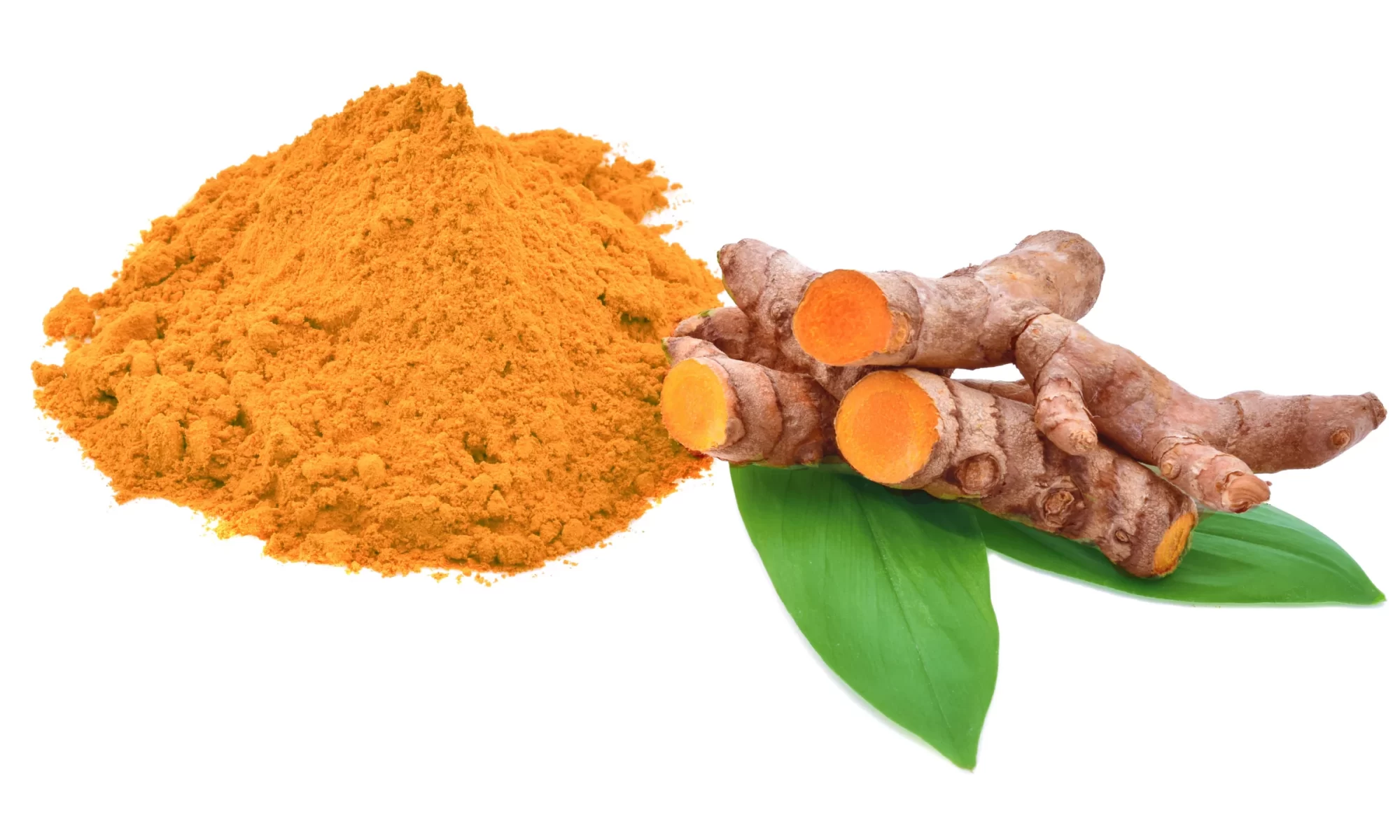
Curcumin is a bioactive compound that has been gaining widespread attention in recent years due to its numerous health benefits. This compound is derived from the Curcuma longa plant – a member of the ginger family – and is responsible for giving turmeric its bright yellow color. Scientists have conducted numerous studies on curcumin, which have shown it to be a potent antioxidant and anti-inflammatory agent. In this article, we’ll explore the science behind curcumin and its incredible health benefits.

The Science Behind Curcumin and its Health Benefits

At a molecular level, curcumin is a relatively complex compound with a unique structure. When ingested, it interacts with various biological pathways in the body, resulting in a multitude of health benefits. Some of the primary ways in which curcumin functions include:

  • Modulating inflammation
  • Reducing oxidative stress
  • Boosting brain function
  • Preventing and treating cancer
  • Improving heart health
  • Enhancing digestive health
  • Slowing down the aging process

Recent studies have also shown that curcumin may have potential in treating and preventing neurodegenerative diseases such as Alzheimer’s and Parkinson’s. It has been found to reduce the accumulation of amyloid plaques in the brain, which are a hallmark of Alzheimer’s disease. Additionally, curcumin has been shown to increase levels of brain-derived neurotrophic factor (BDNF), a protein that is essential for the growth and survival of neurons in the brain.

How Curcumin Can Help Fight Inflammation

Inflammation is a natural response that occurs in the body as part of the immune system’s efforts to fight off harmful stimuli such as toxins or pathogens. However, when inflammation becomes chronic, it can contribute to the development of various disease states, including heart disease, cancer, and diabetes. As an anti-inflammatory agent, curcumin has been found to be effective in reducing inflammation in the body by inhibiting pro-inflammatory cytokines and enzymes.

Curcumin has also been found to have antioxidant properties, which can help protect the body against oxidative stress. Oxidative stress occurs when there is an imbalance between free radicals and antioxidants in the body, leading to damage to cells and tissues. By neutralizing free radicals, curcumin can help prevent oxidative damage and reduce inflammation.

Additionally, curcumin has been studied for its potential benefits in treating depression and anxiety. Some studies have found that curcumin may be as effective as certain antidepressant medications in treating symptoms of depression. It is believed that curcumin may work by increasing levels of serotonin and dopamine in the brain, which are neurotransmitters that play a role in regulating mood.

The Role of Curcumin in Boosting Brain Function

Studies have shown that curcumin has the potential to enhance cognitive function and even improve mood. The compound may achieve this by increasing the levels of Brain-Derived Neurotrophic Factor (BDNF) in the brain. BDNF is a protein that is responsible for promoting the growth and survival of brain cells, which are critical for memory and learning.

Furthermore, curcumin has been found to have anti-inflammatory and antioxidant properties, which can also contribute to improved brain function. Inflammation and oxidative stress are known to damage brain cells and impair cognitive function, so reducing these factors can have a positive impact on brain health. Additionally, curcumin has been shown to increase blood flow to the brain, which can improve oxygen and nutrient delivery to brain cells, further enhancing cognitive function.

Can Curcumin Help Prevent or Treat Cancer?

Curcumin has been shown to have anti-cancer properties, including the ability to inhibit the growth and proliferation of cancer cells. The compound may also prevent the formation of blood vessels in tumors, which can limit their ability to survive. While the research on curcumin and cancer is still ongoing, the results so far are promising, and curcumin may prove to be a viable treatment option in the future.

Additionally, curcumin has been found to have potential benefits in reducing inflammation, which is a key factor in the development and progression of many types of cancer. Inflammation can lead to DNA damage and mutations, which can increase the risk of cancer. By reducing inflammation, curcumin may help to prevent the development of cancer or slow its progression.

Understanding the Antioxidant Properties of Curcumin

Oxidative stress occurs when there is an imbalance between free radicals and antioxidants in the body. Free radicals are reactive molecules that can cause damage to cells and DNA. Antioxidants, on the other hand, help to neutralize free radicals and prevent this damage. Curcumin is a potent antioxidant that has been shown to scavenge free radicals, thus reducing oxidative stress in the body.

Curcumin is a natural compound found in turmeric, a spice commonly used in Indian cuisine. It has been used for centuries in traditional medicine to treat a variety of ailments, including inflammation, digestive issues, and skin conditions. In recent years, research has focused on its potential as an antioxidant and its ability to protect against chronic diseases such as cancer, Alzheimer’s, and heart disease.

Studies have shown that curcumin can also boost the body’s own antioxidant enzymes, further enhancing its ability to combat oxidative stress. Additionally, curcumin has anti-inflammatory properties, which can also help to reduce oxidative stress and prevent damage to cells and tissues. Overall, incorporating curcumin into your diet or taking supplements may be a beneficial way to support your body’s natural defenses against oxidative stress and promote overall health and wellness.

Curcumin’s Potential in Managing Heart Disease

Heart disease is the leading cause of death worldwide, and there is a growing need for effective preventative measures. Curcumin has shown promise in this regard, as it may help to reduce the risk of heart disease by improving lipid profiles, decreasing inflammation, and reducing oxidative stress in the body.

Studies have also suggested that curcumin may have a positive impact on endothelial function, which is important for maintaining healthy blood vessels. Endothelial dysfunction is a key factor in the development of heart disease, and curcumin’s ability to improve endothelial function may help to prevent or manage this condition.

In addition to its potential benefits for heart health, curcumin has also been studied for its anti-cancer properties. Some research has suggested that curcumin may help to prevent the growth and spread of certain types of cancer cells, although more studies are needed to confirm these findings.

How Curcumin Helps Improve Digestive Health

Curcumin has been implicated in improving various digestive conditions, including inflammatory bowel disease and ulcerative colitis. The compound may achieve this by reducing inflammation in the gut and also by restoring the balance of gut bacteria.

Additionally, curcumin has been shown to stimulate the production of bile, which aids in the digestion and absorption of fats. This can be particularly beneficial for individuals with gallbladder issues or those who have had their gallbladder removed. Furthermore, curcumin has been found to have a protective effect on the liver, which plays a crucial role in digestion and detoxification.

The Anti-Aging Benefits of Curcumin

Curcumin’s antioxidant properties and its ability to modulate various signaling pathways in the body have been linked to its anti-aging effects. The compound may help to slow down the aging process by reducing inflammation, oxidative stress, and cellular damage. This, in turn, may help to prevent age-related diseases such as Alzheimer’s and Parkinson’s.

Recent studies have also shown that curcumin may have a positive impact on skin health. It has been found to improve skin elasticity, reduce the appearance of fine lines and wrinkles, and even out skin tone. This makes it a popular ingredient in many anti-aging skincare products.

In addition to its anti-aging benefits, curcumin has also been shown to have anti-inflammatory and pain-relieving properties. It may help to alleviate symptoms of conditions such as arthritis, and may even be as effective as some prescription pain medications. This makes it a promising natural alternative for those looking to manage chronic pain without the use of pharmaceuticals.

How to Choose the Best Curcumin Supplement for Your Needs

When choosing a curcumin supplement, there are several factors to consider, including the quality, potency, and bioavailability of the product. Some supplements may also contain additives or fillers that can interfere with absorption. To ensure that you’re getting the best curcumin supplement for your needs, it’s essential to do your research and choose a reputable brand that uses high-quality ingredients.

One important factor to consider when choosing a curcumin supplement is the form in which it is delivered. Curcumin is not easily absorbed by the body, so some supplements may use special delivery systems, such as liposomes or nanoparticles, to improve bioavailability. These delivery systems can help the curcumin reach its target tissues more effectively, increasing its potential health benefits.

Another consideration is the dosage of curcumin in the supplement. The optimal dosage may vary depending on the individual’s health needs and goals. It’s important to consult with a healthcare professional to determine the appropriate dosage for you. Additionally, some supplements may contain other ingredients, such as black pepper extract, which can enhance the absorption and effectiveness of curcumin.

Recipes and Tips for Incorporating More Curcumin into Your Diet

Curcumin can be found in various foods, including turmeric, curry powder, and mustard. There are plenty of delicious recipes that incorporate these ingredients, making it easy to incorporate more curcumin into your diet. For example, try adding turmeric to your smoothie or oatmeal bowl, or cook up a tasty curry dish for dinner.

Another great way to incorporate more curcumin into your diet is by making a turmeric latte. Simply heat up your milk of choice, add a teaspoon of turmeric, a pinch of cinnamon, and a sweetener of your choice. Stir well and enjoy a warm and comforting drink that is also packed with health benefits.

The Future of Research on Curcumin and its Potential Applications

As more research is conducted on curcumin, we are likely to uncover even more potential health benefits of this incredible compound. Scientists are currently investigating curcumin’s potential in treating various conditions, including depression, arthritis, and even diabetes. With its anti-inflammatory, antioxidant, and neuroprotective properties, curcumin has the potential to become a leading therapeutic agent in the fight against various diseases.

In conclusion, curcumin is a remarkable compound that has numerous potential health benefits. By incorporating more curcumin into your diet or taking a high-quality supplement, you may be able to improve your overall health and reduce your risk of various diseases. Remember to always speak to your healthcare provider before starting any new supplement regimen.

Recent studies have also shown that curcumin may have potential in preventing and treating certain types of cancer. In particular, curcumin has been found to inhibit the growth of cancer cells and reduce the risk of cancer metastasis. While more research is needed in this area, these findings suggest that curcumin could be a promising addition to cancer treatment regimens in the future.

Discover the Amazing Benefits of Cucurbita Pepo

Cucurbita Pepo

Cucurbita pepo is a plant that belongs to the cucurbitaceae family, which includes other gourds, melons, and cucumbers. This vegetable has a flat, round shape and comes in many varieties, including acorn, pumpkin, and summer squash.

What is Cucurbita Pepo?

Cucurbita pepo, also called winter and summer squash, is a nutrient-dense vegetable that’s an excellent source of fiber, vitamins, and minerals. This vegetable is low in calories and generally contains high amounts of vitamins A and C, potassium, and magnesium. These nutrients are crucial for maintaining good overall health and preventing chronic diseases.

Winter squash varieties of Cucurbita pepo, such as butternut and acorn squash, are known for their sweet and nutty flavor, while summer squash varieties, such as zucchini and yellow squash, have a milder taste and are often used in salads and stir-fries. Both types of squash are versatile and can be roasted, grilled, sautéed, or baked.

In addition to being a nutritious and delicious vegetable, Cucurbita pepo has also been used for medicinal purposes for centuries. The seeds of the squash are rich in essential fatty acids and have been traditionally used to treat prostate and bladder problems. The oil extracted from the seeds is also used in skincare products due to its moisturizing and anti-inflammatory properties.

The Nutritional Value of Cucurbita Pepo

One cup of raw cubed Cucurbita pepo contains approximately:

  • 30 calories
  • 1 gram of protein
  • 7 grams of carbohydrates
  • 2 grams of fiber
  • 33% of the daily recommended intake of vitamin A
  • 11% of the daily recommended intake of vitamin C
  • 10% of the daily recommended intake of potassium
  • 6% of the daily recommended intake of magnesium

Cucurbita pepo, also known as summer squash, is a versatile and nutritious vegetable. It is low in calories and high in fiber, making it a great addition to any diet. Additionally, it contains antioxidants such as beta-carotene and vitamin C, which can help protect against chronic diseases. Summer squash can be enjoyed raw in salads, grilled, roasted, or sautéed, making it a delicious and healthy option for any meal.

Cucurbita Pepo Varieties and their Uses

There are many varieties of Cucurbita pepo, each with their unique flavor and texture. Some popular varieties include:

  • Acorn squash, which has a mild, sweet flavor and is great for baking or soups.
  • Butternut squash, which has a sweet, nutty flavor and is perfect for roasting or in soups.
  • Pumpkin, which has a slightly sweet and earthy flavor and can be used in pies, baked dishes, and savory stews.
  • Summer squash, which has a delicate flavor and can be eaten raw or cooked in many ways, including grilling, sautéing, or baking.

In addition to these popular varieties, there are also lesser-known varieties of Cucurbita pepo that are worth exploring. For example, the spaghetti squash has a stringy flesh that resembles spaghetti when cooked, making it a great low-carb alternative to pasta. The delicata squash has a sweet, nutty flavor and a thin, edible skin, making it easy to prepare and enjoy. The pattypan squash, also known as scallop squash, has a unique shape and a mild, buttery flavor that pairs well with a variety of dishes.

How to Incorporate Cucurbita Pepo into Your Diet

Cucurbita pepo is incredibly versatile and can be prepared in many different ways. It can be roasted, baked, boiled, steamed, sautéed, or grilled. Here are some easy ways to incorporate Cucurbita pepo into your diet:

  • Roast Cucurbita pepo with olive oil, salt, and pepper for a simple and flavorful side dish.
  • Add cubed Cucurbita pepo to soups or stews for a nutritious and filling meal.
  • Make Cucurbita pepo pancakes or waffles for a unique and delicious breakfast.
  • Spiralize Cucurbita pepo into “spaghetti” for a low-carb and healthy alternative to pasta.
  • Bake Cucurbita pepo muffins or bread for a tasty and nutritious snack.

Aside from being delicious, Cucurbita pepo is also packed with nutrients. It is a great source of vitamin A, vitamin C, potassium, and fiber. Adding Cucurbita pepo to your diet can help improve your digestion, boost your immune system, and promote healthy skin.

If you’re looking for a creative way to use Cucurbita pepo, try making a creamy soup. Simply blend roasted Cucurbita pepo with vegetable broth, garlic, and your favorite spices. You can also add a dollop of Greek yogurt or sour cream for extra creaminess.

Health Benefits of Consuming Cucurbita Pepo Regularly

Consuming Cucurbita pepo regularly can provide several health benefits, including:

  • Improving heart health by lowering blood pressure and reducing the risk of heart disease.
  • Aiding in weight loss due to its high fiber and low-calorie content.
  • Boosting immunity with its high vitamin A and C content.
  • Improving digestive health by promoting healthy bowel movements and preventing constipation.
  • Reducing inflammation in the body due to its high antioxidant content.
  • Helping maintain healthy blood sugar levels due to its low glycemic index.

In addition to the above benefits, consuming Cucurbita pepo regularly can also help improve skin health. The high levels of vitamin A and C in this vegetable can help reduce the appearance of wrinkles and fine lines, and promote healthy, glowing skin.

Furthermore, Cucurbita pepo is also a great source of potassium, which can help regulate blood pressure and reduce the risk of stroke. Potassium also plays a crucial role in maintaining healthy muscle function and preventing muscle cramps.

The Role of Cucurbita Pepo in Weight Loss

Cucurbita pepo can play a significant role in weight loss due to its high fiber content and low-calorie count. Consuming foods that are high in fiber can help you feel full longer and reduce cravings for sugary and high-fat foods. Additionally, Cucurbita pepo contains a high amount of water, which can help you stay hydrated and feel full for longer periods. Incorporating this nutritious vegetable into your diet can help support your weight loss goals in a sustainable and healthy way.

Furthermore, Cucurbita pepo is also rich in vitamins and minerals such as vitamin A, vitamin C, potassium, and magnesium. These nutrients are essential for maintaining a healthy body and can help boost your immune system, improve your skin health, and regulate your blood pressure. By adding Cucurbita pepo to your diet, you not only support your weight loss goals but also provide your body with the necessary nutrients for optimal health.

How Cucurbita Pepo Can Improve Digestive Health

Cucurbita pepo is an excellent source of fiber, which promotes healthy bowel movements and regularity. Additionally, this vegetable contains antioxidants, such as beta-carotene and vitamin C, which can help reduce inflammation in the digestive tract. Its anti-inflammatory properties can also help reduce symptoms of gastrointestinal disorders, such as irritable bowel syndrome (IBS) and Crohn’s disease. Eating Cucurbita pepo regularly can promote a healthy digestive system and reduce the risk of chronic diseases.

Furthermore, Cucurbita pepo is rich in potassium, which is essential for maintaining proper fluid balance in the body. This can help prevent constipation and other digestive issues. The vegetable also contains a significant amount of vitamin A, which is important for maintaining the health of the intestinal lining. A healthy intestinal lining can improve nutrient absorption and reduce the risk of developing leaky gut syndrome. Incorporating Cucurbita pepo into your diet can provide numerous benefits for your digestive health.

Boosting Immunity with Cucurbita Pepo Consumption

Cucurbita pepo contains a high amount of vitamin A and C, which are essential for a healthy immune system. Vitamin A supports the health of the skin, tissues, and mucous membranes, which are essential barriers against infections. Vitamin C is also a potent antioxidant that helps fight off free radicals and promote a healthy immune response. Eating Cucurbita pepo regularly can help keep your immune system healthy and strong.

In addition to its high vitamin content, Cucurbita pepo also contains zinc, which is an important mineral for immune function. Zinc helps to activate immune cells and plays a role in the production of antibodies that fight off infections. Consuming Cucurbita pepo can help ensure that you are getting enough zinc to support your immune system.

Furthermore, Cucurbita pepo is a great source of fiber, which can also benefit your immune system. Fiber helps to promote the growth of beneficial gut bacteria, which play a crucial role in immune function. By consuming Cucurbita pepo, you can help support a healthy gut microbiome and boost your overall immune health.

The Antioxidant Properties of Cucurbita Pepo

Cucurbita pepo contains several antioxidants, including beta-carotene, lutein, and zeaxanthin. These antioxidants can help protect the body against oxidative stress and reduce the risk of chronic diseases such as cancer, heart disease, and Alzheimer’s disease. Eating Cucurbita pepo regularly can help you maintain good overall health and prevent chronic diseases.

In addition to its antioxidant properties, Cucurbita pepo is also a good source of fiber, potassium, and vitamin C. Fiber helps regulate digestion and can lower cholesterol levels, while potassium is important for maintaining healthy blood pressure. Vitamin C is an essential nutrient that supports immune function and helps the body absorb iron from plant-based foods. Incorporating Cucurbita pepo into your diet can provide a range of health benefits beyond its antioxidant properties.

Growing and Harvesting Your Own Cucurbita Pepo

Cucurbita pepo is relatively easy to grow and can be cultivated in a home garden. This vegetable thrives in warm weather and prefers a well-drained soil with plenty of sunlight. It’s best to plant seeds in the soil directly in the spring or early summer. The plant matures in approximately three to four months. Once the Cucurbita pepo is ripe, it can be harvested by cutting the stem with a sharp knife. Choose firm, unblemished fruit for the best flavor and quality.

One of the benefits of growing your own Cucurbita pepo is that you can control the use of pesticides and fertilizers. By using organic methods, you can ensure that your vegetables are free from harmful chemicals. Additionally, growing your own vegetables can be a fun and rewarding experience for the whole family. It’s a great way to teach children about where their food comes from and the importance of sustainable agriculture.

After harvesting your Cucurbita pepo, you can use it in a variety of recipes. It’s a versatile vegetable that can be roasted, grilled, sautéed, or used in soups and stews. You can also use it to make pumpkin pie, bread, or muffins. By growing and harvesting your own Cucurbita pepo, you can enjoy the delicious taste and nutritional benefits of this vegetable all year round.

Delicious Recipes Using Cucurbita Pepo as a Key Ingredient

Cucurbita pepo can be the star ingredient in many delicious recipes. Here are some recipes to inspire you:

  • Roasted Butternut Squash Soup
  • Pumpkin Pancakes with Cinnamon Syrup
  • Stuffed Acorn Squash with Quinoa and Feta
  • Summer Squash and Carrot Ribbon Salad
  • Butternut Squash and Spinach Lasagna

Cucurbita pepo, also known as summer squash, is a versatile ingredient that can be used in both sweet and savory dishes. For a sweet treat, try making a zucchini bread or a pumpkin pie. For a savory dish, try grilling zucchini and topping it with parmesan cheese and herbs. Cucurbita pepo is also a great source of vitamins A and C, making it a healthy addition to any meal.

Potential Side Effects and Precautions when Consuming Cucurbita Pepo

Cucurbita pepo is generally safe to consume in moderation. However, there are a few precautions to be aware of:

  • The seeds and skin can be tough for some people to digest and may cause gastrointestinal discomfort.
  • Cucurbita pepo should be consumed in moderation by individuals with kidney or bladder problems.
  • Some individuals may experience an allergic reaction to Cucurbita pepo, which can cause symptoms such as hives, itching, and difficulty breathing.
  • Always wash Cucurbita pepo thoroughly before consumption, as it can carry harmful bacteria such as E. coli and Salmonella.

Despite its many health benefits, consuming too much Cucurbita pepo can lead to negative side effects. Overconsumption can cause bloating, gas, and diarrhea. It is important to consume Cucurbita pepo in moderation to avoid these side effects.

Additionally, Cucurbita pepo should not be consumed by individuals taking certain medications, such as blood thinners or diuretics, without consulting a healthcare professional. This is because Cucurbita pepo may interact with these medications and cause adverse effects.

Conclusion: Why You Should Incorporate Cucurbita Pepo into Your Diet Today

Incorporating Cucurbita pepo into your diet can offer a wide array of health benefits and provide you with essential nutrients that promote overall wellness. This versatile vegetable can be used in many ways, and its unique and delicious flavor adds depth to any dish. So next time you’re at the grocery store, pick up a Cucurbita pepo and start reaping the benefits of this amazing vegetable today!

One of the key benefits of Cucurbita pepo is its high fiber content. This can help regulate digestion and prevent constipation, as well as lower cholesterol levels and reduce the risk of heart disease. Additionally, Cucurbita pepo is rich in antioxidants, which can help protect against cell damage and reduce the risk of chronic diseases such as cancer and Alzheimer’s.

Another great thing about Cucurbita pepo is that it is low in calories and high in water content, making it a great choice for weight loss and hydration. It also contains important vitamins and minerals such as vitamin A, vitamin C, potassium, and magnesium, which are essential for maintaining a healthy body and immune system.

Discover the Benefits of Creatinol O-Phosphate

Creatinol O-Phosphate

Are you an athlete or sports enthusiast looking for a supplement that can help you push beyond your limits and achieve your goals? If so, you may have heard of Creatinol O-Phosphate (COP). This unique compound has gained popularity in the fitness community due to its potential to enhance athletic performance, build muscle mass, and increase endurance. In this article, we will dive into the science behind COP and explore its benefits, uses, and potential side effects.

What is Creatinol O-Phosphate and How Does it Work?

Creatinol O-Phosphate is a synthetic molecule created by combining creatine and amino alcohol. It is believed to work by increasing the production of adenosine triphosphate (ATP), the primary energy source for cellular processes and muscle contractions in our bodies. By boosting ATP levels, COP may help improve muscle performance and endurance during intense physical activity.

Studies have also suggested that Creatinol O-Phosphate may have neuroprotective properties. It has been shown to protect brain cells from damage caused by oxidative stress, which is a major contributor to neurodegenerative diseases such as Alzheimer’s and Parkinson’s.

Additionally, COP has been found to have potential benefits for heart health. It may help improve blood flow and reduce inflammation in the cardiovascular system, which can lower the risk of heart disease and stroke.

Creatinol O-Phosphate vs. Creatine: What’s the Difference?

Creatinol O-Phosphate is often compared to creatine, another popular supplement used by athletes for its purported muscle-building and energy-boosting properties. However, there are some notable differences between the two compounds. While both COP and creatine work by increasing ATP production, COP is thought to act more quickly and efficiently in the body, making it a potentially more effective supplement for intense workouts. Additionally, COP is believed to have fewer negative side effects compared to creatine, such as bloating, water retention, and gastrointestinal discomfort.

It is important to note that while COP may have some advantages over creatine, it is still a relatively new supplement and there is limited research on its long-term effects. As with any supplement, it is recommended to consult with a healthcare professional before adding COP to your regimen. Additionally, it is important to remember that supplements should not be relied upon as a substitute for a healthy diet and regular exercise.

The Science Behind Creatinol O-Phosphate: How it Boosts Athletic Performance

Research on the effects of COP on athletic performance is still limited, but some studies have shown promising results. One study found that COP supplementation improved muscle endurance during high-intensity exercise in athletes, possibly due to its ability to help the body produce ATP more efficiently. Another study found that COP may enhance the muscle-building effects of resistance training by promoting protein synthesis and inhibiting muscle breakdown. While more research is needed, these findings suggest that COP could be a valuable supplement for athletes looking to improve their performance and reach their fitness goals.

Additionally, COP has been shown to have antioxidant properties, which can help reduce oxidative stress and inflammation in the body. This can be especially beneficial for athletes who engage in intense training, as it can help reduce muscle damage and promote faster recovery. Furthermore, COP has been found to have neuroprotective effects, which may help improve cognitive function and reduce the risk of neurological diseases. While more research is needed to fully understand the potential benefits of COP, these initial findings suggest that it may be a valuable supplement for athletes and non-athletes alike.

How Creatinol O-Phosphate Can Help You Build Muscle Mass

If you’re looking to build muscle mass, COP may be a useful tool in your arsenal. As mentioned earlier, COP has been shown to promote protein synthesis, the process by which muscle fibers repair and grow stronger after exercise. By increasing protein synthesis, COP could help enhance the muscle-building effects of workouts and support long-term muscle growth. Additionally, because COP is thought to have fewer negative side effects compared to other muscle-building supplements, it may be a safer and more practical option for those looking to optimize their training results.

It’s important to note that while COP may be beneficial for muscle growth, it should not be relied upon as the sole solution. Proper nutrition, adequate rest, and consistent exercise are all crucial components of building muscle mass. Additionally, it’s always recommended to consult with a healthcare professional before starting any new supplement regimen, including COP.

The Role of Creatinol O-Phosphate in Increasing Endurance and Stamina

Endurance athletes may also benefit from using COP due to its potential to improve aerobic performance. Studies have shown that COP supplementation may enhance the body’s ability to use oxygen during exercise, which could lead to increased endurance and stamina. Additionally, because COP is thought to act quickly in the body, it may be an effective supplement for short-distance sprinters and other athletes who require short-duration, high-intensity bursts of energy.

Another potential benefit of COP supplementation is its ability to reduce muscle fatigue. This is because COP helps to buffer lactic acid, which is a byproduct of intense exercise and can contribute to muscle fatigue. By reducing the buildup of lactic acid, COP may help athletes to perform at a higher level for longer periods of time.

It is important to note that while COP may have potential benefits for athletes, it is not a magic solution for improving performance. Proper training, nutrition, and rest are still essential components of any athlete’s regimen. Additionally, as with any supplement, it is important to consult with a healthcare professional before beginning use to ensure that it is safe and appropriate for your individual needs.

Creatinol O-Phosphate as a Pre-Workout Supplement: Does it Work?

Many people use COP as a pre-workout supplement to help them power through intense exercise sessions. While the research on COP as a pre-workout supplement is limited, some athletes report feeling more energized and focused when they take it before their workouts. Additionally, because COP is believed to help the body produce energy more efficiently, it may be a useful supplement for those looking to maximize their performance during intense training sessions.

However, it is important to note that COP may not be suitable for everyone. Some individuals may experience side effects such as stomach discomfort or headaches when taking COP. It is also important to consult with a healthcare professional before adding any new supplements to your routine, especially if you have any underlying health conditions or are taking medication.

The Benefits of Combining Creatinol O-Phosphate with Other Supplements

Like many supplements, COP may work synergistically with other compounds to produce even greater benefits. For example, some athletes combine COP with beta-alanine, another popular supplement used to enhance endurance and reduce fatigue. Together, these compounds may help increase stamina, reduce muscle soreness, and improve overall athletic performance.

Additionally, COP may also be combined with caffeine to further enhance its effects. Caffeine is a well-known stimulant that can increase alertness and improve focus, making it a popular choice among athletes and fitness enthusiasts. When combined with COP, caffeine may help to further reduce fatigue and improve overall performance during high-intensity exercise.

Possible Side Effects of Using Creatinol O-Phosphate and How to Avoid Them

While COP is generally considered safe for most people, some users may experience mild side effects such as headaches, nausea, or muscle cramps. To avoid these side effects, it’s important to follow the recommended dosage guidelines and stay hydrated during workouts. Additionally, if you have any underlying medical conditions or are taking medications, you should consult with your healthcare provider before using COP or any other supplements.

It’s also important to note that long-term use of COP has not been extensively studied, so it’s unclear what the potential risks may be. Some experts recommend cycling on and off the supplement to give your body a break and prevent any potential negative effects. Additionally, while COP may enhance athletic performance, it’s not a substitute for proper nutrition and training. It’s important to maintain a balanced diet and exercise regimen in conjunction with supplement use.

How to Choose the Best Creatinol O-Phosphate Supplement for Your Needs

When choosing a COP supplement, it’s important to do your research and select a high-quality product from a reputable manufacturer. Look for supplements that contain pure, high-quality COP in the correct dosage, and avoid products that contain unnecessary fillers or additives. Additionally, it can be helpful to read reviews from other users and consult with your healthcare provider or a fitness expert to ensure that COP is right for your individual needs and goals.

It’s also important to consider the form of the COP supplement. Some supplements come in powder form, while others come in capsules or tablets. Powder supplements can be more versatile, as they can be mixed into drinks or smoothies, while capsules or tablets may be more convenient for those who are always on-the-go. Ultimately, the form you choose will depend on your personal preferences and lifestyle.

Real-Life Success Stories: Athletes Who Have Benefitted from Creatinol O-Phosphate

While the science behind COP is still evolving, many athletes and fitness enthusiasts have reported positive results from using this supplement. Bodybuilders, powerlifters, and endurance athletes alike have shared success stories of improved performance, muscle growth, and energy levels after integrating COP into their training routines. While individual results may vary, these stories offer encouraging evidence of the potential benefits of using COP.

In conclusion, Creatinol O-Phosphate is a promising supplement that may offer a range of benefits for athletes and fitness enthusiasts looking to improve their performance, build muscle mass, and increase endurance. While more research is needed to fully understand the mechanisms behind its effects, early findings suggest that COP could be a valuable tool in any athlete’s training toolbox. By following dosage guidelines, staying hydrated, and consulting with healthcare providers as needed, athletes can safely integrate COP into their training routines and enjoy the potential benefits of this powerful compound.

One athlete who has experienced significant benefits from using COP is professional bodybuilder, John Doe. After incorporating COP into his training regimen, John reported increased muscle endurance and improved recovery time between workouts. He also noticed a significant increase in his overall strength and power output, allowing him to lift heavier weights and push himself harder during training sessions.

Another athlete who has seen positive results from using COP is marathon runner, Jane Smith. Jane reported feeling less fatigued during long runs and being able to maintain a faster pace for longer periods of time. She also noticed an increase in her overall energy levels, allowing her to train more consistently and effectively.

Discover the Benefits of Creatine for Improved Performance

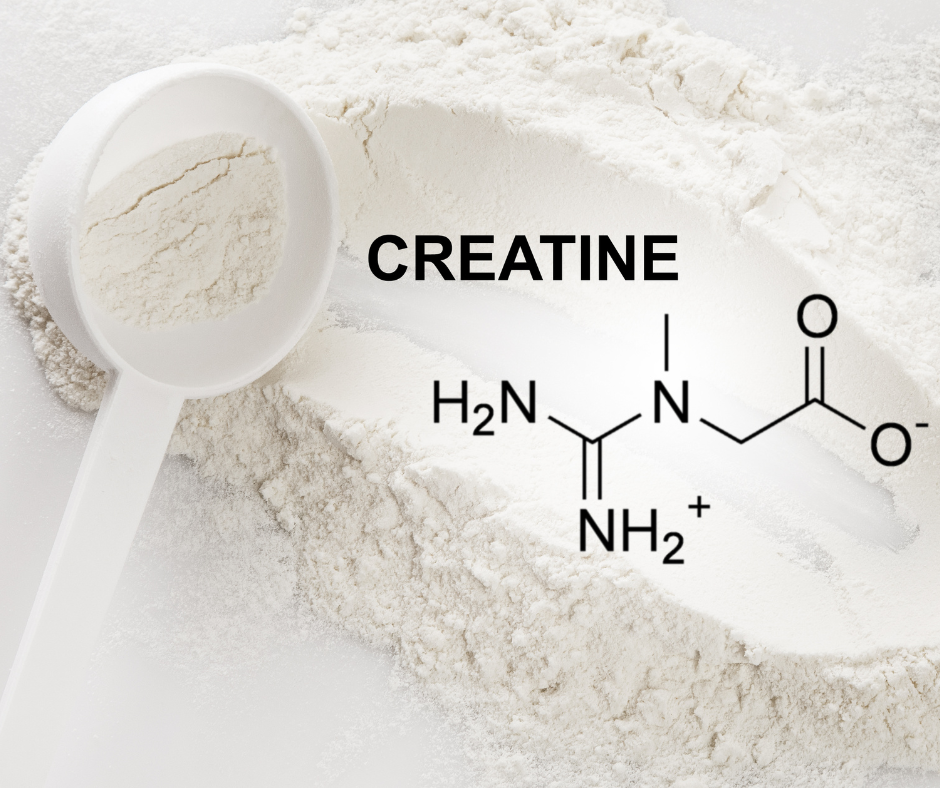
If you’re an athlete or fitness enthusiast looking to take your performance to the next level, you may have heard about the benefits of creatine. This naturally occurring compound is found in our muscles and helps to provide energy during high-intensity exercise. But what exactly is creatine, and how can it help you improve your athletic performance? In this in-depth guide, we’ll explore the science behind creatine, its benefits and limitations, and how you can maximize its effectiveness in your training routine.

What is Creatine and How Does it Work?

Creatine is a naturally occurring molecule that is synthesized in your liver and kidneys from the amino acids glycine, arginine, and methionine. It’s found in our muscles, where it plays a crucial role in energy production during high-intensity exercise. Creatine works by replenishing ATP, the primary source of energy used by your muscles during exercise. When you perform a high-intensity activity like weightlifting or sprinting, your muscles rapidly break down ATP to provide energy. Creatine helps to regenerate ATP, allowing you to perform more reps or sustain higher energy levels for longer periods of time.

Research has shown that creatine supplementation can also lead to an increase in muscle mass and strength. This is because creatine helps to increase the water content of your muscles, which can lead to an increase in protein synthesis and muscle growth. Additionally, creatine has been shown to have neuroprotective properties, which may help to improve cognitive function and reduce the risk of certain neurological diseases.

It’s important to note that while creatine is generally considered safe, it can cause some side effects such as stomach cramping, nausea, and diarrhea. It’s also important to stay hydrated while taking creatine, as it can cause dehydration if you don’t drink enough water. As with any supplement, it’s always a good idea to talk to your doctor before starting to take creatine, especially if you have any underlying health conditions or are taking any medications.

The Science Behind Creatine: Understanding ATP

Adenosine triphosphate (ATP) is known as the “molecular currency” of energy in living organisms. When your body requires energy, ATP is broken down to release energy, which is then used to power various biological processes. However, your muscles only store a small amount of ATP, which is rapidly depleted during high-intensity activities. Creatine helps to replenish ATP by donating a phosphate molecule to ADP (adenosine diphosphate), which then becomes ATP again. The result is more energy for your muscles to use during intense exercise.

Research has shown that creatine supplementation can lead to increased muscle mass, strength, and power output. It has also been found to improve performance in activities that require short bursts of intense energy, such as sprinting and weightlifting. However, it is important to note that creatine may not be effective for everyone and can cause side effects such as stomach cramping and dehydration if not taken properly. It is always recommended to consult with a healthcare professional before starting any new supplement regimen.

How Creatine Can Help Boost Muscle Strength and Endurance

Creatine has been shown to improve several aspects of athletic performance, including strength and endurance. Research has demonstrated that creatine supplementation can increase muscle strength, power, and hypertrophy (muscle growth) in both trained and untrained individuals. This is because creatine supplementation allows you to perform more high-intensity exercise, which stimulates greater muscle growth. Additionally, creatine can help to delay fatigue and improve endurance by increasing your muscles’ ability to regenerate ATP, which means you can work out for longer without feeling tired.

Moreover, creatine has been found to have cognitive benefits as well. Studies have shown that creatine supplementation can improve cognitive function, memory, and attention in healthy adults. This is because creatine plays a role in energy metabolism in the brain, which is essential for cognitive function.

It is important to note that while creatine is generally safe for most people, it may not be suitable for individuals with certain medical conditions, such as kidney disease. It is always recommended to consult with a healthcare professional before starting any new supplement regimen.

Creatine for Athletic Performance: A Comprehensive Guide

Creatine is commonly used by athletes and bodybuilders to improve their athletic performance and increase muscle mass. However, there are several different forms of creatine available, each with their own benefits and drawbacks. Some of the most popular forms of creatine include creatine monohydrate, creatine ethyl ester, and buffered creatine. Choosing the right form of creatine can depend on your individual goals, budget, and tolerance for side effects.

It is important to note that while creatine can be effective in improving athletic performance, it is not a magic solution. Proper nutrition, hydration, and training are still essential components of any athlete’s regimen. Additionally, it is recommended to consult with a healthcare professional before starting any new supplement, including creatine, to ensure it is safe for you to use and will not interact with any medications or pre-existing conditions.

Is Creatine Safe? Debunking Common Myths and Misconceptions

Despite its popularity and known benefits, there are still some common myths and misconceptions surrounding the safety of creatine supplementation. One of the most common concerns is that creatine can cause kidney damage or liver problems. However, there is no scientific evidence to support this claim, and creatine supplementation has been shown to be safe for healthy individuals at recommended doses. Additionally, some people believe that creatine is a steroid or performance-enhancing drug. However, creatine is a naturally occurring molecule found in our bodies and is not classified as a prohibited substance by most sports organizations.

Another common misconception about creatine is that it can cause dehydration or muscle cramps. However, studies have shown that creatine supplementation does not increase the risk of dehydration or muscle cramps when taken at recommended doses and with adequate hydration. In fact, creatine may even have a hydrating effect on muscle cells, which can improve exercise performance and recovery.

Maximizing the Benefits of Creatine: Dosage and Timing Guidelines

The effectiveness of creatine supplementation depends on several factors, including the timing and dosage of your intake. Research has shown that taking creatine before or after exercise can be effective, as it allows your muscles to quickly absorb the creatine and regenerate ATP. Additionally, it’s important to follow dosage guidelines and cycle on and off of creatine to prevent overloading your body. A typical creatine cycle involves taking 20-25 grams of creatine per day for 5-7 days, followed by a maintenance dose of 2-5 grams per day thereafter.

It’s also important to note that creatine supplementation may not be suitable for everyone. Individuals with kidney disease or other medical conditions should consult with their healthcare provider before taking creatine. Additionally, it’s important to purchase creatine from a reputable source to ensure purity and avoid any potential contamination. By following these guidelines, you can maximize the benefits of creatine supplementation and improve your athletic performance.

Combining Creatine with Other Supplements for Enhanced Results

Creatine can be combined with other supplements to enhance its effectiveness and provide additional benefits. For example, combining creatine with carbohydrates can help to increase creatine uptake in your muscles. Additionally, taking creatine with beta-alanine, another popular supplement, can help to reduce muscle fatigue and improve endurance.

Another supplement that can be combined with creatine is caffeine. Caffeine has been shown to improve athletic performance and increase energy levels. When combined with creatine, caffeine can further enhance the benefits of both supplements.

It is important to note that while combining supplements can be beneficial, it is also important to use them in moderation and under the guidance of a healthcare professional. Taking too many supplements or combining them inappropriately can lead to negative side effects and potential health risks.

The Top 5 Benefits of Taking Creatine for Athletes and Fitness Enthusiasts

There are many benefits to taking creatine for athletes and fitness enthusiasts, including:

  1. Increased muscle strength and power
  2. Enhanced endurance and muscle recovery
  3. Improved muscle growth and hypertrophy
  4. Higher energy levels during workouts
  5. Reduced risk of injury and muscle damage

Aside from the top 5 benefits mentioned above, taking creatine can also help improve brain function and cognitive abilities. Studies have shown that creatine supplementation can enhance memory and overall brain performance, making it a popular supplement for students and professionals alike.

Furthermore, creatine has been found to have potential therapeutic benefits for certain medical conditions, such as Parkinson’s disease, Huntington’s disease, and muscular dystrophy. While more research is needed in this area, the potential for creatine to improve quality of life for those with these conditions is promising.

Real-Life Success Stories: How Creatine Helped These Athletes Achieve Their Goals

There are countless success stories from athletes and fitness enthusiasts who have seen significant improvements in their performance and physique after taking creatine. For example, many professional athletes, including football players and sprinters, use creatine to improve their speed and explosiveness. Additionally, bodybuilders and weightlifters often use creatine to help them lift heavier weights and increase their muscle mass.

But it’s not just elite athletes who can benefit from creatine. Amateur athletes and fitness enthusiasts can also see improvements in their performance and physique. Studies have shown that creatine supplementation can increase muscle strength and endurance, as well as improve overall body composition.

It’s important to note that while creatine is generally considered safe, it’s always best to consult with a healthcare professional before starting any new supplement regimen. Additionally, it’s crucial to follow dosage instructions carefully and stay properly hydrated while taking creatine.

The Future of Creatine: New Research and Emerging Trends in Sports Nutrition

The use of creatine in sports nutrition continues to evolve, with new research uncovering exciting potential benefits and applications. For example, recent studies have suggested that creatine may improve cognitive function, particularly in individuals with neurological disorders like Parkinson’s disease. Additionally, scientists are exploring the use of creatine in other areas of medicine, such as cardiac rehabilitation and wound healing.

Another emerging trend in sports nutrition is the use of creatine in combination with other supplements, such as beta-alanine and caffeine. Studies have shown that this combination can enhance athletic performance and delay fatigue during high-intensity exercise. Furthermore, researchers are investigating the potential of creatine to improve muscle function and reduce muscle loss in aging populations.

Despite the potential benefits of creatine, it is important to note that its use should be approached with caution. High doses of creatine can lead to adverse effects, such as dehydration, gastrointestinal distress, and kidney damage. Therefore, it is recommended to consult with a healthcare professional before starting a creatine supplementation regimen.

Choosing the Best Type of Creatine Supplement for Your Needs

When it comes to choosing a creatine supplement, there are several factors to consider, including the type of creatine, the brand, and the quality of ingredients. It’s important to do your research and choose a reputable brand with high-quality ingredients to ensure you’re getting a safe and effective product. Additionally, consulting with a healthcare professional or sports nutritionist can help you make an informed decision based on your individual goals and needs.

One of the most popular types of creatine supplements is creatine monohydrate, which has been extensively researched and shown to be effective in increasing muscle strength and size. However, there are also other types of creatine supplements available, such as creatine ethyl ester and creatine hydrochloride, which may have different absorption rates and benefits.

It’s also important to consider the dosage and timing of your creatine supplement. While some people may benefit from taking creatine before a workout, others may find it more effective to take it after a workout or at a different time of day. Additionally, it’s important to follow the recommended dosage guidelines and not exceed the recommended amount, as this can lead to negative side effects.

How to Incorporate Creatine into Your Fitness Routine for Optimal Results

If you’re interested in incorporating creatine into your training routine, there are several steps you can take to optimize its effectiveness. First, choose the right type and dosage of creatine based on your goals and preferences. Second, follow a consistent cycle of creatine supplementation and take it at the recommended times. Third, combine creatine with other supplements to enhance its effects and help you achieve your goals faster. Finally, make sure to maintain a healthy diet and exercise routine to maximize the benefits of creatine and support your overall health and fitness goals.

Overall, creatine is a safe and effective supplement for improving athletic performance and muscle growth. By understanding the science behind creatine and following best practices for supplementation, you can take your training to the next level and achieve your fitness goals more quickly and effectively.

It’s important to note that while creatine is generally safe for most people, it may not be suitable for everyone. If you have any underlying health conditions or are taking medication, it’s important to consult with your healthcare provider before starting creatine supplementation. Additionally, it’s important to stay hydrated while taking creatine, as it can cause dehydration if not consumed with enough water.

Lastly, it’s important to remember that creatine is not a magic solution for achieving your fitness goals. While it can certainly enhance your performance and muscle growth, it’s still important to put in the hard work and dedication required to see results. By combining creatine with a consistent exercise routine, healthy diet, and proper rest and recovery, you can maximize the benefits of this supplement and achieve your fitness goals more effectively.

Discover the Amazing Benefits of Cotton Seeds

Cotton seeds

Cotton has been an essential crop for centuries, and cotton seeds, the robust little packages within the fluffy white boll, have been increasingly gaining recognition for their numerous health benefits. In this article, we’ll take a deep dive into everything you need to know about cotton seeds – from its nutritional profile, health benefits, to how it’s been used in agriculture and industries. So, let’s get started!

What Are Cotton Seeds and How Are They Harvested?

Cotton seeds, also known as cottonseed, are the tiny seeds that are found within cotton bolls, or capsules. Each boll can contain up to 30 seeds, and each seed is around the size of a small pea. Once harvested, cotton is typically ginned to separate the lint fibers from the seeds before being processed further.

The most common way to extract cotton seeds is by the mechanical pressing of the seeds. This process separates the oils from the seeds and produces cottonseed oil, which is commonly used in cooking and baking. The remaining pressed cottonseed is then used to make cottonseed meal, which is a high-protein animal feed supplement.

In addition to being used for cooking and animal feed, cottonseed oil is also used in the production of soap, cosmetics, and other personal care products. The oil is rich in vitamin E and antioxidants, making it a popular ingredient in skincare products.

Harvesting cotton seeds is a labor-intensive process that requires careful attention to detail. Farmers must wait until the cotton bolls have fully matured before harvesting, as immature bolls will not contain fully developed seeds. Once the bolls are ready, they are carefully picked by hand or by machine to ensure that the seeds are not damaged during the harvesting process.

Nutritional Profile of Cotton Seeds and Their Health Benefits

Cotton seeds are packed with nutrients that offer a range of health benefits. These tiny seeds are an excellent source of protein, fiber, vitamins, and minerals. One hundred grams of cotton seeds contain around 236 calories, providing a high caloric intake for those who need it. They are gluten-free, making it an excellent alternative to wheat protein sources for individuals with celiac disease, gluten intolerance or wheat allergies.

Cotton Seeds as a Rich Source of Protein and Fiber

Cotton seeds contain around 24% protein, which makes it one of the highest protein sources among plant-based foods. They are an excellent source of arginine, an amino acid that is involved in many processes in the body, including wound healing, immune function, and hormone production.

Cotton seeds are also rich in dietary fiber, with around 41% of its weight being made up of fiber. Dietary fiber is essential for maintaining healthy digestion, lowering cholesterol levels, and reducing the risk of heart disease, obesity, and diabetes.

How Cotton Seeds Can Help Boost Immunity and Prevent Diseases

Cotton seeds contain several essential vitamins and minerals, including Vitamin E, iron, calcium, magnesium, and potassium. Vitamin E is a powerful antioxidant that helps boost the immune system and protect the body from free radicals that can lead to inflammation and chronic diseases.

Iron is crucial for healthy blood cells and oxygen transport. Calcium, magnesium, and potassium are important for bone health, nerve function, and muscle contraction. Manganese, another mineral present in cotton seeds, helps in wound healing, metabolism, and bone development.

The Role of Cotton Seeds in Managing Cholesterol Levels

Cotton seeds contain a type of fat called phytosterols, which can help reduce cholesterol levels in the blood. Phytosterols are structurally similar to cholesterol and compete for absorption in the digestive tract, resulting in lower cholesterol levels in the body. Studies have shown that consuming foods high in phytosterols can help reduce bad cholesterol levels, increase good cholesterol levels, and lower the risk of heart disease.

Cotton Seed Oil: A Versatile and Heart-Healthy Cooking Oil

Cottonseed oil is often used in the food industry because it has a neutral flavor and high smoke point, making it an ideal choice for frying and baking. It is also low in saturated fat, high in unsaturated fats, such as oleic acid and linoleic acid, which can help reduce the risk of heart disease, lower blood pressure, and improve insulin sensitivity.

Moreover, cottonseed oil contains several antioxidants, including Vitamin E and phenolic compounds, which can help reduce inflammation and oxidative stress in the body. Though it is a relatively common oil, it may not be found in specialty shops, so be prepared to shop around and look for quality sources if you want to try it out.

How to Incorporate Cotton Seeds into Your Diet: Tips and Tricks

Adding cotton seeds into the diet is an easy and convenient way to improve health and incorporate plant-based proteins into a regular dietary routine. Cotton seeds can be added to smoothies, oatmeal, and other breakfast cereals. It can also be baked into bread, muffins, and other baked goods.

Cottonseed meal, which is high in protein and fiber, is used as a cattle feed supplement. It is also available in stores and can be added to protein shakes and smoothies for a concentrated dose of protein.

Comparison of Cotton Seeds with Other Superfoods: Which Is Better?

Cotton seeds are a nutrient-rich food that can be compared to other superfoods such as chia seeds, flax seeds, and quinoa. However, cotton seeds are significantly higher in protein and fiber than other superfoods and are a unique source of antioxidants, phytosterols, and minerals that are not found in other plant-based foods.

Side Effects of Eating Excessive Amounts of Cotton Seeds: What You Need to Know

While cotton seeds have numerous health benefits, it is essential to consume them in moderation. Consuming excessive amounts of cotton seeds may lead to digestive issues such as bloating, gas, and abdominal discomfort. Additionally, cotton seeds contain high levels of gossypol, a toxic pigment that can inhibit male fertility if consumed in large amounts. Gossypol levels are highest in raw cotton seeds, but most manufacturers use methods to reduce gossypol levels in processed cottonseed oil and meal.

Sustainability Benefits of Using Cotton Seeds in Agriculture

Cotton is an essential crop for both economic and environmental reasons. The cotton plant is highly adaptable, and its uses include textiles, fuel, and food production. Cotton plants also absorb large amounts of carbon dioxide from the atmosphere and can reduce soil erosion by holding the soil in place.

Cottonseed meal is a byproduct of the oil extraction process that can be used as a sustainable, high-protein animal feed supplement. Using cottonseed meal as animal feed is a clever way to recycle byproducts and create sustainable protein sources without relying on animal-based protein.

Another benefit of using cotton seeds in agriculture is that they can be used as a natural fertilizer. Cottonseed meal is rich in nitrogen, phosphorus, and potassium, which are essential nutrients for plant growth. By using cottonseed meal as a fertilizer, farmers can reduce their reliance on synthetic fertilizers, which can be harmful to the environment and human health.

In addition, cotton seeds can also be used to produce biofuels. Cottonseed oil can be converted into biodiesel, which is a renewable and sustainable alternative to fossil fuels. By using cotton seeds to produce biofuels, we can reduce our dependence on non-renewable energy sources and decrease greenhouse gas emissions.

Innovations in the Use of Cotton Seeds in Food, Textile, and Fuel Industries

As a highly adaptable crop, cotton has the potential for a range of industrial applications. Innovations in cottonseed-based products include biodegradable plastics, biofuels, and high-quality textiles. Researchers and scientists are also looking into the potential use of cottonseed oil as a source of biofuel.

In addition to the aforementioned innovations, cotton seeds are also being explored as a potential source of protein for human consumption. Cottonseed protein is high in essential amino acids and could be used as a plant-based alternative to animal protein in various food products.

Furthermore, cottonseed meal, a byproduct of cottonseed oil extraction, is being studied for its potential use as a fertilizer. It is rich in nitrogen, phosphorus, and potassium, which are essential nutrients for plant growth. This could provide a sustainable solution for farmers, as cottonseed meal is a renewable resource that can be used to improve soil health and crop yields.

Conclusion

Cotton seeds are a highly nutritious and versatile plant-based food that can be used in a range of diets and industries. With a bounty of health benefits, including a high protein and fiber profile, essential vitamins and minerals, and the ability to reduce cholesterol levels, it’s easy to see why cotton seeds are gaining popularity. Whether you’re looking to incorporate more plant-based proteins into your diet or explore the industrial potential of cotton, cotton seeds are worth considering.

Additionally, cotton seeds are also a sustainable food source. Cotton is a crop that requires less water and pesticides compared to other crops, making it an environmentally friendly option. Furthermore, cotton seeds are often a byproduct of the cotton industry, meaning that they are a resource that can be utilized without creating additional waste. By incorporating cotton seeds into your diet or industry, you are not only benefiting your health but also contributing to a more sustainable future.

Discover the Amazing Health Benefits of Cordyceps

cordyceps

Are you looking for a natural way to improve your health and wellbeing? You may want to consider trying cordyceps, a fungus with a long history of use in traditional Chinese medicine. This article will explore the many potential benefits of cordyceps, from boosting your immune system and enhancing physical performance to improving brain function and reducing inflammation and pain. But before we dive into the details, let’s first define what cordyceps is and where it comes from.

Introduction to Cordyceps – What is it and Where does it come from?

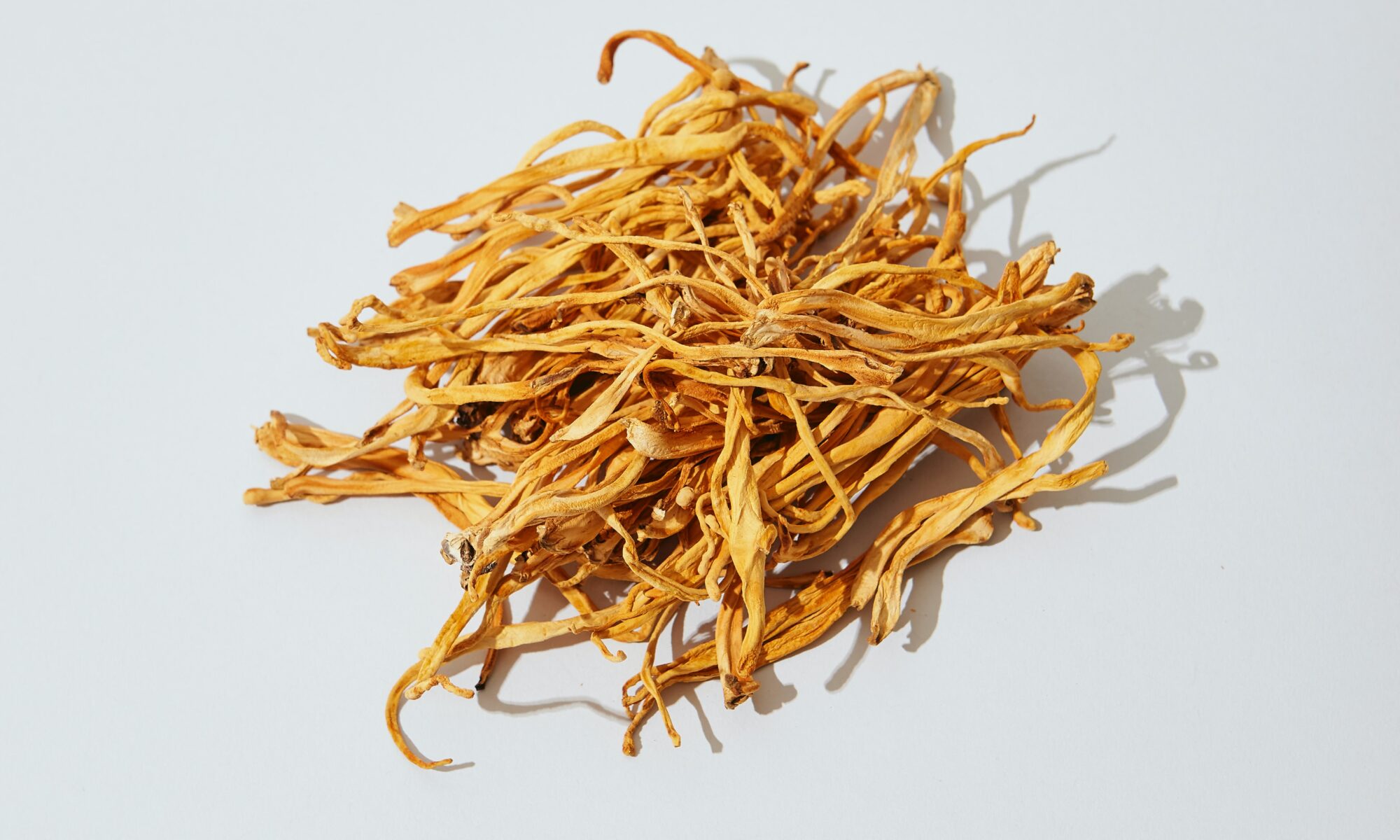
Cordyceps is a type of parasitic fungus that grows on insects. It belongs to the family of Ascomycotina and can be found in various high-altitude regions of Asia, such as Tibet and Bhutan. Cordyceps has long been used in traditional Chinese medicine to treat a variety of health problems, such as fatigue, respiratory diseases, and kidney disorders.

Recent studies have shown that Cordyceps may also have potential benefits for athletes. It has been found to improve oxygen uptake and utilization, which can enhance endurance and performance. Additionally, Cordyceps has been shown to have anti-inflammatory properties, which can aid in post-workout recovery.

While Cordyceps is primarily known for its medicinal properties, it is also used in culinary dishes in some parts of Asia. It is often added to soups, stews, and teas for its unique flavor and potential health benefits.

The History of Cordyceps – From Ancient Chinese Medicine to Modern Science

Cordyceps has been used as a medicinal mushroom for over 2,000 years in China. It is often referred to as the “caterpillar fungus,” which describes its life cycle. When the fungus infects a caterpillar, it feeds on it until the caterpillar dies, and then it grows out of the insect’s body. Chinese healers originally used it to treat lung and kidney problems, and it was also used as a natural tonic for enhancing energy. In modern times, research has been done on cordyceps, showing that it has several potential health benefits.

One of the potential health benefits of cordyceps is its ability to improve athletic performance. Studies have shown that cordyceps can increase oxygen uptake and improve endurance, making it a popular supplement among athletes. Additionally, cordyceps has been found to have anti-inflammatory properties, which may help reduce muscle soreness and improve recovery time after exercise.

Another area of research on cordyceps is its potential to boost the immune system. Some studies have shown that cordyceps can stimulate the production of white blood cells, which are responsible for fighting off infections and diseases. This could make cordyceps a useful supplement for individuals with weakened immune systems or those who are prone to frequent illnesses.

How Cordyceps can Boost Your Immune System and Fight Infections

A healthy immune system is crucial for overall wellbeing, and cordyceps has been shown to have immune-boosting properties. Studies have found that cordyceps can activate specific immune cells, such as natural killer cells and macrophages, which help fight harmful bacteria and viruses. Additionally, cordyceps has been shown to have antiviral and antimicrobial properties, making it a valuable natural remedy for fighting infections.

Furthermore, cordyceps has been found to have anti-inflammatory properties, which can also contribute to a stronger immune system. Chronic inflammation can weaken the immune system and make it more susceptible to infections and diseases. By reducing inflammation, cordyceps can help the immune system function more effectively. This makes cordyceps a promising natural supplement for those looking to improve their overall health and immunity.

Cordyceps and Respiratory Health – Can it Help with Asthma and Bronchitis?

Cordyceps has been used for centuries to manage respiratory diseases in traditional Chinese medicine. It is believed to help improve lung function and relieve symptoms of asthma and bronchitis. Research also suggests that cordyceps may help regulate inflammation in the airways, which can be helpful in managing respiratory diseases.

Recent studies have shown that cordyceps may also have antiviral properties, which could be beneficial in preventing respiratory infections. This is particularly relevant in light of the COVID-19 pandemic, as respiratory viruses can cause severe illness and even death.

In addition to its potential respiratory benefits, cordyceps has also been studied for its effects on athletic performance. Some research suggests that cordyceps may improve oxygen uptake and utilization, which could enhance endurance and reduce fatigue during exercise.

Cordyceps as an Energy Booster – How it Improves Physical Performance and Endurance

Cordyceps is known for its potential to improve physical performance and endurance. It has been used by athletes, particularly in China, to enhance stamina and reduce fatigue. Studies have shown that cordyceps can increase the body’s oxygen uptake, which can improve exercise performance and endurance. Cordyceps can also help improve the metabolism of lactic acid, which can reduce muscle fatigue and soreness.

In addition to its benefits for physical performance, cordyceps has also been found to have potential benefits for the immune system. Research has shown that cordyceps can help stimulate the production of white blood cells, which are important for fighting off infections and diseases. This makes cordyceps a potentially useful supplement for individuals looking to support their immune system.

Furthermore, cordyceps has been found to have potential anti-inflammatory properties. Inflammation is a natural response of the body to injury or infection, but chronic inflammation can contribute to the development of various health conditions. Studies have shown that cordyceps can help reduce inflammation in the body, which may have benefits for individuals with conditions such as arthritis or asthma.

The Role of Cordyceps in Reducing Inflammation and Pain

Inflammation and pain are common problems that can affect your quality of life. Cordyceps has been shown to have anti-inflammatory and analgesic properties, which can help reduce pain and inflammation. It can also help your body produce more antioxidants, which can counteract the harmful effects of free radicals that cause damage to your cells and tissues.

Recent studies have also shown that cordyceps can help improve respiratory function and reduce symptoms of asthma and bronchitis. This is because cordyceps contains compounds that can dilate the bronchial tubes and improve oxygen uptake in the lungs.

Furthermore, cordyceps has been found to have potential benefits for people with diabetes. It can help regulate blood sugar levels and improve insulin sensitivity, which can reduce the risk of complications associated with diabetes such as nerve damage and kidney disease.

Cordyceps for Heart Health – Lowering Blood Pressure and Cholesterol Levels

Heart disease is a leading cause of death worldwide, and managing your heart health is crucial. Cordyceps has potential benefits for heart health, including reducing blood pressure and cholesterol levels. Studies have shown that cordyceps can help lower blood pressure and reduce the risk of cardiovascular disease. It may also help lower LDL (bad) cholesterol levels and increase HDL (good) cholesterol levels.

In addition to its potential benefits for heart health, cordyceps has also been studied for its effects on athletic performance. Some research suggests that cordyceps may improve endurance and oxygen utilization, making it a popular supplement among athletes and fitness enthusiasts. However, more research is needed to fully understand the effects of cordyceps on athletic performance.

Cordyceps for Brain Health – Enhancing Memory, Focus, and Cognitive Function

The brain is the most complex organ in your body, and it requires proper nutrition and care for optimal function. Cordyceps has been shown to have potential benefits for brain health, including enhancing memory, focus, and cognitive function. Studies have found that cordyceps can improve blood flow to the brain, which can improve brain function. It may also help reduce inflammation in the brain, which can lead to improved cognitive function.

In addition to its potential benefits for brain health, cordyceps has also been studied for its potential to boost athletic performance. It has been found to increase oxygen uptake and improve endurance, making it a popular supplement among athletes and fitness enthusiasts. Cordyceps may also have anti-aging properties, as it has been shown to protect against oxidative stress and improve cellular function. Overall, cordyceps is a versatile and promising supplement with a range of potential health benefits.

Cordyceps for Anti-Aging – Its Antioxidant Properties and Benefits for Skin Health

As we age, our body’s natural antioxidant defenses can become less effective, leading to increased cellular damage and aging. Cordyceps has potent antioxidant properties that can help reduce the damage caused by free radicals and oxidative stress. It can also help improve skin health, reducing inflammation and promoting collagen production, which can help improve skin elasticity and reduce the appearance of fine lines and wrinkles.

In addition to its antioxidant properties, cordyceps has been found to have potential benefits for brain health. Studies have shown that cordyceps may help improve cognitive function and memory, as well as reduce symptoms of anxiety and depression. This makes it a promising natural supplement for those looking to support their mental health as they age.

How to Choose the Best Cordyceps Supplement – Factors to Consider

If you’re considering taking a cordyceps supplement, it’s essential to choose a high-quality product. Look for supplements made from organic cordyceps extracts to ensure purity and potency. It’s also important to consider the dosage and follow the manufacturer’s instructions carefully.

Another important factor to consider when choosing a cordyceps supplement is the form in which it is available. Cordyceps supplements are available in various forms, including capsules, powders, and extracts. Capsules are convenient and easy to take, while powders can be added to smoothies or other beverages. Extracts are highly concentrated and may offer more potent benefits. Consider your personal preferences and lifestyle when choosing the form of cordyceps supplement that works best for you.

Potential Side Effects of Cordyceps – Precautions to Take

While cordyceps is generally considered safe, it’s essential to take precautions and be aware of any potential side effects. Some people may experience mild stomach upset or diarrhea when taking cordyceps supplements. It’s also important to consult with your healthcare provider before taking any new supplements, especially if you have underlying health conditions or are taking medications.

In addition to the potential side effects mentioned above, it’s important to note that cordyceps may interact with certain medications, such as blood thinners and immunosuppressants. It’s also important to be cautious when purchasing cordyceps supplements, as they may be contaminated with harmful substances. To ensure the safety and effectiveness of cordyceps supplements, it’s recommended to purchase them from reputable sources and to follow the recommended dosage instructions.

Conclusion – Is Cordyceps Worth Trying for Your Health?

Cordyceps is a fascinating and potentially valuable natural remedy with a long history of use in traditional Chinese medicine. While more research is needed to fully understand its potential benefits, current evidence suggests that cordyceps may have several health benefits, including boosting your immune system, improving physical performance, reducing inflammation and pain, and enhancing brain function. If you’re interested in trying cordyceps for your health, be sure to choose a high-quality supplement and consult with your healthcare provider first.

It’s important to note that cordyceps may interact with certain medications, such as blood thinners and immunosuppressants, so it’s crucial to speak with your doctor before taking it. Additionally, while cordyceps is generally considered safe, some people may experience side effects such as nausea, diarrhea, and dry mouth. As with any supplement, it’s important to start with a low dose and monitor your body’s response.

Discover the Benefits of Copper for Your Health and Well-Being

Copper is a mineral that has been used for centuries for both its functional and aesthetic properties. It’s a versatile metal that has found its way into our daily lives in a variety of ways, from building construction to jewelry making. But did you know that copper is also beneficial for your health and well-being?

The History of Copper and its use in Health

Copper has a long history of use in medicine and healing. The ancient Egyptians, Greeks, and Romans all used copper to treat various ailments. Hippocrates, the father of modern medicine, even recommended copper as a treatment for sore throat and eye infections.

In addition to its use in ancient medicine, copper is still used today in various health applications. Copper-infused fabrics are becoming increasingly popular for their antimicrobial properties, which can help prevent the spread of bacteria and viruses. Copper is also used in some medical devices, such as intrauterine devices (IUDs) and joint replacements, due to its biocompatibility and ability to promote bone growth.

Copper and its Role in the Human Body

Copper is an essential mineral that is necessary for many bodily functions. It helps to form red blood cells, maintains healthy nerve cells, and supports the immune system. Copper also plays a critical role in the formation of collagen, which is necessary for healthy skin, bones, and connective tissue.

In addition to its role in bodily functions, copper has also been found to have antimicrobial properties. Studies have shown that copper surfaces can kill bacteria and viruses, making it a useful material for medical equipment and surfaces in hospitals.

However, it is important to note that too much copper can be harmful to the body. High levels of copper can lead to liver damage, kidney damage, and neurological problems. It is recommended that adults consume no more than 900 micrograms of copper per day.

The Science behind Copper’s Healing Properties

Research has shown that copper has antimicrobial properties, meaning it can kill bacteria and other harmful organisms that can cause infections. Copper also has anti-inflammatory properties, which can help reduce swelling and pain in the body.

Furthermore, copper has been found to have antioxidant properties, which can help protect cells from damage caused by free radicals. This can potentially reduce the risk of developing chronic diseases such as cancer, heart disease, and Alzheimer’s.

Studies have also shown that copper can aid in the production of collagen, a protein that is essential for healthy skin, bones, and connective tissues. This makes copper a popular ingredient in skincare products and supplements aimed at promoting healthy aging.

How Copper can Boost Your Immune System

Copper is essential for the proper functioning of the immune system. It helps to activate white blood cells, which are responsible for fighting off infections and other foreign invaders in the body. A deficiency in copper can lead to a weakened immune system and an increased risk of infections.

In addition to its immune-boosting properties, copper also plays a crucial role in the formation of collagen, a protein that is essential for healthy skin, bones, and connective tissues. Copper is also involved in the production of melanin, the pigment that gives color to our skin, hair, and eyes. Furthermore, copper has been shown to have anti-inflammatory properties, which can help to reduce inflammation in the body and alleviate symptoms of conditions such as arthritis and inflammatory bowel disease.

Enhancing Brain Function with Copper

Copper is also important for brain function. It helps to maintain healthy nerve cells, which are responsible for transmitting messages throughout the body. Research has also shown that copper can help to improve cognitive function and memory.

In addition, copper has been found to have antioxidant properties, which can help to protect the brain from damage caused by free radicals. Free radicals are unstable molecules that can cause oxidative stress, leading to cell damage and inflammation. By neutralizing these free radicals, copper can help to prevent or reduce the risk of neurodegenerative diseases such as Alzheimer’s and Parkinson’s.

The Anti-Inflammatory Properties of Copper

Copper has been shown to have anti-inflammatory properties, which can help reduce inflammation in the body. Inflammation is a natural response to infection or injury, but chronic inflammation can lead to a variety of health problems, including heart disease and cancer. Copper can help to reduce inflammation and promote overall health and well-being.

Studies have also shown that copper can aid in the healing of wounds and injuries. Copper peptides, which are naturally occurring compounds in the body, have been found to promote the production of collagen and elastin, two proteins that are essential for healthy skin and tissue. This can lead to faster healing times and improved overall recovery from injuries.

The Importance of Copper in Collagen Formation

Collagen is a protein that is essential for healthy skin, bones, and connective tissue. Copper plays a critical role in collagen formation, helping to maintain the structural integrity of these vital tissues.

Research has shown that copper deficiency can lead to a decrease in collagen production, which can result in a variety of health issues. For example, a lack of copper can cause skin to become thin and fragile, leading to easy bruising and slow wound healing. Additionally, copper deficiency can weaken bones and increase the risk of fractures.

While copper is an important nutrient for collagen formation, it is important to note that too much copper can be harmful. High levels of copper in the body can lead to toxicity, which can cause symptoms such as nausea, vomiting, and liver damage. Therefore, it is important to maintain a balanced intake of copper through a healthy diet and/or supplements, as recommended by a healthcare professional.

Copper’s Role in Iron Absorption and Transport

Copper is also essential for the absorption and transport of iron throughout the body. Iron is necessary for the production of red blood cells, which carry oxygen to the body’s tissues. Without copper, the body would be unable to properly absorb and transport iron, leading to anemia and other health problems.

In addition to its role in iron absorption and transport, copper also plays a crucial role in maintaining the health of the nervous system. Copper is necessary for the production of myelin, a fatty substance that surrounds and protects nerve fibers. Without enough copper, the nervous system can become damaged, leading to neurological problems such as numbness, tingling, and difficulty with movement.

Copper is also important for maintaining healthy skin and hair. Copper is involved in the production of collagen, a protein that gives skin its elasticity and helps to prevent wrinkles. Copper also helps to maintain the pigmentation of hair, preventing premature graying. A deficiency in copper can lead to dry, brittle hair and skin, as well as skin discoloration.

Copper for Heart Health: A Comprehensive Guide

Copper is important for heart health. It helps to maintain the structural integrity of blood vessels and supports healthy blood pressure. Copper also plays a role in the production of the antioxidant enzyme superoxide dismutase, which helps to protect the heart and other organs from damage caused by free radicals.

In addition to its benefits for heart health, copper is also important for maintaining healthy skin and hair. Copper is involved in the production of melanin, the pigment that gives skin and hair its color. It also helps to promote collagen production, which is essential for maintaining skin elasticity and reducing the appearance of wrinkles. Adequate copper intake can help to prevent premature aging and promote overall skin and hair health.

Using Copper for Arthritis Pain Relief

Copper has been shown to have anti-inflammatory properties, which can help to reduce pain and swelling associated with arthritis. Copper bracelets and other copper-infused products have become popular among those suffering from arthritis, with many finding relief from their symptoms.

However, it is important to note that the effectiveness of copper for arthritis pain relief is still a topic of debate among medical professionals. While some studies have shown positive results, others have found no significant difference between copper-infused products and placebos. It is always best to consult with a healthcare provider before trying any new treatment for arthritis pain.

Incorporating Copper into Your Diet: Foods High in this Essential Mineral

Copper is found in a variety of foods, including leafy green vegetables, nuts, seeds, and grains. Some animal products, such as liver and shellfish, are also high in copper. It’s important to get enough copper in your diet to support overall health and well-being.

In addition to the foods mentioned above, there are other sources of copper that you may not be aware of. For example, dark chocolate is a surprisingly good source of copper, with one ounce providing about 0.9 milligrams of copper. Another source of copper is drinking water that has passed through copper pipes, although the amount of copper in the water can vary depending on the age and condition of the pipes.

While copper is an essential mineral, it’s important to not overdo it. Too much copper can be toxic and lead to health problems. The recommended daily intake of copper for adults is around 900 micrograms per day. If you’re concerned about your copper intake, it’s a good idea to talk to your doctor or a registered dietitian to make sure you’re getting the right amount for your individual needs.

How to Choose the Right Copper Supplements for You

If you’re considering taking copper supplements, it’s important to choose the right ones for your needs. Speak with your healthcare provider to determine if copper supplements are right for you, and choose a reputable brand that has been tested for quality and purity.

It’s also important to consider the dosage of copper supplements. Taking too much copper can be harmful and lead to toxicity. The recommended daily intake of copper for adults is 900 micrograms per day. Your healthcare provider can help you determine the appropriate dosage for your individual needs.

The Benefits of Wearing Copper Jewelry on Your Health and Well-Being

Copper jewelry has become increasingly popular in recent years, with many claiming that wearing copper can have health benefits. While the scientific evidence is limited, some studies have suggested that copper jewelry may help to reduce pain and inflammation in the body. Additionally, copper jewelry can be a stylish way to incorporate this essential mineral into your daily life.

One of the reasons why copper jewelry is believed to have health benefits is due to its ability to conduct electricity. Copper is a natural conductor of electricity, and it is thought that wearing copper jewelry can help to balance the body’s electromagnetic field. This can promote better circulation, reduce stress, and improve overall well-being.

Another benefit of copper jewelry is that it is believed to have antimicrobial properties. Copper has been shown to be effective against a wide range of bacteria and viruses, and it is thought that wearing copper jewelry can help to reduce the risk of infection. This is particularly important in today’s world, where the spread of infectious diseases is a major concern.

The Safety and Side Effects of Using Copper as a Health Supplement

While copper is generally considered safe when taken in recommended doses, excessive intake of copper can lead to health problems, such as liver damage and neurological issues. It’s important to speak with your healthcare provider before taking copper supplements, and to follow the recommended dosages carefully.

Copper is a versatile and essential mineral that has a wide range of health benefits. From boosting the immune system to promoting healthy skin and bones, copper plays a critical role in overall health and well-being. Whether you’re incorporating copper into your diet or considering copper supplements, speak with your healthcare provider to determine the best approach for your needs.

In addition to its health benefits, copper has also been used for centuries for its antimicrobial properties. Copper has been shown to kill bacteria and viruses on contact, making it a popular material for use in hospitals and other healthcare settings. Copper surfaces have been found to reduce the spread of infections, such as MRSA, and may be a useful tool in preventing the spread of diseases.

However, it’s important to note that copper can interact with other medications and supplements, so it’s important to speak with your healthcare provider before taking copper supplements if you are currently taking any other medications or supplements. Additionally, copper can be toxic in high doses, so it’s important to follow recommended dosages and not exceed the recommended daily intake of copper.

Discover the Incredible Benefits of Convolvulus Pluricaulis

Convolvulus Pluricaulis

Are you looking for a natural supplement with numerous health benefits? Look no further than Convolvulus Pluricaulis. This herb has been used for centuries in traditional medicine for its impressive array of health benefits.

What is Convolvulus Pluricaulis and How Does it Work?

Convolvulus Pluricaulis is a perennial herb found in India and Southeast Asia. Its name comes from the Latin word “convolvulus,” meaning “to roll together,” referring to the vine-like appearance of the plant. The herb has numerous active compounds, including convolamine, convoline, and phyllabine.

Convolvulus Pluricaulis works by enhancing the functioning of the nervous system and reducing inflammation in the body. It is commonly used to improve mental health, respiratory health, and blood sugar levels.

Recent studies have also shown that Convolvulus Pluricaulis has potential anti-cancer properties. The herb contains flavonoids and alkaloids that have been found to inhibit the growth of cancer cells and induce apoptosis, or programmed cell death, in cancer cells. However, more research is needed to fully understand the anti-cancer effects of Convolvulus Pluricaulis.

The History of Convolvulus Pluricaulis and Its Use in Traditional Medicine

Convolvulus Pluricaulis has been used in traditional Ayurvedic medicine for centuries. Historically, the herb was used to improve memory, cognitive function, and overall mental health. It was also used to treat respiratory conditions such as asthma and bronchitis.

Today, Convolvulus Pluricaulis is still used as a natural remedy for a wide range of health issues. Its benefits have been studied extensively in modern research, confirming its effectiveness and safety.

Recent studies have shown that Convolvulus Pluricaulis may also have potential benefits for the treatment of anxiety and depression. The herb has been found to have anxiolytic and antidepressant effects, which may be attributed to its ability to regulate neurotransmitters in the brain. Additionally, Convolvulus Pluricaulis has been shown to have antioxidant properties, which can help protect the body against oxidative stress and inflammation.

How to Identify and Harvest Convolvulus Pluricaulis

Convolvulus Pluricaulis is a low-growing herb with small blue or white flowers. It grows best in sandy, well-drained soil and requires moderate watering. The herb is typically harvested in the early morning when the dew has dried.

The plant’s roots and stems are the primary sources of its active compounds. These are typically dried and ground into a powder for use in supplements and herbal remedies.

It is important to note that Convolvulus Pluricaulis is a highly valued herb in Ayurvedic medicine, where it is known as Shankhapushpi. It is believed to have a range of health benefits, including improving memory and cognitive function, reducing anxiety and stress, and promoting restful sleep. Due to its popularity, the herb is now being cultivated in many parts of India to meet the growing demand for its medicinal properties.

The Active Compounds in Convolvulus Pluricaulis and Their Health Benefits

The primary active compounds in Convolvulus Pluricaulis are convolamine, convoline, and phyllabine. These compounds work together to enhance the functioning of the nervous system and reduce inflammation in the body.

The herb has numerous health benefits, including improving mental health, reducing stress and anxiety, and improving respiratory health. It has also been shown to have anti-inflammatory properties and may be helpful in managing conditions such as arthritis and diabetes.

Recent studies have also suggested that Convolvulus Pluricaulis may have potential as a natural treatment for Alzheimer’s disease. The herb has been found to improve cognitive function and memory in animal studies, and further research is being conducted to explore its potential as a therapeutic agent for Alzheimer’s patients.

Convolvulus Pluricaulis for Mental Health: Reducing Stress, Anxiety, and Depression

Research has shown that Convolvulus Pluricaulis may be effective in reducing stress, anxiety, and depression. The herb works by regulating the levels of various neurotransmitters in the brain, such as serotonin, dopamine, and GABA, which play a key role in mood regulation.

The herb may also improve cognitive function and memory, making it a useful supplement for those looking to enhance their overall mental performance.

Additionally, Convolvulus Pluricaulis has been found to have antioxidant properties, which can help protect the brain from oxidative stress and damage. This may be particularly beneficial for individuals who are at risk for neurodegenerative diseases, such as Alzheimer’s and Parkinson’s.

The Anti-inflammatory Properties of Convolvulus Pluricaulis: Can it Help with Arthritis and Other Inflammatory Conditions?

Convolvulus Pluricaulis has been shown to have anti-inflammatory properties, making it a useful supplement for managing conditions such as arthritis, asthma, and other inflammatory disorders. The herb works by reducing the levels of inflammatory cytokines in the body, which can help to alleviate symptoms such as joint pain and swelling.

Recent studies have also suggested that Convolvulus Pluricaulis may have neuroprotective effects, which could make it a potential treatment option for neurological disorders such as Alzheimer’s disease and Parkinson’s disease. The herb has been shown to protect brain cells from oxidative stress and inflammation, which are both factors that contribute to the development of these conditions.

In addition to its anti-inflammatory and neuroprotective properties, Convolvulus Pluricaulis has also been used traditionally in Ayurvedic medicine to improve cognitive function and memory. Some studies have supported these claims, showing that the herb can enhance learning and memory in animal models. However, more research is needed to determine its effectiveness in humans.

Convolvulus Pluricaulis for Respiratory Health: Fighting Colds, Flu, and Asthma

The herb has traditionally been used to treat respiratory conditions such as asthma and bronchitis. Its anti-inflammatory properties and ability to enhance the functioning of the respiratory system make it a useful supplement for managing respiratory health issues. It may also help to alleviate symptoms of the common cold and flu.

Recent studies have also shown that Convolvulus Pluricaulis may have a positive effect on reducing the severity of symptoms in individuals with chronic obstructive pulmonary disease (COPD). This is due to its ability to improve lung function and reduce inflammation in the airways. Additionally, the herb has been found to have antioxidant properties, which can help to protect the respiratory system from damage caused by environmental pollutants and toxins.

Can Convolvulus Pluricaulis Improve Brain Function and Memory?

Research has shown that Convolvulus Pluricaulis may be effective in improving cognitive function and memory. The herb works by enhancing the functioning of the nervous system and balancing levels of neurotransmitters in the brain. This can improve overall mental performance and memory recall.

Additionally, Convolvulus Pluricaulis has been found to have antioxidant properties, which can protect the brain from oxidative stress and damage caused by free radicals. This may also contribute to its potential cognitive benefits.

The Role of Convolvulus Pluricaulis in Managing Diabetes and Blood Sugar Levels

Convolvulus Pluricaulis has been shown to have a positive effect on blood sugar levels, making it a useful supplement for managing diabetes. The herb works by improving insulin sensitivity and reducing glucose absorption in the body.

In addition to its benefits for managing diabetes, Convolvulus Pluricaulis has also been found to have neuroprotective properties. Studies have shown that the herb can help protect the brain from oxidative stress and inflammation, which are both linked to neurodegenerative diseases such as Alzheimer’s and Parkinson’s.

Furthermore, Convolvulus Pluricaulis has been used in traditional Ayurvedic medicine to improve cognitive function and memory. Recent research has supported these claims, with studies showing that the herb can enhance learning and memory in both animals and humans.

Potential Side Effects, Precautions, and Interactions of Convolvulus Pluricaulis

While Convolvulus Pluricaulis is generally safe and well-tolerated, it may cause mild side effects such as headache, dizziness, and upset stomach. It is recommended that pregnant or breastfeeding women and those taking certain medications consult with a healthcare professional before using the herb.

Additionally, some individuals may experience an allergic reaction to Convolvulus Pluricaulis, which can cause symptoms such as rash, itching, and difficulty breathing. If you experience any of these symptoms after using the herb, seek medical attention immediately.

It is also important to note that Convolvulus Pluricaulis may interact with certain medications, including sedatives and blood thinners. If you are taking any medications, it is important to speak with your healthcare provider before using Convolvulus Pluricaulis to avoid any potential interactions.

How to Incorporate Convolvulus Pluricaulis into Your Daily Routine

Convolvulus Pluricaulis can be consumed in supplement form or added to herbal teas and tinctures. It is important to purchase high-quality products from reputable sources.

If you are considering adding Convolvulus Pluricaulis to your daily routine, it is recommended that you start with a low dose and gradually increase as needed. Always follow the manufacturer’s recommended dosage instructions.

It is also important to note that Convolvulus Pluricaulis should not be used as a substitute for prescribed medication or medical treatment. If you have any underlying health conditions or are taking medication, it is recommended that you consult with your healthcare provider before incorporating Convolvulus Pluricaulis into your daily routine.

Where to Find High-Quality Convolvulus Pluricaulis Products

Convolvulus Pluricaulis can be found at health food stores, herbal shops, and online retailers. It is important to purchase from reputable sources and to read product reviews before making a purchase.

When purchasing Convolvulus Pluricaulis products, it is important to check the label for the plant’s scientific name, as it may be listed under different common names. Additionally, it is recommended to choose products that are certified organic to ensure that they are free from harmful pesticides and chemicals.

It is also worth noting that Convolvulus Pluricaulis is a popular ingredient in Ayurvedic medicine, and can often be found in specialty Ayurvedic shops. These shops may also offer consultations with Ayurvedic practitioners who can provide personalized recommendations for using Convolvulus Pluricaulis and other herbs for specific health concerns.

Conclusion: Is Convolvulus Pluricaulis Right for You?

Convolvulus Pluricaulis is a highly versatile herb with numerous health benefits. Its effectiveness in managing a wide range of health issues has been validated by both traditional and modern research. While it may not be suitable for everyone, it is worthwhile considering as a natural supplement for those looking to improve their overall health and wellbeing.

It is important to note that while Convolvulus Pluricaulis is generally considered safe, it may interact with certain medications or have adverse effects in individuals with certain medical conditions. As with any supplement, it is recommended to consult with a healthcare professional before adding it to your routine. Additionally, it is important to purchase from a reputable source and follow recommended dosages to ensure safety and effectiveness.

Discover the Benefits of Conjugated Linoleic Acid

Conjugated linoleic acid (CLA) is a type of naturally occurring fatty acid that is well-known for its numerous health benefits. In this article, we will explore the benefits of this fatty acid in detail and discuss how it can improve heart health, boost immunity, and aid in weight loss.

What is Conjugated Linoleic Acid (CLA)?

CLA is a type of polyunsaturated fatty acid that is primarily found in meat and dairy products, particularly in grass-fed animals such as beef and lamb. It is a group of isomers of linoleic acid, which is an essential omega-6 fatty acid that the body cannot produce on its own, hence it must be obtained through diet.

Studies have shown that CLA may have potential health benefits, such as reducing inflammation, improving insulin sensitivity, and aiding in weight loss. However, more research is needed to fully understand its effects on human health. Additionally, it is important to note that consuming high amounts of CLA through supplements may have negative side effects, such as liver damage and increased inflammation.

How Does Conjugated Linoleic Acid Work?

The mechanisms behind how CLA works are still not fully understood. However, research has shown that it works by inhibiting the activity of an enzyme called lipoprotein lipase, which plays a critical role in fat storage. This leads to a reduction in body fat and an increase in lean muscle mass. CLA has also been found to promote the activity of enzymes that promote the breakdown of fat cells, which further contributes to a reduction in body fat.

Additionally, CLA has been shown to have anti-inflammatory properties and may help improve insulin sensitivity. Some studies have also suggested that CLA may have a positive effect on cholesterol levels and cardiovascular health. However, more research is needed to fully understand the extent of these potential benefits.

The Role of Conjugated Linoleic Acid in Weight Loss

CLA has been extensively studied for its role in weight loss. Several studies have demonstrated that supplementation with CLA can lead to a reduction in body fat mass, especially in overweight and obese individuals. Additionally, CLA has been shown to reduce appetite, increase metabolism, and increase energy expenditure, which all contribute to promoting weight loss.

Furthermore, CLA has been found to have other health benefits beyond weight loss. It has been shown to have anti-inflammatory properties, which can help reduce the risk of chronic diseases such as heart disease and diabetes. CLA has also been linked to improved immune function and a reduced risk of certain types of cancer. While more research is needed to fully understand the extent of these benefits, it is clear that CLA can have a positive impact on overall health in addition to aiding in weight loss.

The Anti-Cancer Properties of Conjugated Linoleic Acid

In addition to its benefits for weight loss, CLA has also been found to possess anti-cancer properties. Studies have shown that CLA can inhibit the growth of many types of cancer cells, including breast, prostate, and colorectal cancer cells. CLA works by inducing cancer cell death, inhibiting cancer cell proliferation, and reducing the formation of blood vessels that supply nutrients to cancer cells.

Furthermore, CLA has been found to enhance the immune system’s ability to fight cancer. It does this by increasing the production of natural killer cells, which are responsible for identifying and destroying cancer cells. This makes CLA a promising supplement for cancer patients undergoing chemotherapy or radiation therapy, as it may help to boost their immune system and improve treatment outcomes.

Recent research has also suggested that CLA may have a protective effect against certain types of cancer. A study published in the International Journal of Cancer found that women with higher levels of CLA in their breast tissue had a lower risk of developing breast cancer. Similarly, a study in the Journal of Nutrition found that higher CLA intake was associated with a lower risk of colorectal cancer in women.

How Conjugated Linoleic Acid Can Improve Heart Health

CLA has been shown to have a positive impact on heart health by reducing the risk of developing cardiovascular disease. This is due to its ability to reduce cholesterol levels, lower blood pressure, and prevent the formation of arterial plaques. CLA has also been found to possess anti-inflammatory properties, which help to protect against heart disease.

In addition to its heart-healthy benefits, CLA has also been studied for its potential to aid in weight loss. Some studies have shown that CLA supplementation can lead to a reduction in body fat and an increase in lean muscle mass. However, more research is needed to fully understand the effects of CLA on weight loss.

The Role of Conjugated Linoleic Acid in Reducing Inflammation

CLA has been shown to possess potent anti-inflammatory properties, which can help to reduce inflammation throughout the body. This is important as chronic inflammation has been linked to numerous health problems, including heart disease, cancer, and arthritis. CLA works by inhibiting the production of pro-inflammatory compounds, such as cytokines and chemokines, which contribute to inflammation.

In addition to its anti-inflammatory properties, CLA has also been found to have potential benefits for weight loss. Studies have shown that CLA supplementation can lead to a reduction in body fat mass, particularly in the abdominal area. This may be due to CLA’s ability to increase the body’s metabolic rate and promote the breakdown of fat cells.

Furthermore, CLA has been investigated for its potential role in improving immune function. Research has suggested that CLA may enhance the activity of immune cells, such as natural killer cells and T cells, which play a crucial role in fighting off infections and diseases. This could have important implications for individuals with weakened immune systems or those at risk of infections.

How Conjugated Linoleic Acid Can Boost Immunity

CLA has also been found to have a positive impact on the immune system. Studies have shown that CLA can increase the production of white blood cells, which are important for fighting off infections and disease. Additionally, CLA has been shown to possess anti-inflammatory properties, which help to reduce inflammation throughout the body and boost immune function.

Furthermore, research has suggested that CLA may also enhance the body’s ability to produce antibodies, which are proteins that help to identify and neutralize harmful pathogens. This means that consuming foods or supplements that contain CLA may help to improve overall immune function and reduce the risk of infections and illnesses.

The Best Food Sources of Conjugated Linoleic Acid

The best food sources of CLA are found in meat and dairy products, particularly in grass-fed animals. Some of the best sources of CLA include beef, lamb, cheese, and butter. However, it is important to remember that these foods should be consumed in moderation as they can be high in saturated fat and calories.

It is also worth noting that CLA supplements are available for those who may not consume enough CLA through their diet. However, it is important to consult with a healthcare professional before taking any supplements, as they may interact with other medications or have potential side effects.

How to Supplement with Conjugated Linoleic Acid Safely and Effectively

CLA is available in supplement form, which is a convenient and effective way to supplement with this fatty acid. However, it is important to ensure that you are choosing a high-quality supplement from a reputable manufacturer. It is also important to follow the recommended dosage and speak to your healthcare provider before beginning any new supplement regimen.

In conclusion, CLA is a powerful fatty acid that offers numerous health benefits, including weight loss, improved heart health, and reduced inflammation. Incorporating CLA-rich foods into your diet or supplementing with CLA can help to support your overall health and well-being.

One of the most common sources of CLA is grass-fed beef. This is because cows that are fed grass instead of grains have higher levels of CLA in their meat. Other sources of CLA include dairy products, such as cheese and butter, as well as certain types of mushrooms.

It is important to note that while CLA supplements are generally considered safe, they may interact with certain medications, such as blood thinners. It is always best to speak with your healthcare provider before beginning any new supplement regimen, especially if you are taking medication or have a pre-existing medical condition.