Maca: Benefits, Side Effects, and Dosage

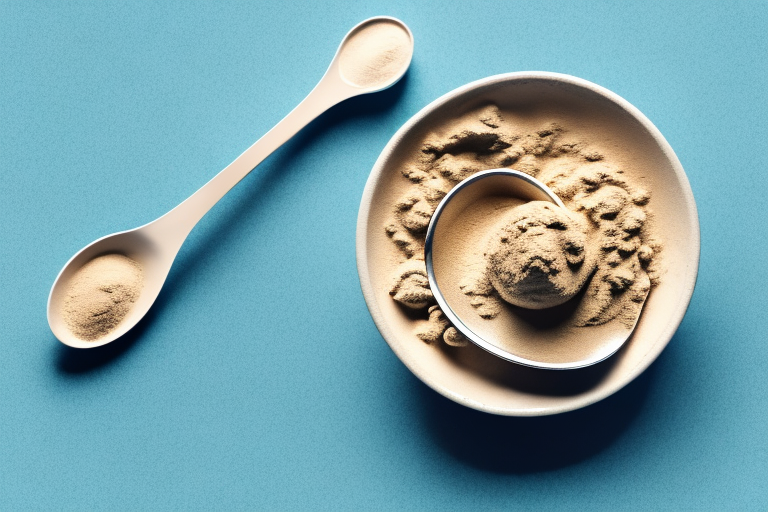
A bowl of maca powder with a spoon beside it

Maca root has been used for centuries as a medicinal herb, and recent studies have shown it to have a range of health benefits. In this article, we will explore what maca is, its history, and the potential benefits it can offer. We will also look at how maca works in the body, potential side effects, dosage recommendations for safe and effective use, and how to incorporate maca in your diet.

What is Maca?

Maca is a plant that grows in the Andes mountains in South America, specifically in Peru. It is part of the brassicaceae family, which also includes other popular vegetables such as broccoli and cauliflower. Maca root is the part of the plant that is harvested and used for its many health benefits.

Maca has been used for centuries in traditional medicine for its various health benefits. It is believed to boost energy levels, improve mood, and enhance fertility. In recent years, maca has gained popularity as a superfood and is now widely available in health food stores and online.

There are different types of maca, including yellow, red, and black. Each type has its own unique properties and is used for different purposes. Yellow maca is the most common and is known for its energy-boosting effects, while red maca is believed to improve prostate health. Black maca is the rarest and is said to have the most potent health benefits.

The History of Maca

The indigenous people of Peru have been using maca for thousands of years, and it has been a dietary staple in their culture for just as long. Maca was even used as a form of currency in ancient times. The root was thought to impart strength and vitality, and to have aphrodisiac properties. In recent years, the use of maca root as a dietary supplement has become more popular worldwide.

Studies have shown that maca root may have potential health benefits, such as improving fertility, reducing symptoms of menopause, and boosting energy levels. It is also rich in vitamins and minerals, including vitamin C, copper, and iron. Maca root can be consumed in various forms, such as powder, capsules, or added to smoothies and baked goods. However, it is important to note that more research is needed to fully understand the effects of maca root on human health.

What are the Health Benefits of Maca?

Maca has a range of potential health benefits, including hormonal balance, increased energy and stamina, increased libido and fertility, and improved mood and cognitive function. It has also been studied for its potential benefits in bone health and managing menopausal symptoms.

Additionally, maca has been found to have antioxidant properties, which can help protect the body against damage from free radicals. Free radicals are unstable molecules that can cause damage to cells and contribute to the development of chronic diseases such as cancer and heart disease. Maca’s antioxidant properties may also help reduce inflammation in the body, which is a key factor in many chronic diseases.

How Does Maca Work in the Body?

Maca contains several active compounds that can affect various physiological functions in the body. One of the main compounds, macamides and macaenes, have been shown to have potential aphrodisiac effects and may contribute to increased energy and endurance. Other compounds, such as glucosinolates, may help balance hormones.

Additionally, maca has been found to contain high levels of antioxidants, which can help protect the body against oxidative stress and damage caused by free radicals. Some studies have also suggested that maca may have neuroprotective properties and could potentially improve cognitive function. However, more research is needed to fully understand the mechanisms behind these effects.

Maca for Hormonal Balance

Maca may help regulate hormonal balance in the body. Specifically, it may have a positive effect on estrogen and testosterone levels in both men and women. This can lead to a range of potential benefits, including improved mood, increased energy, and improved sexual function.

Additionally, maca has been found to have potential benefits for women experiencing menopause. It may help alleviate symptoms such as hot flashes, night sweats, and mood swings. Maca may also support bone health during menopause, as it has been shown to increase bone density in postmenopausal women.

Furthermore, maca has been studied for its potential effects on fertility. Some research suggests that it may improve sperm count and motility in men, and increase the likelihood of ovulation in women. However, more research is needed in this area to fully understand the effects of maca on fertility.

Maca for Boosting Energy and Stamina

Maca has long been used as a natural energy booster and may help improve stamina. This is especially beneficial for athletes and those who engage in physical activity regularly. Maca may increase endurance and can help improve performance during exercise.

In addition to its energy-boosting properties, maca has also been shown to have potential benefits for hormonal balance. Some studies suggest that maca may help regulate hormones such as estrogen, progesterone, and testosterone, which can be especially helpful for women experiencing menopause or menstrual irregularities.

Furthermore, maca is a good source of several important nutrients, including vitamin C, copper, and iron. These nutrients are essential for maintaining a healthy immune system, promoting healthy skin, and supporting the production of red blood cells.

Maca for Increased Libido and Fertility

Maca has been studied for its potential aphrodisiac effects. It may help increase libido in both men and women, as well as improve fertility in men. Maca has been shown to improve the quality and quantity of sperm in men, which can potentially increase their chances of fathering a child.

In addition to its potential benefits for libido and fertility, maca has also been studied for its potential effects on mood and energy levels. Some studies suggest that maca may help improve symptoms of depression and anxiety, as well as increase energy and endurance.

Furthermore, maca is a good source of several important nutrients, including vitamin C, copper, and iron. These nutrients are essential for overall health and can help support immune function, improve skin health, and reduce the risk of chronic diseases.

Maca for Mood and Cognitive Function

Maca may help improve mood and cognitive function. Specifically, it may help reduce symptoms of anxiety and depression, as well as improve memory and concentration. Maca has also been shown to have neuroprotective properties, which may help prevent cognitive decline as we age.

Additionally, maca has been found to have potential benefits for sexual function and fertility. Some studies suggest that maca may help increase libido and improve erectile dysfunction in men. In women, maca may help regulate menstrual cycles and improve fertility. However, more research is needed to fully understand these effects.

Maca for Bone Health

Maca may have potential benefits for bone health. It contains several minerals that are important for bone health, including calcium, magnesium, and potassium. Additionally, maca has been shown to increase bone density in animal studies, which may have implications for human bone health as well.

Furthermore, maca has been found to have anti-inflammatory properties, which can also contribute to better bone health. Inflammation can lead to bone loss and weaken bones, so reducing inflammation can help maintain strong bones.

Another potential benefit of maca for bone health is its ability to balance hormones. Hormonal imbalances can lead to bone loss, especially in women during menopause. Maca has been shown to regulate hormones, which may help prevent bone loss and maintain bone density.

Maca for Managing Menopause Symptoms

Maca may be helpful in managing menopausal symptoms. It has been shown to reduce hot flashes and night sweats in menopausal women and may also improve mood and sexual function.

Potential Side Effects of Maca Consumption

While maca is generally considered safe, some people may experience side effects when consuming it. These may include stomach upset, headaches, and insomnia. Additionally, maca may interact with certain medications, so it is important to speak with your healthcare provider before taking it.

It is also important to note that maca may have hormonal effects on the body. Some studies have suggested that it may increase levels of estrogen and testosterone, which could be beneficial for some individuals but may also have negative effects for others. Therefore, it is recommended that individuals with hormone-sensitive conditions, such as breast cancer or prostate cancer, should avoid consuming maca or speak with their healthcare provider before doing so.

Dosage Recommendations for Safe and Effective Use of Maca

The appropriate dosage of maca can vary depending on the individual and the reason for use. However, most studies have used doses of 1,500-3,000 mg per day. It is important to start with a low dose of maca and gradually increase it to avoid potential side effects.

It is also recommended to take maca with food to improve absorption and reduce the risk of gastrointestinal discomfort. Additionally, it is important to note that maca may interact with certain medications, such as those used to treat thyroid disorders, and should not be taken without consulting a healthcare provider.

While maca is generally considered safe, some individuals may experience side effects such as headaches, nausea, and insomnia. If these symptoms persist or worsen, it is important to discontinue use and seek medical attention. Overall, maca can be a beneficial supplement for improving energy, mood, and sexual function when used appropriately and under the guidance of a healthcare professional.

How to Incorporate Maca into Your Diet

Maca can be consumed in a variety of ways, including as a powder or in supplement form. The powder can be added to smoothies, yogurt, or oatmeal. Maca supplements are also available in pill form. It is important to choose high-quality maca products to ensure their safety and effectiveness.

Additionally, maca can also be used as a natural sweetener in baking. You can substitute maca powder for sugar in recipes such as cookies, cakes, and muffins. This not only adds a unique flavor to your baked goods, but also provides the added health benefits of maca.

Choosing the Right Type of Maca for Your Needs

There are several different types of maca available, including yellow, red, and black maca. Each type has slightly different properties and potential health benefits. For example, yellow maca is typically consumed for its energy-boosting properties, while black maca is believed to have the strongest aphrodisiac effects. It is important to choose the right type of maca for your specific needs and goals.

In conclusion, maca root has a range of potential health benefits and can be a valuable addition to a healthy diet and lifestyle. However, it is important to speak with your healthcare provider before taking it, especially if you are pregnant, breastfeeding, or taking medication. With the right dosage and proper use, maca can offer many potential benefits to improve your overall health and well-being.

When choosing the right type of maca for your needs, it is also important to consider the form in which it is consumed. Maca is available in various forms, including powder, capsules, and extracts. Powdered maca can be added to smoothies or baked goods, while capsules offer a convenient way to take maca on-the-go. Maca extracts are more concentrated and may offer stronger effects, but should be used with caution and under the guidance of a healthcare professional.


Lysine: Benefits, Side Effects, and Dosage

A molecular structure of the amino acid lysine

Lysine is an essential amino acid that plays a vital role in many functions in the body. As the body cannot produce lysine on its own, it must be obtained through the diet or supplements. In this article, we will explore the benefits, side effects, and recommended dosage of lysine, along with its potential risks and food sources.

What is Lysine and How Does it Work in the Body?

Lysine is one of the 20 amino acids that our body needs to function properly. It is particularly essential for the proper growth and development of the body, especially in children. Lysine plays a role in many physiological processes, including the synthesis of protein, the production of enzymes and hormones, and the absorption of calcium. It is also necessary for the body’s immune function and wound healing processes.

Research has shown that lysine may also have antiviral properties, particularly against the herpes simplex virus. This is because lysine competes with another amino acid, arginine, which the herpes virus needs to replicate. By increasing lysine intake, it may be possible to reduce the frequency and severity of herpes outbreaks.

While lysine is found in many foods, including meat, fish, and dairy products, some people may not get enough lysine in their diet. This is particularly true for vegetarians and vegans, who may need to supplement their diet with lysine to ensure they are getting enough of this essential amino acid.

The Role of Lysine in Protein Synthesis

Lysine is essential for protein synthesis, which is the process by which amino acids are linked together to form proteins. It is also important in the formation of collagen, which helps keep our skin elastic and healthy. Lysine works by forming part of the peptide bonds that link amino acids together, ultimately leading to the formation of functional proteins in the body.

In addition to its role in protein synthesis and collagen formation, lysine has also been found to have antiviral properties. Studies have shown that lysine can help prevent the replication of certain viruses, such as herpes simplex virus. This is because lysine competes with another amino acid, arginine, which is needed for the replication of these viruses. By increasing lysine intake, it is possible to reduce the frequency and severity of herpes outbreaks.

Lysine Deficiency and its Health Implications

A deficiency in lysine can lead to several health issues, such as impaired immunity, slow growth and development, and anemia. Some symptoms of lysine deficiency include fatigue, dizziness, and decreased appetite. People who follow a vegan or vegetarian diet may be particularly susceptible to lysine deficiency, as many plant-based sources of protein are lower in lysine.

However, lysine deficiency is not limited to vegans and vegetarians. In fact, people who consume a diet high in processed foods and low in whole foods may also be at risk of lysine deficiency. This is because processed foods often lack the essential amino acids, including lysine, that are necessary for optimal health.

Fortunately, lysine deficiency can be easily prevented by consuming a balanced diet that includes a variety of protein sources. Animal-based sources of protein, such as meat, fish, and dairy, are generally high in lysine. For those who follow a plant-based diet, incorporating lysine-rich foods such as legumes, quinoa, and soy products can help ensure adequate lysine intake.

Top Food Sources of Lysine

Some of the best dietary sources of lysine include animal protein sources such as meat, dairy, and eggs, as well as legumes, nuts, and seeds. Some of the top food sources of lysine include chicken, beef, fish, cheese, tofu, lentils, and pumpkin seeds. It is essential to ensure that your diet includes enough lysine-rich foods to meet your daily requirements.

Additionally, lysine is also found in certain fruits and vegetables such as avocados, apricots, mangoes, and potatoes. However, the amount of lysine in these plant-based sources is generally lower compared to animal-based sources. It is important for vegetarians and vegans to ensure they are consuming enough lysine-rich plant-based foods or consider taking a lysine supplement to meet their daily requirements.

How Much Lysine Do You Need Daily?

The recommended daily intake of lysine varies depending on age, sex, and physical activity level. For adults, the recommended daily intake of lysine is between 700mg to 3000mg per day. Athletes and people who engage in high-intensity physical activity may require higher amounts of lysine to support muscle recovery and growth.

It is important to note that lysine is an essential amino acid, which means that the body cannot produce it on its own and it must be obtained through diet or supplements. Good dietary sources of lysine include meat, fish, dairy products, and legumes.

However, some people may have difficulty getting enough lysine through their diet alone, especially if they follow a vegetarian or vegan diet. In these cases, lysine supplements may be recommended to ensure adequate intake.

The Benefits of Lysine for Immune Function

One of the primary benefits of lysine is its ability to support immune function. It helps the body produce antibodies that fight off infections and viruses. Lysine can also help prevent cold sores caused by the herpes simplex virus and reduce the severity and duration of outbreaks. Studies have also shown that lysine may help boost the effectiveness of antiviral medications.

In addition to its immune-boosting properties, lysine has also been found to have potential benefits for skin health. It is an essential amino acid that plays a crucial role in the production of collagen, which is a protein that gives skin its elasticity and firmness. Lysine may also help reduce inflammation in the skin and promote wound healing. Some studies have suggested that lysine supplements may be effective in treating acne and improving overall skin appearance.

Lysine’s Role in Wound Healing and Tissue Repair

Lysine is an essential nutrient for the growth and repair of tissues in the body. It plays a crucial role in the formation of collagen, which is an essential component of connective tissue. Lysine supplementation has been shown to improve wound healing and reduce the time required for tissue repair.

In addition to its role in wound healing and tissue repair, lysine has also been found to have antiviral properties. It has been shown to inhibit the replication of certain viruses, including herpes simplex virus (HSV) and human immunodeficiency virus (HIV). This makes lysine a potential treatment option for viral infections, although more research is needed to fully understand its effectiveness.

The Effectiveness of Lysine for Cold Sores and Herpes Treatment

Lysine has been shown to be effective in managing cold sores caused by the herpes virus. It works by inhibiting the growth of the virus and reducing the severity and frequency of outbreaks. While lysine is not a cure for herpes virus, it can be a useful tool in managing outbreaks and reducing symptoms.

Studies have also shown that lysine can help boost the immune system, which can be beneficial for those with herpes virus. Additionally, lysine can be found in many foods such as meat, fish, and dairy products, making it easy to incorporate into a balanced diet. However, it is important to note that taking high doses of lysine supplements can have negative side effects, such as stomach pain and diarrhea. It is recommended to speak with a healthcare provider before starting any lysine supplement regimen.

Can Lysine Help with Anxiety and Stress Reduction?

There is some preliminary evidence that lysine may help reduce anxiety and stress levels. Studies have shown that lysine supplementation may help reduce cortisol levels in the body, which is a hormone associated with stress and anxiety. However, more research is needed in this area to determine the effectiveness of lysine for anxiety and stress reduction.

It is important to note that lysine should not be used as a sole treatment for anxiety or stress. It is always recommended to speak with a healthcare professional before starting any new supplement regimen. Additionally, lysine may interact with certain medications, so it is important to disclose all supplements and medications being taken to a healthcare provider.

Potential Side Effects and Risks of Taking Lysine Supplements

While lysine is generally safe for most people, there are some potential side effects and risks associated with taking lysine supplements. Some people may experience gastrointestinal issues such as nausea, abdominal cramps, and diarrhea. Very high doses of lysine can also lead to hyperlysinemia, which is a rare condition characterized by elevated levels of lysine in the blood. People with kidney or liver problems should consult their healthcare provider before taking lysine supplements.

It is important to note that lysine supplements may interact with certain medications. For example, taking lysine supplements with antibiotics or antiviral medications may increase the risk of kidney damage. Additionally, lysine supplements may interact with calcium supplements, which can lead to an increased risk of developing kidney stones.

While lysine is often used to treat cold sores and other viral infections, there is limited scientific evidence to support its effectiveness. Some studies have shown that lysine supplements may help reduce the frequency and severity of cold sores, but more research is needed to confirm these findings. It is important to talk to your healthcare provider before taking lysine supplements to determine if they are right for you.

How to Choose the Right Type of Lysine Supplement

Lysine supplements are available in various forms, including capsules, tablets, and powders. It is essential to choose a high-quality supplement from a reputable manufacturer to ensure its safety and efficacy. Look for supplements that are free from harmful additives and fillers and follow the recommended dosage guidelines on the label.

When choosing a lysine supplement, it is also important to consider the form of lysine used in the supplement. L-lysine is the natural form of lysine that is found in food and is the most effective form for supplementation. D-lysine, on the other hand, is a synthetic form of lysine that is not as effective as L-lysine. Make sure to check the label of the supplement to ensure that it contains L-lysine.

Another factor to consider when choosing a lysine supplement is the dosage. The recommended dosage of lysine varies depending on the reason for taking the supplement. For example, the recommended dosage for preventing cold sores may be different from the recommended dosage for treating herpes. It is important to consult with a healthcare professional to determine the appropriate dosage for your specific needs.

Tips for Incorporating More Lysine into Your Diet

If you are looking to increase your intake of lysine through dietary sources, some simple tips can help. Add more lysine-rich foods to your diet, such as chicken, cheese, and legumes. You can also try adding a lysine supplement to your daily routine if you are not getting enough lysine from your diet alone.

Another way to incorporate more lysine into your diet is by consuming more fish, particularly cod and sardines. These types of fish are high in lysine and can be easily added to your meals. Additionally, incorporating more nuts and seeds into your diet can also help increase your lysine intake. Almonds, pumpkin seeds, and quinoa are all great sources of lysine.

It’s important to note that lysine is an essential amino acid, meaning that our bodies cannot produce it on their own. Therefore, it’s crucial to ensure that we are getting enough lysine through our diet or supplements. Lysine plays a vital role in the growth and maintenance of tissues in our bodies, as well as in the production of enzymes, hormones, and antibodies.

Final Thoughts on the Benefits, Side Effects, and Dosage of Lysine

Lysine is a highly essential amino acid with many benefits for overall health and well-being. It plays a vital role in protein synthesis, immune function, and wound healing. While generally safe, it is essential to follow the recommended daily dosage guidelines and choose high-quality supplements from reputable manufacturers. Incorporating more lysine-rich foods into your diet can also be a useful strategy to ensure optimum health and well-being.

Recent studies have also shown that lysine may have potential benefits for individuals with anxiety and stress-related disorders. Lysine has been found to reduce cortisol levels, which is a hormone associated with stress. Additionally, it may help increase the production of serotonin, a neurotransmitter that regulates mood and promotes feelings of well-being. While more research is needed in this area, it is promising to see the potential benefits of lysine for mental health.

Lycopene: Benefits, Side Effects, and Dosage

A tomato with a magnifying glass to emphasize the importance of lycopene

Lycopene is a natural pigment found in various fruits and vegetables, including tomatoes, watermelon, and red peppers. It belongs to the family of carotenoids, which are known for their antioxidant properties. Lycopene is a powerful antioxidant that helps to neutralize harmful free radicals in the body. In this article, we will discuss the benefits of lycopene, its potential side effects, and recommended dosage for optimal health.

What is Lycopene?

Lycopene is a naturally occurring carotenoid pigment that gives fruits and vegetables their red color. It is present in high concentrations in tomatoes, watermelon, and pink grapefruit. The human body is unable to produce lycopene, so it must be obtained through the diet or supplements. Over the past few decades, lycopene has gained attention due to its potential health benefits.

Studies have shown that lycopene may have antioxidant properties, which can help protect cells from damage caused by free radicals. This may reduce the risk of certain chronic diseases, such as heart disease and cancer. Additionally, lycopene has been linked to improved skin health, as it may help protect against sun damage and reduce the appearance of wrinkles.

While tomatoes are the most well-known source of lycopene, other fruits and vegetables also contain this beneficial pigment. For example, guava, papaya, and apricots are all good sources of lycopene. However, it is important to note that cooking can actually increase the bioavailability of lycopene, making it easier for the body to absorb. So, while raw fruits and vegetables are always a healthy choice, cooked tomatoes may provide even more lycopene benefits.

The Role of Lycopene in the Body

Lycopene is a powerful antioxidant that helps to protect cells from damage caused by harmful free radicals. It has been linked to a reduced risk of chronic diseases, such as cancer and heart disease. Additionally, lycopene has anti-inflammatory properties which can help to reduce inflammation in the body.

Research has also shown that lycopene may have a positive effect on bone health. Studies have found that individuals with higher levels of lycopene in their blood have higher bone mineral density, which is important for preventing osteoporosis and fractures.

Furthermore, lycopene has been found to have potential benefits for skin health. It may help to protect the skin from UV damage and reduce the risk of sunburn. Some studies have also suggested that lycopene may help to improve skin texture and reduce the appearance of wrinkles.

Health Benefits of Lycopene

Lycopene has been associated with a wide range of health benefits. It has been linked to a reduced risk of prostate, lung, and stomach cancers. Additionally, lycopene has been shown to improve heart health by reducing inflammation and improving cholesterol levels. Studies have also shown that lycopene may help to prevent age-related macular degeneration, a condition that can lead to blindness in older adults.

Furthermore, lycopene has been found to have anti-inflammatory properties, which can help to reduce the risk of chronic diseases such as arthritis and Alzheimer’s disease. It has also been shown to have a positive effect on skin health, as it can protect against sun damage and improve skin texture and hydration.

Another potential benefit of lycopene is its ability to boost the immune system. Studies have suggested that lycopene may enhance the activity of immune cells, which can help to fight off infections and diseases. This makes lycopene a valuable nutrient for maintaining overall health and wellbeing.

How Lycopene Helps to Prevent Cancer

Lycopene has been shown to reduce the risk of many types of cancer. It is believed that lycopene may inhibit the growth of cancer cells by reducing inflammation and preventing oxidative damage to cells. Additionally, lycopene has been shown to induce apoptosis, a process by which cancer cells are killed by the body’s immune system.

Studies have also suggested that lycopene may have a protective effect against prostate cancer. In a study of over 47,000 men, those with higher levels of lycopene in their blood had a significantly lower risk of developing prostate cancer. This suggests that consuming foods rich in lycopene, such as tomatoes, may be an effective way to reduce the risk of prostate cancer.

Lycopene and Heart Health: What You Need to Know

Lycopene has been shown to improve heart health by reducing inflammation and improving cholesterol levels. Studies have also shown that lycopene may help to prevent hypertension, a major risk factor for heart disease. Additionally, lycopene has been associated with an improved endothelial function, which is the ability of blood vessels to relax and expand.

Furthermore, lycopene has been found to have antioxidant properties, which can help to protect the heart from damage caused by free radicals. Free radicals are unstable molecules that can cause damage to cells and tissues in the body, including the heart. By neutralizing these free radicals, lycopene can help to prevent oxidative stress and reduce the risk of heart disease.

It is important to note that while lycopene has been shown to have potential benefits for heart health, it should not be relied upon as a sole treatment or prevention method. A healthy diet and lifestyle, including regular exercise and not smoking, are also important factors in maintaining heart health.

Lycopene’s Anti-inflammatory Properties and Their Benefits

Lycopene has powerful anti-inflammatory properties which can help to reduce inflammation in the body. Chronic inflammation has been linked to many chronic diseases, including cancer and heart disease. By reducing inflammation, lycopene may help to reduce the risk of these diseases.

Studies have also shown that lycopene may have a positive effect on bone health. In a study of postmenopausal women, those who consumed a lycopene-rich diet had higher bone density compared to those who did not. This suggests that lycopene may play a role in preventing osteoporosis and other bone-related conditions.

Can Lycopene Improve Eye Health?

Studies have shown that lycopene may help to prevent age-related macular degeneration, a condition that can lead to blindness in older adults. Additionally, lycopene has been shown to reduce oxidative stress in the retina, which can help to improve vision.

Lycopene is a carotenoid pigment that is found in high concentrations in tomatoes, watermelon, and pink grapefruit. It is a powerful antioxidant that can help to protect the eyes from damage caused by free radicals. Free radicals are unstable molecules that can damage cells and contribute to the development of age-related diseases, including macular degeneration.

Lycopene and Skin Health: Does it Really Work?

Lycopene has been shown to improve skin health. It helps to protect the skin from damage caused by harmful UV rays. Additionally, lycopene has been associated with a reduced risk of skin cancer.

Studies have also suggested that lycopene may help to improve skin texture and reduce the appearance of wrinkles. This is because lycopene is a powerful antioxidant that helps to neutralize free radicals, which can cause damage to the skin and accelerate the aging process. Some skincare products now include lycopene as an ingredient to help promote healthy, youthful-looking skin.

Sources of Lycopene: Foods Rich in This Antioxidant

The most common sources of lycopene are tomatoes, watermelon, and pink grapefruit. Other sources of lycopene include papaya, guava, and apricots.

Studies have shown that cooking tomatoes actually increases the amount of lycopene that is available for absorption by the body. This means that tomato sauce, tomato paste, and even ketchup can be good sources of lycopene.

In addition to its antioxidant properties, lycopene has also been linked to a reduced risk of certain types of cancer, including prostate cancer. However, more research is needed to fully understand the potential health benefits of lycopene.

How to Get More Lycopene Into Your Diet

The best way to get more lycopene into your diet is to consume foods that are rich in this antioxidant. Tomatoes are an excellent source of lycopene, and tomato-based products, such as tomato sauce and ketchup, are also high in lycopene. Other fruits and vegetables that contain lycopene include watermelon, pink grapefruit, papaya, guava, and apricots. Lycopene supplements are also available, but it is always best to get nutrients from whole foods whenever possible.

In addition to consuming lycopene-rich foods, there are some cooking techniques that can help increase the amount of lycopene you absorb. Cooking tomatoes, for example, can actually increase the amount of lycopene your body can absorb. This is because the heat breaks down the cell walls of the tomato, making the lycopene more available for absorption.

It is also important to note that lycopene is a fat-soluble nutrient, meaning it is better absorbed when consumed with a source of healthy fat. Adding a drizzle of olive oil to your tomato-based dishes, for example, can help increase your body’s absorption of lycopene.

Recommended Dosage of Lycopene for Optimal Health

The recommended daily intake of lycopene varies depending on age, gender, and overall health. However, most experts agree that adults should consume at least 10mg of lycopene per day to obtain its health benefits. Supplementation should only be considered under the guidance of a qualified healthcare professional.

Lycopene is a powerful antioxidant that is found in many fruits and vegetables, including tomatoes, watermelon, and grapefruit. It has been shown to have numerous health benefits, including reducing the risk of heart disease, certain types of cancer, and macular degeneration.

In addition to its health benefits, lycopene is also known for its skin benefits. It has been shown to protect the skin from UV damage and may help to reduce the signs of aging. Some skincare products even contain lycopene as an ingredient.

Potential Side Effects of Taking Too Much Lycopene

While lycopene is generally safe when consumed in food, high doses of lycopene supplements may cause some side effects. These can include gastrointestinal upset, diarrhea, and nausea. It is important to stick to the recommended dosage and consult a healthcare professional before taking any supplements.

In addition to gastrointestinal issues, taking too much lycopene may also cause a discoloration of the skin known as lycopenodermia. This condition is harmless and typically resolves on its own once lycopene intake is reduced. However, it is still important to monitor your lycopene intake and speak with a healthcare professional if you experience any concerning symptoms.

Who Should Avoid Taking Lycopene Supplements?

While lycopene is generally safe for most people, pregnant and nursing women, as well as individuals taking certain medications, may need to avoid lycopene supplements. Additionally, individuals with a history of liver or kidney disease should consult their healthcare professional before taking lycopene supplements.

It is important to note that lycopene supplements should not be used as a replacement for a healthy diet. While lycopene is found in many fruits and vegetables, such as tomatoes, watermelon, and grapefruit, taking supplements alone may not provide the same health benefits as consuming these foods as part of a balanced diet.

Furthermore, individuals with a history of allergies or asthma should also exercise caution when taking lycopene supplements, as they may experience an allergic reaction. It is recommended to start with a low dose and gradually increase to the recommended amount, while monitoring for any adverse reactions.

Choosing the Right Supplement: Tips for Selecting a High-Quality Lycopene Supplement

When selecting a lycopene supplement, it is important to choose a reputable supplier. Look for products that are standardized to contain a specific amount of lycopene. Additionally, choose supplements that are free of additives and fillers.

It is also recommended to choose a lycopene supplement that is in a form that is easily absorbed by the body. Some studies suggest that lycopene in a natural form, such as from tomatoes, may be more easily absorbed than synthetic forms. Therefore, consider choosing a supplement that uses natural sources of lycopene.

Lastly, it is important to consult with a healthcare professional before starting any new supplement regimen. They can help determine if a lycopene supplement is right for you and recommend a dosage that is appropriate for your individual needs.

Conclusion

Lycopene is a powerful antioxidant that offers a wealth of health benefits. By consuming foods that are rich in lycopene, you can enjoy its benefits without the risk of side effects. Supplementation should only be considered under the guidance of a qualified healthcare professional.

Some of the foods that are rich in lycopene include tomatoes, watermelon, pink grapefruit, and guava. These foods are not only delicious but also provide a natural source of lycopene that can be easily incorporated into your diet.

Research has shown that lycopene may have a protective effect against certain types of cancer, including prostate cancer. It may also help to reduce the risk of heart disease and stroke by lowering cholesterol levels and improving blood flow. However, more research is needed to fully understand the potential benefits of lycopene.

Lutein: Benefits, Side Effects, and Dosage

A lutein molecule surrounded by a variety of colorful fruits and vegetables

Lutein is a carotenoid, a group of organic pigments found in many plant-based foods. It is known for its beneficial effects on eye health, specifically in protecting against age-related macular degeneration (AMD). However, it also has potential benefits for skin, heart, and brain function. In this article, we will explore the benefits, side effects, and dosage of lutein, as well as how to choose the right supplement and incorporate lutein-rich foods into your diet.

What is Lutein and How Does it Work?

Lutein is a yellow-orange pigment that is naturally produced by plants, particularly green leafy vegetables. It is also found in high levels in the macula of the eye, where its antioxidant properties help to protect against oxidative damage. Lutein functions as a filter, absorbing blue light and blocking the harmful effects of ultraviolet radiation. It may also play a role in supporting skin, heart, and brain health, although more research is needed to confirm these benefits.

Studies have shown that lutein may be beneficial in reducing the risk of age-related macular degeneration, a leading cause of blindness in older adults. Additionally, lutein has been found to improve visual function in people with cataracts and other eye conditions.

While lutein can be obtained through a healthy diet rich in fruits and vegetables, many people choose to take lutein supplements to ensure they are getting enough of this important nutrient. It is important to talk to your healthcare provider before starting any new supplement regimen, as they can help you determine the appropriate dosage and ensure that it does not interact with any medications you may be taking.

Sources of Lutein: Natural vs. Synthetic

Lutein can be found in a wide variety of foods, including spinach, kale, broccoli, peas, and corn. It is also available in supplement form, either as a natural extract from marigold flowers or as a synthetic version. While both forms are safe to consume, natural lutein may be more easily absorbed and utilized by the body.

Research has shown that consuming a diet rich in lutein may have numerous health benefits, including reducing the risk of age-related macular degeneration and cataracts. In addition, lutein has been linked to improved cognitive function and a reduced risk of certain types of cancer.

It is important to note that while lutein supplements may be beneficial for some individuals, it is always best to obtain nutrients from whole foods whenever possible. Eating a diet rich in fruits and vegetables can provide a wide range of nutrients, including lutein, that are essential for overall health and well-being.

How Much Lutein Do You Need Daily?

The recommended daily intake of lutein is typically between 6-20 mg, although higher amounts may be recommended for those with specific health concerns. It can be challenging to obtain enough lutein through diet alone, particularly if you don’t regularly consume lutein-rich foods. In this case, a supplement may be beneficial. As with any supplement, it’s important to speak with your healthcare provider before starting to ensure it’s safe for you to take.

Some of the best food sources of lutein include leafy green vegetables such as spinach, kale, and collard greens, as well as other vegetables like broccoli, peas, and Brussels sprouts. Additionally, lutein can be found in fruits such as kiwi, grapes, and oranges. By incorporating these foods into your diet, you can increase your daily intake of lutein and potentially reduce your risk of certain health conditions.

The Benefits of Lutein for Eye Health

The most well-known benefit of lutein is its ability to protect against age-related macular degeneration (AMD), a common eye condition that can lead to vision loss. Lutein may also help improve visual acuity and contrast sensitivity in those with cataracts or retinal damage. It does this by preventing oxidative damage and reducing inflammation in the eye.

Additionally, lutein has been found to have a positive impact on cognitive function. Studies have shown that lutein intake is associated with improved memory and processing speed in older adults. This may be due to lutein’s ability to reduce inflammation and oxidative stress in the brain, which can contribute to cognitive decline.

Can Lutein Help Prevent Age-Related Macular Degeneration (AMD)?

Studies have found that consuming high levels of lutein can reduce the risk of developing AMD by up to 40 percent. It appears to be particularly effective in individuals who already have early signs of the condition. However, lutein may not be effective in advanced cases of AMD, and it cannot reverse damage that has already occurred. Early detection and treatment are important for preserving vision in these cases.

Aside from consuming lutein through diet or supplements, there are other lifestyle changes that can help prevent AMD. These include quitting smoking, maintaining a healthy weight, and protecting your eyes from UV rays by wearing sunglasses. Regular eye exams are also important for detecting early signs of AMD and other eye conditions. By taking these steps, you can help preserve your vision and reduce your risk of developing AMD.

Other Health Benefits of Lutein: Skin, Heart, and Brain Function

While most known for its benefits to eye health, lutein may also have positive effects on other parts of the body. For example, it may promote skin health by reducing inflammation and protecting against UV damage. It may also help support heart health by reducing inflammation and improving cholesterol levels. Finally, some studies suggest that it may play a role in brain function and memory, although more research is needed to confirm these benefits.

Additionally, lutein has been found to have anti-cancer properties. Studies have shown that it may help prevent the growth and spread of certain types of cancer cells, such as breast and colon cancer. This is thought to be due to its ability to reduce oxidative stress and inflammation in the body. However, more research is needed to fully understand the potential anti-cancer effects of lutein.

Potential Side Effects of Taking Lutein Supplements

Lutein is generally considered safe to consume, with few reported side effects. However, some individuals may experience digestive upset, headaches, or allergic reactions to lutein supplements. Additionally, high doses of lutein may cause a yellowing of the skin, but this side effect is typically harmless and reversible once supplementation is halted.

It is important to note that lutein supplements should not be used as a substitute for a healthy diet rich in fruits and vegetables. While lutein is beneficial for eye health, it is just one of many nutrients that contribute to overall eye health. Therefore, it is recommended to obtain lutein through a balanced diet rather than relying solely on supplements.

Furthermore, individuals who are pregnant or breastfeeding should consult with their healthcare provider before taking lutein supplements. While there is no evidence to suggest that lutein is harmful during pregnancy or breastfeeding, it is always best to err on the side of caution and seek medical advice before taking any supplements.

Who Should Avoid Taking Lutein Supplements?

While lutein is safe for most individuals to consume, there are some populations who should avoid taking lutein supplements. These include pregnant or breastfeeding women, as well as individuals taking certain medications, such as blood thinners or cholesterol-lowering drugs. It’s always important to speak with your healthcare provider before starting any new supplement, particularly if you have any medical conditions or are taking any medications.

Additionally, individuals who have a history of allergies to marigold flowers or other plants in the Asteraceae family may also want to avoid lutein supplements, as they may experience an allergic reaction. It’s important to read the label carefully and check for any potential allergens before taking any supplement.

Furthermore, while lutein is generally considered safe, taking high doses of lutein supplements may lead to certain side effects, such as yellowing of the skin or eyes, stomach discomfort, and diarrhea. It’s important to follow the recommended dosage on the supplement label and not exceed it without consulting with a healthcare provider.

How to Choose the Right Lutein Supplement for You

When choosing a lutein supplement, it’s important to consider the form and dosage, as well as how it was manufactured. Look for products that provide natural lutein extract, as this may be more easily absorbed and utilized by the body. Additionally, ensure that the supplement is made by a reputable company and has undergone third-party testing for purity and quality.

Another important factor to consider when choosing a lutein supplement is the source of the lutein. Lutein can be derived from various sources, including marigold flowers and algae. Some studies suggest that lutein derived from marigold flowers may be more effective in improving eye health compared to lutein from other sources. However, more research is needed to confirm this.

It’s also worth noting that lutein supplements may interact with certain medications, such as blood thinners and cholesterol-lowering drugs. If you are taking any medications, it’s important to consult with your healthcare provider before starting a lutein supplement. They can advise you on the appropriate dosage and potential interactions with your medications.

Tips to Incorporate More Lutein-Rich Foods into Your Diet

If you’re looking to increase your lutein intake through diet alone, there are many tasty and nutritious options to choose from. Some of the best sources include spinach, kale, collard greens, broccoli, peas, and sweet corn. Other good options include egg yolks, papaya, and oranges. Try incorporating more of these foods into your meals and snacks to boost your lutein levels naturally.

Another great way to incorporate more lutein-rich foods into your diet is by adding them to your smoothies. You can blend spinach, kale, and papaya together for a delicious and nutritious smoothie that’s packed with lutein. You can also add some sweet corn or peas to your salads for an extra boost of lutein.

It’s important to note that cooking these foods can affect their lutein content. To preserve as much lutein as possible, try steaming or lightly sautéing your vegetables instead of boiling them. And don’t forget to pair your lutein-rich foods with a source of healthy fat, like avocado or olive oil, to help your body absorb the lutein more effectively.

Conclusion

In conclusion, lutein is a powerful antioxidant with many potential benefits for eye, skin, heart, and brain health. It is available in supplement form and can also be obtained through diet by consuming lutein-rich foods. As with any supplement, it’s important to speak with your healthcare provider before starting, particularly if you have any medical conditions or are taking any medications. By incorporating more lutein into your diet, you can help support your overall health and well-being.

Recent studies have also shown that lutein may have a protective effect against certain types of cancer, such as breast and lung cancer. However, more research is needed to fully understand the extent of its anti-cancer properties. Additionally, lutein has been found to improve cognitive function and memory in older adults, making it a promising nutrient for brain health. Overall, incorporating lutein into your diet or taking a supplement may have numerous health benefits, but it’s important to consult with a healthcare professional before making any changes to your diet or supplement regimen.

Luo Bu Ma: Benefits, Side Effects, and Dosage

A bottle of luo bu ma with a label showing the benefits

If you’re looking for an adaptogenic herb to complement your diet and supplement regimen, Luo Bu Ma may be just what you need. This herb has been used for centuries in traditional Chinese medicine to promote general health and wellness. In this article, we’ll delve into the benefits, side effects, and recommended dosage of this important herb.

What is Luo Bu Ma and how does it work?

Luo Bu Ma, also known as Rhodiola crenulata, is a perennial plant that grows at high altitudes in Asia. It’s been extensively studied for its adaptogenic properties, which means it can help to reduce stress and promote overall well-being. Like other adaptogens such as ashwagandha and ginseng, Luo Bu Ma works by helping your body adapt to stressors.

One of the key benefits of Luo Bu Ma is its ability to improve mental performance. Studies have shown that it can enhance cognitive function, including memory, concentration, and attention span. This makes it a popular supplement for students and professionals who need to stay focused and alert for extended periods of time.

In addition to its adaptogenic and cognitive benefits, Luo Bu Ma has also been found to have antioxidant and anti-inflammatory properties. This means it can help to protect your cells from damage caused by free radicals, and reduce inflammation throughout your body. As a result, it may have potential benefits for a range of health conditions, including cardiovascular disease, diabetes, and cancer.

The history of Luo Bu Ma in traditional Chinese medicine

Luo Bu Ma has been used in traditional Chinese medicine for over a thousand years. It’s traditionally prescribed to people suffering from fatigue, stress, and depression. In Chinese medicine, Luo Bu Ma is believed to help nourish the spleen and kidneys, which are the organs associated with energy and vitality.

Recent studies have also shown that Luo Bu Ma contains compounds that have anti-inflammatory and antioxidant properties. These properties make it a potential treatment for various chronic diseases such as arthritis, diabetes, and heart disease. Additionally, Luo Bu Ma has been found to have a calming effect on the nervous system, which can help alleviate anxiety and improve sleep quality.

The active compounds found in Luo Bu Ma and their health benefits

Luo Bu Ma is rich in several active compounds, including rosavin, salidroside, and tyrosol. These compounds are responsible for the herb’s adaptogenic and antioxidant properties. They can help to reduce inflammation, improve cognitive function, and even enhance physical performance. In addition, Luo Bu Ma is rich in vitamins and minerals that support overall health and wellness.

Recent studies have also shown that Luo Bu Ma may have potential anti-cancer properties. The active compounds in the herb have been found to inhibit the growth of cancer cells and induce apoptosis, or programmed cell death, in cancer cells. While more research is needed to fully understand the anti-cancer effects of Luo Bu Ma, these findings suggest that the herb may have promising applications in cancer prevention and treatment.

How Luo Bu Ma can help to reduce stress and improve mood

One of the primary benefits of Luo Bu Ma is its ability to reduce stress and improve mood. Studies have shown that taking Luo Bu Ma can help to lower levels of the stress hormone cortisol, which is associated with a wide range of health problems, including anxiety and depression. In addition, Luo Bu Ma can help to increase levels of feel-good neurotransmitters like serotonin and dopamine, which can boost mood and reduce feelings of stress and anxiety.

Another way that Luo Bu Ma can help to reduce stress is by promoting relaxation. It contains compounds that have a calming effect on the body, which can help to reduce feelings of tension and promote a sense of calm. This can be particularly helpful for people who struggle with anxiety or have difficulty relaxing.

Furthermore, Luo Bu Ma has been shown to have anti-inflammatory properties, which can also contribute to its stress-reducing effects. Chronic inflammation has been linked to a range of health problems, including depression and anxiety, so reducing inflammation in the body can have a positive impact on overall mood and well-being.

The role of Luo Bu Ma in promoting cardiovascular health

Research has also shown that Luo Bu Ma can be beneficial for cardiovascular health. It can help to improve blood flow, reduce inflammation, and even lower levels of cholesterol and triglycerides. This makes it a potentially helpful herb for people at risk for heart disease, stroke, and other circulatory disorders.

In addition to its potential benefits for cardiovascular health, Luo Bu Ma has also been studied for its effects on the immune system. Some research suggests that it may have immunomodulatory properties, meaning it could help to regulate and balance immune function. This could have implications for conditions such as autoimmune disorders, allergies, and infections.

How to use Luo Bu Ma safely and effectively, including recommended dosages

If you’re interested in using Luo Bu Ma to promote your health and wellness, it’s important to use it safely and effectively. The recommended dosage of Luo Bu Ma varies depending on the specific product you use and your individual needs. As a general rule, it’s best to start with a lower dose and gradually increase it over time. Most supplements contain 400-500mg of Luo Bu Ma extract per capsule, and it’s typically recommended to take one or two capsules per day.

Potential side effects of using Luo Bu Ma and how to minimize them

While Luo Bu Ma is generally safe, some people may experience side effects such as insomnia or gastrointestinal distress. To minimize the risk of side effects, it’s important to use Luo Bu Ma as directed and avoid taking it close to bedtime. In addition, it’s important to talk to your doctor before taking Luo Bu Ma if you’re pregnant or breastfeeding, taking other medications, or have a chronic health condition.

It’s also important to note that Luo Bu Ma may interact with certain medications, such as blood thinners or antidepressants. If you’re taking any medications, it’s important to talk to your doctor before taking Luo Bu Ma to avoid any potential interactions. Additionally, if you experience any severe side effects while taking Luo Bu Ma, such as difficulty breathing or chest pain, seek medical attention immediately.

Precautions to take when using Luo Bu Ma, particularly when pregnant or breastfeeding

If you’re pregnant or breastfeeding, it’s important to be cautious when taking any herbs or supplements. While Luo Bu Ma is generally considered safe, there’s not enough research to know for sure if it’s safe for pregnant or breastfeeding women. If you’re pregnant or breastfeeding, it’s best to avoid Luo Bu Ma unless directed otherwise by your doctor.

In addition to being cautious when taking Luo Bu Ma during pregnancy or breastfeeding, it’s also important to be aware of potential side effects. Some people may experience stomach upset, diarrhea, or allergic reactions when taking Luo Bu Ma. If you experience any of these symptoms, stop taking the herb and consult with your healthcare provider.

It’s also important to note that Luo Bu Ma may interact with certain medications, including blood thinners and medications for high blood pressure. If you’re taking any medications, it’s important to talk to your doctor before taking Luo Bu Ma to avoid any potential interactions.

The best ways to add Luo Bu Ma to your diet or supplement regimen

If you’re interested in using Luo Bu Ma to enhance your health and wellness, there are several ways to add it to your diet or supplement regimen. You can find Luo Bu Ma supplements in capsule, powder, or tincture form. In addition, you can try incorporating Luo Bu Ma tea into your routine by steeping the dried herb in hot water.

Another way to add Luo Bu Ma to your diet is by using it as a seasoning in your cooking. The dried herb can be ground into a powder and added to soups, stews, and sauces for a flavorful and nutritious boost. You can also mix Luo Bu Ma powder with honey or other sweeteners to make a delicious and healthy spread for toast or crackers. Experiment with different ways to incorporate Luo Bu Ma into your meals and snacks to reap its many benefits.

How Luo Bu Ma compares to other adaptogenic herbs on the market

There are many adaptogenic herbs on the market, each with its own unique properties and benefits. Luo Bu Ma compares favorably to other adaptogens such as ashwagandha and ginseng, particularly when it comes to its ability to reduce stress and improve mood. However, it’s important to choose the adaptogen that works best for your individual needs and health goals.

One of the key advantages of Luo Bu Ma over other adaptogenic herbs is its versatility. It can be used to treat a wide range of health issues, from anxiety and depression to fatigue and insomnia. Additionally, Luo Bu Ma has been shown to have a positive impact on cognitive function, making it an excellent choice for those looking to improve their mental clarity and focus. Overall, while there are many great adaptogenic herbs on the market, Luo Bu Ma stands out for its unique combination of benefits and versatility.

Real-life success stories from people who have used Luo Bu Ma for improved health and wellness

Many people have found success using Luo Bu Ma to improve their health and wellness. They report feeling more energetic, less stressed, and more focused after taking Luo Bu Ma regularly. While everyone’s experience may be different, Luo Bu Ma is certainly worth exploring as a potential addition to your health and wellness routine.

One user, Sarah, had been struggling with chronic fatigue and brain fog for years. She had tried various supplements and diets, but nothing seemed to work. After incorporating Luo Bu Ma into her daily routine, she noticed a significant improvement in her energy levels and mental clarity. She now swears by Luo Bu Ma and recommends it to anyone looking for a natural way to boost their health and wellness.

Loquat: Benefits, Side Effects, and Dosage

A loquat tree with its fruit

If you’re looking for a fruit that offers a range of health benefits, look no further than the loquat. This small, orange-colored fruit is packed with nutrients that can support various aspects of your health. From its antioxidant and anti-inflammatory properties to its potential anti-cancer benefits, the loquat is a powerful addition to any diet. In this article, we’ll explore the many benefits, side effects, and recommended dosages of loquat consumption.

What is Loquat?

The loquat is a small, oval-shaped fruit that is native to China, but is now grown in many parts of the world, including the United States. It is also known as Japanese plum, Chinese plum, and medlar, and is a member of the Rosaceae family. The fruit has a delicate, tangy-sweet flavor, and is usually consumed fresh in fruit salads, or used in jams, jellies, and pies.

In addition to its culinary uses, the loquat has also been used in traditional medicine for centuries. The fruit is rich in vitamins A and C, as well as antioxidants and fiber, making it a popular ingredient in natural remedies for respiratory issues, digestive problems, and skin conditions. Some studies have also suggested that loquat extract may have anti-inflammatory and anti-cancer properties.

The Nutritional Value of Loquat

Loquats are packed with essential vitamins and minerals, including vitamins A, B1, B2, B6, and C, as well as potassium, iron, calcium, and fiber. These nutrients are essential for maintaining overall health, and can support various bodily processes.

In addition to their impressive nutrient profile, loquats also contain antioxidants that can help protect the body against damage from harmful free radicals. Studies have shown that these antioxidants may have anti-inflammatory and anti-cancer properties, making loquats a valuable addition to a healthy diet.

Health Benefits of Loquat

Loquats offer a range of health benefits due to their nutrient content. These benefits include:

Antioxidant Properties of Loquat

The loquat is rich in antioxidants that can help protect your cells from damage caused by free radicals. Free radicals are unstable molecules that can harm your cells when they build up in your body. Antioxidants work to neutralize free radicals, helping to protect your cells from damage. The antioxidants in loquats can also help reduce inflammation in the body, which can help reduce the risk of chronic diseases such as heart disease and cancer.

Anti-inflammatory Properties of Loquat

In addition to its antioxidant properties, loquat also has anti-inflammatory properties, thanks to the presence of compounds like ursolic acid and oleanolic acid. These compounds can help reduce inflammation in the body, which can help reduce the risk of chronic diseases such as arthritis and diabetes.

Loquat for Respiratory Health

The loquat has been traditionally used to support respiratory health. It is believed that the compounds in loquat leaves can help soothe coughs and reduce congestion in the chest. Additionally, the vitamins and minerals in the fruit can help support the immune system, which can help reduce the risk of respiratory infections.

Loquat for Digestive Health

Loquat is also known for its beneficial effects on digestive health. The fiber in the fruit can help regulate bowel movements, promoting regularity and preventing constipation. Additionally, the fruit’s anti-inflammatory properties can help soothe digestive issues such as bloating and indigestion.

Potential Anti-Cancer Properties of Loquat

Some studies have suggested that the compounds in loquat, such as ursolic acid and corosolic acid, may have anti-cancer properties. These compounds have been shown to inhibit the growth of cancer cells and promote their death, making them a promising potential treatment for cancer.

Loquat for Skin Health

Loquat is also beneficial for skin health. The fruit is rich in vitamin C, which is essential for collagen production. Collagen is a protein that helps keep your skin firm and elastic. Additionally, the antioxidants in loquat can help protect your skin from damage caused by UV radiation and pollution, which can lead to premature aging and skin damage.

Loquat for Eye Health

Loquat is also good for eye health. The fruit is rich in vitamin A, which is essential for maintaining healthy eyesight. Vitamin A helps protect the surface of the eye and is important for night vision. Additionally, the antioxidants in loquat can help protect your eyes from damage caused by free radicals, which can lead to age-related eye diseases such as macular degeneration.

Possible Side Effects of Consuming Loquat

While loquat consumption is generally safe, there are some possible side effects to be aware of. The fruit contains amygdalin, which can break down into cyanide in the body. However, the levels of amygdalin in loquats are typically very low, and the fruit would need to be consumed in very large quantities to be harmful. Additionally, some people may have an allergy or sensitivity to the fruit, which may cause digestive issues such as bloating, gas, and diarrhea. If you experience any adverse symptoms after consuming loquat, stop consuming it and speak to your healthcare provider.

Loquat is a good source of vitamins A and C, as well as dietary fiber. Vitamin A is essential for maintaining healthy vision, while vitamin C is important for boosting the immune system and promoting healthy skin. The fiber in loquat can help regulate digestion and prevent constipation.

Loquat leaves are also used in traditional medicine for their potential health benefits. They contain compounds that have been shown to have anti-inflammatory and antioxidant properties. Some studies suggest that loquat leaf extract may help lower blood sugar levels and improve insulin sensitivity in people with diabetes.

Recommended Dosage for Loquat Consumption

While there is no specific recommended dosage for loquat consumption, most experts recommend consuming the fruit in moderation, as part of a balanced diet. This can typically include eating one or two servings of the fruit per day. As always, speak to your healthcare provider before making any significant dietary changes or starting a new supplement regimen.

Loquats are a good source of vitamins A and C, as well as dietary fiber. They also contain antioxidants that can help protect against cellular damage and reduce the risk of chronic diseases. However, it is important to note that loquats contain small amounts of cyanide in their seeds, which can be toxic if consumed in large quantities. Therefore, it is recommended to avoid eating the seeds and to discard them properly.

How to Incorporate Loquat into Your Diet

There are many ways to incorporate loquat into your diet. The fruit can be eaten fresh, added to fruit salads, or used in jams, jellies, and pies. The leaves of the loquat can also be used to make tea, which may offer additional health benefits. Experiment with different recipes and preparations to find the best way to enjoy this nutritious fruit.

One creative way to incorporate loquat into your diet is by using it as a topping for your morning oatmeal or yogurt. Simply slice the fruit and sprinkle it on top for a sweet and tangy addition to your breakfast. Another option is to blend the fruit into a smoothie for a refreshing and healthy drink.

It’s important to note that while loquat is a nutritious fruit, it may not be suitable for everyone. People with certain medical conditions, such as kidney problems or allergies, should consult with their doctor before adding loquat to their diet. Additionally, it’s important to consume loquat in moderation as it contains natural sugars that can contribute to weight gain if consumed in excess.

Comparison with Other Fruits in Terms of Nutritional Value

Loquat is comparable to other fruits in terms of its nutritional value. Like other fruits, it is low in calories and high in vitamins, minerals, and fiber. However, the specific nutrient content of loquat may vary depending on factors such as the growing conditions and ripeness of the fruit. Nevertheless, the fruit is a healthy addition to any diet, and offers a range of health benefits.

When compared to other fruits, loquat stands out for its high levels of antioxidants. Antioxidants are important for protecting the body against damage caused by free radicals, which can contribute to the development of chronic diseases such as cancer and heart disease. Loquat is also a good source of potassium, which is essential for maintaining healthy blood pressure levels and supporting proper muscle and nerve function.

Historical and Cultural Significance of Loquat

Loquat has a rich history and cultural significance in various parts of the world. In Chinese culture, the fruit is believed to have medicinal properties, and is often used to make cough syrup and other remedies. In Japan, the fruit is often used in cooking, and is considered a symbol of early summer. Understanding the cultural significance of loquat can add a deeper appreciation for this nutritious fruit.

In addition to its cultural significance, loquat also has a rich history. The fruit is believed to have originated in southeastern China, and was introduced to Japan in the 8th century. From there, it spread to other parts of Asia, as well as to Europe and the Americas. Today, loquat is grown in many parts of the world, and is enjoyed for its sweet, tangy flavor and numerous health benefits.

Future Research on the Health Benefits of Loquat

While there is already significant research on the health benefits of loquat, there is still more to be discovered. Ongoing research may uncover new health benefits or potential uses for the fruit. In the meantime, consuming loquat as part of a balanced diet can provide a range of health benefits to support overall wellness.

In conclusion, loquat is a nutritious fruit that offers a range of health benefits, including its antioxidant and anti-inflammatory properties, potential anti-cancer benefits, and benefits for respiratory and digestive health. While loquat consumption is generally safe, it is important to consume the fruit in moderation, and to speak to your healthcare provider if you experience any adverse symptoms. Incorporating loquat into your diet can add variety and nutrition to your meals, and understanding its historical and cultural significance can add a deeper appreciation for this powerful fruit.

Longan: Benefits, Side Effects, and Dosage

A longan fruit with a few leaves and a branch

Longan fruit, also known as “dragon’s eye fruit,” is a staple in traditional Chinese medicine due to its numerous health benefits. It has a sweet and musky taste and is oval in shape, with a brownish-yellow outer shell that easily peels off to reveal a translucent white fruit inside. In this article, we will delve into the nutritional value and health benefits of longan fruit, as well as potential side effects, dosage recommendations, and ways to incorporate it into your diet.

What is Longan Fruit? A Brief Introduction

Longan fruit comes from the tree Dimocarpus longan and is native to Southeast Asia. It is closely related to lychee fruit and has been cultivated for thousands of years for its medicinal properties. Besides its use in traditional Chinese medicine, it is also commonly used as a food ingredient in various Asian countries.

The fruit is small and round, with a thin, brownish-red shell that is easily peeled away to reveal a translucent, juicy flesh. The flesh is sweet and fragrant, with a flavor that is often compared to that of grapes. Longan fruit is typically eaten fresh, but it can also be dried or canned for later use.

In addition to its use in traditional medicine, longan fruit is also believed to have a number of health benefits. It is high in vitamin C and antioxidants, which can help to boost the immune system and protect against disease. It is also a good source of iron, which is important for maintaining healthy blood cells and preventing anemia.

Nutritional Value of Longan Fruit

Longan fruit is low in calories but high in beneficial nutrients. A 100-gram serving of fresh longan fruit contains:

  • 60 calories
  • 1.1 grams of protein
  • 15.1 grams of carbohydrates
  • 1.1 grams of fiber
  • 0.1 grams of fat
  • 84 milligrams of vitamin C (93% of the Daily Value)
  • 558 IU of vitamin A (19% of the Daily Value)
  • Iron, potassium, and other important minerals

Longan fruit is also a good source of antioxidants, which help protect the body against damage from harmful molecules called free radicals. These antioxidants include flavonoids, tannins, and phenolic acids.

In addition to its nutritional value, longan fruit has been used in traditional medicine for centuries. It is believed to have a calming effect on the nervous system and may help improve sleep quality. Some studies have also suggested that longan fruit may have anti-inflammatory and anti-cancer properties, although more research is needed to confirm these potential benefits.

Health Benefits of Longan Fruit

Longan Fruit and Immune System Boosting

Longan fruit is an excellent source of vitamin C, which is one of the most potent antioxidants in the body. Vitamin C helps improve immune function by stimulating the production of white blood cells that fight off infections and diseases. Additionally, the high levels of antioxidants in longan fruit can help protect the body from harmful free radicals that cause cellular damage and inflammation.

Longan Fruit and Blood Health Improvement

Longan fruit has long been used in traditional medicine to improve blood circulation and promote overall cardiovascular health. It contains high levels of iron, which is essential for the production of red blood cells that carry oxygen throughout the body. Furthermore, the fruit’s rich antioxidant content helps to reduce inflammation and prevent the formation of blood clots, which can lead to heart attack and stroke.

Anti-inflammatory Properties of Longan Fruit

Inflammation is a natural response of the immune system to infection and injury, but chronic inflammation is a significant risk factor for many chronic diseases like diabetes, cancer, and Alzheimer’s disease. Longan fruit has potent anti-inflammatory properties due to its high levels of antioxidants, which help to neutralize harmful free radicals and reduce inflammation in the body. It may be particularly beneficial for individuals with conditions like arthritis, which are characterized by chronic inflammation in the joints.

Antioxidant Capacity of Longan Fruit

As mentioned earlier, longan fruit has exceptional antioxidant capacity, which helps protect the body against oxidative stress and cellular damage. These antioxidants may help prevent DNA damage that can lead to cancer development and improve overall cellular health and function.

Potential Anti-Cancer Properties of Longan Fruit

Some studies have suggested that longan fruit may have potential anti-cancer properties. One study found that the fruit contains a compound called corilagin, which has been shown to inhibit the growth of cancer cells in the lab. Additionally, the fruit’s high antioxidant content helps to protect against DNA damage that can lead to cancer formation.

Using Longan Fruit for Better Sleep and Relaxation

Longan fruit has been used in traditional Chinese medicine for centuries as a natural sleep aid. It contains a variety of compounds that can help promote relaxation and reduce anxiety, making it an excellent choice for individuals struggling with sleep issues or stress. Some people even use longan fruit to improve cognitive function and reduce mental fatigue.

Longan Fruit and Skin Health Improvement

Longan fruit is also beneficial for skin health. It contains high levels of vitamin C, which is essential for collagen production. Collagen is a protein that gives skin its elasticity and firmness. Additionally, the fruit’s antioxidant properties help to protect the skin from damage caused by UV radiation and environmental pollutants. Longan fruit may also help to reduce the appearance of fine lines and wrinkles, making it a great addition to any skincare routine.

Possible Side Effects and Precautions for Using Longan Fruit

While longan fruit is generally considered safe for most people, there are some potential side effects and precautions to be aware of. Some individuals may be allergic to the fruit, and consuming it can cause allergic reactions such as itching, swelling, and difficulty breathing. Additionally, excessive consumption of longan fruit may cause digestive issues like bloating, diarrhea, and abdominal discomfort. It is always best to consult with a doctor or healthcare provider before consuming any new food or supplement, especially if you have existing health conditions or are taking medications.

Longan fruit is known for its high sugar content, which can be a concern for individuals with diabetes or those trying to manage their blood sugar levels. It is important to consume longan fruit in moderation and monitor your blood sugar levels if you have diabetes or are at risk for developing it.

On the other hand, longan fruit is also a good source of vitamins and minerals, including vitamin C, potassium, and iron. These nutrients can provide various health benefits, such as boosting the immune system, improving heart health, and preventing anemia. However, it is important to note that longan fruit should not be relied upon as the sole source of these nutrients and should be consumed as part of a balanced diet.

Dosage Recommendations for Optimal Health Benefits from Longan

There is currently no standardized dosage recommendation for longan fruit, and the optimal dosage may vary depending on individual needs and health status. However, most studies on longan fruit have used doses ranging from 10-20 grams per day. It is generally recommended to start with a lower dose and gradually increase if no adverse side effects occur.

Longan fruit is known for its high antioxidant content, which can help protect the body against oxidative stress and reduce the risk of chronic diseases such as cancer and heart disease. In addition, longan fruit is a good source of vitamins and minerals, including vitamin C, potassium, and magnesium. These nutrients can help support immune function, regulate blood pressure, and promote healthy bones and muscles.

How to Incorporate Longan into Your Diet: Recipes and Ideas

Longan fruit can be enjoyed fresh or dried, and there are many ways to incorporate it into your diet. Here are a few ideas:

  • Eat fresh longan fruit as a snack or dessert
  • Add dried longan fruit to trail mixes or granola bars for a nutritious and sweet crunch
  • Use longan fruit in smoothies or fruit salads for a refreshing and healthy twist
  • Make longan fruit tea by steeping dried longan fruit in hot water with other herbs like ginger or cinnamon

Longan fruit is not only delicious, but it also has many health benefits. It is a good source of vitamin C, which helps boost the immune system and improve skin health. Longan fruit also contains antioxidants that can help protect against cell damage and reduce the risk of chronic diseases. Additionally, it is a low-calorie fruit, making it a great option for those watching their weight. So, next time you’re looking for a healthy and tasty snack, consider adding longan fruit to your diet!

Where to Buy Fresh or Dried Longan Fruit?

Longan fruit can be found in many Asian markets, health food stores, and online retailers. Look for fresh longan fruit with a firm and unblemished skin and avoid those that feel overly soft or have visible mold. Dried longan fruit is also widely available and can be stored for longer periods.

In conclusion, longan fruit is a delicious and nutritious fruit that boasts numerous health benefits. While more research is needed to fully understand its potential therapeutic properties, it is a safe and easy way to supplement your diet with beneficial vitamins, minerals, and antioxidants.

If you are unable to find fresh or dried longan fruit in your local stores, you can also consider growing your own longan tree. Longan trees can be grown in warm and humid climates and require well-draining soil and regular watering. With proper care, you can enjoy fresh longan fruit straight from your own backyard.

Lion’s Mane: Benefits, Side Effects, and Dosage

A lion's mane mushroom with its distinguishing features

Lion’s Mane is a type of mushroom that has gained popularity in recent years due to its potential health benefits. It has been used for centuries in traditional Chinese medicine to promote cognitive function and overall health. In this article, we will explore what Lion’s Mane is, its history as a medicinal herb, its active compounds, and the potential benefits and side effects associated with its supplementation. We will also provide recommendations for safe use and dosage, as well as tips for choosing a high-quality product and incorporating it into your daily routine.

What is Lion’s Mane?

Lion’s Mane, or Hericium erinaceus, is a type of mushroom that is native to Asia, Europe, and North America. It is also known by several other names, including Monkey’s Head, Bearded Tooth, and Hedgehog Mushroom. It has a unique appearance, with a shaggy white exterior and long, dangling spines that resemble the mane of a lion, hence its name.

Lion’s Mane has been used for centuries in traditional Chinese medicine for its potential health benefits. It is believed to have anti-inflammatory and antioxidant properties, and may help improve cognitive function and boost the immune system. In recent years, Lion’s Mane has gained popularity as a natural supplement and ingredient in various foods and beverages, such as coffee and tea. It is also commonly used in vegan and vegetarian cooking as a meat substitute due to its meaty texture and umami flavor.

The History of Lion’s Mane as a Medicinal Herb

Lion’s Mane has a long history of use in traditional Chinese medicine, where it is known as Hou Tou Gu or Yamabushitake. It was believed to enhance cognitive function, improve digestion, and even help with nerve regeneration. In Japan, Lion’s Mane has also been used for its culinary properties, and is often used in soups, stews, and stir-frys.

Recent studies have shown that Lion’s Mane may have potential benefits for people with certain health conditions. For example, it has been found to have anti-inflammatory properties, which may make it useful for people with inflammatory bowel disease or arthritis. Additionally, Lion’s Mane has been shown to have antioxidant properties, which could help protect against cellular damage and reduce the risk of chronic diseases.

While more research is needed to fully understand the potential benefits of Lion’s Mane, it is clear that this medicinal herb has a rich history and a promising future. Whether used in traditional Chinese medicine or as a culinary ingredient, Lion’s Mane is a fascinating and versatile plant that deserves further exploration.

Active Compounds Found in Lion’s Mane

Lion’s Mane is rich in many bioactive compounds, including polysaccharides, beta-glucans, and erinacines. Polysaccharides and beta-glucans are types of complex carbohydrates that have been shown to have immune-boosting properties. Erinacines are unique to Lion’s Mane and are believed to have neuroprotective effects by promoting the growth of nerve cells.

Recent studies have also found that Lion’s Mane contains hericenones, which are compounds that have been shown to have anti-inflammatory and antioxidant properties. These compounds may help to reduce inflammation in the body and protect against oxidative stress, which can contribute to the development of chronic diseases such as cancer and heart disease.

Health Benefits of Lion’s Mane Supplementation

There are many potential health benefits associated with Lion’s Mane supplementation, including:

  • Boosting Cognitive Function: Lion’s Mane has been shown to improve memory, concentration, and overall cognitive function, making it a popular choice for students, professionals, and seniors.
  • The Anti-Inflammatory Properties of Lion’s Mane: Lion’s Mane has been found to have potent anti-inflammatory properties, which can help reduce the risk of chronic diseases such as heart disease, arthritis, and even cancer.
  • The Effects of Lion’s Mane on Depression and Anxiety: Some studies have shown that Lion’s Mane may help improve mood and reduce symptoms of depression and anxiety.
  • Potential Benefits for Heart Health: Lion’s Mane has been found to have cholesterol-lowering effects, as well as the ability to improve blood flow and reduce the risk of heart disease.
  • Promoting Digestive Health with Lion’s Mane: Lion’s Mane has been used in traditional medicine to treat digestive issues such as gastritis and ulcers. Its anti-inflammatory properties may also help alleviate symptoms of irritable bowel syndrome (IBS).

Aside from the benefits mentioned above, Lion’s Mane supplementation may also have other potential health benefits:

  • Reducing Inflammation in the Body: In addition to its anti-inflammatory properties, Lion’s Mane may also help reduce inflammation in the body, which can contribute to a variety of health issues.
  • Boosting the Immune System: Some studies have suggested that Lion’s Mane may have immune-boosting effects, which can help protect against infections and illnesses.

It’s important to note that while Lion’s Mane supplementation may offer potential health benefits, more research is needed to fully understand its effects on the body. As with any supplement, it’s important to talk to your healthcare provider before adding Lion’s Mane to your routine.

Boosting Cognitive Function with Lion’s Mane

One of the most well-studied benefits of Lion’s Mane is its ability to enhance cognitive function. Several studies have found that Lion’s Mane supplementation can improve memory, concentration, and even mood in both healthy adults and those with cognitive impairments.

In one study, participants who took Lion’s Mane supplements for four months showed a significant improvement in their scores on a cognitive function test, compared to those who took a placebo. Another study found that Lion’s Mane improved memory and concentration in seniors with mild cognitive impairment.

While more research is needed to fully understand how Lion’s Mane works to enhance cognitive function, it is believed that its compounds, particularly the erinacines, may help stimulate nerve cell growth and improve communication between brain cells.

Additionally, Lion’s Mane has been found to have potential benefits for individuals with anxiety and depression. A study conducted on mice found that Lion’s Mane extract had an antidepressant-like effect, possibly due to its ability to regulate neurotransmitters such as serotonin and dopamine.

Furthermore, Lion’s Mane has been shown to have anti-inflammatory properties, which may be beneficial for individuals with neurodegenerative diseases such as Alzheimer’s and Parkinson’s. Inflammation is believed to play a role in the development and progression of these diseases, and Lion’s Mane may help reduce inflammation in the brain.

The Anti-Inflammatory Properties of Lion’s Mane

Chronic inflammation is believed to be a contributing factor to many diseases, including heart disease, cancer, and Alzheimer’s disease. Lion’s Mane has been found to have potent anti-inflammatory properties, which may help reduce the risk of these and other chronic conditions.

One study found that supplementing with Lion’s Mane reduced levels of several inflammatory markers in the blood, including interleukin-6 (IL-6) and tumour necrosis factor-alpha (TNF-alpha). In another study, Lion’s Mane supplementation was found to reduce the severity of colitis, an inflammatory bowel disease.

While more research is needed to fully understand the anti-inflammatory properties of Lion’s Mane, it appears to be a promising natural remedy for reducing inflammation and promoting overall health.

Additionally, Lion’s Mane has been found to have neuroprotective effects. It contains compounds that stimulate the growth and repair of nerve cells, which may help protect against neurodegenerative diseases such as Alzheimer’s and Parkinson’s. One study found that Lion’s Mane supplementation improved cognitive function in older adults with mild cognitive impairment.

The Effects of Lion’s Mane on Depression and Anxiety

Depression and anxiety are common mental health disorders that can have a significant impact on quality of life. While there are many pharmaceutical medications available to treat these conditions, some people prefer natural remedies like Lion’s Mane.

Several studies have found that Lion’s Mane may have mood-boosting effects and may help improve symptoms of depression and anxiety. One animal study found that Lion’s Mane improved symptoms of both depression and anxiety in mice.

While more human studies are needed to confirm these findings, Lion’s Mane appears to be a safe and natural way to support mental health and promote overall well-being.

In addition to its potential benefits for mental health, Lion’s Mane has also been studied for its effects on cognitive function. One study found that Lion’s Mane supplementation improved cognitive function in older adults with mild cognitive impairment.

Lion’s Mane may also have anti-inflammatory effects, which could be beneficial for a variety of health conditions. One study found that Lion’s Mane reduced inflammation in the brains of mice with Alzheimer’s disease.

Potential Benefits for Heart Health

Heart disease is a leading cause of death worldwide. Fortunately, there are many natural remedies that can help reduce the risk of this condition, including Lion’s Mane supplementation.

Several studies have found that Lion’s Mane has cholesterol-lowering effects. In one study, participants who took Lion’s Mane supplements for four weeks showed a significant reduction in their levels of LDL (“bad”) cholesterol, compared to those who took a placebo.

In addition to its cholesterol-lowering effects, Lion’s Mane has also been found to improve blood flow and reduce inflammation, both of which are important for optimal heart health.

Furthermore, Lion’s Mane has been shown to have neuroprotective effects, which may indirectly benefit heart health. Research has found that the brain and heart are closely connected, and that damage to the brain can increase the risk of heart disease. By protecting the brain from damage, Lion’s Mane may also help protect the heart.

Promoting Digestive Health with Lion’s Mane

Lion’s Mane has a long history of use in traditional medicine as a remedy for digestive issues. It has been used to treat conditions such as gastritis, ulcers, and even diarrhea.

Lion’s Mane has been found to have anti-inflammatory effects in the digestive tract, which may help alleviate symptoms of conditions such as irritable bowel syndrome (IBS). It may also help improve digestion and nutrient absorption, making it a valuable aid for overall digestive health.

Dosage Recommendations for Safe Use of Lion’s Mane

While Lion’s Mane is generally considered safe, it is important to follow dosage recommendations to avoid potential side effects and risks. Dosages can vary depending on the product and form of Lion’s mane, but a typical dosage range is between 500mg – 3000mg per day. It is recommended to start at the lower end of this range and gradually increase as needed.

It is important to note that Lion’s Mane may interact with certain medications, such as blood thinners and immunosuppressants. If you are taking any medications, it is recommended to consult with your healthcare provider before taking Lion’s Mane.

In addition to its potential cognitive benefits, Lion’s Mane has also been studied for its potential anti-inflammatory and antioxidant properties. Some studies have suggested that Lion’s Mane may help reduce inflammation and oxidative stress in the body, which could have a positive impact on overall health and wellness.

Potential Side Effects and Risks to Be Aware Of

Lion’s Mane is generally well-tolerated, but there are some potential side effects and risks to be aware of. These include:

  • Upset stomach
  • Dizziness
  • Headaches
  • Allergic reactions, especially in those with mushroom allergies

It is also important to note that Lion’s Mane may interact with certain medications, such as blood thinners. It is always best to consult with a healthcare provider before starting any new supplement.

Additionally, Lion’s Mane may have some cognitive benefits, such as improving memory and focus. Some studies have shown that it may also have anti-inflammatory and antioxidant properties, which could potentially benefit overall health.

However, it is important to note that more research is needed to fully understand the potential benefits and risks of Lion’s Mane. As with any supplement, it is important to use caution and speak with a healthcare provider before adding it to your routine.

Comparing Lion’s Mane to Other Nootropic Supplements

Lion’s Mane is just one of many natural supplements that are believed to support cognitive function and overall health. Others include:

  • Bacopa Monnieri
  • Ashwagandha
  • Ginkgo Biloba
  • Rhodiola Rosea
  • Phosphatidylserine

While each of these supplements has its own unique benefits, Lion’s Mane stands out for its ability to improve nerve cell growth and support overall brain health.

Studies have shown that Lion’s Mane may also have potential benefits for individuals with anxiety and depression. In a study of 30 women with depression, those who took Lion’s Mane supplements for four weeks reported a significant reduction in their symptoms compared to those who took a placebo. Additionally, Lion’s Mane has been found to have anti-inflammatory properties, which may help to reduce inflammation in the brain and improve overall cognitive function.

How to Choose the Best Quality Lion’s Mane Product

When choosing a Lion’s Mane supplement, it is important to choose a high-quality product from a reputable source. Look for products that are third-party tested for purity and potency, and that use organic or wild-crafted mushrooms to ensure maximum efficacy.

Additionally, it is important to consider the form of the supplement. Lion’s Mane is available in various forms such as capsules, powders, and tinctures. Capsules are convenient and easy to take, while powders can be added to smoothies or other foods. Tinctures are a liquid form that can be added to drinks or taken directly under the tongue.

It is also important to check the dosage and recommended usage of the product. Some supplements may require a higher dosage to achieve the desired effects, while others may have specific usage instructions. Always follow the recommended dosage and usage instructions provided by the manufacturer.

Incorporating Lion’s Mane into Your Daily Routine

Lion’s Mane supplements are available in many forms, including capsules, powders, and tinctures. Capsules are the easiest to take, but powders can be added to smoothies or other beverages for a convenient way to incorporate this superfood into your daily routine.

Another way to incorporate Lion’s Mane into your daily routine is by cooking with it. Dried Lion’s Mane mushrooms can be rehydrated and added to soups, stews, and stir-fries for a delicious and nutritious addition to your meals. You can also find Lion’s Mane extract in some specialty food stores, which can be used to flavor dishes or added to sauces and dressings.

It’s important to note that while Lion’s Mane is generally considered safe, it’s always a good idea to consult with a healthcare professional before adding any new supplement to your routine. Additionally, it’s recommended to start with a small dose and gradually increase as needed to avoid any potential side effects.

Conclusion: Is Lion’s Mane Right for You?

Lion’s Mane is a powerful supplement with many potential health benefits. It is particularly well-suited for those looking to improve cognitive function, support heart health, and alleviate symptoms of inflammation or digestive issues. While it is generally safe and well-tolerated, it is always important to consult with a healthcare provider before starting any new supplement. With a high-quality product and safe dosage recommendations, Lion’s Mane can be a valuable addition to your daily wellness routine.

It is important to note that Lion’s Mane may not be suitable for everyone. Individuals who are allergic to mushrooms or have a history of low blood pressure should avoid taking this supplement. Additionally, Lion’s Mane may interact with certain medications, such as blood thinners or immunosuppressants. It is crucial to inform your healthcare provider of any supplements you are taking to avoid any potential adverse effects. Overall, Lion’s Mane can be a beneficial supplement for many individuals, but it is important to consider your individual health needs and consult with a healthcare professional before adding it to your routine.

Limonene: Benefits, Side Effects, and Dosage

A lemon with a halo of citrus-scented molecules around it

Limonene is a highly beneficial compound found in several natural sources, including citrus fruits and certain herbs. In recent years, studies have highlighted the potential health benefits of limonene, ranging from anti-inflammatory and antioxidant properties to its role in cancer treatment and weight loss. However, like with any supplement or food, it is important to understand the potential risks and side effects of consuming limonene, as well as the optimal dosage for different forms of consumption.

What is Limonene?

Limonene is a naturally occurring compound found in the oils of several plants, including citrus fruits like oranges, lemons, grapefruits, and limes, as well as various herbs like mint, ginger, and cannabis. It is commonly used as a flavoring agent in foods, as well as a fragrance in perfumes and cleaning products.

In addition to its use in food and fragrance industries, limonene has also been found to have potential health benefits. Studies have shown that it may have anti-inflammatory and anti-cancer properties, as well as being effective in treating heartburn and acid reflux.

Furthermore, limonene is a popular ingredient in natural cleaning products due to its ability to dissolve oils and grease. It is often used in household cleaners, such as degreasers and carpet cleaners, as a safer alternative to harsh chemicals.

Natural Sources of Limonene

The best sources of limonene are the oil extracted from citrus fruits, such as orange and lemon peel, as well as specific herbs like peppermint, rosemary, and juniper. It is also found in trace amounts in many fruits and vegetables, including carrots, tomatoes, and cherries.

In addition to being found in fruits and vegetables, limonene is also present in some strains of cannabis. It is a major component of the plant’s essential oil and is responsible for its distinct citrusy aroma. Limonene is also used in the production of some cleaning products, as it is a natural solvent and can help to dissolve grease and grime.

Studies have shown that limonene may have a range of health benefits, including reducing inflammation, relieving stress and anxiety, and even potentially fighting cancer. It is also commonly used in aromatherapy, as its scent is believed to have a calming and uplifting effect on the mind and body.

The Chemical Structure of Limonene

Limonene is a cyclic terpene with a chemical structure consisting of two isoprene units, making it an unsaturated hydrocarbon. The compound has a characteristic citrus scent and is often used as a solvent in cleaning products and as a flavoring agent in foods.

Limonene is found in the essential oils of many citrus fruits, including oranges, lemons, and limes. It is also present in other plants, such as juniper and peppermint. The compound is extracted from these sources through a process of steam distillation.

In addition to its use in cleaning products and food flavorings, limonene has been studied for its potential health benefits. It has been shown to have anti-inflammatory and antioxidant properties, and may have a role in preventing certain types of cancer. However, more research is needed to fully understand the effects of limonene on human health.

The Health Benefits of Limonene

Limonene has been shown to possess a range of potential health benefits, including anti-inflammatory and antioxidant properties, as well as beneficial effects on skin, digestive, and respiratory health. Consuming limonene may also aid in cancer treatment and weight loss.

Anti-inflammatory Properties of Limonene

Studies have shown that limonene may possess anti-inflammatory properties, making it a potentially useful supplement for conditions like arthritis and other inflammatory diseases. Research has suggested that limonene may work by inhibiting specific enzymes that trigger inflammation in the body.

Antioxidant Properties of Limonene

Limonene may also exhibit antioxidant properties, which can help protect the body from oxidative stress caused by free radicals. Research has suggested that consuming limonene-rich foods or supplements may help reduce the risk of chronic diseases such as cancer and heart disease.

Benefits of Limonene for Skin Health

Consuming limonene may provide benefits for skin health, as well. Studies have shown that limonene may possess antimicrobial properties, making it beneficial for treating acne and other skin infections. Additionally, limonene may help improve skin tone and texture, making it an effective ingredient in skin care products.

Benefits of Limonene for Digestive Health

Limonene has been studied for its potential benefits on digestive health, with research suggesting that it may help relieve symptoms of heartburn, acid reflux, and other digestive disorders. Limonene may also aid in the absorption of nutrients, making it a potentially useful supplement for those with malabsorption issues.

Benefits of Limonene for Respiratory Health

Research has also suggested that limonene may provide benefits for respiratory health. Due to its anti-inflammatory and antioxidant properties, limonene may help reduce inflammation in the lungs and improve breathing for those suffering from respiratory illnesses like asthma and chronic obstructive pulmonary disease (COPD).

Potential Uses of Limonene in Cancer Treatment

Recent studies have suggested that limonene may play a role in cancer treatment by helping to inhibit tumor growth and metastasis. Limonene may also enhance the effectiveness of chemotherapy drugs while reducing their side effects.

Potential Uses of Limonene in Weight Loss

Research has shown that consuming limonene may have beneficial effects on weight loss and body fat reduction. Limonene may help increase levels of enzymes that promote fat breakdown, leading to enhanced weight loss results. Additionally, limonene may help regulate blood sugar levels, making it potentially useful for individuals with diabetes or obesity.

Other Potential Health Benefits of Limonene

Aside from the benefits mentioned above, limonene may also have other potential health benefits. For example, research has suggested that limonene may help improve cognitive function and reduce stress levels. Additionally, limonene may have anti-cancer effects on other types of cancer, such as breast and prostate cancer. However, more research is needed to fully understand the extent of these potential benefits.

Risks and Side Effects Associated with Limonene Consumption

While limonene is generally considered safe for consumption, some individuals may experience adverse reactions when consuming high doses or when applied topically. Possible side effects of limonene consumption include heartburn, nausea, and skin irritation. Additionally, high doses of limonene may interact with certain medications, including blood thinners and antacids.

It is important to note that limonene may also cause allergic reactions in some individuals. Symptoms of an allergic reaction may include hives, difficulty breathing, and swelling of the face, lips, tongue, or throat. If you experience any of these symptoms after consuming or using products containing limonene, seek medical attention immediately.

Furthermore, while limonene is commonly found in many natural and organic products, it is important to be cautious when using these products. Some natural and organic products may not be regulated by the FDA, and may contain higher concentrations of limonene than what is considered safe for consumption or topical use. Always read product labels and consult with a healthcare professional before using any products containing limonene.

How to Use Limonene Safely and Effectively

To use limonene safely and effectively, it is important to start with small doses and gradually increase intake as tolerated. It is also important to avoid exceeding recommended dosages and to speak with a healthcare professional before using limonene if you are taking any medications. Topical application of limonene should be done with caution, and individuals with sensitive skin should perform a patch test before use.

In addition, it is recommended to store limonene in a cool, dry place away from direct sunlight to maintain its potency. It is also important to note that limonene may interact with certain medications, such as those used to treat high blood pressure or cholesterol, so it is important to consult with a healthcare professional before use if you are taking any medications.

Dosage Recommendations for Different Forms of Limonene

The recommended dosage of limonene depends on the form in which it is consumed. For supplements, dosages typically range between 500-1000mg per day, while essential oils and topical creams may require smaller doses.

It is important to note that the dosage of limonene may also vary depending on the individual’s age, weight, and overall health. It is recommended to consult with a healthcare professional before starting any new supplement or topical treatment containing limonene. Additionally, it is important to follow the recommended dosage instructions on the product label and not exceed the recommended amount.

Conclusion: Is Limonene Right for You?

Overall, the potential health benefits of limonene are significant, making it a potentially useful supplement for a range of health concerns. Individuals considering using limonene should speak with a qualified healthcare professional to determine the appropriate dosage and whether limonene is the right choice for their specific health needs.

It is important to note that while limonene is generally considered safe, it may interact with certain medications or medical conditions. For example, limonene may increase the effects of drugs metabolized by the liver, such as statins or benzodiazepines. Additionally, individuals with gastroesophageal reflux disease (GERD) may experience worsened symptoms with limonene supplementation.

Furthermore, it is important to obtain limonene from a reputable source, as impure or low-quality products may contain harmful contaminants. It is recommended to purchase limonene supplements from a trusted manufacturer and to read product labels carefully.

Licorice: Benefits, Side Effects, and Dosage

A bowl of licorice with various pieces of licorice around it

Licorice, also known as Glycyrrhiza glabra, is a popular herb that has been used for its medicinal properties for centuries. With its sweet and distinct flavor, licorice is commonly used as a flavoring in candies and other sweets. But in addition to its delicious taste, there are many health benefits associated with this herb. In this article, we will take a closer look at the history, active compounds, benefits, side effects, and dosage of licorice.

The History of Licorice and Its Medicinal Use

The use of licorice dates back to ancient times, where it was used in traditional Chinese medicine to treat a variety of health conditions. The ancient Egyptians, Greeks, and Romans also used licorice for its medicinal properties. Licorice root was used to treat digestive issues, respiratory problems, and even as a natural remedy for skin and hair health.

In addition to its medicinal use, licorice has also been used for culinary purposes. Its sweet flavor has made it a popular ingredient in candies, desserts, and even beverages. In some cultures, licorice is also used as a flavoring agent in tobacco products.

However, it is important to note that licorice should be consumed in moderation. Excessive consumption of licorice can lead to high blood pressure, low potassium levels, and other health issues. It is always recommended to consult with a healthcare professional before using licorice for medicinal purposes.

The Active Compounds in Licorice and Their Health Benefits

Licorice contains several active compounds that are responsible for its medicinal properties, including glycyrrhizin, flavonoids, and coumarins. These compounds have been shown to have anti-inflammatory, antimicrobial, and antioxidant properties, which make them beneficial for a variety of health conditions. Licorice has been used to treat digestive issues, respiratory problems, skin and hair health, and hormonal imbalances.

Recent studies have also shown that licorice may have potential benefits for brain health. One study found that a compound in licorice called liquiritigenin may help protect against cognitive decline and improve memory function. Another study suggested that licorice may have a protective effect against neurodegenerative diseases such as Alzheimer’s and Parkinson’s. While more research is needed in this area, these findings suggest that licorice may have even more health benefits than previously thought.

Licorice as a Natural Remedy for Digestive Issues

Licorice has been used for centuries as a natural remedy for digestive issues. It has been shown to help relieve symptoms of heartburn, acid reflux, and ulcers. Licorice also helps to soothe the lining of the digestive tract and can help to relieve constipation.

How Licorice Can Help with Respiratory Problems and Coughs

Due to its anti-inflammatory and antimicrobial properties, licorice has been used to treat respiratory problems such as coughs, colds, and bronchitis. Licorice helps to soothe inflammation in the respiratory tract and can help to relieve coughs and congestion.

Additionally, licorice has been found to have expectorant properties, which means it can help to loosen and expel mucus from the respiratory system. This can be especially helpful for individuals with chronic respiratory conditions such as asthma or COPD.

It is important to note that while licorice can be beneficial for respiratory health, it should be used in moderation. Consuming too much licorice can lead to high blood pressure and other health issues. It is always best to consult with a healthcare professional before using licorice as a treatment for respiratory problems.

The Anti-inflammatory Properties of Licorice and Its Potential for Pain Relief

Licorice has been shown to have anti-inflammatory properties, which make it beneficial for pain relief. It has been used to treat conditions such as arthritis, as well as sore throat and other inflammatory conditions. Additionally, licorice acts as a natural corticosteroid and can help to reduce inflammation in the body.

Recent studies have also shown that licorice may have potential benefits for skin health. Its anti-inflammatory properties can help to reduce redness and irritation, making it a useful ingredient in skincare products. Licorice extract has been found to be effective in treating conditions such as eczema and psoriasis.

Furthermore, licorice has been used in traditional medicine for centuries to support digestive health. It can help to soothe the stomach lining and reduce inflammation in the digestive tract. Licorice root tea is a popular remedy for digestive issues such as acid reflux and indigestion.

Licorice’s Role in Supporting Healthy Skin and Hair

Licorice has been used for centuries as a natural remedy for skin and hair health. The glycyrrhizin in licorice has been shown to have anti-inflammatory and antioxidant properties, which make it beneficial for skin health. Licorice has been used to treat conditions such as eczema, psoriasis, and acne. Additionally, licorice has been shown to promote hair growth and can help to soothe an itchy scalp.

Recent studies have also shown that licorice can help to protect the skin from UV damage. The flavonoids in licorice have been found to have photoprotective effects, which can help to prevent sunburn and reduce the risk of skin cancer. This makes licorice a great natural ingredient to include in sunscreens and other skincare products.

Furthermore, licorice has been found to have anti-aging properties. The antioxidants in licorice can help to reduce the appearance of fine lines and wrinkles, and can also help to improve skin elasticity. This makes licorice a popular ingredient in anti-aging skincare products.

The Potential of Licorice Extract to Regulate Blood Sugar Levels

Licorice extract has been shown to have hypoglycemic properties, which means it can help to regulate blood sugar levels. This makes it a potential treatment for diabetes, although more research is needed to confirm its effectiveness.

Studies have also suggested that licorice extract may have anti-inflammatory effects, which could be beneficial for individuals with conditions such as arthritis or asthma. However, excessive consumption of licorice can lead to high blood pressure and other health issues, so it is important to use it in moderation.

In addition to its potential health benefits, licorice extract is also commonly used in the food and beverage industry as a flavoring agent. It has a sweet, slightly woody taste that is often used in candies, teas, and even some alcoholic beverages. However, it is important to note that the licorice flavoring used in these products is often artificial and does not provide the same health benefits as natural licorice extract.

The Effects of Licorice on Hormonal Balance and Menopause Symptoms

Licorice has been shown to have estrogen-like effects in the body, which can help to balance hormones and relieve symptoms of menopause. It has been used to relieve hot flashes, night sweats, and other symptoms of hormonal imbalances.

In addition to its effects on hormonal balance, licorice has also been found to have anti-inflammatory properties. This makes it a useful herb for reducing inflammation in the body, which can contribute to a variety of health problems.

Furthermore, licorice has been used in traditional medicine to support digestive health. It has been shown to help soothe digestive issues such as acid reflux, bloating, and stomach ulcers. This is due to its ability to reduce inflammation and protect the lining of the digestive tract.

Potential Side Effects of Licorice Consumption, Including Hypertension and Low Potassium

While licorice has many health benefits, it is important to be aware of its potential side effects. Overconsumption of licorice can lead to high blood pressure, low potassium levels, and other health problems. It is important to monitor your licorice intake and speak with your healthcare provider if you have any concerns.

Additionally, licorice consumption may also interact with certain medications, such as blood thinners and diuretics. It is important to inform your healthcare provider if you are taking any medications before consuming licorice. Pregnant women should also avoid consuming licorice, as it may increase the risk of preterm labor. As with any food or supplement, moderation is key to enjoying the benefits of licorice without experiencing any negative side effects.

Dosage Recommendations for Taking Licorice Supplements or Tea

When taking licorice supplements or tea, it is important to follow dosage recommendations carefully. The recommended dosage can vary depending on the form and concentration of the licorice product. It is recommended that you speak with your healthcare provider before starting any new supplements or herbal remedies.

Additionally, it is important to note that licorice can interact with certain medications, such as blood thinners and diuretics. It is important to inform your healthcare provider of any medications you are currently taking before starting licorice supplements or tea. Overconsumption of licorice can also lead to negative side effects, such as high blood pressure and low potassium levels. It is recommended to stick to the recommended dosage and not exceed it without consulting with a healthcare professional.

Precautions for Pregnant Women and Individuals with Certain Medical Conditions

It is important to be aware of any precautions when taking licorice if you are pregnant or have certain medical conditions. Licorice can affect blood pressure and potassium levels, which can be dangerous for some individuals. Pregnant women should also avoid licorice as it can affect fetal development. It is important to speak with your healthcare provider before taking licorice if you are pregnant or have any medical conditions.

Individuals with high blood pressure, heart disease, or kidney disease should also be cautious when taking licorice. Licorice can cause an increase in blood pressure and worsen symptoms of heart disease. It can also affect kidney function and lead to complications in individuals with kidney disease.

Additionally, licorice can interact with certain medications, such as diuretics, corticosteroids, and medications for diabetes. It is important to inform your healthcare provider of any medications you are taking before starting to take licorice.

How to Choose High-Quality, Safe Licorice Products

When choosing licorice products, it is important to look for high-quality, safe products. Look for reputable brands and read labels carefully to ensure that the product is safe and free from contaminants. Additionally, it is important to only buy licorice products from trusted sources and to follow dosage recommendations carefully.

Another important factor to consider when choosing licorice products is the type of licorice used. There are two main types of licorice: natural licorice and artificial licorice. Natural licorice is derived from the root of the licorice plant and contains glycyrrhizin, which can have potential health benefits but can also cause side effects if consumed in large amounts. Artificial licorice, on the other hand, is made from synthetic ingredients and does not contain glycyrrhizin. It is important to choose the type of licorice that is best suited for your needs and health status.

It is also important to note that licorice products should not be consumed by certain individuals, such as pregnant women, people with high blood pressure, and those taking certain medications. If you have any concerns about consuming licorice products, it is best to consult with a healthcare professional before doing so.

Comparing the Benefits of Different Forms of Licorice, such as Powder, Tea, or Capsules

There are several forms of licorice available, including powder, tea, and capsules. Each form has its own benefits and drawbacks, and it is important to choose the form that works best for you. Powdered licorice can be used in cooking and baking, while licorice tea is a soothing option for respiratory and digestive issues. Licorice capsules are convenient for those who prefer a pill form.

Another benefit of powdered licorice is that it can be used as a natural sweetener, making it a healthier alternative to sugar. Licorice tea, on the other hand, is known for its anti-inflammatory properties and can help alleviate symptoms of arthritis and other inflammatory conditions. Additionally, licorice capsules are a great option for those who are always on the go, as they are easy to take and can be carried around in a purse or backpack.

It is important to note, however, that licorice should be consumed in moderation, as excessive consumption can lead to negative side effects such as high blood pressure and low potassium levels. It is also not recommended for pregnant women or individuals with certain medical conditions. As with any supplement or herbal remedy, it is always best to consult with a healthcare professional before adding licorice to your diet.

Tips for Incorporating Licorice into Your Daily Diet or Health Routine

There are many ways to incorporate licorice into your daily diet or health routine. You can brew licorice tea, add licorice powder to baked goods, or take licorice supplements. It is important to monitor your intake and follow dosage recommendations carefully to ensure that you are getting the maximum health benefits.

In conclusion, licorice has been used for centuries as a natural remedy for a variety of health conditions. With its anti-inflammatory, antimicrobial, and antioxidant properties, it is no wonder that licorice has become a popular herb for promoting overall health and wellbeing. However, it is important to be aware of the potential side effects and to follow dosage recommendations carefully. If you are interested in using licorice for its health benefits, speak with your healthcare provider to ensure that it is safe and effective for you.

One of the lesser-known benefits of licorice is its ability to soothe digestive issues. Licorice root contains compounds that can help reduce inflammation in the digestive tract and promote the growth of healthy gut bacteria. This makes it a great natural remedy for conditions such as acid reflux, bloating, and constipation.

Another way to incorporate licorice into your health routine is by using it topically. Licorice extract has been shown to have anti-inflammatory and skin-soothing properties, making it a popular ingredient in skincare products. You can also make a licorice-infused oil or salve to apply directly to skin irritations or wounds for faster healing.