
Discover the Incredible Benefits of Red Paprika Extract

A red pepper with a magnifying glass to emphasize the extract

Red paprika extract is a natural ingredient derived from the red paprika pepper. It has gained popularity in recent years due to its many health benefits, including its ability to boost the immune system, decrease inflammation, and lower blood pressure. In this article, we will delve deeper into what red paprika extract is, its nutritional profile, and how it can benefit your health in many different ways.

What is Red Paprika Extract and How is it Made?

Red paprika extract is made from the red paprika pepper, a vegetable commonly used in cooking. The peppers are harvested, dried, and ground into a fine powder. This powder is then extracted using a solvent, such as ethanol or water, to create a concentrated liquid. The liquid is then purified and dried to create red paprika extract.

Red paprika extract is commonly used as a natural food coloring and flavoring agent in various food products, including sauces, soups, and snacks. It is also known for its high content of antioxidants, which can help protect the body against oxidative stress and inflammation. Additionally, red paprika extract has been found to have potential health benefits, such as improving digestion and reducing the risk of certain chronic diseases.

The Nutritional Profile of Red Paprika Extract: A Closer Look

Red paprika extract is chock-full of essential vitamins and minerals. It contains high levels of vitamin C, vitamin E, vitamin B6, vitamin A, and potassium. It is also a good source of dietary fiber.

In addition to its impressive vitamin and mineral content, red paprika extract also contains capsaicin, a compound that has been shown to have anti-inflammatory and pain-relieving properties. Capsaicin has also been linked to weight loss and improved heart health.

Furthermore, red paprika extract is a rich source of antioxidants, which help to protect the body against damage from free radicals. Antioxidants have been linked to a reduced risk of chronic diseases such as cancer, heart disease, and Alzheimer’s disease.

The Health Benefits of Red Paprika Extract: A Comprehensive Guide

Red paprika extract has a range of health benefits that make it an excellent addition to your diet. It is rich in antioxidants, which can help protect your cells from damage caused by free radicals. It also has anti-inflammatory properties, which make it useful for reducing the symptoms of conditions like arthritis. It can also help boost your immune system, making you less susceptible to illnesses.

In addition to these benefits, red paprika extract has been found to have positive effects on cardiovascular health. Studies have shown that it can help lower blood pressure and reduce the risk of heart disease. It may also have a positive impact on cholesterol levels, helping to lower LDL (bad) cholesterol and increase HDL (good) cholesterol.

Furthermore, red paprika extract has been found to have potential anti-cancer properties. Capsaicin, the compound responsible for the spicy taste of paprika, has been shown to have anti-tumor effects in some studies. While more research is needed in this area, it is an exciting potential benefit of incorporating red paprika extract into your diet.

How Red Paprika Extract Can Boost Your Immune System

Red paprika extract contains high levels of vitamin C, which is essential for a healthy immune system. Vitamin C helps stimulate the production of white blood cells, which are responsible for fighting off infections and foreign invaders in the body. Incorporating red paprika extract into your diet can help boost your immune system and keep you healthy.

In addition to vitamin C, red paprika extract also contains capsaicin, which has been shown to have anti-inflammatory properties. Inflammation is a natural response of the immune system to injury or infection, but chronic inflammation can lead to a variety of health problems. By reducing inflammation, capsaicin in red paprika extract can help support a healthy immune system.

Furthermore, red paprika extract is a rich source of antioxidants, which can help protect the body against damage from free radicals. Free radicals are unstable molecules that can cause oxidative stress, leading to cell damage and potentially contributing to the development of chronic diseases. By consuming red paprika extract, you can help support your immune system and overall health.

Red Paprika Extract as a Natural Anti-Inflammatory Agent

Red paprika extract contains compounds that have anti-inflammatory properties. These compounds can help reduce inflammation in the body, making it useful for reducing the symptoms of conditions such as arthritis or other inflammatory diseases. It may also be beneficial for reducing pain and swelling caused by injuries.

Studies have shown that red paprika extract may also have antioxidant properties, which can help protect the body from damage caused by free radicals. Free radicals are unstable molecules that can damage cells and contribute to the development of chronic diseases such as cancer and heart disease.

In addition to its anti-inflammatory and antioxidant properties, red paprika extract may also have antimicrobial effects. Research has found that it can inhibit the growth of certain bacteria and fungi, making it a potential natural remedy for infections caused by these microorganisms.

The Antioxidant Properties of Red Paprika Extract and Its Role in Fighting Free Radicals

Red paprika extract is rich in antioxidants, which can help protect your cells from damage caused by free radicals. Free radicals are unstable molecules that can damage cells and contribute to the development of chronic diseases such as cancer, diabetes, and heart disease. Including red paprika extract in your diet can contribute to reducing your risk of developing these conditions.

Studies have also shown that red paprika extract can help improve blood circulation and reduce inflammation in the body. This is due to the presence of capsaicin, a compound found in paprika that has been shown to have anti-inflammatory properties. Additionally, capsaicin has been found to have pain-relieving effects, making it a potential natural remedy for conditions such as arthritis and neuropathic pain.

How Red Paprika Extract Can Help Lower Blood Pressure and Improve Heart Health

Red paprika extract contains compounds that can help lower blood pressure and improve heart health. These compounds work by relaxing blood vessels, which improves blood flow and can help reduce the risk of heart disease. Additionally, red paprika extract is low in sodium and high in potassium, which are both important for maintaining a healthy heart.

Studies have also shown that red paprika extract may have anti-inflammatory properties, which can further benefit heart health. Inflammation is a key factor in the development of heart disease, and reducing inflammation can help prevent damage to the heart and blood vessels. Incorporating red paprika extract into your diet, either through supplements or by adding it to your meals, may be a simple and effective way to support heart health.

Red Paprika Extract for Weight Loss: Does It Work?

Red paprika extract may be beneficial for weight loss. It contains compounds that can help boost metabolism and increase fat burning. Additionally, it is low in calories and high in fiber, which can help you feel fuller for longer and reduce your overall caloric intake. While more research is needed, incorporating red paprika extract into your diet may be helpful for achieving your weight loss goals.

However, it is important to note that red paprika extract should not be relied upon as a sole method for weight loss. It should be used in conjunction with a healthy diet and regular exercise. Additionally, some individuals may experience side effects such as stomach discomfort or allergic reactions when consuming red paprika extract. It is important to consult with a healthcare professional before incorporating it into your diet.

Furthermore, red paprika extract has been found to have other potential health benefits. It contains high levels of vitamin C, which can boost the immune system and improve skin health. It also has anti-inflammatory properties, which may help reduce the risk of chronic diseases such as heart disease and cancer. While more research is needed in these areas, incorporating red paprika extract into your diet may have additional health benefits beyond weight loss.

Incorporating Red Paprika Extract into Your Diet: Tips and Recipes

Red paprika extract can be used in a variety of dishes to add flavor and nutrition. It can be sprinkled on top of salads or used to season meats, vegetables, and soups. It can also be incorporated into sauces, dips, and spreads. Try adding red paprika extract to your next meal for a spicy and nutritious kick.

Did you know that red paprika extract is also a great source of antioxidants? Antioxidants help to protect your body from damage caused by free radicals, which can contribute to the development of chronic diseases such as cancer and heart disease. By incorporating red paprika extract into your diet, you can help to boost your antioxidant intake and improve your overall health.

If you’re looking for some new recipe ideas, why not try making a spicy paprika hummus dip? Simply blend chickpeas, tahini, lemon juice, garlic, and red paprika extract together in a food processor until smooth. Serve with pita bread or fresh vegetables for a healthy and delicious snack. You can also use red paprika extract to add some heat to your favorite chili recipe or to spice up a classic tomato soup.

The Side Effects of Using Red Paprika Extract: What You Need to Know

While red paprika extract is generally considered safe, it may cause side effects in some people. These may include stomach upset, diarrhea, or allergic reactions. If you experience any of these symptoms, discontinue use and speak with a healthcare professional.

It is important to note that the severity of side effects may vary depending on the individual and the amount of red paprika extract consumed. Some people may experience mild symptoms, while others may have more severe reactions. Additionally, individuals who are pregnant or breastfeeding should consult with their healthcare provider before using red paprika extract.

Despite the potential side effects, red paprika extract has been found to have several health benefits. It contains high levels of antioxidants, which can help protect against cellular damage and reduce the risk of chronic diseases. It may also have anti-inflammatory properties and aid in digestion. As with any supplement, it is important to use red paprika extract in moderation and consult with a healthcare professional before adding it to your diet.

Where to Buy High-Quality Red Paprika Extract and What to Look For

Red paprika extract can be purchased at health food stores or online. When purchasing, be sure to look for a high-quality product that is free from additives and contaminants. Read reviews and choose a reputable brand to ensure that you are getting the best product possible.

In conclusion, red paprika extract is a natural ingredient that has many incredible health benefits. Whether you are looking to boost your immune system, reduce inflammation, or improve heart health, incorporating red paprika extract into your diet may be beneficial. While more research is needed, the potential for this ingredient is undeniable.

It is important to note that red paprika extract should not be used as a replacement for medical treatment or medication. While it may have health benefits, it is not a cure-all and should be used in conjunction with a healthy lifestyle and medical advice from a healthcare professional. Additionally, it is recommended to start with a small amount of red paprika extract and gradually increase the dosage to avoid any potential side effects or allergic reactions.
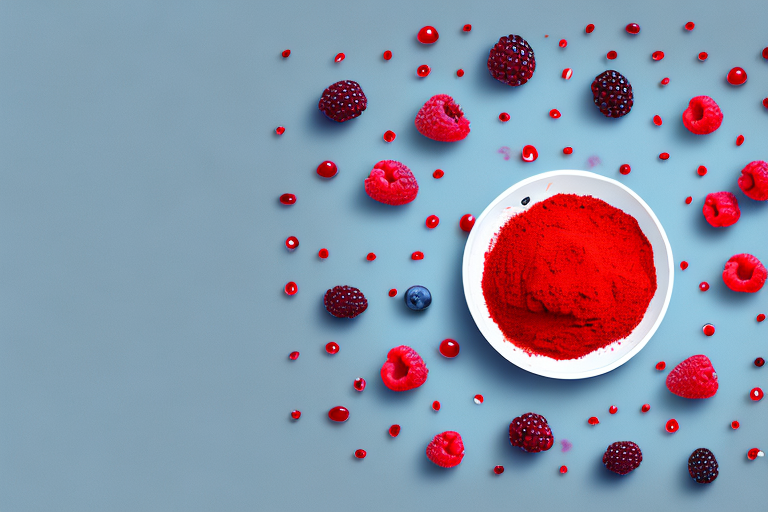

Discover the Amazing Benefits of Red Berry Powder

A bowl of red berry powder with a spoon and a few red berries scattered around it

If you’re looking for a natural way to boost your health and wellbeing, then you’ve likely heard about the benefits of red berry powder. This potent supplement promises a wide range of benefits, from improving your immune system to helping with weight loss and even promoting anti-aging effects. But what exactly is red berry powder, and is it really as powerful as it sounds? In this article, we’ll explore the many benefits of this superfood, as well as the different ways you can incorporate it into your diet for optimal results.

What is Red Berry Powder and Where Does it Come From?

Red berry powder is a concentrated supplement made from a variety of different berries, including strawberries, raspberries, blueberries, and blackberries. These powerful little fruits are packed with nutrients like vitamins, minerals, and antioxidants, which all work together to support better health and wellbeing. Red berry powder is typically made by taking fresh berries and drying them out before turning them into a fine powder that can be mixed into smoothies, yogurt, oatmeal, or any other food or drink you like.

One of the main benefits of red berry powder is its high antioxidant content. Antioxidants are important for protecting the body against damage from free radicals, which can contribute to chronic diseases like cancer, heart disease, and Alzheimer’s. By consuming red berry powder regularly, you can help to reduce your risk of these diseases and improve your overall health.

In addition to its antioxidant properties, red berry powder is also a great source of fiber. Fiber is important for maintaining healthy digestion and can help to reduce the risk of conditions like constipation, hemorrhoids, and diverticulitis. By adding red berry powder to your diet, you can increase your fiber intake and support better digestive health.

The Nutritional Value of Red Berry Powder: Vitamins and Minerals

One of the biggest benefits of red berry powder is its incredible nutritional profile. This supplement is loaded with vitamins and minerals that are essential for a healthy body, including vitamin C, vitamin K, potassium, and manganese. Vitamin C is a powerful antioxidant that can help boost your immune system and protect your body from oxidative stress and inflammation. Meanwhile, vitamin K is important for healthy bones and blood clotting, while potassium and manganese are essential for proper nerve and muscular function.

In addition to its impressive vitamin and mineral content, red berry powder also contains high levels of antioxidants. Antioxidants are important for protecting your body against damage from free radicals, which can contribute to the development of chronic diseases such as cancer and heart disease. Studies have shown that consuming red berry powder can help reduce inflammation in the body and improve overall health and well-being.

How Red Berry Powder Can Boost Your Immune System

In addition to its impressive nutritional value, red berry powder is also known for its immune-boosting properties. This supplement contains powerful antioxidants like anthocyanins and flavonols, which can help to reduce inflammation and protect your body from harmful toxins and free radicals. By supporting a healthy immune system, red berry powder can help to keep you feeling your best all year round and reduce your chances of developing illnesses or infections.

Furthermore, red berry powder has been found to have anti-cancer properties. Studies have shown that the antioxidants in red berries can help to prevent the growth and spread of cancer cells in the body. This makes red berry powder a great addition to the diet of anyone looking to reduce their risk of developing cancer.

Another benefit of red berry powder is its ability to improve cardiovascular health. The antioxidants in red berries can help to reduce inflammation in the body, which can lead to a lower risk of heart disease and stroke. Additionally, red berry powder has been found to lower blood pressure and improve blood flow, further supporting a healthy heart.

Red Berry Powder for Weight Loss: Does it Really Work?

While there’s no magic pill for weight loss, red berry powder may help to support your weight loss goals by promoting a healthy metabolism and reducing inflammation. The antioxidants found in this supplement can help to reduce oxidative stress and inflammation in the body, which can contribute to weight gain and a slower metabolism. Additionally, the fiber found in red berry powder can help you feel fuller for longer and reduce your overall calorie intake. Of course, it’s important to remember that red berry powder is not a miracle weight loss solution, and should be used in conjunction with a healthy diet and regular exercise.

It’s also important to note that not all red berry powders are created equal. Some may contain added sugars or fillers that can actually hinder your weight loss progress. When choosing a red berry powder supplement, be sure to read the label carefully and choose a high-quality, pure product. It’s also a good idea to consult with a healthcare professional before adding any new supplements to your diet, especially if you have any underlying health conditions or are taking medication.

The Antioxidant Power of Red Berry Powder and its Anti-Aging Benefits

As we mentioned earlier, red berry powder is loaded with antioxidants that can help to protect your body from free radicals and oxidative stress. Over time, these harmful molecules can cause damage to your cells and contribute to the aging process. By supplementing with red berry powder, you can help to reduce the effects of aging and promote healthy, youthful skin and hair.

Additionally, red berry powder has been found to have anti-inflammatory properties. Inflammation is a natural response of the body to injury or infection, but chronic inflammation can lead to a variety of health problems, including accelerated aging. By reducing inflammation in the body, red berry powder can help to slow down the aging process and improve overall health.

Red Berry Powder for Skin Health: How it Can Help with Acne, Wrinkles, and More

In addition to its anti-aging properties, red berry powder may also be beneficial for improving your overall skin health. The vitamin C and antioxidants found in this supplement can help to reduce acne and improve the overall appearance of your skin. Additionally, vitamin C is essential for collagen production, which can help to reduce wrinkles and other signs of aging.

Another benefit of red berry powder is its ability to protect your skin from harmful UV rays. The antioxidants found in this supplement can help to neutralize free radicals that are produced by exposure to the sun. This can help to prevent sun damage and reduce the risk of skin cancer.

Furthermore, red berry powder has been shown to have anti-inflammatory properties, which can help to reduce redness and irritation in the skin. This makes it a great option for those with sensitive skin or conditions such as rosacea.

The Role of Red Berry Powder in Managing Chronic Diseases like Diabetes and Heart Disease

While more research is needed, some studies have suggested that red berry powder may be beneficial for managing chronic diseases like diabetes and heart disease. The antioxidants found in this supplement can help to improve insulin sensitivity and reduce inflammation, both of which are important factors in managing these conditions.

In addition to its potential benefits for managing diabetes and heart disease, red berry powder may also have positive effects on cognitive function. Some studies have shown that the antioxidants in this supplement can help to protect brain cells from damage and improve memory and concentration.

Furthermore, red berry powder may also have anti-cancer properties. The high levels of antioxidants in this supplement can help to prevent oxidative damage to cells, which is a major contributor to the development of cancer. While more research is needed in this area, early studies have shown promising results.

The Best Ways to Incorporate Red Berry Powder into Your Diet

Red berry powder is a versatile supplement that can be easily added to a wide range of foods and drinks. Some popular options include adding it to smoothies, yogurt, oatmeal, or even baked goods like muffins and cookies. Just be sure to check the serving size and instructions on your particular supplement to ensure you’re getting the right amount of nutrients.

Another great way to incorporate red berry powder into your diet is by mixing it with water or juice to create a refreshing and nutritious drink. You can also sprinkle it on top of your favorite salads or use it as a seasoning for roasted vegetables.

It’s important to note that while red berry powder is a great source of antioxidants and other beneficial nutrients, it should not be used as a replacement for whole fruits and vegetables in your diet. It’s always best to aim for a balanced and varied diet that includes a variety of nutrient-dense foods.

Comparing Different Brands of Red Berry Powder: Which One is Right for You?

When choosing a red berry powder supplement, it’s important to do your research and compare different brands to find the one that works best for you. Look for supplements that are made with high-quality, organic ingredients and are free from additives and preservatives. Additionally, be sure to check the serving size and nutritional information to ensure you’re getting the right amount of nutrients for your needs.

It’s also important to consider the source of the red berries used in the supplement. Some brands may use berries that are grown in areas with high levels of pollution or pesticides, which can affect the quality and safety of the supplement. Look for brands that source their berries from reputable farms or regions known for producing high-quality, clean berries.

Making Your Own Red Berry Powder at Home: A Step-by-Step Guide

If you’re feeling adventurous, you can even try making your own red berry powder at home. To do this, simply take fresh berries and lay them out on a baking sheet lined with parchment paper. Place the baking sheet in your oven at a low temperature (around 150 degrees Fahrenheit) and allow the berries to dry out for several hours. Once they’re completely dry, place them in a blender or food processor and pulse until they form a fine powder. Store your homemade red berry powder in an airtight container and use as desired.

Homemade red berry powder is not only a great way to add flavor to your dishes, but it also has numerous health benefits. Red berries are packed with antioxidants, which help to protect your body against free radicals and reduce inflammation. Additionally, they’re a good source of vitamin C, which supports a healthy immune system. So, not only is making your own red berry powder a fun and easy project, but it’s also a great way to boost the nutritional value of your meals.

Potential Side Effects of Consuming Red Berry Powder and How to Avoid Them

While red berry powder is generally considered safe for most people, there are some potential side effects to be aware of. Some people may experience digestive issues like bloating or diarrhea when consuming this supplement, particularly if they take too much at once. To avoid these side effects, it’s important to start with a small amount of red berry powder and gradually increase your intake as tolerated. Additionally, be sure to stay hydrated and drink plenty of water when taking red berry powder to help prevent digestive issues.

In conclusion, red berry powder is a powerful, natural supplement that offers a wide range of health and wellness benefits. From boosting your immune system to promoting healthy aging and more, this superfood is definitely worth adding to your daily routine. Whether you choose to make your own at home or opt for a store-bought supplement, be sure to follow the instructions carefully and start with a small amount to avoid any potential side effects. With regular use, red berry powder can help you feel your best and live a healthier, happier life.

It’s important to note that while red berry powder is generally safe, it may interact with certain medications. If you are taking any prescription medications, it’s important to speak with your healthcare provider before adding red berry powder to your routine. Additionally, pregnant or breastfeeding women should also consult with their healthcare provider before taking this supplement.

Discover the Amazing Benefits of Rauwolscine

A mountain landscape

Are you looking for a supplement that can help you lose weight, boost your libido, and even improve your mental health? Look no further than rauwolscine! This powerful alkaloid has been used for centuries in traditional medicine, and recent scientific research has confirmed its many health benefits.

What is Rauwolscine and Where Does it Come From?

Rauwolscine, also known as alpha-yohimbine or isorauwolscine, is a compound found in the bark of the Yohimbe tree (Pausinystalia johimbe), which is native to Africa. It is structurally similar to yohimbine, another alkaloid found in Yohimbe bark, but is considered to be more potent and selective.

Rauwolscine has been studied for its potential use in weight loss supplements and as a treatment for erectile dysfunction. It works by blocking alpha-2 adrenergic receptors, which can lead to increased fat burning and improved blood flow. However, it is important to note that Yohimbe bark and its extracts, including rauwolscine, can have potentially dangerous side effects and should be used with caution and under the guidance of a healthcare professional.

The History of Rauwolscine and Its Traditional Uses

Yohimbe bark has been used in traditional African medicine for centuries to treat a variety of conditions, including erectile dysfunction, infertility, and high blood pressure. Rauwolscine is a more recent discovery, but has also been used traditionally as an aphrodisiac and to treat impotence.

In addition to its traditional uses, recent studies have shown that rauwolscine may also have potential as a weight loss supplement. It has been found to increase metabolic rate and decrease appetite in animal studies, although more research is needed to determine its effectiveness in humans.

Furthermore, rauwolscine has been investigated for its potential as a treatment for Alzheimer’s disease. Studies have shown that it may have neuroprotective effects and improve cognitive function in animal models, but again, more research is needed to determine its efficacy in humans.

The Science Behind Rauwolscine and How it Works in the Body

Rauwolscine works by blocking alpha-2 adrenergic receptors, which can stimulate the release of norepinephrine and increase fat burning. It may also increase blood flow and improve mood by increasing levels of dopamine and serotonin in the brain.

Recent studies have also shown that Rauwolscine may have potential benefits for individuals with diabetes. It has been found to improve insulin sensitivity and glucose uptake in skeletal muscle cells, which could help regulate blood sugar levels.

However, it is important to note that Rauwolscine is a powerful compound and should be used with caution. It can cause side effects such as increased heart rate, anxiety, and high blood pressure. It is recommended to consult with a healthcare professional before taking any supplements containing Rauwolscine.

Rauwolscine vs. Yohimbine: What’s the Difference?

Rauwolscine and yohimbine are both alkaloids found in Yohimbe bark, but they have different effects on the body. While yohimbine stimulates both alpha-1 and alpha-2 adrenergic receptors, rauwolscine is more selective, targeting only alpha-2 receptors.

Due to its selectivity, rauwolscine is often used as a dietary supplement to aid in weight loss and improve athletic performance. It is believed to increase lipolysis, the breakdown of fats in the body, and enhance energy levels during exercise.

On the other hand, yohimbine is commonly used to treat erectile dysfunction and improve sexual performance. It works by increasing blood flow to the genitals and promoting the release of nitric oxide, a compound that helps relax blood vessels and improve circulation.

How Rauwolscine Can Help with Weight Loss and Fat Burning

Rauwolscine’s ability to block alpha-2 receptors can increase fat burning and boost weight loss. It may also have an appetite suppressant effect, leading to decreased calorie intake and further weight loss.

In addition to its weight loss benefits, Rauwolscine has also been shown to improve athletic performance. It can increase energy levels and enhance focus, making it a popular supplement among athletes and bodybuilders. However, it is important to note that Rauwolscine should be used in moderation and under the guidance of a healthcare professional, as it can have potential side effects and interactions with certain medications.

Rauwolscine as a Natural Aphrodisiac: Does It Really Work?

While rauwolscine has been traditionally used as an aphrodisiac, there is limited scientific evidence to support this claim. However, its ability to increase blood flow and boost mood may indirectly improve sexual function for some individuals.

Additionally, rauwolscine has been found to have potential benefits for weight loss and athletic performance. It has been shown to increase metabolism and energy expenditure, as well as improve endurance and reduce fatigue during exercise.

However, it is important to note that rauwolscine can have side effects such as increased heart rate, anxiety, and high blood pressure. It should not be taken by individuals with certain medical conditions or those taking certain medications without consulting a healthcare professional.

Potential Mental Health Benefits of Rauwolscine, Including Anxiety and Depression Relief

Research suggests that rauwolscine may have potential mental health benefits, including relief from anxiety and depression symptoms. Its ability to increase dopamine and serotonin levels in the brain may improve mood and reduce feelings of stress and anxiety.

In addition to its potential benefits for anxiety and depression, rauwolscine may also have positive effects on cognitive function. Studies have shown that it may improve memory and focus, as well as enhance overall brain function. However, more research is needed to fully understand the extent of these benefits and their potential risks.

How to Use Rauwolscine Safely and Effectively

Rauwolscine is a potent compound and should be used with caution. It is commonly sold as a dietary supplement in capsule form. The recommended dosage varies depending on the source, but is typically in the range of 0.1-1 mg per day. It is important to talk to your doctor before taking rauwolscine, especially if you have a history of medical conditions or are taking other medications.

When taking rauwolscine, it is important to follow the recommended dosage and not exceed it. Taking too much of the compound can lead to adverse effects such as increased heart rate, anxiety, and high blood pressure. It is also important to note that rauwolscine is not a magic weight loss pill and should not be relied upon solely for weight loss. A healthy diet and regular exercise are still the most effective ways to lose weight.

Additionally, it is important to purchase rauwolscine from a reputable source to ensure its purity and quality. Some supplements may contain fillers or other ingredients that can be harmful to your health. Always read the label and do your research before purchasing any dietary supplement.

The Best Sources of Rauwolscine: Supplements, Foods, and More

Rauwolscine can be found in dietary supplements marketed for weight loss and improving sexual function. It is also present in small amounts in Yohimbe bark, which can be consumed as a tea or used as a herbal supplement. However, due to the potential side effects, it may be preferable to use a standardized rauwolscine supplement.

In addition to supplements and Yohimbe bark, rauwolscine can also be found in some traditional medicines used in certain cultures. For example, in West Africa, the bark of the Pausinystalia yohimbe tree has been used for centuries as an aphrodisiac and to treat erectile dysfunction. The bark contains both yohimbine and rauwolscine, which are believed to have these effects.

It is important to note that while rauwolscine may have potential benefits, it can also have negative side effects. These can include increased heart rate, anxiety, and high blood pressure. It is recommended to speak with a healthcare professional before taking any supplements or herbal remedies containing rauwolscine, especially if you have any pre-existing medical conditions or are taking other medications.

Possible Side Effects of Rauwolscine and How to Avoid Them

Side effects of rauwolscine may include increased heart rate, anxiety, and nausea. It may also interact with certain medications, including antidepressants and blood pressure medications. To avoid side effects, it is important to follow recommended dosages and talk to your doctor before taking rauwolscine.

In conclusion, rauwolscine is a powerful compound with many potential health benefits. From weight loss to improving sexual function and mental health, it may be a useful addition to your supplement regimen. However, it is important to use it with caution and under the guidance of a healthcare professional.

Another potential side effect of rauwolscine is insomnia. This compound can stimulate the central nervous system, which may interfere with your ability to fall asleep or stay asleep. If you experience insomnia while taking rauwolscine, it is recommended to take it earlier in the day or reduce the dosage.

Additionally, rauwolscine may cause digestive issues such as diarrhea or constipation. This is because it can affect the muscles in the digestive tract, leading to changes in bowel movements. To prevent these side effects, it is important to stay hydrated and consume a balanced diet while taking rauwolscine.

Discovering the Benefits of Boron: A Comprehensive Guide

A variety of minerals and crystals that contain boron

Boron may not be a well-known element, but it has many benefits that can improve your overall health. This comprehensive guide will provide detailed information on the history, chemical properties, and numerous health benefits of this essential element. By the end of this article, you will have a thorough understanding of boron and how it can positively impact your life.

What is Boron and Where is it Found?

Boron is a naturally occurring element and can be found in rocks, soil, water, and plants. It is a vital micronutrient that is necessary for the growth and development of various organisms. The majority of boron is produced in the United States, Turkey, and Russia. However, trace amounts of boron are also present in most foods.

Boron has a wide range of industrial applications due to its unique properties. It is used in the production of borosilicate glass, which is known for its high resistance to thermal shock. Boron is also used in the manufacturing of ceramics, soaps, and detergents. In addition, boron is used as a neutron absorber in nuclear reactors.

Despite its importance, excessive boron exposure can be harmful to human health. High levels of boron in drinking water can cause gastrointestinal problems, skin irritation, and even kidney damage. Therefore, it is important to monitor boron levels in the environment and take necessary measures to prevent excessive exposure.

The History of Boron and its Uses Throughout the Ages

Boron has been used for various purposes throughout history. The ancient Egyptians used boron compounds for embalming, and it was one of the first elements to be discovered in the modern world. During World War II, boron compounds were used in nuclear reactors and as a component of high-temperature insulation materials. Today, boron is used in many industries, including agriculture, glassmaking, and medicine.

One of the most important uses of boron today is in the production of neodymium magnets, which are used in many modern technologies, including electric cars and wind turbines. Boron is also used in the production of fiberglass, which is used in the construction of boats, cars, and airplanes. Additionally, boron is used in the production of certain types of ceramics, such as borosilicate glass, which is known for its durability and resistance to thermal shock.

Despite its many uses, boron can also be toxic in high doses. Exposure to boron can cause skin and eye irritation, respiratory problems, and even death in extreme cases. As a result, it is important to handle boron compounds with care and to follow proper safety protocols when working with them.

The Chemical Properties of Boron and Why It Has So Many Benefits

Boron has unique chemical properties that give it many benefits. Boron forms a strong covalent bond, which makes it important for the structural integrity of living organisms. Additionally, it has a high melting point and is resistant to chemical reactions, making it an ideal component in various applications.

One of the most significant benefits of boron is its ability to improve bone health. Studies have shown that boron can increase bone density and reduce the risk of osteoporosis. Boron also plays a role in regulating hormones, particularly estrogen and testosterone, which can have positive effects on overall health.

Boron is also used in the production of high-tech materials, such as borosilicate glass and neodymium magnets. Borosilicate glass is known for its durability and resistance to thermal shock, making it ideal for laboratory equipment and cookware. Neodymium magnets are used in a variety of applications, including computer hard drives and electric motors.

The Top Health Benefits of Boron for Your Body

Boron has numerous health benefits for your body. Some of its benefits include improving bone health, brain function, and athletic performance. Boron has also been shown to have anti-inflammatory properties that may help in fighting against chronic diseases such as arthritis, diabetes, and heart disease.

In addition to these benefits, boron has also been found to play a role in regulating hormones. Studies have shown that boron can increase levels of testosterone in men and estrogen in women, which can have positive effects on mood, energy levels, and overall well-being. Boron may also help to reduce the risk of certain cancers, such as prostate cancer, by inhibiting the growth of cancer cells.

How Boron Can Help Prevent Osteoporosis and Other Bone-Related Diseases

One of the most significant benefits of boron is its role in improving bone health. Boron helps in the absorption of calcium and the formation of strong bones. It has been shown to reduce the risk of osteoporosis, a disease that weakens bones and makes them more susceptible to fractures.

In addition to its role in preventing osteoporosis, boron has also been found to have other benefits for bone-related diseases. Studies have shown that boron can help reduce inflammation in the body, which is a major contributor to conditions such as arthritis and rheumatism. Boron has also been found to improve joint health and mobility, making it a useful supplement for those suffering from joint pain or stiffness.

The Positive Effects of Boron on Brain Function and Cognitive Performance

Boron has been shown to have positive effects on brain function and cognitive performance. It may aid in enhancing memory, focus, and attention span. Additionally, boron has been linked to reducing the risk of cognitive diseases such as dementia and Alzheimer’s disease.

Studies have also suggested that boron may play a role in improving mood and reducing symptoms of depression. This is because boron is involved in the regulation of neurotransmitters, which are chemicals in the brain that affect mood and emotions. Furthermore, boron has been found to have anti-inflammatory properties, which may also contribute to its positive effects on brain function and cognitive performance.

How Boron Can Help Improve Athletic Performance and Muscle Recovery

Boron has also been shown to improve athletic performance and muscle recovery. It helps in the production of testosterone, a hormone that plays a vital role in muscle development and strength. Boron may also aid in reducing inflammation and oxidative stress, both of which can hinder athletic performance.

Furthermore, studies have suggested that boron supplementation can increase bone density, which is important for athletes who are at a higher risk of bone injuries. Boron has also been linked to improved cognitive function, which can benefit athletes in terms of focus and decision-making during competitions. However, it is important to note that excessive boron intake can be harmful, so it is recommended to consult with a healthcare professional before taking any supplements.

The Anti-Inflammatory Properties of Boron and Its Role in Fighting Chronic Diseases

Boron has anti-inflammatory properties that may help in fighting against chronic diseases such as arthritis, diabetes, and heart disease. Inflammation is associated with many chronic diseases and is known to cause damage to the body’s tissues. Boron has been shown to reduce inflammation and improve the overall health of the body.

Studies have also shown that boron may have a positive effect on brain function and cognitive performance. It has been suggested that boron may help improve memory and concentration, as well as reduce the risk of neurodegenerative diseases such as Alzheimer’s.

In addition, boron has been found to play a role in bone health. It has been shown to increase bone density and strength, which may help reduce the risk of osteoporosis and other bone-related conditions. Boron may also aid in the absorption of other important minerals such as calcium and magnesium, which are essential for maintaining healthy bones.

The Potential Role of Boron in Cancer Prevention and Treatment

Boron may have a potential role in cancer prevention and treatment. Some studies have shown that it can inhibit the growth and spread of cancer cells. More research is needed to understand the effects of boron on cancer cells fully, but the initial results are promising.

In addition to its potential role in cancer prevention and treatment, boron has also been studied for its effects on bone health. Some research suggests that boron may help increase bone density and reduce the risk of osteoporosis. However, more studies are needed to confirm these findings and determine the optimal dosage of boron for bone health benefits.

How to Incorporate More Boron into Your Diet through Food Sources, Supplements, or Medications

There are several ways to incorporate more boron into your diet, including consuming boron-rich foods such as fruits, vegetables, nuts, and legumes. Boron supplements and medications are also available, but it is crucial to follow the recommended dosage to avoid any adverse side effects.

It is important to note that boron is a trace mineral, meaning that it is only needed in small amounts. Consuming too much boron can lead to negative health effects, such as nausea, vomiting, and diarrhea. Therefore, it is recommended to consult with a healthcare professional before adding boron supplements or medications to your diet.

Potential Side Effects or Risks Associated with Consuming Too Much or Too Little Boron

While boron has many benefits, consuming too much or too little can result in adverse side effects. Consuming too much boron may lead to digestive issues, skin irritation, and neurological symptoms. On the other hand, not consuming enough boron may result in bone loss, cognitive issues, and decreased athletic performance. It is important to consume boron in moderation and follow the recommended dosage guidelines.

In conclusion, boron is an essential element that has many health benefits for your body. From improving bone health to increasing athletic performance, boron has a wide range of applications that can positively impact your life. By incorporating boron-rich foods into your diet or taking boron supplements, you can take advantage of the many benefits that this element has to offer.

It is worth noting that boron can interact with certain medications, such as hormone replacement therapy and some antibiotics. If you are taking any medications, it is important to consult with your healthcare provider before adding boron supplements to your routine. Additionally, pregnant or breastfeeding women should also consult with their healthcare provider before consuming boron supplements, as the effects on fetal development and breast milk are not yet fully understood.

B Vitamins: Foods, Benefits, Side Effects Dosage

A variety of colorful fruits and vegetables

If you’re wondering whether or not you need to be paying attention to B vitamins, the answer is simple: yes, you do. B vitamins are some of the most essential vitamins that your body needs for overall health and wellness. They play vital roles in a broad range of body functions and are necessary for good health.

Introduction to B Vitamins: What They Are and Why They Matter

B vitamins are a group of eight essential vitamins. They include thiamin (vitamin B1), riboflavin (vitamin B2), niacin (vitamin B3), pantothenic acid (vitamin B5), pyridoxine (vitamin B6), biotin (vitamin B7), folate (vitamin B9), and cobalamin (vitamin B12). Each of these vitamins plays a unique role in the body, and a deficiency in any one of them can result in a range of health problems.

Thiamin, also known as vitamin B1, is essential for the metabolism of carbohydrates and the proper functioning of the nervous system. Riboflavin, or vitamin B2, is important for maintaining healthy skin, eyes, and nervous system. Niacin, or vitamin B3, helps to lower cholesterol levels and is important for the health of the skin, nerves, and digestive system.

Pantothenic acid, or vitamin B5, is involved in the production of hormones and the metabolism of fats and carbohydrates. Pyridoxine, or vitamin B6, is important for the production of red blood cells and the proper functioning of the nervous system. Biotin, or vitamin B7, is essential for the metabolism of fats, carbohydrates, and proteins, and is important for healthy skin, hair, and nails.

Understanding the Types of B Vitamins and Their Functions

Thiamin is essential for energy production, nerve function, and muscle function. Riboflavin is necessary for the production of red blood cells and maintaining healthy skin.

Niacin helps to maintain a healthy cardiovascular system and aid in digestion. Pantothenic acid plays a role in the production of hormones and cholesterol, and also helps to break down fats and carbohydrates. Pyridoxine is necessary for the production of neurotransmitters and the creation of red blood cells.

Biotin is essential for healthy hair, skin, and nails, while folate is crucial for the proper development of the fetal brain and spine. Lastly, cobalamin is important for maintaining healthy nerve cells and blood cells, as well as DNA synthesis.

In addition to their individual functions, B vitamins also work together to support overall health. For example, vitamin B6 helps the body absorb vitamin B12, and folate works with vitamin B12 to produce red blood cells. Additionally, vitamin B12 and folate are important for preventing anemia.

It’s important to note that some people may be at risk for B vitamin deficiencies, such as those who follow a vegan or vegetarian diet, as well as older adults who may have difficulty absorbing certain vitamins. In these cases, supplements or fortified foods may be necessary to ensure adequate intake of B vitamins.

How B Vitamins Support the Nervous System and Brain Health

B vitamins are particularly important for the nervous system and brain function. They help to produce neurotransmitters, which are responsible for communication between cells in the brain. The B vitamins also protect the myelin sheath, which is the outer layer of nerve cells that speeds up the transmission of signals throughout the body.

In addition to their role in producing neurotransmitters and protecting the myelin sheath, B vitamins also play a crucial role in regulating mood and reducing the risk of depression. Studies have shown that individuals with low levels of B vitamins, particularly B6, B9 (folate), and B12, are more likely to experience symptoms of depression and anxiety. Therefore, it is important to ensure that you are getting enough B vitamins in your diet to support both your physical and mental health.

The Role of B Vitamins in Energy Metabolism

B vitamins are essential for the metabolism of carbohydrates, fats, and proteins. They help convert food into energy that the body can use. These vitamins also help to keep metabolism running smoothly, which can help to manage weight and maintain steady energy levels throughout the day.

In addition to their role in energy metabolism, B vitamins also play a crucial role in maintaining a healthy nervous system. They help to produce neurotransmitters, which are chemicals that transmit signals between nerve cells. This is important for maintaining cognitive function, mood, and overall mental health. Some studies have also suggested that B vitamins may help to reduce the risk of developing certain neurological conditions, such as Alzheimer’s disease.

B Vitamins and Immunity: How They Help Fight Infections

B vitamins play a crucial role in supporting the immune system. They help to create white blood cells, which are essential for fighting off infections and diseases. Additionally, these vitamins help to reduce inflammation in the body, which can help to improve overall immunity.

Some of the B vitamins, such as B6 and B12, also play a role in the production of antibodies, which are proteins that help to identify and neutralize harmful pathogens. Without enough B vitamins, the immune system may not function properly, leaving the body more susceptible to infections and illnesses. It is important to consume a balanced diet that includes sources of B vitamins, such as whole grains, leafy greens, and lean proteins, to support a healthy immune system.

B Vitamins and Heart Health: What You Need to Know

B vitamins play a critical role in heart health. They help to reduce high levels of homocysteine in the blood, which is a risk factor for heart disease. Additionally, these vitamins may help to lower blood pressure and reduce the risk of stroke.

One of the most important B vitamins for heart health is vitamin B12. This vitamin is essential for the production of red blood cells, which carry oxygen throughout the body. Without enough vitamin B12, the heart may not receive enough oxygen, which can lead to heart problems.

Another B vitamin that is important for heart health is folic acid. This vitamin helps to lower levels of homocysteine in the blood, which can reduce the risk of heart disease. Folic acid is especially important for pregnant women, as it can help to prevent birth defects in the baby’s heart.

The Connection between B Vitamins and Skin Health

Many B vitamins are important for healthy skin, hair, and nails. Biotin, in particular, is essential for healthy hair, skin, and nails. Thiamin, riboflavin, niacin, and pyridoxine are also important for maintaining healthy skin.

In addition to their role in maintaining healthy skin, B vitamins also play a crucial role in overall health and wellness. They are essential for proper metabolism, energy production, and the functioning of the nervous system. Vitamin B12, in particular, is important for maintaining healthy nerve cells and red blood cells. It is also involved in DNA synthesis and the production of neurotransmitters.

Foods Rich in B Vitamins: A Comprehensive Guide

There are numerous foods that are rich in B vitamins. Some of the best sources include whole grains, dark leafy greens, meat, fish, poultry, eggs, dairy, nuts, and seeds. By eating a variety of these foods, you should be able to get all of the B vitamins that you need.

It is important to note that B vitamins play a crucial role in maintaining good health. They help convert food into energy, support the nervous system, and aid in the production of red blood cells. In addition, B vitamins have been linked to improved mood and cognitive function. Therefore, it is recommended to include a variety of B vitamin-rich foods in your diet to ensure optimal health and well-being.

Who Needs B Vitamin Supplements? A Look at Deficiency Risks and Symptoms

While most people can get enough B vitamins from a healthy and varied diet, certain groups of people may be at risk for deficiency. These groups include vegetarians and vegans, older adults, pregnant women, and people with certain medical conditions. Symptoms of a B vitamin deficiency can include fatigue, weakness, tingling or numbness in the hands or feet, and a pale complexion.

Vegetarians and vegans may be at risk for B vitamin deficiencies because they do not consume animal products, which are a major source of vitamin B12. Older adults may also be at risk because their bodies may not absorb B vitamins as efficiently as younger individuals. Pregnant women require higher levels of B vitamins to support the growth and development of their fetus, and a deficiency can lead to birth defects.

People with certain medical conditions, such as Crohn’s disease or celiac disease, may have difficulty absorbing B vitamins from their food. Additionally, individuals who have undergone weight loss surgery may also be at risk for B vitamin deficiencies because the surgery can affect the body’s ability to absorb nutrients.

The Pros and Cons of Taking Vitamin B Complex Supplements

If you’re concerned that you may not be getting enough B vitamins from your diet, you may consider taking a B vitamin supplement. A B vitamin complex supplement is a popular choice, as it includes all eight B vitamins. However, it’s important to talk to your healthcare provider before taking any supplements to ensure that they’re safe for you and won’t interact with any other medications or supplements that you’re taking.

One of the benefits of taking a B vitamin complex supplement is that it can help improve energy levels and reduce fatigue. B vitamins play a crucial role in converting food into energy, and a deficiency in these vitamins can lead to feelings of tiredness and weakness. However, it’s important to note that taking too much of certain B vitamins, such as B6 and B12, can actually have negative effects on the body. It’s important to follow the recommended dosage and talk to your healthcare provider if you experience any adverse effects.

How to Choose the Right Vitamin B Supplement for Your Needs

If you’re looking for a B vitamin supplement, there are a few things to keep in mind. Look for a supplement that includes all eight B vitamins, and check the dosage to make sure that it meets your needs. Additionally, be sure to choose a reputable brand that uses high-quality ingredients.

It’s also important to consider the form of the supplement. Vitamin B supplements come in various forms, including capsules, tablets, and gummies. Capsules and tablets are typically more concentrated and may be better suited for individuals with specific dietary needs. Gummies, on the other hand, may be more appealing for those who have difficulty swallowing pills or who prefer a more enjoyable way to take their supplements.

Another factor to consider is whether the supplement is vegan or vegetarian-friendly. Some B vitamin supplements contain animal-derived ingredients, such as gelatin, which may not be suitable for those following a plant-based diet. Look for supplements that are labeled as vegan or vegetarian to ensure that they meet your dietary preferences.

Conclusion

B vitamins are essential for overall health and wellness. They play vital roles in energy metabolism, brain function, heart health, and immunity. While most people can get enough of these vitamins from a healthy diet, some may benefit from a supplement. Talk to your healthcare provider to determine if a B vitamin supplement is right for you.

It is important to note that taking high doses of certain B vitamins, such as B6 and B12, can have negative effects on health. Too much B6 can cause nerve damage, while excessive B12 intake can lead to acne and skin rashes. Therefore, it is crucial to follow recommended daily intake guidelines and not exceed the recommended dosage.

In addition to supplements, there are many foods that are rich in B vitamins. Some of the best sources include leafy greens, whole grains, nuts, and seeds. Incorporating these foods into your diet can help ensure that you are getting enough of these essential nutrients.

Pros and Cons of Baby Formula

A baby bottle with a colorful background

If you’re a new parent, then you’ve probably heard about baby formula, but may not know much about it. In this article, we’ll explore all the aspects of baby formula, including the different types available, how to choose the right formula for your infant, the benefits of using it, how to prepare and feed your little one, and much more. So, let’s get started!

What is Baby Formula?

Simply put, baby formula is a substitute for breast milk. It’s a mixture of proteins, carbohydrates, fats, vitamins, and minerals that provides all the essential nutrients your baby needs to grow and develop, just like breast milk. It’s also regulated by the FDA, which ensures its safety and quality.

There are different types of baby formula available in the market, including cow’s milk-based, soy-based, and hypoallergenic formulas. Cow’s milk-based formulas are the most commonly used and are suitable for most babies. Soy-based formulas are an alternative for babies who are allergic to cow’s milk or lactose intolerant. Hypoallergenic formulas are specially designed for babies with allergies or intolerances to certain proteins.

It’s important to note that while baby formula is a safe and nutritious alternative to breast milk, it’s still recommended that babies be breastfed exclusively for the first six months of life. Breast milk provides additional benefits, such as antibodies that help protect against infections and illnesses. However, if breastfeeding is not possible or not preferred, baby formula is a suitable alternative that can provide all the necessary nutrients for a baby’s growth and development.

Types of Baby Formula

There are three main types of baby formula: cow’s milk-based, soy-based, and hypoallergenic. Cow’s milk-based formula is the most common and contains proteins that are similar to those found in breast milk. Soy-based formula, as the name suggests, is made from soy protein and is best for babies who are allergic to cow’s milk. Finally, hypoallergenic formula is for babies who have a severe allergy to cow’s milk and soy. It’s made from partially hydrolyzed proteins, which are broken down to make them easier to digest.

It’s important to note that while cow’s milk-based formula is the most common, it may not be suitable for all babies. Some babies may have trouble digesting the proteins in cow’s milk and may require a different type of formula. Additionally, some formulas may be fortified with additional nutrients, such as iron or DHA, which can be beneficial for a baby’s development. It’s important to consult with a pediatrician to determine the best type of formula for your baby’s individual needs.

Choosing the Right Baby Formula for Your Infant

Choosing the right formula for your baby can seem overwhelming, but it doesn’t have to be. Talk to your pediatrician, who can provide guidance on which type of formula is best for your baby’s individual needs. You should also consider your family’s medical history, as certain allergies or intolerances may run in your family. When choosing a formula, look for a reliable brand that is FDA-approved and contains all the necessary nutrients your baby needs.

It’s important to note that not all formulas are created equal. Some formulas may contain added sugars or artificial flavors, which can be harmful to your baby’s health. It’s best to choose a formula that is as close to breast milk as possible, as breast milk provides the ideal balance of nutrients for your baby’s growth and development. Additionally, if your baby experiences any adverse reactions to a particular formula, such as excessive gas or fussiness, talk to your pediatrician about switching to a different formula that may be better suited to your baby’s needs.

Benefits of Using Baby Formula

Using baby formula can have a number of benefits for both parents and babies. For parents, it means more flexibility and freedom, as anyone can feed the baby, and it’s easier to monitor how much your baby is eating. For babies, it means they’re still getting all the necessary nutrients they need to grow and develop, regardless of whether or not they’re being breastfed. It can also be a good way to supplement breast milk if you’re struggling to produce enough or if you need to go back to work.

Another benefit of using baby formula is that it can be easier to digest for some babies. Breast milk can sometimes cause digestive issues such as gas or colic, whereas formula can be gentler on the stomach. Additionally, formula-fed babies may sleep for longer stretches at night, as formula takes longer to digest than breast milk. It’s important to note that every baby is different and what works for one may not work for another, so it’s always best to consult with a pediatrician before making any decisions about feeding your baby.

How to Prepare and Feed Your Infant with Baby Formula

Preparing and feeding your baby formula is relatively easy, but it’s essential to follow the instructions on the packaging closely. Simply mix the appropriate amount of powder with water and shake well. Test the temperature of the formula on your wrist before offering it to your baby. Be sure to hold your baby upright while feeding, and burp them every few minutes to help prevent gas and discomfort.

It’s important to note that not all baby formulas are created equal. Some babies may have specific dietary needs or allergies that require a specialized formula. It’s always best to consult with your pediatrician before choosing a formula for your baby. Additionally, it’s recommended to use a clean and sterilized bottle and nipple for each feeding to prevent the spread of bacteria.

As your baby grows, their feeding needs may change. It’s important to pay attention to their cues and adjust the amount and frequency of feedings accordingly. It’s also recommended to introduce solid foods around 6 months of age, but again, consult with your pediatrician for guidance on when and how to do so.

Common Concerns about Baby Formula

Some parents may have concerns about the safety or quality of baby formula, but it’s important to note that it’s regulated by the FDA and undergoes strict testing to ensure its safety and effectiveness. However, you should still be mindful of the expiration date and storage instructions on the package to prevent spoilage or contamination. If you have any concerns about baby formula, speak to your pediatrician.

It’s also important to note that not all baby formulas are created equal. Some babies may have specific dietary needs or allergies that require a specialized formula. It’s important to consult with your pediatrician to determine which formula is best for your baby’s individual needs. Additionally, some parents may choose to use organic or non-GMO formulas, which can provide peace of mind for those who prioritize these factors in their baby’s diet.

How Baby Formula Can Help Working Moms

For working moms, baby formula can be a lifesaver, providing a convenient and reliable source of nutrition for their baby. It allows them to return to work without sacrificing their baby’s health, and can be a great way for dads or other caregivers to bond with the baby through feeding.

Additionally, baby formula can be a good option for moms who struggle with breastfeeding due to medical reasons or low milk supply. It ensures that the baby is still receiving the necessary nutrients for healthy growth and development.

Moreover, baby formula can be a helpful solution for moms who are constantly on the go or traveling. It eliminates the need for breastfeeding or pumping in public places, which can be uncomfortable or inconvenient for some moms.

Comparing the Cost of Breastfeeding vs. Using Baby Formula

When it comes to cost, breastfeeding is certainly the cheaper option, as it’s free. However, it’s not always possible or practical for every family. Formula, on the other hand, can be pricey, but there are many affordable options available. It ultimately comes down to what works best for your family’s budget and lifestyle.

Aside from cost, there are other factors to consider when deciding between breastfeeding and formula feeding. Breast milk provides numerous health benefits for both the baby and the mother, including a reduced risk of infections, allergies, and chronic diseases. It also promotes bonding between the mother and baby. However, formula can be a good alternative for mothers who are unable to breastfeed due to medical reasons or personal preferences.

It’s important to note that regardless of whether you choose to breastfeed or use formula, both options require proper preparation and storage to ensure the safety and health of your baby. Always follow the instructions on the formula packaging and consult with a healthcare professional if you have any concerns or questions about feeding your baby.

The Nutritional Value of Different Brands of Baby Formula

All baby formulas are required to meet specific nutritional guidelines, but some brands may differ slightly in terms of their formula’s makeup. It’s important to choose a reliable brand that provides all the essential nutrients your baby needs. Again, speak to your pediatrician if you have any questions or concerns.

One factor to consider when choosing a baby formula is the type of protein used. Some formulas use cow’s milk protein, while others use soy protein or hydrolyzed protein. Your pediatrician can help you determine which type of protein is best for your baby based on any allergies or sensitivities they may have.

In addition to protein, many baby formulas also contain added ingredients such as prebiotics, probiotics, and DHA. These ingredients can provide additional benefits for your baby’s digestive health and brain development. However, it’s important to note that not all formulas contain these added ingredients, so be sure to read the label carefully when making your selection.

Understanding the Ingredients in Baby Formula

The ingredients in baby formula are carefully selected to mimic the nutrients found in breast milk. Ingredients can vary somewhat depending on the type of formula, but most contain a combination of proteins, fats, carbohydrates, and essential vitamins and minerals.

Protein is a key ingredient in baby formula, as it is essential for growth and development. Most formulas use cow’s milk protein, which is modified to make it easier for babies to digest. Some formulas also use soy protein for babies who are allergic to cow’s milk.

Fats are another important ingredient in baby formula, as they provide energy and aid in brain development. Most formulas use a blend of vegetable oils, such as palm, soy, and coconut oil, to provide a balance of different types of fats. Some formulas also contain added DHA and ARA, which are fatty acids found in breast milk that are important for brain and eye development.

Tips for Storing and Handling Baby Formula Safely

To ensure the safety and effectiveness of baby formula, it’s crucial to follow proper storage and handling procedures. Store unopened formula at room temperature, and once opened, refrigerate any unused formula and use it within 24 hours. Always wash your hands before preparing and handling formula, and use sterilized bottles and nipples.

It’s also important to note that powdered formula should be prepared with water that has been boiled and cooled to the appropriate temperature. Follow the instructions on the formula packaging for the correct ratio of water to powder. Additionally, never microwave formula as it can create hot spots that can burn your baby’s mouth. Instead, warm the prepared formula by placing the bottle in a bowl of warm water or using a bottle warmer. Always test the temperature of the formula on your wrist before feeding it to your baby.

Common Misconceptions about Baby Formula

There are many myths and misconceptions surrounding baby formula. One common one is that formula-fed babies won’t bond with their mothers as well as breastfed babies. However, this is simply not true. Formula-fed babies can bond just as well with their mothers, and it’s the quality of time spent with a baby that helps build a strong bond, not the method of feeding.

Another common misconception is that formula-fed babies are less healthy than breastfed babies. While breast milk does provide some unique benefits, such as antibodies and enzymes that can help protect against infections, formula is still a safe and nutritious option for babies. In fact, many formula brands now include added nutrients, such as DHA and ARA, that are also found in breast milk and can support a baby’s growth and development.

How to Transition Your Infant from Breast Milk to Baby Formula

Transitioning from breast milk to baby formula can be a gradual process. Start by replacing one feeding with formula and gradually increasing the number of feedings until your baby is completely weaned. Be patient and allow for some trial and error. Your baby may prefer one particular brand or type of formula over another, and that’s okay.

It’s important to note that some babies may experience digestive issues during the transition from breast milk to formula. If your baby is experiencing constipation, gas, or other discomfort, try switching to a different type of formula or adjusting the amount of formula given at each feeding. You can also consult with your pediatrician for advice on how to ease the transition.

Once your baby is fully transitioned to formula, it’s important to continue to monitor their growth and development. Make sure to follow the recommended feeding guidelines for your baby’s age and weight, and watch for any signs of allergies or intolerance to the formula. With patience and care, you can successfully transition your infant from breast milk to baby formula.

The Role of Pediatricians in Guiding Parents on Choosing the Right Baby Formula

Your pediatrician can be an invaluable resource when it comes to choosing the right baby formula for your infant. They can provide guidance on which type of formula is best for your baby’s individual needs, and offer tips on preparing and feeding your baby. They can also help alleviate any concerns or questions you may have about baby formula.

Overall, baby formula can be a safe and effective alternative to breast milk. With a little research and guidance from your pediatrician, you can choose the right type and brand for your baby’s individual needs. Whether you’re a working mom or simply looking for more flexibility and convenience, baby formula can be a great option for both parents and babies.

It is important to note that while baby formula can be a suitable alternative to breast milk, it should not be used as a replacement for bonding and nurturing through breastfeeding. Pediatricians recommend that mothers breastfeed exclusively for the first six months of a baby’s life, if possible. However, if breastfeeding is not an option or if a mother chooses to supplement with formula, it is important to work with a pediatrician to ensure that the baby is receiving proper nutrition and care.

What Are The Benefits of Beef Protein?

A cow grazing in a field with a banner of beef protein molecules above it

When it comes to getting enough protein in your diet, there are a plethora of options available. From chicken and fish to plant-based sources like beans and tofu, the choices seem endless. However, beef protein has been gaining popularity in recent years as a top choice for athletes and fitness enthusiasts alike. In this article, we’ll explore the amazing benefits of beef protein and why incorporating it into your diet can help support your overall health and vitality.

Why Beef Protein is a Superior Source of Protein

Beef protein is considered a complete protein, meaning it contains all nine essential amino acids that our bodies cannot produce on their own. It’s also high in branched-chain amino acids (BCAAs), which are crucial for muscle growth and repair. Compared to other animal-based proteins, such as chicken and fish, beef protein is considered a more bioavailable source, which means it is absorbed and utilized by the body more efficiently.

In addition to being a complete protein, beef protein is also a rich source of iron, zinc, and vitamin B12. Iron is essential for the production of red blood cells, while zinc is important for immune function and wound healing. Vitamin B12 is crucial for the health of the nervous system and the formation of red blood cells.

Another benefit of beef protein is that it can help with weight management. Studies have shown that consuming protein can increase feelings of fullness and reduce overall calorie intake. Beef protein, in particular, has been found to be more satiating than other protein sources, such as soy or whey. This can be especially beneficial for those looking to lose weight or maintain a healthy weight.

The Nutritional Value of Beef Protein: Vitamins and Minerals

Beef protein is not only rich in protein but also in essential vitamins and minerals. These include iron, zinc, and vitamin B12, all of which are important for energy metabolism and overall vitality. Additionally, beef contains high levels of creatine, a naturally occurring substance that has been shown to improve exercise performance and muscle strength.

Furthermore, beef is a good source of selenium, phosphorus, and niacin. Selenium is an important antioxidant that helps protect cells from damage, while phosphorus is essential for strong bones and teeth. Niacin, also known as vitamin B3, is important for maintaining healthy skin and nerves, as well as aiding in the conversion of food into energy. Including beef in your diet can provide a variety of essential nutrients that are important for overall health and well-being.

How Beef Protein Helps Build Lean Muscle Mass

One of the primary benefits of consuming beef protein is its ability to support the growth and maintenance of lean muscle mass. It provides the body with the necessary nutrients to fuel muscle growth and repair, especially after intense workouts. Additionally, beef protein has been shown to help reduce muscle breakdown, leading to increased muscle mass over time.

Furthermore, beef protein is a complete protein, meaning it contains all nine essential amino acids that the body cannot produce on its own. These amino acids are crucial for building and repairing muscle tissue, making beef protein an excellent choice for athletes and fitness enthusiasts looking to increase their muscle mass and strength. In addition, beef protein is also rich in creatine, a compound that helps to improve muscle performance and endurance during high-intensity exercise.

The Role of Beef Protein in Weight Loss and Management

While beef protein is often associated with building muscle, it can also play a significant role in weight management and weight loss. Protein is known to increase satiety and reduce cravings, resulting in a lower caloric intake overall. Additionally, beef protein is a thermogenic food, which means it requires more energy to digest, leading to a higher calorie burn.

Research has also shown that consuming beef protein can help preserve muscle mass during weight loss. This is important because muscle mass is a major contributor to overall metabolic rate, meaning that the more muscle you have, the more calories you burn at rest. By preserving muscle mass while losing weight, you can help prevent a decrease in metabolic rate and maintain weight loss in the long term.

Comparing the Nutritional Value of Beef Protein to Other Sources

Comparatively, beef protein contains more protein per serving than other animal-based proteins like chicken and fish. It also contains higher levels of iron and zinc, which can be difficult to obtain through a vegetarian or vegan diet. While plant-based sources like beans and tofu provide protein as well, they often lack certain essential amino acids and can be difficult to digest for some individuals.

However, it is important to note that consuming too much red meat, including beef, has been linked to an increased risk of heart disease and certain types of cancer. It is recommended to consume beef in moderation and to choose lean cuts of meat to reduce saturated fat intake. Additionally, incorporating a variety of protein sources, both animal and plant-based, into your diet can provide a well-rounded balance of essential nutrients.

The Benefits of Grass-Fed Beef Protein over Grain-Fed Options

Grass-fed beef protein is often considered superior to grain-fed options due to its higher nutritional content. Grass-fed beef contains higher levels of conjugated linoleic acid (CLA), which has been shown to improve body composition and reduce inflammation. Additionally, grass-fed beef is free from harmful hormones and antibiotics often found in grain-fed options.

Another benefit of grass-fed beef protein is that it is more sustainable and environmentally friendly. Grass-fed cattle are raised on pastures and allowed to graze freely, which promotes healthy soil and reduces the need for harmful pesticides and fertilizers. This method of farming also reduces the carbon footprint of the beef industry, as it requires less energy and resources than grain-fed options.

Furthermore, grass-fed beef is often considered to have a better taste and texture than grain-fed options. This is due to the fact that grass-fed cattle have a more varied diet, which can lead to more complex and flavorful meat. Additionally, grass-fed beef is typically leaner than grain-fed options, which can result in a more tender and juicy final product.

How to Incorporate Beef Protein into Your Diet for Optimal Health

One of the easiest ways to incorporate beef protein into your diet is by consuming grass-fed beef in the form of burgers, steaks, or meatballs. If you’re looking for a more convenient option, beef protein supplements are also available in the form of powders and bars. It’s important to choose high-quality sources and avoid added sugars and artificial ingredients.

Another way to incorporate beef protein into your diet is by trying out new recipes that feature beef as the main ingredient. For example, you can make a hearty beef stew or chili, or try a stir-fry with beef and vegetables. These dishes not only provide a good source of protein, but also offer a variety of nutrients from the other ingredients.

It’s also important to keep in mind that portion control is key when it comes to consuming beef protein. The American Heart Association recommends limiting red meat intake to no more than 3 ounces per serving, and no more than 3 servings per week. By incorporating beef protein into your diet in moderation and choosing high-quality sources, you can reap the benefits of this nutrient-rich food without overdoing it.

Debunking Common Myths About Beef Protein Consumption

Despite its many benefits, there are often misconceptions and myths surrounding beef protein consumption. For example, some individuals may believe that consuming beef protein leads to an increased risk of heart disease or high cholesterol levels. However, research has shown that lean beef can be a part of a healthy diet and does not increase the risk of heart disease when consumed in moderation.

Another common myth surrounding beef protein consumption is that it is not environmentally sustainable. While it is true that the beef industry has a significant impact on the environment, there are sustainable practices that can be implemented to reduce this impact. For example, some farmers use regenerative agriculture techniques, which focus on improving soil health and biodiversity, to reduce the environmental impact of their beef production. Additionally, choosing grass-fed beef over grain-fed beef can also have a positive impact on the environment, as it requires less water and energy to produce.

Uncovering the Surprising Health Benefits of Collagen-Rich Beef Protein

Collagen is an essential protein found in your skin, joints, and bones. It provides elasticity, support, and structure to these areas. Fortunately, beef protein is rich in collagen, making it an excellent option for those looking to improve their skin health, joint health, and bone density. Collagen-rich beef protein supplements can also provide additional benefits to support overall health and wellness.

In addition to its benefits for skin, joint, and bone health, collagen-rich beef protein can also aid in muscle growth and repair. Collagen is a key component of muscle tissue, and supplementing with collagen-rich beef protein can help support muscle recovery after exercise and promote muscle growth.

Furthermore, collagen-rich beef protein may also have anti-aging effects. As we age, our bodies produce less collagen, leading to wrinkles, sagging skin, and other signs of aging. By supplementing with collagen-rich beef protein, we can help replenish our body’s collagen levels and potentially reduce the visible signs of aging.

A Comprehensive Guide to Choosing the Best Quality Beef Protein Supplements

If you’re looking to add beef protein supplements to your diet, it’s essential to choose high-quality sources that are free from fillers and artificial ingredients. Look for grass-fed and pasture-raised options, and read ingredient labels to ensure there are no added sugars or preservatives. It’s also important to speak with a healthcare professional before starting any new supplement regimen.

When choosing a beef protein supplement, it’s important to consider the amino acid profile. Beef protein is a complete protein, meaning it contains all nine essential amino acids that your body needs to function properly. However, different brands may have varying amounts of each amino acid, so it’s important to do your research and choose a supplement that meets your specific needs.

Another factor to consider is the form of the supplement. Beef protein supplements come in various forms, including powders, capsules, and bars. Powders are the most popular form and can be easily mixed into smoothies or other beverages. Capsules are convenient for on-the-go use, while bars can be a tasty snack option. Consider your lifestyle and preferences when choosing the form of your beef protein supplement.

Exploring the Science Behind the Digestion and Absorption of Beef Protein

When consumed, beef protein is broken down into smaller amino acids, which are then absorbed by the small intestine and transported to various parts of the body. The rate of digestion and absorption can vary based on factors such as age, individual differences, and the source of the beef protein. However, research has shown that beef protein is generally well-tolerated and efficiently absorbed by the body for optimal health benefits.

Additionally, beef protein is a complete protein, meaning it contains all nine essential amino acids that the body cannot produce on its own. These amino acids are crucial for building and repairing muscle tissue, supporting immune function, and maintaining healthy skin, hair, and nails. Beef protein is also a rich source of iron, zinc, and vitamin B12, which are important for energy production, cognitive function, and red blood cell formation.

Maximizing the Benefits of Beef Protein for Athletic Performance and Recovery

For athletes and fitness enthusiasts, beef protein can play an essential role in enhancing performance and recovery. It provides the necessary nutrients and amino acids to support muscle growth and repair, leading to improved athletic performance over time. Additionally, consuming beef protein after exercise can help reduce muscle soreness and speed up recovery time.

One of the key benefits of beef protein is its high bioavailability, meaning that it is easily absorbed and utilized by the body. This makes it an ideal protein source for athletes who need to quickly replenish their muscles after a workout. Beef protein is also rich in creatine, which can help improve strength and power output during exercise.

It’s important to note that not all beef protein sources are created equal. Grass-fed beef is generally considered to be a healthier and more sustainable option, as it contains higher levels of omega-3 fatty acids and is free from antibiotics and hormones. When choosing a beef protein supplement, look for one that is made from grass-fed beef and has undergone rigorous testing to ensure purity and quality.

The Advantages of Consuming Whole Food Sources of Beef Protein over Isolate Powders

While beef protein isolate powders can be a convenient option for those looking to supplement their protein intake, consuming whole food sources of beef protein is often considered optimal. Whole food sources contain additional beneficial nutrients and fiber that may not be present in isolate powders. Additionally, some individuals may experience digestive discomfort when consuming high amounts of protein powder, making whole food sources a better option for overall digestive health.

Some examples of whole food sources of beef protein include grass-fed beef, beef liver, and bone broth. Grass-fed beef is a great source of protein, as well as omega-3 fatty acids and conjugated linoleic acid (CLA), which have been linked to numerous health benefits. Beef liver is also a nutrient-dense food, containing high amounts of vitamin A, iron, and other important vitamins and minerals. Bone broth, made by simmering beef bones and connective tissue, is rich in collagen, glucosamine, and chondroitin, which can support joint health and improve skin elasticity.

Delicious and Nutritious Recipes Featuring Beef Protein as a Key Ingredient

Lastly, incorporating beef protein into your diet can be both delicious and nutritious. There are a wide variety of recipes that feature beef protein as a key ingredient, from classic beef burgers to Asian-style stir-fries. It’s essential to choose high-quality sources of beef protein and pair them with a variety of colorful vegetables and other healthy foods for a balanced and satisfying meal.

One great way to incorporate beef protein into your diet is by making a hearty beef stew. This dish is perfect for colder months and can be packed with nutritious vegetables like carrots, potatoes, and celery. You can also add in some whole grains like barley or quinoa for an extra boost of fiber.

If you’re looking for a quick and easy meal, try making beef tacos. Simply cook up some ground beef with your favorite spices and serve in a whole wheat tortilla with fresh salsa, avocado, and shredded lettuce. This meal is not only delicious but also provides a good source of protein and healthy fats.

Conclusion

Beef protein is a nutrient-dense and versatile source of protein that provides a wide range of health and fitness benefits. Incorporating beef protein into your diet, whether through whole food sources or supplements, can help support your overall health and vitality. It’s important to choose high-quality sources and speak with a healthcare professional before starting any new supplement regimen.

Recent studies have also shown that beef protein may have a positive impact on muscle growth and recovery, making it a popular choice among athletes and fitness enthusiasts. Additionally, beef protein is rich in essential amino acids, which are crucial for maintaining healthy skin, hair, and nails. So, if you’re looking to improve your overall health and fitness, consider adding beef protein to your diet.

What Is Beta-Carotene? Benefits And Uses

A brightly colored carrot

Beta-carotene is a substance that you may have heard medical professionals and nutritionists talk about before. You may associate it with carrots, which have a high concentration of this substance. However, beta-carotene does so much more than just make carrots orange. In fact, it has numerous benefits that many people aren’t aware of. In this article, we’ll dive into the amazing benefits of beta-carotene, including how it works, where you can find it, and how it can help you live a healthier life.

What is Beta-Carotene and How Does it Work?

Beta-carotene is an organic substance that naturally occurs in plants and is responsible for their yellow, orange, and red pigments. In the human body, beta-carotene is converted into vitamin A, which is essential for maintaining healthy vision, skin, and immune function.

When you consume foods that are rich in beta-carotene, it helps to protect your cells from oxidative stress, which can lead to chronic diseases such as heart disease and cancer. Beta-carotene is also known for its anti-inflammatory properties, which can help reduce the risk of inflammatory conditions like arthritis and autoimmune disorders.

Research has shown that beta-carotene may also have a positive effect on cognitive function and memory. Studies have found that individuals with higher levels of beta-carotene in their blood have better cognitive performance and a lower risk of cognitive decline.

In addition to its health benefits, beta-carotene is commonly used as a natural food coloring agent. It is often added to processed foods such as margarine, cheese, and baked goods to give them a yellow or orange color. However, it is important to note that consuming beta-carotene through whole foods is the best way to reap its health benefits.

The Top Foods Rich in Beta-Carotene

As mentioned, carrots are a great source of beta-carotene, but they’re not the only food that contains this nutrient. Sweet potatoes, pumpkin, squash, apricots, mangoes, and papayas are just a few examples of fruits and vegetables that are rich in beta-carotene. Leafy greens like spinach and kale also contain this nutrient, as do certain herbs and spices like parsley and chili powder.

It’s important to note that the body absorbs beta-carotene more efficiently when it’s consumed alongside healthy fats like olive oil or avocado. Additionally, cooking can enhance the body’s absorption of beta-carotene; for example, roasting carrots in olive oil is a great way to get more of this nutrient into your system.

Research has also shown that beta-carotene may have potential health benefits, such as reducing the risk of certain types of cancer and improving eye health. However, it’s important to consume beta-carotene through whole foods rather than supplements, as high doses of beta-carotene supplements have been linked to negative health effects.

How Beta-Carotene Can Help Boost Your Immune System

Studies have shown that consuming foods rich in beta-carotene can help boost the immune system and protect against illness. In particular, beta-carotene has been shown to increase the production of white blood cells, which help to fight off infections and diseases. Additionally, beta-carotene can reduce the risk of respiratory infections and may help to prevent certain types of cancer.

Beta-carotene is a type of carotenoid, which is a pigment found in many fruits and vegetables. Some of the best sources of beta-carotene include carrots, sweet potatoes, spinach, and kale. By incorporating these foods into your diet, you can increase your intake of beta-carotene and help to support your immune system.

It’s important to note that while beta-carotene can be beneficial for your health, it’s not a cure-all. Eating a balanced diet that includes a variety of fruits and vegetables is key to maintaining a healthy immune system. Additionally, if you have any concerns about your immune health, it’s always a good idea to speak with your healthcare provider.

The Relationship Between Beta-Carotene and Eye Health

Vitamin A, which is produced from beta-carotene, is essential for maintaining healthy vision. In particular, it helps to protect the cornea (the clear outer layer of the eye) and can prevent night blindness and other vision problems. Additionally, studies have shown that a diet rich in beta-carotene can help reduce the risk of developing age-related macular degeneration, which is a leading cause of vision impairment and blindness in older adults.

Beta-carotene is a type of carotenoid, which is a pigment found in many fruits and vegetables. Some of the best sources of beta-carotene include carrots, sweet potatoes, spinach, and kale. It is important to note that while beta-carotene is beneficial for eye health, taking high doses of beta-carotene supplements has been linked to an increased risk of lung cancer in smokers. Therefore, it is best to obtain beta-carotene through a healthy and balanced diet rather than supplements.

How Beta-Carotene Can Aid in Cancer Prevention

One of the most exciting potential benefits of beta-carotene is its ability to prevent cancer. Numerous studies have found that people who consume high levels of beta-carotene are less likely to develop cancer than those who don’t. This is likely due to beta-carotene’s ability to protect cells against oxidative stress and inflammation, as well as its ability to block the growth of tumors.

Additionally, beta-carotene has been found to enhance the immune system’s ability to fight cancer cells. It does this by increasing the production of natural killer cells, which are responsible for identifying and destroying cancer cells in the body.

It’s important to note that while beta-carotene has shown promise in cancer prevention, it should not be relied upon as the sole method of prevention. A healthy diet and lifestyle, regular exercise, and avoiding tobacco and excessive alcohol consumption are also important factors in reducing the risk of cancer.

The Role of Beta-Carotene in Skin Health

Beta-carotene is also beneficial for skin health. As previously mentioned, this nutrient can protect cells against oxidative stress, which can damage skin cells and lead to premature aging. Additionally, beta-carotene can reduce the risk of skin cancer by protecting the skin against harmful UV radiation from the sun. Studies have also shown that consuming beta-carotene may improve skin texture and reduce the appearance of fine lines and wrinkles.

Beta-carotene is not only found in fruits and vegetables, but it is also available in supplement form. However, it is important to note that excessive intake of beta-carotene supplements can lead to a condition called carotenemia, which causes the skin to turn yellow-orange. Therefore, it is recommended to obtain beta-carotene through a balanced diet rather than relying solely on supplements.

The Pros and Cons of Taking Beta-Carotene Supplements

While it’s generally best to get your nutrients from whole foods, some people may choose to take beta-carotene supplements. These supplements can be effective in increasing beta-carotene levels in the body, which can in turn provide all of the benefits we’ve discussed in this article. However, it’s important to note that taking too much beta-carotene (more than 20-30 milligrams per day) can be harmful and may increase the risk of lung cancer in smokers.

One of the benefits of taking beta-carotene supplements is that they can help improve skin health. Beta-carotene is a precursor to vitamin A, which is essential for maintaining healthy skin. Studies have shown that beta-carotene supplements can help reduce the risk of sunburn and skin damage caused by UV radiation.

On the other hand, beta-carotene supplements may not be suitable for everyone. People with certain medical conditions, such as liver disease or diabetes, should avoid taking beta-carotene supplements as they may worsen their condition. Additionally, beta-carotene supplements may interact with certain medications, so it’s important to consult with a healthcare professional before taking them.

How Much Beta-Carotene Should You Consume Daily?

The recommended daily intake of beta-carotene varies depending on age, gender, and other factors. However, a good rule of thumb is to aim for at least 3-6 milligrams of beta-carotene per day. This can easily be achieved by consuming a diet rich in fruits and vegetables, particularly those listed above.

It is important to note that consuming too much beta-carotene can lead to a condition called carotenemia, which causes the skin to turn yellow or orange. However, this condition is harmless and can be reversed by reducing beta-carotene intake. It is also important to consult with a healthcare professional before taking beta-carotene supplements, as high doses can have negative effects on health.

Recipes to Incorporate More Beta-Carotene into Your Diet

If you’re looking to add more beta-carotene to your diet, there are plenty of delicious recipes to help you do so. Simple options include roasting vegetables like carrots, sweet potatoes, and butternut squash in the oven with olive oil and seasonings. You can also make smoothies with mango, papaya, and spinach, or add chopped herbs like parsley and cilantro to your salads and soups for an extra beta-carotene boost.

Another great way to incorporate beta-carotene into your diet is by adding pumpkin to your meals. You can make pumpkin soup, pumpkin curry, or even pumpkin pancakes. Additionally, snacking on apricots, cantaloupe, and peaches can also provide a good source of beta-carotene. By incorporating these foods into your diet, you can reap the benefits of this important nutrient.

The Link Between Beta-Carotene and Heart Health

Finally, beta-carotene may also be beneficial for heart health. Studies have shown that consuming foods rich in beta-carotene can help reduce the risk of heart disease, likely due to its anti-inflammatory and antioxidant properties. Additionally, beta-carotene may help to lower cholesterol levels and reduce the risk of arterial plaques.

Furthermore, beta-carotene has been found to have a positive impact on blood pressure levels. High blood pressure is a major risk factor for heart disease, and research has shown that individuals who consume a diet rich in beta-carotene have lower blood pressure levels compared to those who do not.

It is important to note that while beta-carotene may have benefits for heart health, it should not be relied upon as the sole method of prevention or treatment for heart disease. A balanced diet, regular exercise, and other healthy lifestyle habits are also crucial for maintaining heart health.

Common Misconceptions About Beta-Carotene

Despite the many benefits we’ve discussed, there are still some misconceptions about beta-carotene out there. For example, some people believe that consuming too much beta-carotene can turn your skin orange. While it’s true that extremely high doses of beta-carotene can cause this effect, it’s unlikely to happen from consuming normal amounts of beta-carotene through your diet. Additionally, some people believe that taking beta-carotene supplements can prevent sunburn, but this is not the case – the best way to protect your skin from the sun is still by wearing sunscreen and protective clothing.

In Conclusion

Beta-carotene is a powerful nutrient that has numerous health benefits, from boosting the immune system and preventing cancer to improving skin health and vision. By incorporating more beta-carotene-rich foods into your diet, you can enjoy all of these benefits and improve your overall well-being. So go ahead and indulge in those sweet potatoes and papayas – your body will thank you for it!

It’s important to note that while beta-carotene is beneficial for most people, there are some individuals who should be cautious about consuming too much of it. For example, smokers who take high doses of beta-carotene supplements may actually increase their risk of lung cancer. Additionally, people with certain medical conditions, such as liver disease, should talk to their doctor before increasing their intake of beta-carotene. As with any nutrient, it’s important to consume it in moderation and to consult with a healthcare professional if you have any concerns.

Beta-Glucans: Health Benefits and More

A molecule of beta-glucan surrounded by a variety of fruits and vegetables

When it comes to maintaining overall health and wellness, more and more people are turning towards natural ways to boost their immune systems, lower cholesterol levels, and fight diseases. One such natural compound that has been gaining popularity recently is beta-glucans.

What are Beta-Glucans and How Do They Work?

Beta-glucans are a type of polysaccharide, which are long chains of glucose molecules that are found in the cell walls of certain fungi, bacteria, and grains such as barley and oats. They work by activating the immune system’s cells, particularly the macrophages, which then engulf and destroy harmful foreign substances such as viruses, bacteria, and cancer cells.

Research has also shown that beta-glucans can help regulate blood sugar levels and lower cholesterol levels. This is because beta-glucans form a gel-like substance in the digestive tract, which slows down the absorption of glucose and cholesterol into the bloodstream. Additionally, beta-glucans have been found to have anti-inflammatory properties, which can help reduce inflammation in the body and improve overall health.

The History of Beta-Glucans: From Science to Medicine

Beta-glucans were first discovered in the 1940s, when scientists were studying the cell walls of certain fungi. In the decades that followed, more and more research was conducted on the effects of beta-glucans on the immune system and the overall health of humans and animals.

One of the most significant findings in beta-glucan research was its ability to stimulate the immune system. Studies have shown that beta-glucans can activate immune cells, such as macrophages and natural killer cells, which play a crucial role in fighting infections and cancer. This discovery has led to the development of beta-glucan supplements and therapies that aim to boost the immune system.

Moreover, recent studies have also suggested that beta-glucans may have potential benefits for managing diabetes and reducing cholesterol levels. Beta-glucans have been found to slow down the absorption of glucose in the gut, which can help regulate blood sugar levels. Additionally, beta-glucans can bind to bile acids in the gut, which can lower cholesterol levels by reducing the amount of bile acids available for reabsorption.

The Role of Beta-Glucans in the Immune System

The immune system is a complex network of cells, tissues, and organs that works together to protect the body against infections and diseases. Beta-glucans play a vital role in activating and strengthening the immune system, particularly the natural killer cells, which are responsible for attacking and destroying cancer cells.

Beta-glucans are a type of soluble fiber found in many foods, including oats, barley, and mushrooms. When consumed, they are broken down by the gut bacteria and transported to the immune cells in the body. Once there, they bind to specific receptors on the surface of the immune cells, triggering a cascade of events that lead to the activation of the immune system. Studies have shown that beta-glucans can also help reduce inflammation and improve gut health, further supporting their role in maintaining a healthy immune system.

Boosting Your Immune System with Beta-Glucans: The Science Behind It

Studies have shown that beta-glucans can boost the activity of immune system cells and improve their response to foreign invaders. They do this by binding to specific receptors on the surface of immune cells, which then triggers a cascade of events that ultimately lead to the destruction of viruses, bacteria, and cancer cells.

The Anti-Cancer Properties of Beta-Glucans: What You Need to Know

One of the most promising benefits of beta-glucans is their ability to prevent and fight cancer. This is because they not only activate the immune system’s natural killer cells, but also induce the production of cytokines, which are molecules that help regulate and coordinate the immune system’s response to cancer cells.

Studies have shown that beta-glucans can also inhibit the growth and spread of cancer cells by blocking the formation of new blood vessels that supply nutrients to tumors. Additionally, beta-glucans have been found to enhance the effectiveness of chemotherapy and radiation therapy, while also reducing their negative side effects.

Beta-glucans can be found in a variety of foods, including mushrooms, oats, barley, and seaweed. However, to obtain a therapeutic dose, many people choose to take beta-glucan supplements. It is important to note that while beta-glucans have shown promising results in cancer prevention and treatment, they should not be used as a substitute for conventional medical care.

How Beta-Glucans Improve Heart Health and Lower Cholesterol Levels

Beta-glucans have also been found to have a positive impact on heart health and cholesterol levels. This is because they can bind to bile acids in the gut, which are then excreted from the body along with excess cholesterol. By doing so, they help reduce the amount of cholesterol in the bloodstream and therefore lower the risk of heart disease.

In addition to their cholesterol-lowering effects, beta-glucans have also been shown to have anti-inflammatory properties. Chronic inflammation is a major contributor to the development of heart disease, so reducing inflammation can help protect against this condition. Beta-glucans achieve this by activating immune cells that help to fight off infections and other harmful substances in the body.

Furthermore, beta-glucans may also have a positive impact on blood sugar levels. Studies have shown that they can slow down the absorption of carbohydrates in the gut, which can help to prevent spikes in blood sugar levels. This is particularly beneficial for people with diabetes or those at risk of developing the condition.

The Benefits of Beta-Glucans for Diabetes Management

Beta-glucans can also be beneficial in managing diabetes. Studies have shown that they can help regulate blood sugar levels by slowing down the absorption of glucose from food. They also improve insulin sensitivity, which means that the body can use insulin more effectively to transport glucose into cells for energy.

In addition, beta-glucans have been found to have anti-inflammatory effects, which can be particularly helpful for people with diabetes. Chronic inflammation is a common problem for people with diabetes, and it can contribute to the development of complications such as heart disease and nerve damage. By reducing inflammation, beta-glucans may help prevent these complications and improve overall health.

Using Beta-Glucans for Weight Loss and Management

Due to their ability to regulate blood sugar levels and control appetite, beta-glucans have been found to be effective in promoting weight loss and management. They can also reduce the absorption of dietary fat, which means that fewer calories are absorbed by the body.

Beta-glucans are a type of soluble fiber that can be found in many foods, including oats, barley, and mushrooms. They work by forming a gel-like substance in the digestive system, which slows down the absorption of carbohydrates and sugars. This helps to prevent spikes in blood sugar levels, which can lead to cravings and overeating.

In addition to their weight loss benefits, beta-glucans have also been shown to have a positive impact on heart health. Studies have found that they can help to lower cholesterol levels, which can reduce the risk of heart disease. They may also have anti-inflammatory properties, which can further protect against cardiovascular problems.

Top Food Sources of Beta-Glucans: Incorporating Them into Your Diet

Beta-glucans can be found in a variety of sources, including whole grains such as oats and barley, certain types of mushrooms, seaweed, and yeasts. Incorporating these foods into your diet can be an easy and effective way to reap the benefits of beta-glucans.

One of the easiest ways to incorporate beta-glucans into your diet is by starting your day with a bowl of oatmeal. Oats are one of the richest sources of beta-glucans, and a warm bowl of oatmeal can be a comforting and nutritious breakfast option.

If you’re looking for a savory way to add beta-glucans to your diet, consider adding mushrooms to your meals. Shiitake, maitake, and reishi mushrooms are all good sources of beta-glucans and can be added to stir-fries, soups, and stews for a boost of flavor and nutrition.

Supplements, Dosage, and Safety Concerns: What You Need to Consider

If you’re considering taking beta-glucan supplements, it’s important to do your research and be aware of any potential side effects or interactions with other medications. It’s also important to follow the recommended dosage guidelines and speak with your healthcare professional before starting any new supplement regime.

One potential side effect of beta-glucan supplements is gastrointestinal discomfort, such as bloating or diarrhea. It’s important to start with a low dosage and gradually increase it to minimize the risk of these side effects. Additionally, beta-glucan supplements may interact with certain medications, such as blood thinners or immunosuppressants, so it’s important to inform your healthcare professional of all medications you are taking.

It’s also important to note that while beta-glucan supplements have been shown to have potential health benefits, they should not be used as a substitute for a healthy diet and lifestyle. Eating a balanced diet rich in whole grains, fruits, and vegetables, and engaging in regular physical activity, are key components of maintaining overall health and wellness.

Conclusion: Why Beta-Glucans are the Next Big Thing in Health and Wellness

With their wide-ranging health benefits and natural origins, it’s no wonder that beta-glucans are becoming increasingly popular among health-conscious individuals. From boosting the immune system to reducing cholesterol levels, regulating blood sugar, and fighting cancer, beta-glucans offer a powerful tool for maintaining overall health and wellness.

Incorporating beta-glucan-rich foods into your diet, along with a healthy lifestyle and regular exercise, can go a long way in keeping your body strong and disease-free. So why not give them a try and see the incredible benefits for yourself?

Research has also shown that beta-glucans can have a positive impact on gut health. They act as prebiotics, promoting the growth of beneficial bacteria in the gut and improving digestion. This can lead to a reduction in gastrointestinal issues such as bloating, constipation, and diarrhea.

Furthermore, beta-glucans have been found to have anti-aging properties. They can help to reduce the appearance of fine lines and wrinkles, improve skin elasticity, and promote a more youthful complexion. This makes beta-glucans a valuable addition to any skincare routine.

What Are Betalains? Health Benefits and More

A vibrant red beetroot

If you’re someone who likes to eat their colors, chances are you’ve come across bright and vibrant beets in your meals. But, did you know that the pigment responsible for that striking color, known as betalains, holds numerous health benefits? Here, we’ll take a deep dive into the benefits of betalains and why they should be a part of your healthy eating regimen. Get ready to be amazed!

What are Betalains and How Do They Work?

Betalains are water-soluble pigments, commonly found in certain vegetables such as beets, swiss chard, and cacti. These compounds are known for their antioxidant and anti-inflammatory properties, which are essential for a healthy lifestyle. Betalains work by scavenging free radicals throughout your system, which can help reduce oxidative stress in the body. Plus, since these pigments are water-soluble, they can be easily absorbed and utilized by the body, making the benefits practically instant!

Recent studies have also shown that betalains may have potential benefits for athletes and individuals with high blood pressure. The compounds have been found to improve exercise performance and increase endurance by enhancing oxygen delivery to the muscles. Additionally, betalains have been shown to have a positive effect on blood pressure by relaxing blood vessels and improving blood flow. So, incorporating betalain-rich foods into your diet may not only benefit your overall health, but also your athletic performance and cardiovascular health.

The Chemistry Behind the Colorful Pigments of Betalains

Betalains come in two different forms: Betacyanins, which are responsible for the reddish-pink hues, and Betaxanthins, which are yellow and orange in color. These pigments contain nitrogen, and their chemical properties can be compared to other nitrogenous substances like amino acids. Additionally, betalains are able to regulate cellular metabolism, which can benefit various physiological processes.

Recent studies have also shown that betalains have antioxidant properties, which can help protect cells from damage caused by free radicals. This makes them potentially useful in preventing or treating diseases such as cancer, cardiovascular disease, and Alzheimer’s. Betalains have also been found to have anti-inflammatory effects, which can help reduce inflammation in the body and alleviate symptoms of conditions such as arthritis and asthma.

The Nutritional Value of Betalains and Their Role in Health

If you thought betalains were just good for giving your salads some color, you’ll be pleased to know that they in fact hold a high nutritional value! Betalains are low in calories and high in fiber, making them a smart choice for those watching their weight. They also contain essential vitamins and minerals such as vitamin C, potassium, and magnesium. These nutrients are crucial for healthy bodily functions, and consuming betalains can help bolster our nutritional intake.

Recent studies have also shown that betalains have anti-inflammatory properties, which can help reduce the risk of chronic diseases such as heart disease, diabetes, and cancer. Additionally, betalains have been found to improve liver function and aid in detoxification processes in the body. So, not only do betalains add a pop of color to your meals, but they also provide numerous health benefits!

Betalains as Antioxidants: Fighting Free Radicals and Reducing Inflammation

Antioxidants play an important role in our health, and betalains are a particularly potent source. As antioxidants, betalains help protect our cells from free radical damage caused by toxins in the environment, processed food, and more. Their anti-inflammatory properties are also helpful in combating chronic diseases and autoimmune disorders, which are often caused by inflammation in the body.

Betalains are found in a variety of colorful fruits and vegetables, including beets, prickly pears, and Swiss chard. These foods not only provide a rich source of betalains, but also offer a range of other vitamins, minerals, and nutrients that are essential for overall health. Incorporating these foods into your diet can help boost your antioxidant intake and reduce inflammation in the body.

How Betalains Can Boost Athletic Performance and Endurance

If you’re an athlete or someone who loves to work out, you’ll be pleased to know that betalains can help boost performance and endurance. One study found that drinking beet juice, rich in betalains, led to increased endurance and better overall performance in athletes. Betalains have been shown to enhance oxygen delivery to muscles and decrease the rate of muscle fatigue, which can be especially helpful during high-intensity exercise.

In addition to their benefits for athletic performance, betalains have also been found to have anti-inflammatory properties. This means that they can help reduce inflammation in the body, which can be beneficial for athletes who experience muscle soreness and inflammation after intense workouts. Betalains have also been shown to have antioxidant properties, which can help protect the body against damage from free radicals.

The Potential Anti-Cancer Properties of Betalains

Research has shown that betalains hold significant potential in fighting cancerous cells. One study suggested that betalains could prevent the growth of liver cancer cells, while another study found that betalains limited the growth of breast cancer cells. While more research is needed to fully understand the extent of betalain’s anti-cancer properties, these findings are promising.

In addition to their potential anti-cancer properties, betalains have also been found to have anti-inflammatory effects. One study showed that betalains reduced inflammation in the brain, which could have implications for treating neurological disorders such as Alzheimer’s disease.

Betalains may also have cardiovascular benefits. Research has suggested that betalains can lower blood pressure and improve blood flow, which could reduce the risk of heart disease and stroke.

Betalains for Heart Health: Lowering Cholesterol and Blood Pressure

Heart disease is a major issue in the United States, and betalains can help support a healthy heart. Studies have shown that betalains can help lower blood pressure and cholesterol levels, which are major risk factors for heart disease. Additionally, betalains can help reduce inflammation in the heart, which can further aid in its health.

Betalains are natural pigments found in certain fruits and vegetables, such as beets, cactus fruits, and Swiss chard. These pigments are responsible for the vibrant colors of these foods and have been found to have numerous health benefits.

Research has also shown that betalains can help improve athletic performance by increasing oxygen delivery to the muscles. This can lead to improved endurance and reduced fatigue during exercise. So, incorporating betalain-rich foods into your diet can not only benefit your heart health but also your overall physical performance.

How Betalains Can Improve Digestion and Gut Health

Betalains contain high levels of fiber, which can aid digestion and support gut health. Fiber helps regulate bowel movements, which can prevent constipation and other digestive issues. The anti-inflammatory properties of betalains can also help reduce symptoms of inflammatory bowel diseases such as Crohn’s and ulcerative colitis.

In addition to aiding digestion, betalains have been found to have potential benefits for cardiovascular health. Studies have shown that betalains can help lower blood pressure and reduce the risk of heart disease. This is because betalains have been found to have antioxidant properties, which can help protect the heart and blood vessels from damage caused by free radicals.

Betalains are also known to have anti-cancer properties. Research has shown that betalains can help prevent the growth and spread of cancer cells. This is because betalains have been found to have cytotoxic effects on cancer cells, meaning they can cause the cancer cells to die off. While more research is needed in this area, betalains show promise as a potential natural cancer treatment.

The Skin Benefits of Betalains: Anti-Aging and UV Protection

Beta-carotene, a compound found in betalains, is known for its anti-aging properties. Betalains are also helpful in protecting the skin from UV damage, which can cause premature aging and skin cancer. Additionally, consuming betalains can improve skin tone and complexion, giving you a youthful glow.

Another benefit of betalains is their ability to reduce inflammation in the skin. Inflammation can lead to a variety of skin issues, including acne, rosacea, and eczema. By consuming betalains, you can help reduce inflammation and improve the overall health of your skin.

Betalains also contain high levels of antioxidants, which can help protect the skin from damage caused by free radicals. Free radicals are unstable molecules that can damage cells and contribute to the aging process. By consuming betalains, you can help neutralize these free radicals and keep your skin looking youthful and healthy.

How to Incorporate Betalain-Rich Foods Into Your Diet

Now that you know the benefits of betalains, you’re probably wondering how you can incorporate them into your diet. Start by including beets, swiss chard, and cacti into your meals as often as possible. Be creative and experiment with different recipes, like roasted beets or beet hummus. You can also try drinking beet juice or mixing betalain-rich powders into smoothies. Don’t be afraid to get creative!

Another great way to incorporate betalain-rich foods into your diet is by adding them to your salads. You can chop up some beets or swiss chard and mix them with other leafy greens for a colorful and nutritious salad. You can also try adding cacti to your tacos or burritos for a unique and flavorful twist. Remember, the key is to experiment and find what works best for you and your taste preferences.

Betalain Supplements: Are They Effective?

If you can’t seem to get enough betalains in your diet, you may be considering supplements. While there is limited research on betalain supplements, some studies suggest that they can be effective. However, it’s important to note that supplements should not be used as a replacement for a healthy diet and lifestyle. Always consult with your healthcare provider before starting any new supplement regimen.

With all these incredible benefits, it’s no wonder why betalains are gaining popularity in the health community. By including them in your diet, you can reap numerous benefits and support overall health and wellbeing. So, go ahead and add some color to your plate – your body will thank you for it!

It’s worth noting that betalain supplements are not regulated by the FDA, so it’s important to do your research and choose a reputable brand. Additionally, some people may experience side effects such as digestive issues or allergic reactions when taking betalain supplements. As with any supplement, it’s important to start with a low dose and monitor your body’s response.