Where healthy people hang

Dactylorhiza Hatagirea: Benefits, Side Effects, and Dosage

A dactylorhiza hatagirea flower with its root system

If you’re looking for a natural remedy that can help alleviate several health conditions, then Dactylorhiza Hatagirea could be the answer. This medicinal plant, commonly known as Himalayan orchid or Salam Panja, has been used for centuries in Ayurvedic medicine to treat several ailments. In this article, we’ll explore what exactly Dactylorhiza Hatagirea is, its history and traditional uses, as well as its medicinal properties and potential health benefits.

What is Dactylorhiza Hatagirea?

Dactylorhiza Hatagirea is a species of orchid that is indigenous to several countries in central Asia, including Nepal, Bhutan, and India. It’s a part of the Orchidaceae family, and the plant has a cluster of small flowers that range in color from pink to purple. The root of Dactylorhiza Hatagirea is where most of the plant’s medicinal properties come from, and it’s the part of the plant that is used for medicinal purposes.

Traditionally, Dactylorhiza Hatagirea has been used in Ayurvedic medicine to treat a variety of ailments, including respiratory issues, digestive problems, and inflammation. Recent studies have also shown that the plant has potential as an anti-cancer agent, due to its ability to inhibit the growth of cancer cells. However, due to over-harvesting and habitat loss, Dactylorhiza Hatagirea is now considered a threatened species and is protected under international law.

History of Dactylorhiza Hatagirea

The use of Dactylorhiza Hatagirea in Ayurvedic medicine dates back to ancient India, where it was primarily used to treat male sexual disorders. The plant was also used to help improve physical endurance, reduce fatigue, and enhance overall vitality. Over time, the traditional use of Dactylorhiza Hatagirea has expanded to include a wide range of health conditions.

In recent years, Dactylorhiza Hatagirea has gained attention for its potential anti-inflammatory and antioxidant properties. Studies have shown that the plant may help reduce inflammation in the body, which can contribute to a variety of chronic health conditions such as arthritis and heart disease.

Additionally, Dactylorhiza Hatagirea has been found to contain compounds that may have neuroprotective effects. This means that the plant may help protect the brain from damage and degeneration, potentially reducing the risk of conditions such as Alzheimer’s disease and Parkinson’s disease.

Traditional Uses of Dactylorhiza Hatagirea

For centuries, Dactylorhiza Hatagirea has been used in traditional medicine to treat a variety of ailments, including impotence, premature ejaculation, and low libido. The root of the plant has a bitter taste and is used as a tonic that strengthens the body and helps improve overall health. It’s also used to treat urinary problems, such as painful urination and frequent urination. The plant is even used to help boost the immune system and improve digestion.

In addition to its medicinal uses, Dactylorhiza Hatagirea is also used in some cultures for spiritual purposes. In Hinduism, the plant is believed to have divine properties and is used in religious ceremonies. It’s also used in some traditional practices to ward off evil spirits and bring good luck. The plant’s beautiful flowers and unique appearance have also made it a popular ornamental plant in gardens and parks.

Medicinal Properties of Dactylorhiza Hatagirea

Dactylorhiza Hatagirea has several medicinal properties that make it a potent natural remedy. The plant contains several active compounds, including alkaloids, phenolics, and flavonoids, which give it its medicinal properties. The root of the plant is known to have adaptogenic, aphrodisiac, antioxidant, and anti-inflammatory properties. Additionally, the plant has been shown to have antimicrobial, immunomodulatory, and hepatoprotective effects.

One of the most significant medicinal properties of Dactylorhiza Hatagirea is its ability to improve cognitive function. Studies have shown that the plant can enhance memory and learning abilities, making it a potential treatment for cognitive disorders such as Alzheimer’s disease.

Furthermore, Dactylorhiza Hatagirea has been used in traditional medicine to treat respiratory ailments such as asthma and bronchitis. The plant’s anti-inflammatory properties help to reduce inflammation in the respiratory tract, while its antimicrobial effects help to fight off infections that can cause these conditions.

Nutritional Content of Dactylorhiza Hatagirea

The nutritional content of Dactylorhiza Hatagirea is extensive, with several vitamins and minerals found in the root of the plant. Some of the essential nutrients found in this plant include vitamins A, C, and E, as well as minerals such as calcium, iron, and zinc.

In addition to its vitamin and mineral content, Dactylorhiza Hatagirea also contains several bioactive compounds that have been shown to have medicinal properties. These compounds include alkaloids, flavonoids, and phenolic acids, which have been found to have antioxidant, anti-inflammatory, and anti-cancer effects.

Furthermore, Dactylorhiza Hatagirea has been used in traditional medicine for centuries to treat a variety of ailments, including digestive issues, respiratory problems, and skin conditions. Recent studies have also shown that it may have potential as a treatment for diabetes, due to its ability to regulate blood sugar levels.

Potential Health Benefits of Dactylorhiza Hatagirea

The medicinal properties and nutritional content of Dactylorhiza Hatagirea mean that it has the potential to alleviate several health conditions. The plant has been shown to have a positive effect on male sexual function, helping to improve libido and alleviate erectile dysfunction. Dactylorhiza Hatagirea has also been shown to have a positive effect on the immune system, helping to boost overall health and reduce the incidence of illness. Additionally, the plant has anti-inflammatory properties that can help alleviate pain and reduce inflammation in the body.

Recent studies have also suggested that Dactylorhiza Hatagirea may have potential anti-cancer properties. The plant contains compounds that have been shown to inhibit the growth of cancer cells and induce apoptosis, or programmed cell death, in cancer cells. While more research is needed to fully understand the potential of Dactylorhiza Hatagirea in cancer treatment, these findings are promising and warrant further investigation.

Scientific Studies on the Benefits of Dactylorhiza Hatagirea

Several scientific studies have been conducted on the benefits of Dactylorhiza Hatagirea, with promising results. One study found that the plant has a positive effect on male sexual function, helping to improve libido and reduce erectile dysfunction. Another study found that Dactylorhiza Hatagirea has anti-inflammatory properties that can help reduce inflammation in the body. Other studies have also shown that the plant has immunomodulatory effects, helping to boost the immune system and improve overall health.

In addition to the benefits mentioned above, recent studies have also shown that Dactylorhiza Hatagirea has potential as a natural treatment for anxiety and depression. The plant contains compounds that have a calming effect on the nervous system, helping to reduce feelings of stress and anxiety. This makes it a promising alternative to traditional pharmaceuticals for those who prefer natural remedies.

Furthermore, Dactylorhiza Hatagirea has been found to have antioxidant properties, which can help protect the body against damage from free radicals. Free radicals are unstable molecules that can cause damage to cells and contribute to the development of chronic diseases such as cancer and heart disease. By consuming Dactylorhiza Hatagirea, individuals may be able to reduce their risk of developing these diseases and improve their overall health.

Side Effects and Precautions of Using Dactylorhiza Hatagirea

While Dactylorhiza Hatagirea is generally safe to use, it’s important to take precautions when using it. The plant has a bitter taste, which some people may find unpleasant. Additionally, the plant can interact with certain medications, so it’s best to check with your doctor before taking Dactylorhiza Hatagirea if you’re on any medication. Pregnant women and young children should also avoid using this plant, as there isn’t enough research on its safety in these groups.

It’s worth noting that some people may experience side effects when using Dactylorhiza Hatagirea. These can include nausea, vomiting, and diarrhea. If you experience any of these symptoms, it’s important to stop using the plant and seek medical attention if necessary. Additionally, it’s important to only use Dactylorhiza Hatagirea in recommended doses, as taking too much can lead to more serious side effects such as liver damage.

Dosage and Administration of Dactylorhiza Hatagirea

The dosage and administration of Dactylorhiza Hatagirea can vary depending on the condition being treated. It is typically consumed as a decoction, or a tea made from boiling the root of the plant in water. The recommended dosage is typically 1-2 grams of dried root per day, although this can vary depending on the individual and the condition being treated.

It is important to note that Dactylorhiza Hatagirea should not be consumed by pregnant or breastfeeding women, as there is not enough research to determine its safety in these populations. Additionally, it is important to consult with a healthcare professional before using Dactylorhiza Hatagirea, especially if you are taking any medications or have any underlying health conditions.

How to Prepare Dactylorhiza Hatagirea for Consumption

Dactylorhiza Hatagirea can be consumed in several ways, but the most common method is as a decoction. To prepare a decoction, simply boil the root of the plant in water for 10-15 minutes. After boiling, strain the liquid and drink the tea. It’s best to consume Dactylorhiza Hatagirea in the morning or early afternoon, as it can be stimulating and may disturb sleep if consumed at night.

Aside from being consumed as a decoction, Dactylorhiza Hatagirea can also be used to make a tincture. To make a tincture, chop the root of the plant and soak it in alcohol for several weeks. The resulting liquid can be taken in small doses as a tonic or added to water or tea.

It’s important to note that Dactylorhiza Hatagirea should not be consumed by pregnant or breastfeeding women, as well as individuals with liver or kidney problems. It’s also recommended to consult with a healthcare professional before consuming this plant, especially if you are taking any medications or have any underlying health conditions.

Where to Buy Dactylorhiza Hatagirea

Dactylorhiza Hatagirea can be found in several herbal medicine shops and online retailers. When purchasing, it’s best to look for high-quality products from reputable suppliers to ensure that you’re getting a safe and effective product.

One of the best places to find Dactylorhiza Hatagirea is in traditional Ayurvedic medicine shops. These shops specialize in natural remedies and often carry a wide variety of herbs and plants, including Dactylorhiza Hatagirea. It’s important to do your research and find a reputable Ayurvedic shop to ensure that you’re getting a high-quality product.

If you prefer to shop online, there are many retailers that sell Dactylorhiza Hatagirea supplements and extracts. When shopping online, it’s important to read reviews and check the credentials of the supplier to ensure that you’re getting a safe and effective product. Look for suppliers that use organic and sustainable farming practices to ensure that the plant is grown in a way that is environmentally friendly and free from harmful chemicals.

Comparison with Other Herbal Remedies

Dactylorhiza Hatagirea is one of several herbal remedies used in traditional medicine to treat male sexual disorders. It’s often compared to other herbs, such as Ashwagandha and Shilajit, which also have adaptogenic and aphrodisiac properties. While all of these herbs have similar properties, the right choice depends on the individual’s specific needs and conditions.

Ashwagandha, also known as Indian ginseng, is a popular herb used in Ayurvedic medicine to treat a variety of conditions, including stress, anxiety, and sexual dysfunction. It’s believed to improve overall vitality and strength, making it a good choice for those looking to boost their energy levels.

Shilajit, on the other hand, is a mineral-rich substance that’s found in the Himalayas. It’s been used for centuries in traditional medicine to treat a range of conditions, including sexual dysfunction, fatigue, and inflammation. It’s believed to have a rejuvenating effect on the body, making it a good choice for those looking to improve their overall health and well-being.

Conclusion: Is Dactylorhiza Hatagirea Right for You?

Dactylorhiza Hatagirea is a powerful natural remedy that has been used for centuries in traditional medicine to treat a variety of ailments. While it’s generally safe to use, it’s essential to take precautions and consult with your doctor before taking it. It’s also important to note that the efficacy of this plant may vary depending on the individual’s specific needs and conditions. Overall, Dactylorhiza Hatagirea is an excellent natural remedy worth considering if you’re looking for a safe and effective way to improve your health and wellbeing.

One of the key benefits of Dactylorhiza Hatagirea is its ability to boost the immune system. This plant contains compounds that can help to strengthen the body’s natural defenses, making it more resistant to infections and diseases. Additionally, Dactylorhiza Hatagirea has been shown to have anti-inflammatory properties, which can help to reduce inflammation and pain in the body.

However, it’s important to note that Dactylorhiza Hatagirea may not be suitable for everyone. Pregnant and breastfeeding women should avoid using this plant, as there is not enough research to determine its safety in these populations. Additionally, individuals with certain medical conditions, such as liver or kidney disease, should consult with their doctor before using Dactylorhiza Hatagirea to ensure that it’s safe for them to do so.


D-Serine: Benefits, Side Effects, and Dosage

A molecular structure of d-serine

The human body is a complex organism with numerous systems, chemicals, and processes that must work together to maintain optimal health and well-being. One such chemical that has been the subject of much scientific research is D-Serine. In this article, we will explore what D-Serine is, how it works in the body, its benefits, side effects, dosage recommendations, and much more.

What is D-Serine and How Does it Work in the Body?

D-Serine is a naturally occurring amino acid that is found in vertebrate and invertebrate nervous systems. It is closely related to the amino acid L-Serine, which is a building block of many proteins. D-Serine is essential for proper nervous system function, as it acts as a co-agonist for NMDA receptors, which are involved in synaptic plasticity and memory formation.

Additionally, D-Serine is involved in neurotransmitter production, including glutamate and dopamine. These neurotransmitters play a crucial role in regulating mood, memory, and cognitive function.

Research has shown that D-Serine may have potential therapeutic benefits for certain neurological disorders, such as schizophrenia and Alzheimer’s disease. In schizophrenia, it has been found that there is a decrease in D-Serine levels, which may contribute to the cognitive and behavioral symptoms of the disorder. By supplementing with D-Serine, it may be possible to improve cognitive function and reduce symptoms in individuals with schizophrenia.

In Alzheimer’s disease, D-Serine has been shown to protect against the toxic effects of beta-amyloid, a protein that accumulates in the brains of individuals with the disease. This suggests that D-Serine may have a neuroprotective effect and could potentially slow the progression of Alzheimer’s disease.

The Role of D-Serine in Nervous System Function

D-Serine is an essential neurotransmitter that plays an important role in nervous system function. It helps regulate synaptic plasticity, which is the ability of synapses to adapt and change in response to new information. This plasticity is essential for learning and memory, as well as for the formation of new neural connections.

D-Serine also regulates the activity of NMDA receptors, which play a key role in many cognitive functions, including learning, memory, and mood regulation. By supporting the activity of these receptors, D-Serine helps to regulate neurotransmitter release and enhance cognitive function.

Recent studies have also shown that D-Serine may have potential therapeutic benefits for certain neurological disorders. For example, it has been found to improve symptoms in patients with schizophrenia, possibly by enhancing NMDA receptor function. Additionally, D-Serine has been shown to have neuroprotective effects, which may make it a promising treatment for conditions such as Alzheimer’s disease and Parkinson’s disease.

However, it is important to note that excessive levels of D-Serine can be harmful and may contribute to neurodegenerative diseases. Therefore, maintaining a proper balance of D-Serine in the brain is crucial for optimal nervous system function and overall health.

What Are the Health Benefits of D-Serine?

D-Serine offers numerous health benefits when taken as a dietary supplement or through the diet. Studies have shown that it can:

  • Improve cognitive function and memory
  • Enhance mood and reduce symptoms of depression
  • Reduce anxiety and stress levels
  • Improve sleep quality and duration
  • Support the immune system
  • Protect against certain neurological disorders

In addition to the above benefits, D-Serine has also been found to have potential in treating addiction. A study published in the Journal of Neuroscience found that D-Serine can reduce drug-seeking behavior in rats, suggesting that it may have potential in treating addiction in humans. However, more research is needed to fully understand its effects on addiction in humans.

The Use of D-Serine in Treating Schizophrenia and Other Mental Health Conditions

D-Serine has shown promise as a treatment for certain mental health conditions, including schizophrenia. This is because it appears to regulate the activity of NMDA receptors in the brain, which are known to be dysregulated in people with schizophrenia.

Studies have shown that supplementing with D-Serine can reduce symptoms of schizophrenia, including delusions and hallucinations, and improve overall cognitive function. However, more research is needed to fully understand its potential as a treatment for this and other mental health conditions.

Additionally, D-Serine has also been studied as a potential treatment for depression and anxiety. It has been found to have a positive effect on mood and may help to reduce symptoms of these conditions. However, further research is needed to determine its effectiveness and safety as a treatment option.

How D-Serine Affects Neurotransmitters and Brain Chemistry

D-Serine works by regulating neurotransmitter production and release in the brain. By acting as a co-agonist for NMDA receptors, it helps to enhance synaptic plasticity and improve learning and memory. It also regulates the release of other neurotransmitters, including dopamine and glutamate, which play a key role in mood regulation and cognitive function.

Overall, D-Serine helps to support a healthy brain chemistry by regulating the activity of key neurotransmitters and receptors.

Recent studies have also shown that D-Serine may have potential therapeutic benefits for individuals with certain neurological disorders, such as schizophrenia and Alzheimer’s disease. In schizophrenia, D-Serine supplementation has been found to improve cognitive function and reduce negative symptoms. In Alzheimer’s disease, D-Serine has been shown to protect against neuronal damage and improve memory function.

Potential Side Effects of Taking D-Serine

While D-Serine is generally well-tolerated in supplement form, some individuals may experience side effects at higher doses. These can include headaches, dizziness, nausea, and digestive upset. It is important to speak with a healthcare professional before starting any new supplement regimen, especially if you have a history of medical conditions or are taking prescription medications.

Additionally, some studies have suggested that long-term use of D-Serine may lead to kidney damage. However, more research is needed to confirm this potential side effect.

It is also important to note that D-Serine may interact with certain medications, such as antipsychotics and antibiotics. Therefore, it is crucial to inform your healthcare provider of any supplements you are taking to avoid any potential drug interactions.

Recommended Dosages for D-Serine Supplements

The recommended dosage for D-Serine varies depending on the individual and the intended use. Most clinical studies have used doses ranging from 2-4 grams per day, divided into two doses. It is important to start with a lower dose and gradually increase as needed, under the guidance of a healthcare professional.

It is important to note that D-Serine supplements should not be taken without consulting a healthcare professional, especially if you are taking any medications or have any pre-existing medical conditions. Additionally, D-Serine supplements should not be used as a substitute for prescribed medication or therapy for any medical condition.

Differences Between Natural and Synthetic Sources of D-Serine

D-Serine can be found in natural dietary sources such as soybeans, wheat germ, and egg whites. However, these natural sources may not provide sufficient amounts for therapeutic use. Synthetic forms of D-Serine are also available in supplement form, which may be more effective for achieving therapeutic dosages.

It is important to note that while natural sources of D-Serine may contain other beneficial nutrients, synthetic forms of D-Serine are often more pure and free from contaminants. Additionally, synthetic D-Serine can be produced in a more controlled environment, ensuring consistency in dosage and quality. However, it is always recommended to consult with a healthcare professional before starting any new supplement regimen.

How to Incorporate D-Serine into Your Diet or Supplement Regimen

If you are looking to increase your intake of D-Serine, there are several dietary options to consider. Soybeans, wheat germ, and egg whites are all natural sources of D-Serine that can be easily incorporated into your diet. Additionally, synthetic D-Serine supplements are available for those looking for higher therapeutic doses.

It is important to note that while D-Serine has potential therapeutic benefits, it should not be taken in excess. High doses of D-Serine have been linked to adverse effects such as nausea, vomiting, and diarrhea. It is recommended to consult with a healthcare professional before adding D-Serine supplements to your regimen.

Furthermore, it is important to maintain a balanced diet and not rely solely on D-Serine supplements for its potential benefits. Incorporating a variety of whole foods into your diet can provide a range of essential nutrients and promote overall health and well-being.

Research Findings on the Safety and Efficacy of D-Serine Use

Studies have shown that D-Serine is generally safe when taken as directed, with few side effects reported. Additionally, research has shown that supplementing with D-Serine can improve cognitive function, reduce symptoms of depression and anxiety, and support overall brain health. However, more research is needed to fully understand its potential for treating mental health conditions and other health concerns.

One study found that D-Serine supplementation may be beneficial for individuals with schizophrenia, as it can improve symptoms such as hallucinations and delusions. Another study showed that D-Serine may have potential as a treatment for Alzheimer’s disease, as it can help protect against the damage caused by beta-amyloid plaques in the brain.

It is important to note that D-Serine should not be used as a replacement for prescribed medications or therapy for mental health conditions. It is always recommended to consult with a healthcare professional before starting any new supplement regimen.

Precautions for Taking D-Serine Supplements if You Have Certain Medical Conditions

It is important to speak with a healthcare professional before starting any new supplement regimen, especially if you have a history of medical conditions or are taking prescription medications. Those with impaired kidney function should exercise caution when taking D-Serine, as it is excreted through the kidneys.

Additionally, individuals with a history of seizures should also consult with their healthcare provider before taking D-Serine supplements, as it may increase the risk of seizures. It is also important to note that D-Serine may interact with certain medications, such as antipsychotics and antibiotics, so it is crucial to inform your healthcare provider of all medications you are currently taking before starting a D-Serine supplement regimen.

Conclusion

D-Serine is a naturally occurring amino acid that plays a crucial role in nervous system function and brain chemistry. It has been shown to offer numerous health benefits, including improved cognitive function, reduced anxiety and depression symptoms, and enhanced immune function. While it is generally considered safe, it is important to speak with a healthcare professional before starting any new supplement regimen, especially if you have a history of medical conditions or are taking prescription medications.

Recent studies have also suggested that D-Serine may have potential in the treatment of certain neurological disorders, such as Alzheimer’s disease and schizophrenia. However, more research is needed to fully understand its effectiveness in these areas.

It is important to note that while D-Serine is a natural substance, it is not a cure-all and should not be relied upon as the sole treatment for any condition. It should be used in conjunction with other treatments and therapies as recommended by a healthcare professional.

D-Ribose: Benefits, Side Effects, and Dosage

A molecule of d-ribose with a background of a cellular structure

If you’re looking for a sports supplement that can help you perform better, improve your heart health, and provide you with more energy, you may have heard of D-Ribose. This sugar-like molecule is found in all living cells and plays a critical role in energy production. But what exactly is D-Ribose, and how can it benefit your health? In this article, we’ll discuss what you need to know about D-Ribose, including its history, benefits, potential side effects, and dosage guidelines.

What is D-Ribose?

D-Ribose is a type of sugar that occurs naturally in all living cells. It is a fundamental building block of our DNA and RNA, and it plays an essential role in the production of ATP—the primary energy source for the body. D-Ribose is produced in the body from glucose, but it can also be obtained from certain foods, such as beef, pork, and chicken.

Research has shown that D-Ribose may have potential benefits for individuals with certain health conditions. For example, studies have suggested that D-Ribose supplementation may improve exercise performance and reduce muscle fatigue in individuals with fibromyalgia and chronic fatigue syndrome. Additionally, D-Ribose may help improve heart function and reduce symptoms in individuals with heart failure. However, more research is needed to fully understand the potential benefits of D-Ribose supplementation.

The History of D-Ribose

D-Ribose was first discovered in 1905, and it was isolated from the nucleic acid of calf thymus tissue. In the years that followed, scientists began to study D-Ribose in greater detail and discovered its importance in energy metabolism. Today, D-Ribose is commonly used as a sports supplement to improve athletic performance and enhance recovery.

Recent studies have also shown that D-Ribose may have potential benefits for individuals with certain medical conditions. For example, research suggests that D-Ribose may help improve symptoms in individuals with chronic fatigue syndrome and fibromyalgia. Additionally, D-Ribose may have potential benefits for individuals with heart disease, as it has been shown to improve heart function and reduce the risk of heart failure.

How Does D-Ribose Work in the Body?

D-Ribose works by providing the body with the building blocks it needs to produce ATP. ATP is the primary source of energy for the body, and it is required for all cellular processes. When we engage in physical activity or experience stress, our body’s demand for ATP increases. This can lead to a depletion of ATP stores, which can cause fatigue and reduce athletic performance. By supplementing with D-Ribose, we can increase the availability of ATP and improve energy production.

Studies have also shown that D-Ribose may have potential benefits for individuals with certain medical conditions. For example, research suggests that D-Ribose supplementation may improve heart function in individuals with heart failure. Additionally, D-Ribose may help alleviate symptoms of fibromyalgia, a chronic pain disorder. However, more research is needed to fully understand the potential benefits of D-Ribose for these conditions.

The Benefits of D-Ribose for Athletic Performance

D-Ribose has been shown to have several benefits for athletic performance. Studies have found that D-Ribose supplementation can increase muscle endurance, reduce muscle fatigue, and improve recovery time following exercise. Additionally, D-Ribose may be beneficial for athletes who engage in high-intensity activities, such as weightlifting or sprinting.

Another benefit of D-Ribose is its ability to enhance cardiovascular function. Research has shown that D-Ribose can improve blood flow and oxygen delivery to the muscles, which can lead to better performance during endurance activities. This makes D-Ribose a popular supplement among long-distance runners and cyclists.

Furthermore, D-Ribose has been found to have antioxidant properties, which can help protect the body from oxidative stress caused by intense exercise. This can lead to a reduction in muscle damage and inflammation, allowing athletes to recover faster and perform better in subsequent workouts.

D-Ribose and Heart Health: What You Need to Know

D-Ribose may also have benefits for heart health. Studies have found that D-Ribose can improve blood flow to the heart, reduce the risk of heart attack, and improve symptoms in people with heart disease. Additionally, D-Ribose may be useful for people who have had heart surgery or experienced a heart attack, as it can improve recovery time and reduce the risk of complications.

Furthermore, D-Ribose has been shown to have a positive impact on exercise performance in individuals with heart disease. One study found that supplementing with D-Ribose improved exercise capacity and reduced fatigue in people with coronary artery disease. This suggests that D-Ribose may be a useful supplement for individuals looking to improve their exercise tolerance and overall cardiovascular health.

Does D-Ribose Help with Chronic Fatigue Syndrome?

Some research suggests that D-Ribose may be beneficial for people with chronic fatigue syndrome (CFS). CFS is a debilitating condition that causes fatigue, muscle pain, and other symptoms. Studies have found that D-Ribose supplementation can reduce fatigue, improve exercise tolerance, and improve overall quality of life in people with CFS.

However, it is important to note that not all studies have shown positive results with D-Ribose supplementation for CFS. Some studies have found no significant improvement in symptoms with D-Ribose use. Additionally, more research is needed to fully understand the potential benefits and risks of using D-Ribose for CFS.

It is also important to consult with a healthcare professional before starting any new supplement regimen, especially if you have a medical condition or are taking medication. They can help determine if D-Ribose is safe and appropriate for you, and can provide guidance on dosing and potential interactions with other medications or supplements.

Can D-Ribose Improve Memory and Cognitive Function?

There is some evidence to suggest that D-Ribose may be beneficial for cognitive function. Studies have found that D-Ribose can improve memory and cognitive function in aging adults. However, more research is needed in this area to determine its potential benefits.

In addition to its potential benefits for cognitive function, D-Ribose has also been studied for its effects on athletic performance. Some research suggests that D-Ribose supplementation may improve exercise performance and reduce muscle fatigue.

It is important to note that while D-Ribose is generally considered safe, it may interact with certain medications and should be used with caution in individuals with diabetes or hypoglycemia. As with any supplement, it is recommended to consult with a healthcare professional before use.

The Role of D-Ribose in Energy Production

D-Ribose plays a critical role in energy production in the body. It is used to produce ATP—the primary energy source for the body. When we engage in physical activity or experience stress, our body’s demand for ATP increases, which can lead to a depletion of ATP stores. By supplementing with D-Ribose, we can increase the availability of ATP and improve energy production.

In addition to its role in energy production, D-Ribose has also been shown to have potential benefits for heart health. Studies have found that D-Ribose supplementation may improve heart function and reduce symptoms in individuals with heart failure.

Furthermore, D-Ribose has been studied for its potential use in improving exercise performance. One study found that athletes who supplemented with D-Ribose had improved endurance and reduced muscle soreness after intense exercise.

How Much D-Ribose Should You Take? Dosage Guidelines

The optimal dosage of D-Ribose depends on several factors, including your age, weight, and overall health. However, most studies have used dosages of 5-10 grams per day, divided into two or three doses. It is best to start with a lower dose and gradually increase as needed. It is also important to consult with a healthcare professional before starting any new supplement regimen.

It is important to note that D-Ribose may interact with certain medications, such as blood thinners and diabetes medications. Therefore, it is crucial to inform your healthcare provider of any medications you are taking before starting a D-Ribose supplement.

In addition to its potential benefits for heart health and exercise performance, D-Ribose may also have a positive impact on cognitive function. Some studies have suggested that D-Ribose supplementation may improve mental clarity and reduce symptoms of brain fog. However, more research is needed in this area to fully understand the effects of D-Ribose on cognitive function.

Potential Side Effects of D-Ribose Supplementation

D-Ribose is generally considered safe when taken in recommended dosages. However, some people may experience mild side effects, such as diarrhea, nausea, or stomach discomfort. If you experience any adverse effects, discontinue use and consult with a healthcare professional.

It is important to note that D-Ribose may interact with certain medications, such as blood thinners and insulin. If you are taking any medications, it is recommended to speak with your healthcare provider before starting D-Ribose supplementation. Additionally, individuals with diabetes should monitor their blood sugar levels closely while taking D-Ribose, as it may affect insulin sensitivity.

Interactions and Precautions When Taking D-Ribose

D-Ribose may interact with certain medications, such as blood thinners or diabetes medications. It is important to consult with a healthcare professional before taking D-Ribose if you are taking any prescription medications. Additionally, D-Ribose may not be suitable for people with certain medical conditions, such as diabetes or hypoglycemia.

It is also important to note that D-Ribose may cause gastrointestinal discomfort, such as bloating or diarrhea, in some individuals. If you experience any adverse effects while taking D-Ribose, it is recommended to discontinue use and consult with a healthcare professional.

On the other hand, D-Ribose has been shown to have potential benefits for athletes and individuals with certain medical conditions, such as heart disease or chronic fatigue syndrome. However, more research is needed to fully understand the effects of D-Ribose on these populations.

Where to Buy High-Quality D-Ribose Supplements

D-Ribose supplements are widely available online and in health food stores. When purchasing a D-Ribose supplement, it is important to look for a reputable brand that uses high-quality ingredients. Additionally, be sure to read the dosage guidelines carefully and follow the recommended dosages.

It is also important to consult with your healthcare provider before starting any new supplement regimen, especially if you have any underlying health conditions or are taking any medications. Your healthcare provider can help determine if D-Ribose supplements are safe and appropriate for you to take, and can also provide guidance on the best dosage for your individual needs.

How to Incorporate D-Ribose into Your Daily Routine for Optimal Benefits

If you are interested in incorporating D-Ribose into your daily routine, there are several ways to do so. You can take a D-Ribose supplement in capsule or powder form. Alternatively, you can obtain D-Ribose from certain foods, such as beef, pork, and chicken. It is important to follow the recommended dosages and consult with a healthcare professional before starting any new supplement regimen.

It is also worth noting that D-Ribose can be found in some energy drinks and sports supplements. However, it is important to read the labels carefully and ensure that the product contains a safe and effective amount of D-Ribose. Additionally, it is recommended to avoid consuming too much caffeine or sugar in conjunction with D-Ribose, as this may counteract its benefits. By incorporating D-Ribose into your daily routine in a safe and effective manner, you may experience improved energy levels, exercise performance, and overall health.

Conclusion

D-Ribose is a type of sugar that plays a critical role in energy production in the body. It has several potential benefits, including improved athletic performance, heart health, and cognitive function. However, it is important to follow the recommended dosages and consult with a healthcare professional before starting any new supplement regimen. With the proper precautions, D-Ribose may be a useful addition to your daily routine.

Recent studies have also shown that D-Ribose may have potential benefits for individuals with certain medical conditions, such as fibromyalgia and chronic fatigue syndrome. These conditions are characterized by fatigue and muscle pain, and D-Ribose has been shown to improve energy levels and reduce symptoms in some patients. However, more research is needed to fully understand the effects of D-Ribose on these conditions.

D-Aspartic Acid: Benefits, Side Effects, and Dosage

A molecular structure of d-aspartic acid

Are you looking for a supplement to enhance your athletic performance and boost your testosterone levels? If so, you may want to consider D-Aspartic Acid (DAA). In this article, we’ll explore the benefits, side effects, and dosage of DAA in detail.

What is D-Aspartic Acid?

D-Aspartic Acid is an amino acid that is naturally found in the body and various foods. It plays a crucial role in the synthesis of testosterone, a hormone responsible for building muscle mass, strength, and sexual drive.

Studies have shown that supplementing with D-Aspartic Acid can increase testosterone levels in men, leading to improved athletic performance and muscle growth. However, it is important to note that excessive consumption of D-Aspartic Acid can have negative side effects, such as acne, mood swings, and decreased fertility. It is recommended to consult with a healthcare professional before adding D-Aspartic Acid supplements to your diet.

The Science Behind D-Aspartic Acid

Several studies have demonstrated the beneficial effects of DAA on testosterone levels in both humans and animals. This is because DAA stimulates the release of luteinizing hormone (LH), which in turn stimulates the production of testosterone in the testes.

Additionally, DAA has been shown to improve sperm quality and motility in men with infertility issues. This is believed to be due to its ability to increase the levels of antioxidants in the testes, which protect the sperm from oxidative damage.

How Does D-Aspartic Acid Work?

As mentioned, DAA works by increasing the levels of LH, which is an essential hormone for the production of testosterone. Additionally, DAA functions as a neurotransmitter and is involved in the synthesis of other important amino acids.

Studies have also shown that DAA can improve sperm quality and motility in men with infertility issues. This is because DAA plays a role in the development and maturation of sperm cells. Furthermore, DAA has been found to have antioxidant properties, which can help protect cells from damage caused by free radicals.

Nutritional Sources of D-Aspartic Acid

The best dietary sources of DAA are protein-rich foods such as meat, fish, and dairy products. However, the amounts of DAA found in these foods are relatively small and may not be enough to provide significant effects on testosterone levels.

Supplements containing DAA are also available and are often marketed as testosterone boosters. However, the effectiveness of these supplements is still a topic of debate among researchers. Some studies have shown that DAA supplementation can increase testosterone levels in men, while others have found no significant effects. It is important to consult with a healthcare professional before taking any supplements containing DAA or other ingredients that may affect hormone levels.

The Benefits of D-Aspartic Acid for Bodybuilders

DAA is a popular supplement among bodybuilders and fitness enthusiasts due to its potential to increase muscle mass and strength. It can also improve endurance and reduce fatigue during workouts.

In addition to its physical benefits, D-Aspartic Acid has also been shown to have positive effects on mental health. Studies have found that it can improve cognitive function and reduce symptoms of depression and anxiety. This makes it a great supplement for those looking to improve both their physical and mental well-being.

Improving Testosterone Levels with D-Aspartic Acid

DAA has been shown to increase testosterone levels in both healthy men and those with low testosterone levels. This can lead to increased sex drive, improved mood, and better overall health.

Studies have also shown that DAA can improve muscle mass and strength in athletes and bodybuilders. This is because testosterone plays a crucial role in muscle growth and repair. By increasing testosterone levels, DAA can help athletes and bodybuilders achieve their fitness goals more effectively.

However, it is important to note that excessive use of DAA supplements can have negative side effects, such as acne, hair loss, and mood swings. It is recommended to consult with a healthcare professional before starting any supplement regimen, including DAA.

Enhancing Athletic Performance with D-Aspartic Acid

By improving testosterone levels, DAA can also help increase muscle strength and endurance, which can lead to better athletic performance. It can also improve recovery time after workouts.

Additionally, studies have shown that D-Aspartic Acid can also improve cognitive function and reaction time, which can be beneficial for athletes in sports that require quick decision making and reflexes. This supplement has also been found to reduce fatigue and improve overall energy levels, allowing athletes to train harder and longer.

Boosting Fertility in Men with D-Aspartic Acid

DAA has been shown to improve sperm quality and motility in infertile men, making it a promising treatment for male infertility.

Studies have also suggested that DAA may increase testosterone levels in men, which can further improve fertility. Testosterone is a hormone that plays a crucial role in male reproductive health, and low levels of testosterone have been linked to infertility.

However, it is important to note that more research is needed to fully understand the effects of DAA on male fertility. Additionally, DAA supplements should only be taken under the guidance of a healthcare professional, as excessive intake can lead to negative side effects.

Research Studies on the Effects of D-Aspartic Acid

Several studies have investigated the potential benefits of DAA, with promising results. However, more research is needed to fully understand the long-term effects and safety of DAA supplementation.

One study published in the Journal of the International Society of Sports Nutrition found that DAA supplementation increased testosterone levels in healthy men. Another study published in the Journal of Endocrinological Investigation found that DAA supplementation improved sperm quality in men with infertility.

Despite these positive findings, some studies have raised concerns about the potential negative effects of DAA supplementation. A study published in the Journal of Dietary Supplements found that high doses of DAA may lead to liver damage in rats. Additionally, some experts have cautioned that DAA supplementation may increase the risk of prostate cancer in men.

How to Take D-Aspartic Acid: Dosage and Timing Guidelines

The recommended dosage of DAA varies depending on the individual and the desired effects. Generally, a daily dose of 2-3 grams is recommended. DAA can be taken in either powder or capsule form and should be consumed with food to maximize absorption.

It is important to note that taking too much DAA can lead to negative side effects such as headaches, acne, and mood swings. It is recommended to start with a lower dose and gradually increase as needed. Additionally, it is not recommended to take DAA for extended periods of time without breaks, as it can lead to a decrease in natural testosterone production.

Timing of DAA intake can also play a role in its effectiveness. Some studies suggest taking DAA in the morning on an empty stomach can lead to increased testosterone levels, while others suggest taking it before bed can improve sleep quality. It is important to experiment with timing to find what works best for your individual needs and goals.

Potential Side Effects of D-Aspartic Acid

While DAA is generally considered safe, some people may experience side effects such as headaches, acne, and altered mood. It’s essential to consult with a healthcare professional before taking any new supplement.

Additionally, some studies have suggested that DAA may increase levels of estrogen in the body, which could lead to unwanted side effects such as breast tenderness or enlargement in men. However, more research is needed to confirm this potential side effect.

It’s also important to note that DAA may interact with certain medications, such as those used to treat diabetes or high blood pressure. If you are taking any medications, it’s crucial to speak with your healthcare provider before adding DAA to your supplement regimen.

Precautions and Warnings for Using D-Aspartic Acid

DAA should not be taken by women who are pregnant or nursing. Additionally, those with a history of prostate cancer should avoid DAA as it may exacerbate the condition. It’s also crucial to purchase DAA supplements from reputable brands and to follow dosing guidelines.

Furthermore, individuals with kidney or liver disease should consult with their healthcare provider before taking DAA supplements. This is because DAA may affect the function of these organs and worsen the condition. It’s important to note that DAA supplements are not intended to diagnose, treat, cure, or prevent any disease.

Lastly, some individuals may experience side effects when taking DAA supplements, such as headaches, acne, and mood swings. If you experience any adverse reactions, it’s recommended to discontinue use and speak with your healthcare provider. As with any supplement, it’s important to weigh the potential benefits against the risks before deciding to take DAA.

Choosing the Right Supplement for Your Needs

There are many brands of DAA supplements on the market, each with different dosages and ingredients. It’s essential to choose a supplement that is reputable and contains quality ingredients.

Before choosing a supplement, it’s important to consider your individual needs and goals. Are you looking to increase muscle mass, improve athletic performance, or simply maintain overall health? Different supplements may be more effective for different goals.

Additionally, it’s important to consult with a healthcare professional before starting any new supplement regimen. They can help you determine if a supplement is safe and appropriate for you, and can also provide guidance on proper dosages and potential interactions with other medications or supplements you may be taking.

Conclusion: Is D-Aspartic Acid Right for You?

While DAA has shown promising effects on testosterone levels and athletic performance, it’s essential to consult with a healthcare professional before taking any new supplement. Additionally, it’s crucial to choose a supplement from a reputable brand and to follow dosing guidelines carefully. With proper use, DAA may be a helpful tool in achieving your health and fitness goals.

It’s also important to note that DAA may not be suitable for everyone. Individuals with certain medical conditions, such as prostate cancer or kidney disease, should avoid taking DAA. Furthermore, women who are pregnant or breastfeeding should also avoid DAA supplementation. As with any supplement, it’s important to weigh the potential benefits against the potential risks and to make an informed decision with the guidance of a healthcare professional.

Date Palm Pollen: Benefits, Side Effects, and Dosage

A date palm tree with pollen in the air

Date palm trees, also known as Phoenix dactylifera, are a highly nutritious fruit that has been used for medicinal purposes for thousands of years. The tree produces pollen that is also rich in nutrients and has been observed to have numerous health benefits. In this article, we will explore the benefits, side effects, and recommended dosage of date palm pollen to help you decide if it could be a beneficial addition to your diet.

What is Date Palm Pollen?

Date palm pollen is the male reproductive material produced by date palm trees. It is collected from the male flowers of the tree and can be used for a variety of purposes, including medicinal use and as a nutritional supplement. The pollen is a powdery substance that is typically yellowish in color. It has a slightly sweet flavor and can be consumed in a variety of ways.

The Nutritional Composition of Date Palm Pollen

Date palm pollen is an excellent source of nutrients. It contains a high level of proteins, amino acids, antioxidants, vitamins, and minerals. It is also a rich source of fiber and carbohydrates, making it a great option for those looking for a nutritious supplement to complement their daily diet.

Recent studies have also shown that date palm pollen has potential health benefits, such as reducing inflammation, improving immune function, and aiding in the prevention of chronic diseases. Additionally, it has been found to have anti-cancer properties and may help in the management of diabetes. With its impressive nutritional profile and potential health benefits, date palm pollen is a valuable addition to any diet.

Health Benefits of Date Palm Pollen

One of the most significant benefits of date palm pollen is that it has been observed to have anti-inflammatory and antioxidant properties. These properties make it a potentially valuable tool in combating free radicals and reducing the risk of inflammation-related disease such as arthritis, heart disease, and cancer. The ingestion of date palm pollen may also promote healthy digestion, support the immune system, and boost energy levels.

Another potential benefit of date palm pollen is its ability to improve male fertility. Studies have shown that the ingestion of date palm pollen can increase sperm count, motility, and morphology, which are all important factors in male fertility. Additionally, date palm pollen has been found to have a positive effect on testosterone levels, which can further improve male reproductive health.

Furthermore, date palm pollen has been used in traditional medicine for centuries to treat a variety of ailments. It has been used to alleviate symptoms of respiratory illnesses, such as asthma and bronchitis, as well as to treat skin conditions like eczema and psoriasis. Some studies have even suggested that date palm pollen may have anti-cancer properties, although more research is needed to confirm this.

Anti-Inflammatory Properties of Date Palm Pollen

Studies have shown that the ingestion of date palm pollen can potentially reduce inflammation and prevent related diseases. The anti-inflammatory properties of the pollen can also help individuals who experience chronic pain and inflammation-related conditions such as arthritis. Research suggests that the pollen can inhibit the release of inflammatory compounds in the body, thus reducing inflammation and discomfort.

In addition to its anti-inflammatory properties, date palm pollen has also been found to have antioxidant effects. Antioxidants are important for protecting the body against damage caused by free radicals, which can contribute to the development of chronic diseases such as cancer and heart disease. The high levels of antioxidants found in date palm pollen make it a promising natural remedy for preventing and treating these conditions.

Furthermore, date palm pollen has been shown to have potential benefits for male fertility. Studies have found that the pollen can improve sperm count, motility, and morphology, as well as increase testosterone levels. This makes it a potential treatment option for men with infertility issues, and may also have benefits for overall reproductive health.

Antioxidant Properties of Date Palm Pollen

The pollen of the date palm tree has been observed to have high levels of antioxidants, which can help to protect cells from oxidative stress. Oxidative stress is a common factor in the development of many diseases and can lead to cell damage and death. Thus, the ability of date palm pollen to combat oxidative stress through its antioxidant properties makes it a valuable means of reducing the risk of cancer, heart problems, and other degenerative diseases.

Studies have also shown that date palm pollen has anti-inflammatory properties, which can help to reduce inflammation in the body. Chronic inflammation is linked to many diseases, including arthritis, diabetes, and Alzheimer’s disease. By reducing inflammation, date palm pollen may help to prevent or manage these conditions.

Potential Anti-Cancer Effects of Date Palm Pollen

Studies have shown that the ingestion of date palm pollen may have potential anti-cancer effects. One study found that the use of date palm pollen extract helped to reduce the growth of cancerous cells in vitro by inhibiting cellular proliferation and promoting cell death. Further research is needed to determine whether these findings translate to humans, but the preliminary evidence suggests that date palm pollen could potentially be an effective cancer-fighting supplement.

In addition to its potential anti-cancer effects, date palm pollen has also been studied for its potential benefits in improving male fertility. One study found that men who consumed date palm pollen had improved sperm count and motility compared to those who did not consume it. This could be due to the high levels of antioxidants and other beneficial compounds found in date palm pollen.

Furthermore, date palm pollen has been traditionally used in some cultures as a natural remedy for various ailments, including respiratory issues and digestive problems. While more research is needed to confirm these traditional uses, the potential health benefits of date palm pollen make it an interesting area of study for researchers and health enthusiasts alike.

How to Incorporate Date Palm Pollen into Your Diet

Date palm pollen can be easily integrated into your daily diet. You can add it to smoothies, juices, yogurt, and your favorite dishes. When purchasing date palm pollen supplements, ensure that the product is high-quality and free from additives, fillers, and harmful substances. Starting with a small dosage and gradually increasing is also important to ensure that your body can tolerate it.

One of the benefits of incorporating date palm pollen into your diet is its high nutritional value. It is rich in vitamins, minerals, and antioxidants that can help boost your immune system, improve digestion, and promote overall health and well-being. Additionally, date palm pollen has been shown to have anti-inflammatory properties, which can help reduce inflammation in the body and prevent chronic diseases.

Another way to consume date palm pollen is by mixing it with honey or water to make a paste. This paste can be used as a natural remedy for various health issues, such as respiratory problems, skin conditions, and low libido. It is important to note that while date palm pollen has many health benefits, it should not be used as a substitute for medical treatment or advice.

Recommended Dosage for Date Palm Pollen Consumption

There is no standard recommended dosage for date palm pollen, as the optimal dosage depends on various factors such as age, sex, and health status. It is important always to following dosage instructions on the supplement packaging or as prescribed by a health care provider. It is also important to note that excessive consumption of date palm pollen can lead to undesirable effects.

Studies have shown that consuming date palm pollen can have various health benefits, including improving fertility, reducing inflammation, and boosting the immune system. However, it is important to note that these benefits are only seen when consumed in moderation. Excessive consumption of date palm pollen can lead to adverse effects such as allergic reactions, gastrointestinal issues, and hormonal imbalances. Therefore, it is crucial to consult with a healthcare provider before adding date palm pollen to your diet and to consume it in moderation.

Possible Side Effects and Precautions When Using Date Palm Pollen

While date palm pollen is generally considered safe, some people may experience side effects such as stomach upset, allergic reactions, and skin rashes. Individuals with allergies to other forms of pollen should exercise particular caution when using date palm pollen. Pregnant and breastfeeding women should also consult their doctor before using date palm pollen as a nutritional supplement.

It is important to note that date palm pollen may interact with certain medications, such as blood thinners and diabetes medications. Therefore, individuals taking these medications should consult their doctor before using date palm pollen as a supplement.

Additionally, while date palm pollen has been shown to have potential health benefits, such as improving fertility and reducing inflammation, more research is needed to fully understand its effects on the body. As with any supplement, it is important to use date palm pollen in moderation and to speak with a healthcare professional before incorporating it into your diet.

How to Choose High-Quality Date Palm Pollen Products

When purchasing date palm pollen supplements, it is important to choose high-quality products that have undergone rigorous testing for purity, potency, and safety standards. Always buy from reputable vendors and verify the product’s authenticity before making a purchase. It is also crucial to carefully read dosage instructions and warnings to avoid any adverse reactions.

Conclusion:

Date palm pollen is a highly nutritious natural supplement that offers numerous health benefits, including anti-inflammatory and antioxidant properties and potential anti-cancer effects. By incorporating date palm pollen into your diet and following proper dosage instructions, you may experience improved digestion, reduced inflammation, and enhanced overall well-being.

Additionally, it is important to consider the source of the date palm pollen. Look for products that are sourced from organic, non-GMO date palms to ensure that you are getting the highest quality pollen. Some manufacturers may also use harsh chemicals or solvents during the extraction process, so it is best to choose products that use a gentle, natural extraction method. By taking these factors into consideration, you can ensure that you are getting the best possible date palm pollen supplement for your health and wellness needs.

Discovering the Benefits of Boron: A Comprehensive Guide

A variety of minerals and crystals that contain boron

Boron may not be a well-known element, but it has many benefits that can improve your overall health. This comprehensive guide will provide detailed information on the history, chemical properties, and numerous health benefits of this essential element. By the end of this article, you will have a thorough understanding of boron and how it can positively impact your life.

What is Boron and Where is it Found?

Boron is a naturally occurring element and can be found in rocks, soil, water, and plants. It is a vital micronutrient that is necessary for the growth and development of various organisms. The majority of boron is produced in the United States, Turkey, and Russia. However, trace amounts of boron are also present in most foods.

Boron has a wide range of industrial applications due to its unique properties. It is used in the production of borosilicate glass, which is known for its high resistance to thermal shock. Boron is also used in the manufacturing of ceramics, soaps, and detergents. In addition, boron is used as a neutron absorber in nuclear reactors.

Despite its importance, excessive boron exposure can be harmful to human health. High levels of boron in drinking water can cause gastrointestinal problems, skin irritation, and even kidney damage. Therefore, it is important to monitor boron levels in the environment and take necessary measures to prevent excessive exposure.

The History of Boron and its Uses Throughout the Ages

Boron has been used for various purposes throughout history. The ancient Egyptians used boron compounds for embalming, and it was one of the first elements to be discovered in the modern world. During World War II, boron compounds were used in nuclear reactors and as a component of high-temperature insulation materials. Today, boron is used in many industries, including agriculture, glassmaking, and medicine.

One of the most important uses of boron today is in the production of neodymium magnets, which are used in many modern technologies, including electric cars and wind turbines. Boron is also used in the production of fiberglass, which is used in the construction of boats, cars, and airplanes. Additionally, boron is used in the production of certain types of ceramics, such as borosilicate glass, which is known for its durability and resistance to thermal shock.

Despite its many uses, boron can also be toxic in high doses. Exposure to boron can cause skin and eye irritation, respiratory problems, and even death in extreme cases. As a result, it is important to handle boron compounds with care and to follow proper safety protocols when working with them.

The Chemical Properties of Boron and Why It Has So Many Benefits

Boron has unique chemical properties that give it many benefits. Boron forms a strong covalent bond, which makes it important for the structural integrity of living organisms. Additionally, it has a high melting point and is resistant to chemical reactions, making it an ideal component in various applications.

One of the most significant benefits of boron is its ability to improve bone health. Studies have shown that boron can increase bone density and reduce the risk of osteoporosis. Boron also plays a role in regulating hormones, particularly estrogen and testosterone, which can have positive effects on overall health.

Boron is also used in the production of high-tech materials, such as borosilicate glass and neodymium magnets. Borosilicate glass is known for its durability and resistance to thermal shock, making it ideal for laboratory equipment and cookware. Neodymium magnets are used in a variety of applications, including computer hard drives and electric motors.

The Top Health Benefits of Boron for Your Body

Boron has numerous health benefits for your body. Some of its benefits include improving bone health, brain function, and athletic performance. Boron has also been shown to have anti-inflammatory properties that may help in fighting against chronic diseases such as arthritis, diabetes, and heart disease.

In addition to these benefits, boron has also been found to play a role in regulating hormones. Studies have shown that boron can increase levels of testosterone in men and estrogen in women, which can have positive effects on mood, energy levels, and overall well-being. Boron may also help to reduce the risk of certain cancers, such as prostate cancer, by inhibiting the growth of cancer cells.

How Boron Can Help Prevent Osteoporosis and Other Bone-Related Diseases

One of the most significant benefits of boron is its role in improving bone health. Boron helps in the absorption of calcium and the formation of strong bones. It has been shown to reduce the risk of osteoporosis, a disease that weakens bones and makes them more susceptible to fractures.

In addition to its role in preventing osteoporosis, boron has also been found to have other benefits for bone-related diseases. Studies have shown that boron can help reduce inflammation in the body, which is a major contributor to conditions such as arthritis and rheumatism. Boron has also been found to improve joint health and mobility, making it a useful supplement for those suffering from joint pain or stiffness.

The Positive Effects of Boron on Brain Function and Cognitive Performance

Boron has been shown to have positive effects on brain function and cognitive performance. It may aid in enhancing memory, focus, and attention span. Additionally, boron has been linked to reducing the risk of cognitive diseases such as dementia and Alzheimer’s disease.

Studies have also suggested that boron may play a role in improving mood and reducing symptoms of depression. This is because boron is involved in the regulation of neurotransmitters, which are chemicals in the brain that affect mood and emotions. Furthermore, boron has been found to have anti-inflammatory properties, which may also contribute to its positive effects on brain function and cognitive performance.

How Boron Can Help Improve Athletic Performance and Muscle Recovery

Boron has also been shown to improve athletic performance and muscle recovery. It helps in the production of testosterone, a hormone that plays a vital role in muscle development and strength. Boron may also aid in reducing inflammation and oxidative stress, both of which can hinder athletic performance.

Furthermore, studies have suggested that boron supplementation can increase bone density, which is important for athletes who are at a higher risk of bone injuries. Boron has also been linked to improved cognitive function, which can benefit athletes in terms of focus and decision-making during competitions. However, it is important to note that excessive boron intake can be harmful, so it is recommended to consult with a healthcare professional before taking any supplements.

The Anti-Inflammatory Properties of Boron and Its Role in Fighting Chronic Diseases

Boron has anti-inflammatory properties that may help in fighting against chronic diseases such as arthritis, diabetes, and heart disease. Inflammation is associated with many chronic diseases and is known to cause damage to the body’s tissues. Boron has been shown to reduce inflammation and improve the overall health of the body.

Studies have also shown that boron may have a positive effect on brain function and cognitive performance. It has been suggested that boron may help improve memory and concentration, as well as reduce the risk of neurodegenerative diseases such as Alzheimer’s.

In addition, boron has been found to play a role in bone health. It has been shown to increase bone density and strength, which may help reduce the risk of osteoporosis and other bone-related conditions. Boron may also aid in the absorption of other important minerals such as calcium and magnesium, which are essential for maintaining healthy bones.

The Potential Role of Boron in Cancer Prevention and Treatment

Boron may have a potential role in cancer prevention and treatment. Some studies have shown that it can inhibit the growth and spread of cancer cells. More research is needed to understand the effects of boron on cancer cells fully, but the initial results are promising.

In addition to its potential role in cancer prevention and treatment, boron has also been studied for its effects on bone health. Some research suggests that boron may help increase bone density and reduce the risk of osteoporosis. However, more studies are needed to confirm these findings and determine the optimal dosage of boron for bone health benefits.

How to Incorporate More Boron into Your Diet through Food Sources, Supplements, or Medications

There are several ways to incorporate more boron into your diet, including consuming boron-rich foods such as fruits, vegetables, nuts, and legumes. Boron supplements and medications are also available, but it is crucial to follow the recommended dosage to avoid any adverse side effects.

It is important to note that boron is a trace mineral, meaning that it is only needed in small amounts. Consuming too much boron can lead to negative health effects, such as nausea, vomiting, and diarrhea. Therefore, it is recommended to consult with a healthcare professional before adding boron supplements or medications to your diet.

Potential Side Effects or Risks Associated with Consuming Too Much or Too Little Boron

While boron has many benefits, consuming too much or too little can result in adverse side effects. Consuming too much boron may lead to digestive issues, skin irritation, and neurological symptoms. On the other hand, not consuming enough boron may result in bone loss, cognitive issues, and decreased athletic performance. It is important to consume boron in moderation and follow the recommended dosage guidelines.

In conclusion, boron is an essential element that has many health benefits for your body. From improving bone health to increasing athletic performance, boron has a wide range of applications that can positively impact your life. By incorporating boron-rich foods into your diet or taking boron supplements, you can take advantage of the many benefits that this element has to offer.

It is worth noting that boron can interact with certain medications, such as hormone replacement therapy and some antibiotics. If you are taking any medications, it is important to consult with your healthcare provider before adding boron supplements to your routine. Additionally, pregnant or breastfeeding women should also consult with their healthcare provider before consuming boron supplements, as the effects on fetal development and breast milk are not yet fully understood.

Best Nootropics for Social Anxiety

social anxiety

social anxiety

Social anxiety can be a crippling condition, affecting the quality of life for those who suffer from it. Fortunately, there are several nootropic supplements on the market that can help alleviate the symptoms of social anxiety. In this article, we’ll discuss the top products for the best nootropics for social anxiety, and highlight why BATCH’s Brain Boost Gummies is the best nootropic for social anxiety.

What are Nootropics?

Before we dive into the top products for the best nootropics for social anxiety, let’s first define what nootropics are. Nootropics, also known as cognitive enhancers, are natural or synthetic substances that can improve cognitive function, including memory, focus, creativity, and mood.

What Causes Social Anxiety?

Social anxiety is a type of anxiety disorder characterized by intense fear, nervousness, and self-consciousness in social situations. It’s estimated that about 15 million Americans suffer from social anxiety (Anxiety and Depression Association of America, n.d.). The exact cause of social anxiety is unknown, but it’s believed to be a combination of genetic, environmental, and psychological factors.

FOCL Day

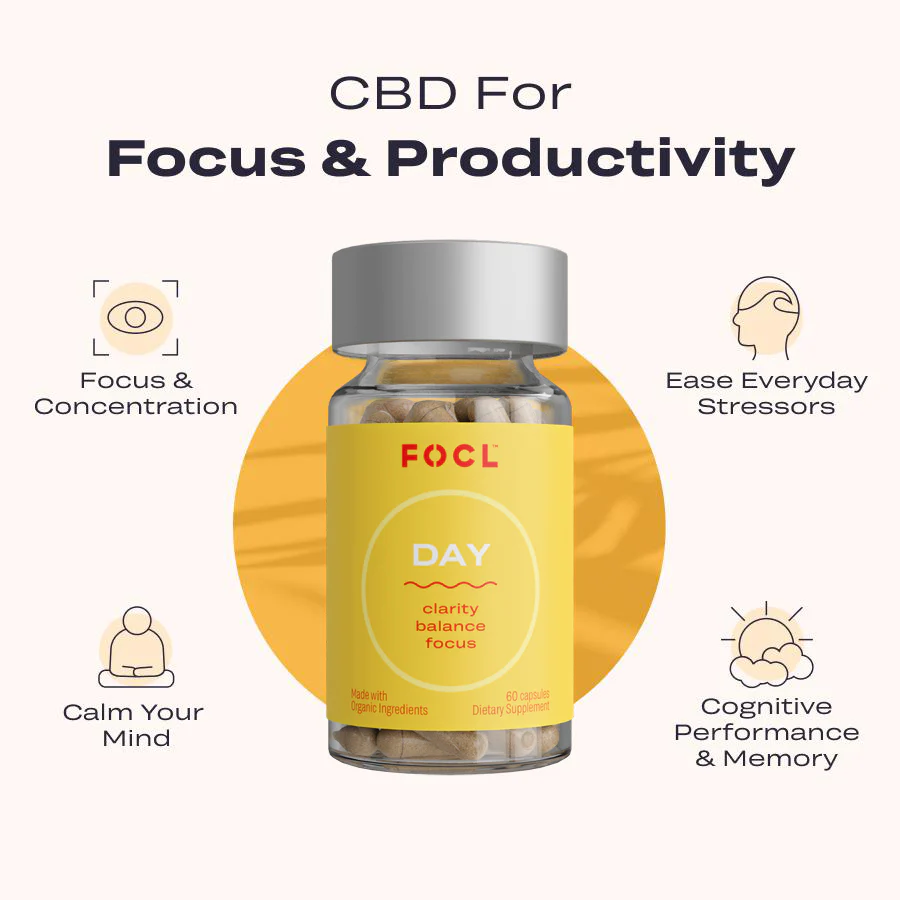
FOCL Day is a nootropic supplement designed to support mental clarity, focus, and memory. It contains a blend of natural ingredients, including Organic Lion’s Mane, Organic Rhodiola Rosea, L-theanine, Vitamin B6, Organic Bacopa Monnieri, and Premium Hemp CBD. These ingredients have been clinically shown to enhance cognitive function and reduce stress and anxiety. This is the reason why it is one of the best nootropics for social anxiety.

Big Brain Capsules 

Big Brain Capsules is another nootropic supplement designed to improve cognitive function and reduce anxiety. It contains a blend of natural ingredients, including CBD, Vitamin B12, Ginseng Extract, Bacopa Extract, and Lion’s Mane. These ingredients have been shown to improve focus and reduce stress and anxiety.

BATCH’s Brain Boost Gummies

best nootropics for social anxiety

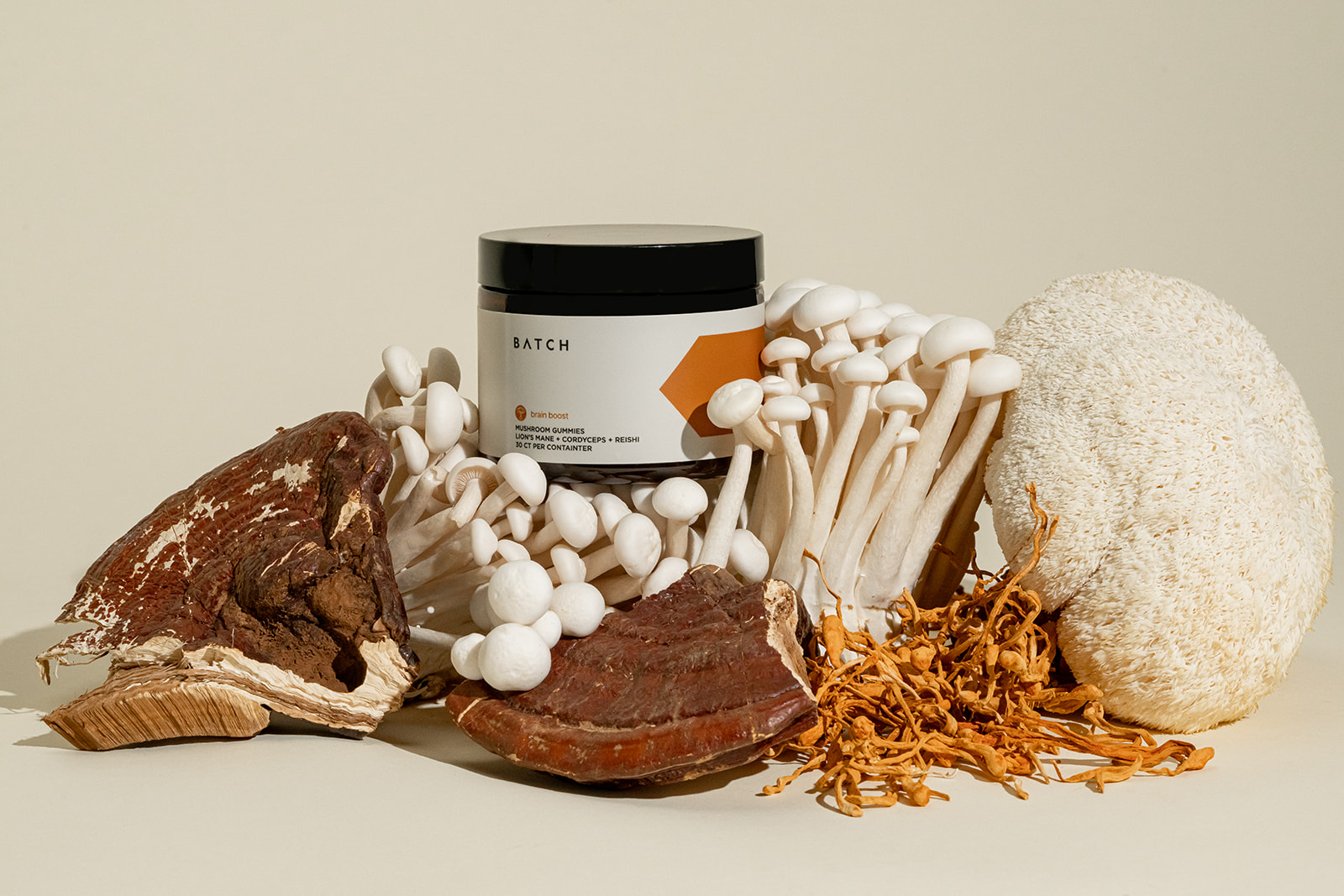
BATCH’s Brain Boost Gummies are the best nootropic for social anxiety. These gummies are designed to improve cognitive function, including memory, focus, and mood. They contain a blend of natural ingredients, including Lion’s Mane Mushroom, Cordyceps, Reishi, Ginger Root, and Vitamin B.

BATCH’s Brain Boost Gummies stand out as one of the best nootropics for social anxiety because they contain a perfect balance of ingredients that are specifically designed to combat social anxiety. Lion’s Mane help support brain function and nerve growth. On the other hand, Cordyceps helps to increase natural energy levels and reduce fatigue. While Reishi assists to regulate sleep and supports mood and creativity.

How to Choose the Right Nootropic Supplement for Social Anxiety

When choosing a nootropic supplement for social anxiety, it’s important to look for ingredients that are specifically designed to combat anxiety and promote relaxation. Look for ingredients like Lion’s Mane Mushroom, Cordyceps, Reishi, Ginger Root, and Vitamin B. Choosing a supplement made from high-quality, natural ingredients is also important.

How to Take Nootropic Supplements for Social Anxiety

When taking nootropic supplements for social anxiety, it’s important to follow the instructions on the label carefully. People usually take most nootropic supplements once or twice a day, with or without food. It’s important to start with a low dose and gradually increase the dose over time.

Potential Side Effects of Nootropic Supplements

While nootropic supplements are generally safe and well-tolerated, some people may experience side effects. These side effects can include headaches, nausea, and gastrointestinal upset. It’s important to talk to your doctor before taking any new supplement.

Final Thoughts

Social anxiety can be a debilitating condition, but there are several nootropic supplements on the market that can help alleviate the symptoms of social anxiety. While there are many great nootropic supplements to choose from, BATCH’s Brain Boost Gummies stand out as the best nootropic for social anxiety due to their specific blend of anxiety-reducing ingredients.

FAQs

Are nootropic supplements safe to take for social anxiety?

Yes, nootropic supplements are generally safe and well-tolerated. However, it’s important to talk to your doctor before taking any new supplement.

How long does it take for nootropic supplements to start working?

It can take anywhere from a few days to a few weeks to see the full effects of nootropic supplements.

Can nootropic supplements cure social anxiety?

No, nootropic supplements cannot cure social anxiety, but they can help alleviate the symptoms.

Can nootropic supplements interact with other medications?

Yes, nootropic supplements can interact with other medications. It’s important to talk to your doctor before taking any new supplement.

Can children take nootropic supplements for social anxiety?

No, we do not recommend giving nootropic supplements to children.

References:

Anxiety & Depression Association of America. (n.d.). Facts & Statistics: Anxiety and Depression Association of America, ADAA. Facts & Statistics | Anxiety and Depression Association of America, ADAA. https://adaa.org/understanding-anxiety/facts-statistics

B Vitamins: Foods, Benefits, Side Effects Dosage

A variety of colorful fruits and vegetables

If you’re wondering whether or not you need to be paying attention to B vitamins, the answer is simple: yes, you do. B vitamins are some of the most essential vitamins that your body needs for overall health and wellness. They play vital roles in a broad range of body functions and are necessary for good health.

Introduction to B Vitamins: What They Are and Why They Matter

B vitamins are a group of eight essential vitamins. They include thiamin (vitamin B1), riboflavin (vitamin B2), niacin (vitamin B3), pantothenic acid (vitamin B5), pyridoxine (vitamin B6), biotin (vitamin B7), folate (vitamin B9), and cobalamin (vitamin B12). Each of these vitamins plays a unique role in the body, and a deficiency in any one of them can result in a range of health problems.

Thiamin, also known as vitamin B1, is essential for the metabolism of carbohydrates and the proper functioning of the nervous system. Riboflavin, or vitamin B2, is important for maintaining healthy skin, eyes, and nervous system. Niacin, or vitamin B3, helps to lower cholesterol levels and is important for the health of the skin, nerves, and digestive system.

Pantothenic acid, or vitamin B5, is involved in the production of hormones and the metabolism of fats and carbohydrates. Pyridoxine, or vitamin B6, is important for the production of red blood cells and the proper functioning of the nervous system. Biotin, or vitamin B7, is essential for the metabolism of fats, carbohydrates, and proteins, and is important for healthy skin, hair, and nails.

Understanding the Types of B Vitamins and Their Functions

Thiamin is essential for energy production, nerve function, and muscle function. Riboflavin is necessary for the production of red blood cells and maintaining healthy skin.

Niacin helps to maintain a healthy cardiovascular system and aid in digestion. Pantothenic acid plays a role in the production of hormones and cholesterol, and also helps to break down fats and carbohydrates. Pyridoxine is necessary for the production of neurotransmitters and the creation of red blood cells.

Biotin is essential for healthy hair, skin, and nails, while folate is crucial for the proper development of the fetal brain and spine. Lastly, cobalamin is important for maintaining healthy nerve cells and blood cells, as well as DNA synthesis.

In addition to their individual functions, B vitamins also work together to support overall health. For example, vitamin B6 helps the body absorb vitamin B12, and folate works with vitamin B12 to produce red blood cells. Additionally, vitamin B12 and folate are important for preventing anemia.

It’s important to note that some people may be at risk for B vitamin deficiencies, such as those who follow a vegan or vegetarian diet, as well as older adults who may have difficulty absorbing certain vitamins. In these cases, supplements or fortified foods may be necessary to ensure adequate intake of B vitamins.

How B Vitamins Support the Nervous System and Brain Health

B vitamins are particularly important for the nervous system and brain function. They help to produce neurotransmitters, which are responsible for communication between cells in the brain. The B vitamins also protect the myelin sheath, which is the outer layer of nerve cells that speeds up the transmission of signals throughout the body.

In addition to their role in producing neurotransmitters and protecting the myelin sheath, B vitamins also play a crucial role in regulating mood and reducing the risk of depression. Studies have shown that individuals with low levels of B vitamins, particularly B6, B9 (folate), and B12, are more likely to experience symptoms of depression and anxiety. Therefore, it is important to ensure that you are getting enough B vitamins in your diet to support both your physical and mental health.

The Role of B Vitamins in Energy Metabolism

B vitamins are essential for the metabolism of carbohydrates, fats, and proteins. They help convert food into energy that the body can use. These vitamins also help to keep metabolism running smoothly, which can help to manage weight and maintain steady energy levels throughout the day.

In addition to their role in energy metabolism, B vitamins also play a crucial role in maintaining a healthy nervous system. They help to produce neurotransmitters, which are chemicals that transmit signals between nerve cells. This is important for maintaining cognitive function, mood, and overall mental health. Some studies have also suggested that B vitamins may help to reduce the risk of developing certain neurological conditions, such as Alzheimer’s disease.

B Vitamins and Immunity: How They Help Fight Infections

B vitamins play a crucial role in supporting the immune system. They help to create white blood cells, which are essential for fighting off infections and diseases. Additionally, these vitamins help to reduce inflammation in the body, which can help to improve overall immunity.

Some of the B vitamins, such as B6 and B12, also play a role in the production of antibodies, which are proteins that help to identify and neutralize harmful pathogens. Without enough B vitamins, the immune system may not function properly, leaving the body more susceptible to infections and illnesses. It is important to consume a balanced diet that includes sources of B vitamins, such as whole grains, leafy greens, and lean proteins, to support a healthy immune system.

B Vitamins and Heart Health: What You Need to Know

B vitamins play a critical role in heart health. They help to reduce high levels of homocysteine in the blood, which is a risk factor for heart disease. Additionally, these vitamins may help to lower blood pressure and reduce the risk of stroke.

One of the most important B vitamins for heart health is vitamin B12. This vitamin is essential for the production of red blood cells, which carry oxygen throughout the body. Without enough vitamin B12, the heart may not receive enough oxygen, which can lead to heart problems.

Another B vitamin that is important for heart health is folic acid. This vitamin helps to lower levels of homocysteine in the blood, which can reduce the risk of heart disease. Folic acid is especially important for pregnant women, as it can help to prevent birth defects in the baby’s heart.

The Connection between B Vitamins and Skin Health

Many B vitamins are important for healthy skin, hair, and nails. Biotin, in particular, is essential for healthy hair, skin, and nails. Thiamin, riboflavin, niacin, and pyridoxine are also important for maintaining healthy skin.

In addition to their role in maintaining healthy skin, B vitamins also play a crucial role in overall health and wellness. They are essential for proper metabolism, energy production, and the functioning of the nervous system. Vitamin B12, in particular, is important for maintaining healthy nerve cells and red blood cells. It is also involved in DNA synthesis and the production of neurotransmitters.

Foods Rich in B Vitamins: A Comprehensive Guide

There are numerous foods that are rich in B vitamins. Some of the best sources include whole grains, dark leafy greens, meat, fish, poultry, eggs, dairy, nuts, and seeds. By eating a variety of these foods, you should be able to get all of the B vitamins that you need.

It is important to note that B vitamins play a crucial role in maintaining good health. They help convert food into energy, support the nervous system, and aid in the production of red blood cells. In addition, B vitamins have been linked to improved mood and cognitive function. Therefore, it is recommended to include a variety of B vitamin-rich foods in your diet to ensure optimal health and well-being.

Who Needs B Vitamin Supplements? A Look at Deficiency Risks and Symptoms

While most people can get enough B vitamins from a healthy and varied diet, certain groups of people may be at risk for deficiency. These groups include vegetarians and vegans, older adults, pregnant women, and people with certain medical conditions. Symptoms of a B vitamin deficiency can include fatigue, weakness, tingling or numbness in the hands or feet, and a pale complexion.

Vegetarians and vegans may be at risk for B vitamin deficiencies because they do not consume animal products, which are a major source of vitamin B12. Older adults may also be at risk because their bodies may not absorb B vitamins as efficiently as younger individuals. Pregnant women require higher levels of B vitamins to support the growth and development of their fetus, and a deficiency can lead to birth defects.

People with certain medical conditions, such as Crohn’s disease or celiac disease, may have difficulty absorbing B vitamins from their food. Additionally, individuals who have undergone weight loss surgery may also be at risk for B vitamin deficiencies because the surgery can affect the body’s ability to absorb nutrients.

The Pros and Cons of Taking Vitamin B Complex Supplements

If you’re concerned that you may not be getting enough B vitamins from your diet, you may consider taking a B vitamin supplement. A B vitamin complex supplement is a popular choice, as it includes all eight B vitamins. However, it’s important to talk to your healthcare provider before taking any supplements to ensure that they’re safe for you and won’t interact with any other medications or supplements that you’re taking.

One of the benefits of taking a B vitamin complex supplement is that it can help improve energy levels and reduce fatigue. B vitamins play a crucial role in converting food into energy, and a deficiency in these vitamins can lead to feelings of tiredness and weakness. However, it’s important to note that taking too much of certain B vitamins, such as B6 and B12, can actually have negative effects on the body. It’s important to follow the recommended dosage and talk to your healthcare provider if you experience any adverse effects.

How to Choose the Right Vitamin B Supplement for Your Needs

If you’re looking for a B vitamin supplement, there are a few things to keep in mind. Look for a supplement that includes all eight B vitamins, and check the dosage to make sure that it meets your needs. Additionally, be sure to choose a reputable brand that uses high-quality ingredients.

It’s also important to consider the form of the supplement. Vitamin B supplements come in various forms, including capsules, tablets, and gummies. Capsules and tablets are typically more concentrated and may be better suited for individuals with specific dietary needs. Gummies, on the other hand, may be more appealing for those who have difficulty swallowing pills or who prefer a more enjoyable way to take their supplements.

Another factor to consider is whether the supplement is vegan or vegetarian-friendly. Some B vitamin supplements contain animal-derived ingredients, such as gelatin, which may not be suitable for those following a plant-based diet. Look for supplements that are labeled as vegan or vegetarian to ensure that they meet your dietary preferences.

Conclusion

B vitamins are essential for overall health and wellness. They play vital roles in energy metabolism, brain function, heart health, and immunity. While most people can get enough of these vitamins from a healthy diet, some may benefit from a supplement. Talk to your healthcare provider to determine if a B vitamin supplement is right for you.

It is important to note that taking high doses of certain B vitamins, such as B6 and B12, can have negative effects on health. Too much B6 can cause nerve damage, while excessive B12 intake can lead to acne and skin rashes. Therefore, it is crucial to follow recommended daily intake guidelines and not exceed the recommended dosage.

In addition to supplements, there are many foods that are rich in B vitamins. Some of the best sources include leafy greens, whole grains, nuts, and seeds. Incorporating these foods into your diet can help ensure that you are getting enough of these essential nutrients.

Bacopa Monnieri: Uses, Side Effects, And Benefits

A plant with a detailed close-up of the leaves and flowers of bacopa monnieri

Are you looking for a natural way to boost your brain health and reduce stress and anxiety? Look no further than Bacopa Monnieri, an herb that has been used for centuries in traditional medicine to enhance cognition and promote relaxation. In this article, we’ll delve into the science behind Bacopa Monnieri, explore its many health benefits, and help you determine if it’s the right supplement for your needs.

A Brief Introduction to Bacopa Monnieri: What is it?

Bacopa Monnieri, also known as water hyssop, is a perennial herb that is native to wetlands and marshes in India, Southeast Asia, and North America. It has been used in Ayurvedic medicine for thousands of years to improve memory, enhance cognitive function, and reduce anxiety and stress. Bacopa Monnieri contains two active compounds, bacosides A and B, which are believed to be responsible for its health benefits.

Recent studies have shown that Bacopa Monnieri may also have potential as a treatment for certain neurological disorders, such as Alzheimer’s disease and Parkinson’s disease. The herb has been found to have neuroprotective properties, which means it may help to prevent damage to the brain and nervous system.

In addition to its cognitive and neurological benefits, Bacopa Monnieri has also been used to treat a variety of other health conditions, including asthma, epilepsy, and digestive issues. It is often taken in supplement form, and is generally considered safe for most people when used as directed.

The History and Traditional Uses of Bacopa Monnieri

The use of Bacopa Monnieri in Ayurvedic medicine dates back to at least the 6th century AD, when it was used to treat various neurological and mental disorders. It was believed to enhance memory, promote mental clarity, and reduce anxiety and stress. In Indian folklore, Bacopa Monnieri was also used as a tonic to improve overall health and vitality.

Recent scientific studies have also shown promising results for the use of Bacopa Monnieri in improving cognitive function and memory in healthy individuals. One study found that participants who took Bacopa Monnieri supplements for 12 weeks showed significant improvements in memory recall and cognitive processing speed.

Bacopa Monnieri is also being researched for its potential as a natural treatment for ADHD. A study conducted on children with ADHD found that those who took Bacopa Monnieri supplements for 6 months showed significant improvements in attention, behavior, and cognitive function compared to those who took a placebo.

How Bacopa Monnieri Works: The Science Behind the Benefits

Bacopa Monnieri’s active compounds, bacosides A and B, are believed to enhance cognitive function by improving communication between neurons in the brain. They may also promote the growth of new neurons and protect existing neurons from damage. Additionally, Bacopa Monnieri has been shown to have anti-inflammatory, antioxidant, and adaptogenic properties that may further enhance its benefits.

Recent studies have also suggested that Bacopa Monnieri may have potential as a treatment for anxiety and depression. One study found that a daily dose of Bacopa Monnieri extract significantly reduced symptoms of anxiety in participants after 12 weeks. Another study showed that Bacopa Monnieri extract had antidepressant effects in rats.

Furthermore, Bacopa Monnieri has been used in traditional Ayurvedic medicine for centuries to improve memory and learning. In one study, participants who took Bacopa Monnieri extract showed significant improvements in memory recall and cognitive processing speed compared to those who took a placebo.

The Top Health Benefits of Bacopa Monnieri: From Brain Health to Digestion

Bacopa Monnieri has many potential health benefits, including:

  • Improved memory and cognitive function
  • Reduced stress and anxiety
  • Promotion of overall brain health
  • Possible anti-inflammatory and antioxidant effects
  • Potential benefits for digestive and heart health

Recent studies have also suggested that Bacopa Monnieri may have potential benefits for individuals with ADHD, as it may improve attention and focus. Additionally, some research has shown that Bacopa Monnieri may have anti-cancer properties, although more studies are needed to confirm this.

It is important to note that while Bacopa Monnieri is generally considered safe, it may interact with certain medications and should not be taken by pregnant or breastfeeding women without consulting a healthcare professional. As with any supplement, it is important to speak with a healthcare provider before adding Bacopa Monnieri to your routine.

Bacopa Monnieri for Memory Enhancement: What the Research Says

Several studies have shown that Bacopa Monnieri may enhance memory and cognitive function in both healthy individuals and those with cognitive impairment. One study found that participants who took Bacopa Monnieri for 12 weeks saw significant improvements in memory recall and processing speed compared to those who took a placebo.

Another study conducted on elderly participants with mild cognitive impairment found that Bacopa Monnieri supplementation for 6 months resulted in significant improvements in attention, verbal learning, and memory compared to the placebo group. The researchers concluded that Bacopa Monnieri may be a safe and effective treatment for age-related cognitive decline.

Furthermore, Bacopa Monnieri has been found to have antioxidant and anti-inflammatory properties, which may contribute to its cognitive-enhancing effects. It has also been shown to increase levels of certain neurotransmitters, such as acetylcholine and serotonin, which are involved in memory and mood regulation.

The Role of Bacopa Monnieri in Reducing Stress and Anxiety

Bacopa Monnieri has been shown to have anxiolytic effects, meaning it may help reduce symptoms of anxiety. One study found that participants who took Bacopa Monnieri for 12 weeks saw a significant reduction in anxiety levels compared to those who took a placebo. Bacopa Monnieri may also help reduce symptoms of depression in some individuals.

In addition to its anxiolytic effects, Bacopa Monnieri has also been found to have neuroprotective properties. Studies have shown that it may help protect the brain from oxidative stress and improve cognitive function. Bacopa Monnieri has also been used in traditional Ayurvedic medicine to improve memory and learning. However, more research is needed to fully understand its potential benefits.

Can Bacopa Monnieri Help with Depression?

While more research is needed, some studies suggest that Bacopa Monnieri may have antidepressant effects. One study found that participants with mild to moderate depression who took Bacopa Monnieri for 12 weeks saw significant improvements in mood compared to those who took a placebo. Bacopa Monnieri may also enhance the effects of certain antidepressant medications.

Additionally, Bacopa Monnieri has been found to have neuroprotective properties, which may be beneficial for individuals with depression. Studies have shown that Bacopa Monnieri can protect brain cells from damage caused by stress and inflammation, which are both factors that can contribute to depression.

It is important to note that while Bacopa Monnieri may have potential benefits for individuals with depression, it should not be used as a substitute for professional medical treatment. Anyone experiencing symptoms of depression should seek the advice of a healthcare professional before starting any new supplement or medication.

How Bacopa Monnieri Can Improve Your Focus and Productivity

Bacopa Monnieri may help improve focus and increase productivity by enhancing cognitive function and reducing symptoms of stress and anxiety. One study found that participants who took Bacopa Monnieri for 12 weeks saw significant improvements in attention and processing speed compared to those who took a placebo.

In addition to improving cognitive function, Bacopa Monnieri has also been shown to have potential benefits for memory retention. A study conducted on elderly participants found that those who took Bacopa Monnieri for 12 weeks showed significant improvements in memory recall compared to those who took a placebo.

Furthermore, Bacopa Monnieri has been used in traditional Ayurvedic medicine for centuries to treat a variety of ailments, including epilepsy, asthma, and ulcers. While more research is needed to fully understand its potential benefits, these traditional uses suggest that Bacopa Monnieri may have a wide range of health benefits beyond just improving focus and productivity.

The Potential Anti-Inflammatory Properties of Bacopa Monnieri

Bacopa Monnieri has been shown to have anti-inflammatory properties that may help reduce inflammation throughout the body. One study found that Bacopa Monnieri reduced markers of inflammation in the brain and may have potential benefits for neuroinflammation and neurodegenerative diseases.

Additionally, Bacopa Monnieri has been found to have antioxidant properties that can help protect cells from damage caused by free radicals. Free radicals are unstable molecules that can cause oxidative stress, which has been linked to a variety of chronic diseases such as cancer, diabetes, and heart disease. By reducing oxidative stress, Bacopa Monnieri may have potential benefits for overall health and disease prevention.

How Bacopa Monnieri May Benefit Heart Health and Lower Blood Pressure

Studies suggest that Bacopa Monnieri may have potential benefits for heart health and blood pressure regulation. One study found that participants who took Bacopa Monnieri for 12 weeks had lower systolic blood pressure compared to those who took a placebo. Bacopa Monnieri may also help reduce oxidative stress and improve endothelial function.

Who Should Consider Taking Bacopa Monnieri?

Anyone who is looking to enhance their cognitive function and reduce stress and anxiety may benefit from taking Bacopa Monnieri. It may also be beneficial for individuals with mild cognitive impairment, depression, or high blood pressure. However, it’s important to talk to your healthcare provider before starting any new supplement.

Bacopa Monnieri has been used in traditional Ayurvedic medicine for centuries to improve memory and cognitive function. Recent studies have shown that it may also have neuroprotective effects and could potentially be used in the treatment of neurodegenerative diseases such as Alzheimer’s and Parkinson’s. However, more research is needed in this area.

Dosage and Side Effects of Bacopa Monnieri

Dosages of Bacopa Monnieri can vary depending on the form and strength of the supplement. It’s important to follow the instructions on the label and to talk to your healthcare provider before starting any new supplement. Side effects may include dry mouth, nausea, fatigue, and stomach cramps, but are typically mild and temporary.

Studies have shown that Bacopa Monnieri may have potential benefits for cognitive function, including improved memory and attention. However, more research is needed to fully understand its effects on the brain.

Bacopa Monnieri is also believed to have antioxidant properties, which may help protect cells from damage caused by free radicals. This could potentially have benefits for overall health and wellness.

Conclusion: Is Bacopa Monnieri Right for You?

Bacopa Monnieri has many potential health benefits, from enhanced cognitive function to reduced stress and anxiety. While more research is needed to fully understand its effects, it appears to be a safe and effective supplement for many individuals. If you’re interested in taking Bacopa Monnieri, be sure to talk to your healthcare provider to determine if it’s the right supplement for your needs.

It’s important to note that Bacopa Monnieri may interact with certain medications, such as those for thyroid disorders or epilepsy. Additionally, some individuals may experience side effects such as nausea or gastrointestinal discomfort. As with any supplement, it’s important to carefully consider the potential risks and benefits before incorporating it into your routine. Your healthcare provider can help you make an informed decision based on your individual health needs and medical history.

Pros and Cons of Baby Formula

A baby bottle with a colorful background

If you’re a new parent, then you’ve probably heard about baby formula, but may not know much about it. In this article, we’ll explore all the aspects of baby formula, including the different types available, how to choose the right formula for your infant, the benefits of using it, how to prepare and feed your little one, and much more. So, let’s get started!

What is Baby Formula?

Simply put, baby formula is a substitute for breast milk. It’s a mixture of proteins, carbohydrates, fats, vitamins, and minerals that provides all the essential nutrients your baby needs to grow and develop, just like breast milk. It’s also regulated by the FDA, which ensures its safety and quality.

There are different types of baby formula available in the market, including cow’s milk-based, soy-based, and hypoallergenic formulas. Cow’s milk-based formulas are the most commonly used and are suitable for most babies. Soy-based formulas are an alternative for babies who are allergic to cow’s milk or lactose intolerant. Hypoallergenic formulas are specially designed for babies with allergies or intolerances to certain proteins.

It’s important to note that while baby formula is a safe and nutritious alternative to breast milk, it’s still recommended that babies be breastfed exclusively for the first six months of life. Breast milk provides additional benefits, such as antibodies that help protect against infections and illnesses. However, if breastfeeding is not possible or not preferred, baby formula is a suitable alternative that can provide all the necessary nutrients for a baby’s growth and development.

Types of Baby Formula

There are three main types of baby formula: cow’s milk-based, soy-based, and hypoallergenic. Cow’s milk-based formula is the most common and contains proteins that are similar to those found in breast milk. Soy-based formula, as the name suggests, is made from soy protein and is best for babies who are allergic to cow’s milk. Finally, hypoallergenic formula is for babies who have a severe allergy to cow’s milk and soy. It’s made from partially hydrolyzed proteins, which are broken down to make them easier to digest.

It’s important to note that while cow’s milk-based formula is the most common, it may not be suitable for all babies. Some babies may have trouble digesting the proteins in cow’s milk and may require a different type of formula. Additionally, some formulas may be fortified with additional nutrients, such as iron or DHA, which can be beneficial for a baby’s development. It’s important to consult with a pediatrician to determine the best type of formula for your baby’s individual needs.

Choosing the Right Baby Formula for Your Infant

Choosing the right formula for your baby can seem overwhelming, but it doesn’t have to be. Talk to your pediatrician, who can provide guidance on which type of formula is best for your baby’s individual needs. You should also consider your family’s medical history, as certain allergies or intolerances may run in your family. When choosing a formula, look for a reliable brand that is FDA-approved and contains all the necessary nutrients your baby needs.

It’s important to note that not all formulas are created equal. Some formulas may contain added sugars or artificial flavors, which can be harmful to your baby’s health. It’s best to choose a formula that is as close to breast milk as possible, as breast milk provides the ideal balance of nutrients for your baby’s growth and development. Additionally, if your baby experiences any adverse reactions to a particular formula, such as excessive gas or fussiness, talk to your pediatrician about switching to a different formula that may be better suited to your baby’s needs.

Benefits of Using Baby Formula

Using baby formula can have a number of benefits for both parents and babies. For parents, it means more flexibility and freedom, as anyone can feed the baby, and it’s easier to monitor how much your baby is eating. For babies, it means they’re still getting all the necessary nutrients they need to grow and develop, regardless of whether or not they’re being breastfed. It can also be a good way to supplement breast milk if you’re struggling to produce enough or if you need to go back to work.

Another benefit of using baby formula is that it can be easier to digest for some babies. Breast milk can sometimes cause digestive issues such as gas or colic, whereas formula can be gentler on the stomach. Additionally, formula-fed babies may sleep for longer stretches at night, as formula takes longer to digest than breast milk. It’s important to note that every baby is different and what works for one may not work for another, so it’s always best to consult with a pediatrician before making any decisions about feeding your baby.

How to Prepare and Feed Your Infant with Baby Formula

Preparing and feeding your baby formula is relatively easy, but it’s essential to follow the instructions on the packaging closely. Simply mix the appropriate amount of powder with water and shake well. Test the temperature of the formula on your wrist before offering it to your baby. Be sure to hold your baby upright while feeding, and burp them every few minutes to help prevent gas and discomfort.

It’s important to note that not all baby formulas are created equal. Some babies may have specific dietary needs or allergies that require a specialized formula. It’s always best to consult with your pediatrician before choosing a formula for your baby. Additionally, it’s recommended to use a clean and sterilized bottle and nipple for each feeding to prevent the spread of bacteria.

As your baby grows, their feeding needs may change. It’s important to pay attention to their cues and adjust the amount and frequency of feedings accordingly. It’s also recommended to introduce solid foods around 6 months of age, but again, consult with your pediatrician for guidance on when and how to do so.

Common Concerns about Baby Formula

Some parents may have concerns about the safety or quality of baby formula, but it’s important to note that it’s regulated by the FDA and undergoes strict testing to ensure its safety and effectiveness. However, you should still be mindful of the expiration date and storage instructions on the package to prevent spoilage or contamination. If you have any concerns about baby formula, speak to your pediatrician.

It’s also important to note that not all baby formulas are created equal. Some babies may have specific dietary needs or allergies that require a specialized formula. It’s important to consult with your pediatrician to determine which formula is best for your baby’s individual needs. Additionally, some parents may choose to use organic or non-GMO formulas, which can provide peace of mind for those who prioritize these factors in their baby’s diet.

How Baby Formula Can Help Working Moms

For working moms, baby formula can be a lifesaver, providing a convenient and reliable source of nutrition for their baby. It allows them to return to work without sacrificing their baby’s health, and can be a great way for dads or other caregivers to bond with the baby through feeding.

Additionally, baby formula can be a good option for moms who struggle with breastfeeding due to medical reasons or low milk supply. It ensures that the baby is still receiving the necessary nutrients for healthy growth and development.

Moreover, baby formula can be a helpful solution for moms who are constantly on the go or traveling. It eliminates the need for breastfeeding or pumping in public places, which can be uncomfortable or inconvenient for some moms.

Comparing the Cost of Breastfeeding vs. Using Baby Formula

When it comes to cost, breastfeeding is certainly the cheaper option, as it’s free. However, it’s not always possible or practical for every family. Formula, on the other hand, can be pricey, but there are many affordable options available. It ultimately comes down to what works best for your family’s budget and lifestyle.

Aside from cost, there are other factors to consider when deciding between breastfeeding and formula feeding. Breast milk provides numerous health benefits for both the baby and the mother, including a reduced risk of infections, allergies, and chronic diseases. It also promotes bonding between the mother and baby. However, formula can be a good alternative for mothers who are unable to breastfeed due to medical reasons or personal preferences.

It’s important to note that regardless of whether you choose to breastfeed or use formula, both options require proper preparation and storage to ensure the safety and health of your baby. Always follow the instructions on the formula packaging and consult with a healthcare professional if you have any concerns or questions about feeding your baby.

The Nutritional Value of Different Brands of Baby Formula

All baby formulas are required to meet specific nutritional guidelines, but some brands may differ slightly in terms of their formula’s makeup. It’s important to choose a reliable brand that provides all the essential nutrients your baby needs. Again, speak to your pediatrician if you have any questions or concerns.

One factor to consider when choosing a baby formula is the type of protein used. Some formulas use cow’s milk protein, while others use soy protein or hydrolyzed protein. Your pediatrician can help you determine which type of protein is best for your baby based on any allergies or sensitivities they may have.

In addition to protein, many baby formulas also contain added ingredients such as prebiotics, probiotics, and DHA. These ingredients can provide additional benefits for your baby’s digestive health and brain development. However, it’s important to note that not all formulas contain these added ingredients, so be sure to read the label carefully when making your selection.

Understanding the Ingredients in Baby Formula

The ingredients in baby formula are carefully selected to mimic the nutrients found in breast milk. Ingredients can vary somewhat depending on the type of formula, but most contain a combination of proteins, fats, carbohydrates, and essential vitamins and minerals.

Protein is a key ingredient in baby formula, as it is essential for growth and development. Most formulas use cow’s milk protein, which is modified to make it easier for babies to digest. Some formulas also use soy protein for babies who are allergic to cow’s milk.

Fats are another important ingredient in baby formula, as they provide energy and aid in brain development. Most formulas use a blend of vegetable oils, such as palm, soy, and coconut oil, to provide a balance of different types of fats. Some formulas also contain added DHA and ARA, which are fatty acids found in breast milk that are important for brain and eye development.

Tips for Storing and Handling Baby Formula Safely

To ensure the safety and effectiveness of baby formula, it’s crucial to follow proper storage and handling procedures. Store unopened formula at room temperature, and once opened, refrigerate any unused formula and use it within 24 hours. Always wash your hands before preparing and handling formula, and use sterilized bottles and nipples.

It’s also important to note that powdered formula should be prepared with water that has been boiled and cooled to the appropriate temperature. Follow the instructions on the formula packaging for the correct ratio of water to powder. Additionally, never microwave formula as it can create hot spots that can burn your baby’s mouth. Instead, warm the prepared formula by placing the bottle in a bowl of warm water or using a bottle warmer. Always test the temperature of the formula on your wrist before feeding it to your baby.

Common Misconceptions about Baby Formula

There are many myths and misconceptions surrounding baby formula. One common one is that formula-fed babies won’t bond with their mothers as well as breastfed babies. However, this is simply not true. Formula-fed babies can bond just as well with their mothers, and it’s the quality of time spent with a baby that helps build a strong bond, not the method of feeding.

Another common misconception is that formula-fed babies are less healthy than breastfed babies. While breast milk does provide some unique benefits, such as antibodies and enzymes that can help protect against infections, formula is still a safe and nutritious option for babies. In fact, many formula brands now include added nutrients, such as DHA and ARA, that are also found in breast milk and can support a baby’s growth and development.

How to Transition Your Infant from Breast Milk to Baby Formula

Transitioning from breast milk to baby formula can be a gradual process. Start by replacing one feeding with formula and gradually increasing the number of feedings until your baby is completely weaned. Be patient and allow for some trial and error. Your baby may prefer one particular brand or type of formula over another, and that’s okay.

It’s important to note that some babies may experience digestive issues during the transition from breast milk to formula. If your baby is experiencing constipation, gas, or other discomfort, try switching to a different type of formula or adjusting the amount of formula given at each feeding. You can also consult with your pediatrician for advice on how to ease the transition.

Once your baby is fully transitioned to formula, it’s important to continue to monitor their growth and development. Make sure to follow the recommended feeding guidelines for your baby’s age and weight, and watch for any signs of allergies or intolerance to the formula. With patience and care, you can successfully transition your infant from breast milk to baby formula.

The Role of Pediatricians in Guiding Parents on Choosing the Right Baby Formula

Your pediatrician can be an invaluable resource when it comes to choosing the right baby formula for your infant. They can provide guidance on which type of formula is best for your baby’s individual needs, and offer tips on preparing and feeding your baby. They can also help alleviate any concerns or questions you may have about baby formula.

Overall, baby formula can be a safe and effective alternative to breast milk. With a little research and guidance from your pediatrician, you can choose the right type and brand for your baby’s individual needs. Whether you’re a working mom or simply looking for more flexibility and convenience, baby formula can be a great option for both parents and babies.

It is important to note that while baby formula can be a suitable alternative to breast milk, it should not be used as a replacement for bonding and nurturing through breastfeeding. Pediatricians recommend that mothers breastfeed exclusively for the first six months of a baby’s life, if possible. However, if breastfeeding is not an option or if a mother chooses to supplement with formula, it is important to work with a pediatrician to ensure that the baby is receiving proper nutrition and care.