Where healthy people hang

Medium-Chain Triglycerides: Benefits, Side Effects, and Dosage

A molecule of medium-chain triglycerides

Medium-chain triglycerides (MCTs) have gained popularity in recent years as a potential health superfood. They have been praised for their ability to aid in weight loss, improve cognitive function, and promote heart health. However, with any new health trend, it’s important to understand the facts and science behind the claims before jumping on the bandwagon. This article will explore the benefits, potential side effects, and recommended dosage of MCTs, as well as how to incorporate them into your diet.

What are medium-chain triglycerides?

Medium-chain triglycerides are a unique type of fat that have a shorter chain length than other fats. They are found naturally in coconut oil, palm kernel oil, and dairy products, but can also be extracted and sold as supplements in the form of MCT oil. MCTs are easily digested and converted into ketones, which can be used by the brain and body for fuel.

Research has shown that consuming MCTs may have several health benefits. For example, they may help with weight loss by increasing feelings of fullness and boosting metabolism. MCTs have also been shown to improve cognitive function in people with Alzheimer’s disease and other forms of dementia.

However, it’s important to note that MCTs are still a type of fat and should be consumed in moderation. Overconsumption of MCTs can lead to digestive issues and an increase in cholesterol levels. As with any supplement, it’s best to consult with a healthcare professional before adding MCTs to your diet.

The difference between MCTs and other types of fats

The majority of fats in our diet are long-chain triglycerides (LCTs). LCTs are broken down slowly and used primarily for energy storage in the body. In contrast, MCTs are quickly digested and metabolized, making them a quick source of energy. MCTs are also less likely to be stored as fat in the body compared to LCTs. MCTs are unique in their ability to produce ketones, which can be used as an energy source in the absence of glucose.

Another important difference between MCTs and other types of fats is their effect on appetite. Studies have shown that MCTs can help reduce appetite and increase feelings of fullness, which may lead to a reduction in calorie intake and weight loss.

Additionally, MCTs have been found to have potential health benefits for individuals with certain medical conditions. For example, research suggests that MCTs may improve cognitive function in individuals with Alzheimer’s disease and other forms of dementia. MCTs may also have a positive impact on individuals with epilepsy, as they can increase ketone levels in the body, which has been shown to reduce seizures in some cases.

Health benefits of medium-chain triglycerides

Research has suggested that MCTs may offer several health benefits. One study found that consuming MCTs can increase energy expenditure and promote weight loss. Additionally, MCTs have been found to improve cognitive function in individuals with mild to moderate cognitive impairment. MCTs have also been linked to better heart health by improving cholesterol levels and reducing inflammation in the body.

Furthermore, MCTs have been shown to have antimicrobial and antifungal properties, which can help fight off harmful bacteria and fungi in the body. This makes MCTs a potential natural remedy for certain infections. Additionally, MCTs have been found to improve insulin sensitivity, which can be beneficial for individuals with type 2 diabetes. Overall, incorporating MCTs into your diet may have a range of health benefits.

How MCTs can boost weight loss efforts

Due to their ability to increase energy expenditure and reduce fat storage in the body, MCTs may aid in weight loss efforts. Some research has suggested that consuming MCTs in combination with a calorie-restricted diet may lead to greater weight loss compared to a diet without MCTs.

Improved cognitive function through MCT consumption

Individuals with mild to moderate cognitive impairment, such as Alzheimer’s disease, may benefit from MCT consumption. MCTs are easily converted into ketones, which can be used as an alternative energy source for the brain. Studies have found that MCTs can improve cognitive function and memory in individuals with cognitive impairment.

In addition to improving cognitive function in individuals with cognitive impairment, MCT consumption has also been shown to have potential benefits for healthy individuals. Some studies suggest that MCTs may enhance mental clarity and focus, as well as improve overall brain function. However, more research is needed to fully understand the effects of MCTs on cognitive function in healthy individuals.

The role of MCTs in heart health

MCTs may also offer benefits for heart health. Several studies have found that consuming MCTs can improve cholesterol levels by increasing levels of “good” HDL cholesterol while decreasing levels of “bad” LDL cholesterol. Additionally, MCTs have been found to reduce inflammation in the body, which is a major risk factor for heart disease.

Furthermore, MCTs have been shown to have a positive impact on blood pressure levels. High blood pressure is another major risk factor for heart disease, and studies have found that consuming MCTs can help to lower blood pressure in individuals with hypertension.

Another potential benefit of MCTs for heart health is their ability to improve insulin sensitivity. Insulin resistance is a common precursor to type 2 diabetes, which is a major risk factor for heart disease. By improving insulin sensitivity, MCTs may help to reduce the risk of developing diabetes and, in turn, lower the risk of heart disease.

Potential side effects of consuming MCTs

While MCTs are generally considered safe for consumption, they may cause some side effects in certain individuals. Some people may experience digestive issues such as stomach cramps, diarrhea, or nausea when consuming MCTs. MCTs are also high in calories, so overconsumption may lead to weight gain. Additionally, individuals with liver disease or a history of pancreatitis should avoid consuming MCTs as they may exacerbate these conditions.

It is important to note that MCTs may also interact with certain medications. For example, MCTs may increase the effects of blood-thinning medications, leading to an increased risk of bleeding. Therefore, individuals taking blood-thinning medications should consult with their healthcare provider before consuming MCTs. Additionally, MCTs may also interact with medications used to treat diabetes, so individuals with diabetes should also consult with their healthcare provider before consuming MCTs.

Recommended dosages of MCTs for various health goals

The recommended dosage of MCTs varies depending on your health goals. For weight loss, studies have used a dosage of up to 30 grams of MCTs per day. For cognitive impairment, a dosage of 20 to 70 grams per day has been used in studies. It’s important to start with a lower dosage and gradually increase to allow your body to adjust and avoid potential digestive discomfort.

For athletes and bodybuilders, a dosage of 10 to 20 grams of MCTs before exercise has been shown to improve endurance and performance. Additionally, MCTs have been found to help with recovery after exercise by reducing inflammation and muscle damage.

It’s important to note that MCTs are a type of saturated fat and should be consumed in moderation. Consuming too much MCT oil can lead to digestive discomfort, such as diarrhea and stomach cramps. It’s also important to choose high-quality MCT oil that is free from additives and fillers.

Comparing natural sources of MCTs to supplements

Natural sources of MCTs such as coconut oil and palm kernel oil are safe and healthy options. However, consuming these sources in large amounts may lead to overconsumption of other fats and calories. MCT oil supplements offer a concentrated source of MCTs without the additional calories and fats found in natural sources.

It is important to note that MCT oil supplements may not provide the same health benefits as natural sources of MCTs. The processing and refining of MCT oil supplements may remove some of the beneficial compounds found in natural sources. Additionally, some MCT oil supplements may contain additives or fillers that can be harmful to health.

When choosing between natural sources of MCTs and supplements, it is important to consider individual health goals and dietary needs. Consulting with a healthcare professional or registered dietitian can help determine the best source of MCTs for an individual’s specific needs.

How to incorporate MCTs into your diet

MCTs can easily be incorporated into your diet in several ways. You can add MCT oil to smoothies, coffee, or tea for an energy boost. Cooking with MCT oil is also possible, as it has a high smoke point and does not oxidize easily. Additionally, you can replace other sources of fat in your diet with MCT oil to increase your intake of MCTs.

Another way to incorporate MCTs into your diet is by consuming foods that naturally contain them. Coconut oil, palm kernel oil, and dairy products such as butter and cheese are all good sources of MCTs. However, it’s important to consume these foods in moderation as they also contain other types of fats that may not be as beneficial for your health.

Frequently asked questions about medium-chain triglycerides

Some commonly asked questions about MCTs include whether they are safe for children or pregnant women. It is generally safe for children to consume MCTs but pregnant and breastfeeding women should consult their healthcare provider before consuming MCTs. Additionally, some people may be allergic to coconut oil, which is a natural source of MCTs, so it’s important to be aware of any allergies before consuming MCTs.

Another frequently asked question about MCTs is whether they can aid in weight loss. While some studies suggest that MCTs may increase feelings of fullness and boost metabolism, more research is needed to fully understand their potential weight loss benefits. It’s important to remember that consuming MCTs alone is not a magic solution for weight loss and should be combined with a healthy diet and exercise for best results.

Research studies on the efficacy and safety of MCTs

Several studies have been conducted on the benefits and potential side effects of consuming MCTs. One study found that MCTs may aid in weight loss by increasing energy expenditure and reducing fat storage in the body. Additionally, MCTs have been found to improve cognitive function in individuals with mild to moderate cognitive impairment. While MCTs are generally considered safe, some individuals may experience digestive discomfort when consuming MCTs.

Another study conducted on MCTs showed that they may have potential benefits for individuals with diabetes. MCTs were found to improve insulin sensitivity and reduce blood sugar levels in individuals with type 2 diabetes. However, more research is needed to fully understand the effects of MCTs on diabetes management. It is important to note that MCTs should not be used as a replacement for medication or other diabetes management strategies without consulting a healthcare professional.

Using MCT oil for cooking and baking

MCT oil can be used for cooking and baking, as it has a high smoke point and is stable at high temperatures. It can be used as a replacement for other oils in recipes to increase your intake of MCTs.

Additionally, MCT oil has been shown to have potential benefits for weight loss and improved cognitive function. When used in cooking and baking, it can help to increase feelings of fullness and satiety, which may lead to reduced calorie intake. Furthermore, MCTs are easily converted into ketones, which can provide a source of energy for the brain and improve mental clarity.

The future potential of MCT research and development

As research on MCTs continues, there may be further discoveries regarding their potential health benefits and uses. MCTs offer a unique source of energy and nutrition, and their role in optimizing health and wellness is an area of ongoing research.

In conclusion, consuming medium-chain triglycerides may offer a range of potential benefits for weight loss, cognitive function, and heart health. However, it’s important to start with a lower dosage and be aware of potential side effects. Incorporating MCTs into your diet can be done through natural sources such as coconut oil or through MCT oil supplements. As with any new health trend, it’s important to consult with your healthcare provider before making significant changes to your diet or supplement routine.

Recent studies have also shown that MCTs may have potential benefits for individuals with certain medical conditions, such as Alzheimer’s disease and epilepsy. The ketogenic diet, which is high in MCTs, has been shown to improve cognitive function in individuals with Alzheimer’s disease. Additionally, MCTs have been found to reduce the frequency and severity of seizures in individuals with epilepsy.

Furthermore, MCTs may have potential uses beyond nutrition and health. Research is being conducted on the use of MCTs in the production of biofuels and other industrial applications. As a renewable and sustainable source of energy, MCTs have the potential to revolutionize the energy industry and reduce our reliance on fossil fuels.


Matured Hop Extract: Benefits, Side Effects, and Dosage

A hop plant with a magnifying glass to emphasize the extract

Matured Hop Extract is a natural supplement made from the dried hop flowers used to make beer. Despite its association with beer, hop extract has numerous health benefits. This article will examine the various benefits, side effects, and dosage of matured hop extract.

What is Matured Hop Extract?

Matured Hop Extract is a concentrated herbal supplement that is used for a variety of medicinal purposes. The extract is made from hop flowers that have been aged for at least 6 months to release their beneficial compounds. The extract is available in capsule form and is sold as a dietary supplement.

Studies have shown that Matured Hop Extract may have a positive effect on sleep quality and duration. The extract contains compounds that have a calming effect on the nervous system, which can help to promote relaxation and improve sleep. Additionally, Matured Hop Extract has been found to have anti-inflammatory properties, which may make it useful in the treatment of conditions such as arthritis and other inflammatory disorders.

How is Matured Hop Extract Made?

To make matured hop extract, the fresh hop flowers are first dried and then stored for at least 6 months. During this time, the hop flowers undergo a natural process of oxidation that releases beneficial compounds such as humulones and lupulones. Once the aging process is complete, the hop flowers are ground into a fine powder and then extracted using solvents. The resulting extract is then filtered and processed into capsules or liquid form for use as a dietary supplement.

It is important to note that the quality of the hop flowers used in the extraction process greatly affects the final product. Only high-quality, organic hop flowers should be used to ensure the extract is free from harmful chemicals and pesticides. Additionally, the extraction process must be carefully monitored to ensure that the beneficial compounds are not destroyed or altered during processing.

Matured hop extract has been found to have a variety of health benefits, including reducing anxiety and promoting restful sleep. It is also a natural anti-inflammatory and has been shown to improve cognitive function. However, it is important to consult with a healthcare professional before taking any dietary supplements, including matured hop extract.

History of Hop Extracts in Medicine

Historically, hop flowers have been used for medicinal purposes for centuries. Hop flowers have been used to treat a variety of conditions, including insomnia, anxiety, nervousness, and restlessness. Additionally, it has been used in traditional herbal medicine to treat digestive problems, pain, and inflammation.

In the 19th century, hop extracts were developed as a more concentrated form of the plant’s medicinal properties. These extracts were used to treat a wider range of ailments, including tuberculosis, cholera, and even cancer. The use of hop extracts in medicine continued to grow throughout the 20th century, with researchers discovering new potential benefits.

Today, hop extracts are commonly used in natural and alternative medicine. They are believed to have anti-inflammatory, antioxidant, and sedative properties. Hop extracts are also used in the production of beer, where they contribute to the flavor and aroma of the beverage.

Benefits of Matured Hop Extract for Health

The benefits of matured hop extract for health are numerous. Matured hop extract is known to have anti-inflammatory properties that can help to relieve pain and inflammation in the body. Additionally, matured hop extract has been shown to help reduce anxiety, promote relaxation, and improve sleep quality.

Furthermore, matured hop extract has been found to have potential benefits for cardiovascular health. Studies have shown that it may help to lower blood pressure and reduce the risk of heart disease. This is due to the presence of certain compounds in hop extract that can help to improve blood flow and reduce inflammation in the arteries.

Another potential benefit of matured hop extract is its ability to support cognitive function. Research has suggested that hop extract may have neuroprotective properties, which could help to prevent or slow the progression of certain neurological disorders. Additionally, some studies have found that hop extract may improve memory and concentration in healthy individuals.

Effectiveness of Hop Extract for Relaxation and Anxiety

Matured hop extract has been shown to be effective for promoting relaxation and reducing anxiety. This is because hop extract contains compounds that act as natural sedatives. These compounds interact with receptors in the brain to produce a calming effect, which can help to reduce feelings of anxiety and stress.

Studies have also shown that hop extract can improve sleep quality and duration. This is because the sedative compounds in hop extract can help to promote relaxation and reduce the time it takes to fall asleep. Additionally, hop extract has been found to have anti-inflammatory properties, which can help to reduce inflammation in the body and improve overall health.

Matured Hop Extract for Sleep Disorders and Insomnia

Matured hop extract has also been shown to be effective for improving sleep quality. The sedative effects of hop extract can help to promote relaxation and reduce feelings of stress and anxiety, which can make it easier to fall asleep and stay asleep throughout the night. Studies have shown that taking hop extract before bed can help to improve both the duration and quality of sleep.

In addition to its benefits for sleep, matured hop extract has also been found to have anti-inflammatory properties. This makes it a potential natural remedy for conditions such as arthritis, which involve inflammation of the joints. Hop extract has been shown to inhibit the production of inflammatory molecules in the body, which can help to reduce pain and swelling.

Furthermore, hop extract has been found to have antioxidant properties. Antioxidants are important for protecting the body against damage from free radicals, which can contribute to the development of chronic diseases such as cancer and heart disease. Hop extract contains compounds such as xanthohumol, which have been shown to have potent antioxidant activity.

The Potential Anti-inflammatory Properties of Hop Extracts

Matured hop extract has been shown to have significant anti-inflammatory properties, which can help to relieve pain and reduce inflammation in the body. This makes it a potentially useful natural remedy for conditions such as arthritis, sore muscles, and other inflammatory conditions.

Recent studies have also suggested that hop extracts may have potential benefits for reducing the risk of certain chronic diseases, such as cardiovascular disease and cancer. The compounds found in hops, such as xanthohumol, have been shown to have antioxidant and anti-cancer properties, which may help to protect against cellular damage and reduce the risk of cancer development. While more research is needed to fully understand the potential health benefits of hop extracts, these findings are promising and warrant further investigation.

Hop Extracts as a Natural Pain Reliever

Studies have shown that matured hop extract has analgesic properties and can be used to relieve pain. The compounds in hop extract interact with the body’s natural pain receptors to provide natural pain relief without the side effects of prescription painkillers.

In addition to its pain-relieving properties, hop extract has also been found to have anti-inflammatory effects. This makes it a useful natural remedy for conditions such as arthritis, where inflammation is a major contributor to pain and discomfort.

Furthermore, hop extract has been shown to have a calming effect on the nervous system, making it a potential treatment for anxiety and insomnia. Its sedative properties can help to promote relaxation and improve sleep quality, without the risk of addiction or other negative side effects associated with prescription sleep aids.

Possible Side Effects of Taking Matured Hop Extract

While matured hop extract is generally considered safe for most people, there are some potential side effects to be aware of. Common side effects may include drowsiness, dizziness, and headaches. Additionally, some people may experience allergic reactions, particularly if they are allergic to other flowers or plants in the same family as hops.

It is important to note that matured hop extract may also interact with certain medications, such as sedatives and antidepressants. If you are taking any prescription medications, it is recommended that you speak with your healthcare provider before taking matured hop extract. Additionally, pregnant or breastfeeding women should avoid taking matured hop extract, as its effects on fetal development and lactation are not yet fully understood.

Who Should Avoid Taking Matured Hop Extract

Women who are pregnant or breastfeeding should avoid taking matured hop extract, as its effects on the developing fetus or nursing infant are not yet fully understood. Additionally, anyone who is taking medication for a serious medical condition should consult with their doctor before taking matured hop extract, as it may interact with certain medications and cause adverse effects.

Furthermore, individuals who have a history of depression or anxiety should also exercise caution when taking matured hop extract, as it may exacerbate these conditions. It is recommended that they speak with their healthcare provider before starting any new supplement regimen.

Lastly, it is important to note that matured hop extract should not be used as a substitute for medical treatment or advice. While it may have potential health benefits, it is not a cure-all and should be used in conjunction with a healthy lifestyle and medical care.

Dosage Recommendations for Matured Hop Extract

The recommended dosage for matured hop extract can vary depending on the condition being treated and the person taking the supplement. In general, most supplements contain around 500mg to 1000mg of hop extract per capsule. It is recommended to start with a lower dosage and gradually increase as needed until the desired effects are achieved.

It is important to note that hop extract may interact with certain medications, such as sedatives and antidepressants. It is recommended to consult with a healthcare professional before taking hop extract, especially if you are currently taking any medications or have any underlying health conditions. Additionally, it is not recommended to exceed the recommended dosage, as this may lead to adverse effects such as dizziness, nausea, and headaches.

How to Use Matured Hop Extract Safely and Effectively

To use matured hop extract safely and effectively, it is important to follow the dosage instructions carefully and to speak with a healthcare provider before starting any new supplement. Additionally, it is important to choose a high-quality supplement that has been carefully processed to ensure maximum potency and effectiveness.

It is also important to note that matured hop extract may interact with certain medications, such as sedatives and antidepressants. Therefore, it is crucial to inform your healthcare provider of any medications you are currently taking before starting a supplement containing matured hop extract. Furthermore, if you experience any adverse reactions or side effects while taking the supplement, it is important to discontinue use and speak with your healthcare provider immediately.

Choosing the Best Quality Matured Hop Extract Supplement

When choosing a matured hop extract supplement, it is important to look for a reputable brand that uses high-quality, organic ingredients. The best supplements will also be third-party tested for purity and potency, so be sure to do your research and choose a trusted and well-reviewed product.

Another important factor to consider when choosing a matured hop extract supplement is the dosage. It is recommended to start with a lower dosage and gradually increase it over time, as too much of the supplement can cause adverse effects. Additionally, it is important to consult with a healthcare professional before starting any new supplement regimen.

It is also worth noting that matured hop extract supplements have been shown to have potential benefits for reducing anxiety and improving sleep quality. However, more research is needed to fully understand the extent of these benefits and how they may vary depending on individual factors such as age and health status.

Conclusion: Is Matured Hop Extract Right For You?

Overall, matured hop extract is a natural and effective supplement with numerous health benefits. Whether you are struggling with anxiety, insomnia, pain, or inflammation, hop extract may be a safe and effective alternative to prescription medications. However, it is important to speak with your healthcare provider before starting any new supplement and to use matured hop extract safely and responsibly to achieve the best possible benefits.

It is also worth noting that while matured hop extract is generally safe for most people, it may not be suitable for everyone. Pregnant or breastfeeding women, individuals with liver disease, and those taking certain medications should avoid using hop extract. Additionally, it is important to purchase hop extract from a reputable source and to follow the recommended dosage instructions carefully. With proper use and guidance, matured hop extract can be a valuable addition to your wellness routine.

Massularia Acuminata: Benefits, Side Effects, and Dosage

A massularia acuminata plant in its natural environment

Introduction to Massularia Acuminata

Massularia Acuminata is a popular medicinal plant that has been traditionally used in Nigeria for treating a variety of ailments. The plant is often called “gegen,” which means “pepper” due to its spicy flavor. This plant has a rich chemical composition, including alkaloids, phenolics, flavonoids, and other bioactive compounds that provide various health benefits. In recent years, Massularia Acuminata has gained popularity as a dietary supplement, particularly among athletes and bodybuilders, because it is believed to enhance athletic performance and increase testosterone levels.

Additionally, studies have shown that Massularia Acuminata may have anti-inflammatory and anti-diabetic properties. The plant has also been used to treat malaria and other infectious diseases. However, it is important to note that more research is needed to fully understand the potential health benefits and risks associated with the use of Massularia Acuminata as a dietary supplement. As with any supplement, it is recommended to consult with a healthcare professional before use.

The History of Massularia Acuminata and Its Traditional Uses

Massularia Acuminata has a long history of use in Nigerian traditional medicine. The plant has been used to treat a range of illnesses, including malaria, fever, and inflammatory conditions. In some cultures, it is also used as an aphrodisiac and to enhance male fertility. The root of the plant is commonly ingested orally in the form of a decoction or tea.

Additionally, recent studies have shown that Massularia Acuminata may have potential as a natural treatment for diabetes. The plant contains compounds that have been found to lower blood glucose levels and improve insulin sensitivity in animal studies. Further research is needed to determine the effectiveness and safety of using Massularia Acuminata as a treatment for diabetes in humans. However, these findings suggest that the traditional uses of this plant may have even more potential health benefits than previously thought.

Understanding the Chemical Composition of Massularia Acuminata

Massularia Acuminata contains several bioactive compounds that contribute to its health benefits. Recent studies have shown that Massularia Acuminata is rich in alkaloids, flavonoids, and other polyphenolic compounds, which possess potent antioxidant and anti-inflammatory properties. Additionally, Massularia Acuminata is a rich source of triterpenoids, saponins, and phytosterols all of which have anti-inflammatory, analgesic and antioxidant properties.

Furthermore, Massularia Acuminata has been found to contain high levels of quercetin, a flavonoid that has been shown to have anti-cancer properties. Quercetin has been found to inhibit the growth of cancer cells and induce apoptosis, or programmed cell death, in cancer cells. This makes Massularia Acuminata a promising natural remedy for cancer prevention and treatment.

Benefits of Using Massularia Acuminata as a Supplement

There are numerous health benefits associated with Massularia Acuminata supplementation. For one, it can help to increase testosterone levels, which can improve overall athletic performance. Additionally, Massularia Acuminata contains potent antioxidants and anti-inflammatory compounds that may protect against oxidative stress and inflammation, which are known contributors to chronic diseases. Moreover, it may promote weight loss, aid digestion and help to balance blood sugar levels.

Furthermore, recent studies have shown that Massularia Acuminata may have potential as a natural treatment for certain medical conditions. For example, it has been found to have anti-diabetic properties, which could make it a useful supplement for individuals with type 2 diabetes. Additionally, it may have anti-cancer effects, as some of its compounds have been shown to inhibit the growth of cancer cells in vitro. While more research is needed to fully understand the potential benefits of Massularia Acuminata, these findings suggest that it may be a valuable addition to a healthy lifestyle.

Scientifically Proven Health Benefits of Massularia Acuminata

A growing body of scientific research suggests that Massularia Acuminata possesses a variety of health benefits. Firstly, it has been shown to have antioxidant and anti-inflammatory properties, which can protect against oxidative stress and inflammation. It has also been demonstrated to have neuroprotective effects and may help to enhance cognitive function. Additionally, animal studies suggest that Massularia Acuminata may aid in weight loss by suppressing appetite and reducing fat absorption.

Furthermore, recent studies have shown that Massularia Acuminata may have potential anti-cancer properties. It contains compounds that have been found to inhibit the growth of cancer cells and induce apoptosis, or programmed cell death, in cancer cells. While more research is needed to fully understand the extent of its anti-cancer effects, these findings are promising and suggest that Massularia Acuminata may have a role to play in cancer prevention and treatment.

How Does Massularia Acuminata Boost Testosterone Levels?

One of the most significant benefits of Massularia Acuminata supplementation is its ability to increase testosterone levels, which can have a positive impact on athletic performance and muscle growth. Studies suggest that Massularia Acuminata contains compounds that promote luteinizing hormone production, which, in turn, stimulates testosterone synthesis. Moreover, it can increase the levels of sex hormone-binding globulin (SHBG), which may help to decrease estrogen levels and promote a more anabolic state.

Additionally, Massularia Acuminata has been found to have anti-inflammatory properties, which can also contribute to its ability to boost testosterone levels. Inflammation in the body can lead to a decrease in testosterone production, so by reducing inflammation, Massularia Acuminata may help to maintain healthy testosterone levels. Furthermore, some studies have suggested that Massularia Acuminata may also have a positive effect on sperm quality and quantity, which can be beneficial for male fertility. Overall, Massularia Acuminata supplementation may offer a range of benefits for men looking to improve their athletic performance, muscle growth, and reproductive health.

Can Massularia Acuminata Enhance Athletic Performance?

Due to its ability to increase testosterone levels, Massularia Acuminata is commonly used as a sports supplement. Research suggests that Massularia Acuminata supplementation can improve muscle strength and prevent fatigue during exercise. Additionally, it may enhance endurance and improve overall athletic performance.

Furthermore, studies have shown that Massularia Acuminata can also aid in post-workout recovery by reducing muscle damage and inflammation. This can lead to faster recovery times and less soreness after intense exercise.In addition to its potential benefits for athletes, Massularia Acuminata has also been traditionally used in African medicine for its anti-inflammatory and anti-microbial properties. It has been used to treat a variety of ailments, including fever, diarrhea, and respiratory infections. However, more research is needed to fully understand the medicinal properties of Massularia Acuminata and its potential uses in modern medicine.

Potential Anti-inflammatory Properties of Massularia Acuminata

Massularia Acuminata contains several compounds that possess potent anti-inflammatory properties. These compounds can inhibit the production of inflammatory cytokines and reduce the activity of enzymes that are involved in the inflammatory process. Moreover, it may also help to alleviate the pain associated with inflammation.

In addition to its anti-inflammatory properties, Massularia Acuminata has also been found to have potential benefits for male reproductive health. Studies have shown that it may help to increase testosterone levels and improve sperm quality, which could be beneficial for men with fertility issues.Furthermore, Massularia Acuminata has been traditionally used in African medicine to treat a variety of ailments, including fever, malaria, and gastrointestinal disorders. While more research is needed to fully understand its medicinal properties, these traditional uses suggest that it may have a wide range of health benefits beyond its anti-inflammatory and reproductive effects.

Can Massularia Acuminata Aid in Weight Loss?

Recent research has suggested that Massularia Acuminata may have a significant impact on weight loss. Some of the compounds found in Massularia Acuminata may help to reduce fat absorption, which can lead to a reduction in body weight. Additionally, Massularia Acuminata may suppress appetite by increasing feelings of fullness.

Furthermore, Massularia Acuminata has been found to have anti-inflammatory properties, which can be beneficial for weight loss. Chronic inflammation in the body can lead to insulin resistance, which can make it difficult to lose weight. By reducing inflammation, Massularia Acuminata may help to improve insulin sensitivity and promote weight loss.Another potential benefit of Massularia Acuminata for weight loss is its ability to increase energy levels. Some of the compounds in Massularia Acuminata have been shown to improve physical performance and reduce fatigue. By increasing energy levels, Massularia Acuminata may help individuals to engage in more physical activity, which can aid in weight loss efforts.

Potential Side Effects and Risks of Using Massularia Acuminata

While Massularia Acuminata is generally considered safe, there are some potential side effects associated with its use. These include gastrointestinal discomfort, headaches, and dizziness. Additionally, because Massularia Acuminata can increase testosterone levels, it may not be suitable for people with hormone-sensitive conditions or those who are taking hormone replacement therapy.

It is important to note that the long-term effects of using Massularia Acuminata are not yet fully understood. Some studies have suggested that prolonged use may lead to liver damage or other adverse effects. Therefore, it is recommended that individuals consult with a healthcare professional before using Massularia Acuminata, especially if they have any pre-existing medical conditions or are taking any medications. It is also important to follow the recommended dosage and not exceed it, as this may increase the risk of side effects.

Recommended Dosage and Ways to Take Massularia Acuminata

The recommended dosage for Massularia Acuminata varies depending on the specific product and individual needs. Typically, supplements containing approximately 200-300mg of Massularia Acuminata extract per serving are recommended. It is essential to follow the recommended guidelines and consult with a healthcare provider before starting any new supplement regimen.

In addition to the recommended dosage, there are several ways to take Massularia Acuminata. Some people prefer to take it in capsule form, while others prefer to mix the extract powder into their favorite beverage or smoothie. It is important to note that the taste of Massularia Acuminata can be quite bitter, so mixing it with a sweet or flavorful drink may be helpful.Furthermore, it is recommended to take Massularia Acuminata with food to help with absorption and reduce the risk of any potential stomach discomfort. It is also important to stay hydrated while taking this supplement, as it may have diuretic effects. Overall, following the recommended dosage and finding a method of consumption that works best for you can help maximize the benefits of Massularia Acuminata.

Understanding the Difference Between Raw and Extracted Forms of Massularia Acuminata

Raw Massularia Acuminata refers to the whole plant, which can be ingested in the form of tea or decoction. Extracted forms of Massularia Acuminata, on the other hand, have been processed to isolate specific compounds that provide health benefits. Extracted forms of Massularia Acuminata may be more potent than raw forms, but it is essential to ensure that the product is of high quality and purity.

It is important to note that while extracted forms of Massularia Acuminata may be more potent, they may also have a higher risk of side effects. It is recommended to consult with a healthcare professional before taking any form of Massularia Acuminata, especially if you have any underlying health conditions or are taking medication. Additionally, it is crucial to purchase Massularia Acuminata products from reputable sources to ensure their safety and effectiveness.

Where to Buy High-Quality Massularia Acuminata Supplements

When purchasing Massularia Acuminata supplements, it is essential to choose a reputable supplier who uses high-quality ingredients and produces their products under strict quality control standards. Always check the label carefully to ensure that the supplement contains the correct dosage and is free from any harmful additives or heavy metals.

In addition, it is recommended to do some research on the supplier before making a purchase. Look for reviews from other customers and check if the supplier has any certifications or affiliations with reputable organizations in the supplement industry. It is also a good idea to consult with a healthcare professional before taking any new supplements, especially if you have any pre-existing medical conditions or are taking other medications. By taking these precautions, you can ensure that you are getting a high-quality Massularia Acuminata supplement that is safe and effective for your needs.

Conclusion: Is Massularia Acuminata Right for You?

In conclusion, Massularia Acuminata is a potent medicinal plant that offers various health benefits. Its ability to increase testosterone levels, enhance athletic performance and aid weight loss makes it a popular supplement among athletes and bodybuilders. However, it is important to consider the potential side effects and consult with a healthcare provider before starting any new supplement regimen. With proper dosage and high-quality supplementation, Massularia Acuminata can be a valuable addition to a healthy lifestyle.

Additionally, it is worth noting that Massularia Acuminata has been traditionally used in African medicine to treat a variety of ailments, including malaria, fever, and gastrointestinal issues. Recent studies have also shown its potential in improving insulin sensitivity and reducing inflammation. While more research is needed to fully understand its medicinal properties, Massularia Acuminata shows promising potential as a natural remedy for various health conditions.

Maral Root: Benefits, Side Effects, and Dosage

A maral root plant

Maral root is a medicinal plant known for its numerous health benefits. In this article, we will explore what maral root is, its history in traditional medicine, its potential health benefits, dosages and possible side effects, precautions, and where to buy authentic, high-quality maral root supplements. Let’s dive in!

What is Maral Root?

Maral root, scientific name Rhaponticum carthamoides, is a perennial plant found in Siberia, Russia, and other parts of Central Asia. The plant grows up to two meters tall and is characterized by its yellow flowers and thick, fleshy root.

The Mongolian and Siberian traditional medicine have long used maral root as a tonic for increased energy, strength, and endurance. It is a popular supplement among athletes, bodybuilders, and people who engage in strenuous physical activities.

Recent studies have shown that maral root may also have potential benefits for cognitive function and mental health. It contains compounds that have been found to improve memory, concentration, and mood. Some researchers believe that maral root may even have potential as a natural treatment for depression and anxiety.

In addition to its medicinal properties, maral root is also used in traditional cuisine in Siberia and other parts of Central Asia. The root is often boiled and eaten as a vegetable, or used as a flavoring in soups and stews. It is also sometimes used to make a type of tea, which is believed to have a calming effect on the body.

The History of Maral Root in Traditional Medicine

Maral root has been used for centuries by Asian traditional healers to treat various ailments, including bronchitis, nervous disorders, and gastrointestinal issues. In traditional Russian medicine, maral root was used as a general tonic to improve physical performance, fertility, and immune function.

The popularity of maral root as a medicinal and recreational substance has grown in the past few years. It is now widely used by people across the world as a dietary supplement, cognitive enhancer, and sexual performance booster.

Recent studies have shown that maral root contains compounds that have anti-inflammatory and antioxidant properties. These compounds have been found to be effective in reducing inflammation and oxidative stress in the body, which can lead to various chronic diseases such as cancer, diabetes, and heart disease.

Scientific Research on Maral Root and its Benefits

Researchers have studied maral root for decades to determine its efficacy and safety in medicine. The studies are overwhelmingly positive, with significant improvements reported in various health areas.

Several human and animal studies suggest that maral root can improve mental clarity, memory, and focus. A 2003 study published in “Phytotherapy Research” found that maral root extracts could improve cognitive function in healthy older adults.

Other studies suggest that maral root can also improve athletic performance by increasing strength, endurance, and recovery. Researchers believe that the plant may work by increasing dopamine and cortisol levels in the body.

In addition to its cognitive and athletic benefits, maral root has also been found to have anti-inflammatory properties. A 2017 study published in “Journal of Ethnopharmacology” found that maral root extracts could reduce inflammation in rats with induced arthritis. This suggests that maral root may have potential as a natural treatment for inflammatory conditions in humans.

Furthermore, maral root has been traditionally used in Siberian and Mongolian medicine to treat male infertility and sexual dysfunction. While more research is needed in this area, a 2015 study published in “Andrologia” found that maral root extracts could improve sperm quality and motility in rats.

Health Benefits of Maral Root: A Comprehensive Overview

Maral root has several potential health benefits that make it an attractive supplement for people looking to improve various aspects of their lives. Here are some potential benefits of maral root:

The Anti-Inflammatory Properties of Maral Root

The active components in maral root have anti-inflammatory properties that can help reduce inflammation in the body. Inflammation is linked to numerous diseases, including heart disease, cancer, and arthritis. By reducing inflammation, maral root supplements may help prevent or manage these conditions.

How Maral Root Can Improve Athletic Performance

Maral root supplements may help improve athletic performance and hasten recovery after physical activity. It works by increasing the levels of dopamine and cortisol, hormones that play key roles in energy, motivation, and stress.

The Effect of Maral Root on the Immune System

Maral root is a rich source of phytochemicals that can boost the immune system. A healthy immune system is essential in keeping diseases at bay and ensuring overall well-being.

Potential Uses of Maral Root for Sexual Health and Fertility

Maral root has been shown to have a positive effect on sexual function and fertility. A study found that the supplement could increase libido and improve semen quality in men.

Potential Benefits of Maral Root for Mental Health and Cognitive Function

Maral root is believed to have a positive effect on mental health. It can increase mood, alleviate depression and anxiety, and improve cognitive function. The plant contains compounds that can enhance the production of dopamine, a neurotransmitter that plays a crucial role in mental well-being.

Other Potential Health Benefits of Maral Root

In addition to the benefits mentioned above, maral root may have other potential health benefits. For example, it may help regulate blood sugar levels, improve digestion, and reduce fatigue. Some studies have also suggested that maral root may have anti-cancer properties, although more research is needed to confirm this.

Dosage Recommendations for Using Maral Root Safely and Effectively

Maral root supplements come in the form of capsules, tablets, tinctures, and tea. The dosage will depend on the preparation, concentration, and intended use. Typically, the recommended dosage is 500 to 1,000 milligrams per day. It is best to start with a lower dosage and gradually increase it until the desired effect is achieved.

It is important to note that maral root may interact with certain medications, such as blood thinners and antiplatelet drugs. Therefore, it is important to consult with a healthcare provider before taking maral root supplements, especially if you are taking any medications or have any underlying health conditions.

In addition to its traditional use as an adaptogen and aphrodisiac, maral root has also been studied for its potential benefits in improving athletic performance and reducing fatigue. However, more research is needed to fully understand its effects on physical performance and endurance.

Possible Side Effects of Taking Maral Root and How to Avoid Them

Maral root is generally safe to use, but some people may experience side effects. Common side effects include headaches, insomnia, and gastrointestinal disturbances. These effects are usually mild and disappear after a few days of use.

It is essential to take maral root supplements as directed and avoid exceeding the recommended dosage. Pregnant and breastfeeding women should avoid maral root, as there is not enough research to determine if it is safe for them.

In addition to the common side effects mentioned above, some people may experience allergic reactions to maral root. Symptoms of an allergic reaction may include hives, difficulty breathing, and swelling of the face, lips, tongue, or throat. If you experience any of these symptoms, stop taking maral root immediately and seek medical attention.

Precautions for Using Maral Root: Who Should Avoid It?

People with underlying medical issues or those taking prescription medication should talk to their doctor before using maral root supplements. The plant can interact with certain drugs, such as blood thinners and diabetes medication, leading to adverse effects.

Additionally, pregnant and breastfeeding women should avoid using maral root supplements as there is not enough research to determine its safety for these groups. It is also important to note that maral root may cause allergic reactions in some individuals, especially those who are allergic to plants in the same family, such as ragweed and daisies.

Furthermore, maral root supplements should not be used as a substitute for medical treatment. While it may have potential health benefits, it is not a cure-all and should not be relied upon as the sole treatment for any medical condition. It is always best to consult with a healthcare professional before starting any new supplement regimen.

Where to Buy Authentic, High-Quality Maral Root Supplements

Maral root supplements are available in health stores and online. It is essential to buy from reputable sellers to ensure that you are getting authentic, high-quality supplements. Always check the supplement label and read customer reviews before making a purchase.

When buying maral root supplements, it is also important to consider the form in which it is available. Maral root supplements are available in various forms, including capsules, powders, and tinctures. Capsules are the most convenient form, while powders and tinctures offer more flexibility in terms of dosage and can be added to drinks or food.

Additionally, it is important to note that maral root supplements are not regulated by the FDA, so it is crucial to do your research and consult with a healthcare professional before taking any supplements. They can advise you on the appropriate dosage and potential interactions with any medications you may be taking.

Conclusion: Is Maral Root Right for You?

Maral root is a traditional medicinal plant that has numerous potential health benefits. It is safe to use and has few side effects, making it an attractive supplement for anyone looking to improve their physical and mental well-being. However, as with any supplement, it is best to talk to your doctor before adding it to your diet.

If you decide to use maral root, follow the recommended dosage and precautions, and buy from a reputable seller. With proper use, maral root can boost your energy, improve your athletic performance, and enhance your mental and sexual health.

It is important to note that while maral root has many potential benefits, it is not a miracle cure. It should be used in conjunction with a healthy lifestyle, including a balanced diet and regular exercise. Additionally, it may not be suitable for everyone, particularly those with certain medical conditions or who are taking certain medications. Always consult with your healthcare provider before starting any new supplement regimen.

Manganese: Benefits, Side Effects, and Dosage

A manganese molecule with its chemical structure

Manganese is a trace mineral that plays a vital role in many aspects of human health. It is involved in a range of physiological processes, including bone and connective tissue development, metabolism, and nerve function. In this article, we will discuss the benefits, side effects, and dosage of manganese in detail to help you make informed decisions about your health and wellbeing.

What is Manganese?

Manganese is a mineral found naturally in the earth’s crust. It is a trace element, which means that our bodies only need a small amount of it to function optimally. It is an essential nutrient that is required for normal growth and development, nerve and brain function, and the regulation of metabolism. Manganese is also vital for the formation of healthy bones and connective tissue.

Manganese is commonly found in foods such as nuts, whole grains, and leafy green vegetables. It is also added to some fortified cereals and infant formulas. However, excessive intake of manganese can be harmful to the body, leading to neurological problems and other health issues.

In addition to its role in human health, manganese is also used in various industrial applications. It is a key component in the production of steel and other alloys, as well as in the manufacturing of batteries and electronic devices. Manganese is also used as a pigment in paints and ceramics, and as a catalyst in chemical reactions.

The Importance of Manganese for Human Health

Manganese supports various aspects of human health. It is involved in many essential physiological processes, including blood clotting, iron absorption, and the production of enzymes and hormones. It also plays an important role in cellular respiration and is required for the synthesis of connective tissues such as cartilage and bone.

In addition to its physiological functions, manganese has been found to have potential benefits for brain health. Studies have shown that manganese may help protect against neurodegenerative diseases such as Alzheimer’s and Parkinson’s by reducing oxidative stress and inflammation in the brain.

Furthermore, manganese is an important nutrient for pregnant women. It is necessary for the development of the fetal skeletal system and helps to prevent birth defects. However, excessive intake of manganese during pregnancy can be harmful, so it is important to consult with a healthcare provider to ensure proper intake.

Sources of Dietary Manganese

Manganese is present in many different types of food, including whole grains, nuts and seeds, leafy green vegetables, and tea. Some foods like legumes, seafood, and pineapple also contain small amounts of manganese. To ensure that you are getting adequate dietary manganese, aim to eat a varied and balanced diet with plenty of fresh and unprocessed foods.

In addition to being found in food, manganese can also be obtained through supplements. However, it is important to be cautious when taking supplements as excessive manganese intake can lead to toxicity. It is recommended to consult with a healthcare professional before taking manganese supplements.

Daily Recommended Intake of Manganese

The recommended daily intake of manganese varies depending on age, gender, and other factors. Generally, adult men need around 2.3 milligrams, while women require 1.8 milligrams of manganese per day. Pregnant and breastfeeding women have higher requirements and should aim to consume up to 2.6 milligrams of manganese per day.

Manganese is an essential mineral that plays a vital role in many bodily functions, including bone development, wound healing, and metabolism. It is found in a variety of foods, including nuts, whole grains, leafy green vegetables, and tea. However, excessive intake of manganese can be harmful and lead to neurological problems. Therefore, it is important to consume manganese in moderation and consult with a healthcare professional before taking any supplements.

Manganese Deficiency Symptoms and Risks

A deficiency of manganese is uncommon in healthy individuals since the mineral is readily available in many different foods. However, individuals who are malnourished or have certain gastrointestinal conditions may be at increased risk of developing a deficiency. Symptoms of manganese deficiency can include weakened bones, pain and discomfort in the joints, and a compromised immune system.

In addition to the physical symptoms, manganese deficiency can also affect cognitive function. Studies have shown that low levels of manganese in the body can lead to impaired memory and learning abilities. It has also been linked to an increased risk of neurological disorders such as Parkinson’s disease.

To prevent manganese deficiency, it is important to consume a balanced diet that includes foods rich in this mineral. Good sources of manganese include nuts, whole grains, leafy green vegetables, and legumes. If you suspect that you may have a deficiency, it is important to speak with your healthcare provider to determine the best course of action.

Common Uses of Manganese in Medicine and Industry

Manganese has a wide range of medical and industrial uses. It is used in the production of steel, batteries, and ceramics. It is also a common ingredient in dietary supplements, particularly those marketed for bone health and brain function. Medical professionals may prescribe manganese supplements for people with certain conditions such as osteoporosis, epilepsy, or diabetes.

In addition to its uses in industry and medicine, manganese is also an essential nutrient for humans. It plays a crucial role in the metabolism of amino acids, cholesterol, and carbohydrates. Manganese is also important for the formation of connective tissues, such as cartilage and bone. However, excessive intake of manganese can be toxic and lead to neurological problems. Therefore, it is important to consume manganese in appropriate amounts through a balanced diet or under the guidance of a healthcare professional.

Potential Benefits of Manganese for Bone Health

Manganese plays an essential role in bone formation and maintenance. It works alongside other minerals such as calcium, vitamin D, and magnesium in the body to support healthy bone density and strength. Some studies have suggested that regular manganese supplementation could help to reduce the risk of osteoporosis in older individuals, particularly postmenopausal women.

In addition to its role in bone health, manganese also plays a crucial role in the metabolism of carbohydrates, amino acids, and cholesterol. It is involved in the production of enzymes that are necessary for these processes to occur. Manganese also helps to regulate blood sugar levels and supports the immune system.

However, it is important to note that excessive manganese intake can be harmful to health. High levels of manganese in the body have been linked to neurological problems, including Parkinson’s disease. Therefore, it is recommended that individuals obtain manganese through a balanced diet rather than through supplements, unless advised by a healthcare professional.

How Manganese Supports Brain Function and Prevents Diseases

There is growing evidence to suggest that manganese may also play a role in brain function and disease prevention. Manganese is involved in the production of neurotransmitters, which are essential for healthy brain function and mood regulation. Some research has suggested that manganese supplementation could also help to reduce the risk of conditions such as epilepsy and Parkinson’s disease.

In addition to its role in brain function, manganese also plays a crucial role in bone health. Manganese is involved in the formation and maintenance of healthy bones, and a deficiency in manganese can lead to weakened bones and an increased risk of osteoporosis. It is important to ensure that you are getting enough manganese in your diet to support both brain and bone health.

Antioxidant Properties of Manganese and Its Role in Fighting Free Radicals

Manganese has powerful antioxidant properties, which means that it can help to protect cells from damage caused by free radicals. These unstable molecules are produced naturally in the body but can also be caused by environmental factors such as exposure to pollution and UV radiation. Consuming foods high in manganese or taking manganese supplements could help to reduce oxidative stress and inflammation in the body.

Studies have also shown that manganese plays a crucial role in the production of collagen, a protein that is essential for maintaining healthy skin, bones, and joints. Collagen provides structure and elasticity to these tissues, and a deficiency in manganese can lead to weakened bones and skin. Therefore, ensuring adequate intake of manganese through diet or supplements can not only help fight free radicals but also promote overall health and well-being.

Risks and Side Effects of Excessive Manganese Intake

While manganese is an essential nutrient, excessive intake can be harmful and lead to toxicity. High levels of manganese in the body can cause neurological symptoms such as tremors, muscle spasms, and impaired motor function. Long-term exposure to high levels of manganese has also been associated with Parkinson’s disease and other neurological conditions. If you are considering taking a manganese supplement, be sure to consult with a healthcare professional first.

In addition to neurological symptoms, excessive manganese intake can also lead to gastrointestinal issues such as abdominal pain, nausea, and vomiting. It can also interfere with the absorption of other essential minerals such as iron and calcium. Therefore, it is important to monitor your manganese intake and ensure that you are not exceeding the recommended daily intake levels.

Symptoms of Manganese Toxicity and Poisoning

Signs of manganese toxicity can include neurological symptoms such as tremors, muscle spasms, and cognitive decline. In severe cases, excessive manganese intake can lead to poisoning, which can cause severe symptoms such as seizures, coma, and respiratory failure. If you suspect that you may be experiencing manganese toxicity, seek urgent medical attention.

It is important to note that manganese toxicity is rare and typically only occurs in individuals who are exposed to high levels of manganese in their occupation, such as welders or miners. However, certain medical conditions such as liver disease or iron deficiency anemia can increase the risk of toxicity in individuals who are exposed to even moderate levels of manganese.

Prevention of manganese toxicity involves avoiding exposure to high levels of manganese, such as through proper ventilation and protective equipment in occupational settings. Additionally, individuals should be mindful of their manganese intake through diet and supplements, as excessive intake can lead to toxicity over time.

Can People with Certain Medical Conditions Benefit from Taking Manganese Supplements?

Manganese supplements may be beneficial for individuals with certain medical conditions, including osteoporosis, epilepsy, and diabetes. However, it is essential to speak with a healthcare professional before taking any supplements, particularly if you have an existing medical condition or are taking medication.

Research has shown that manganese may also have a positive effect on brain function and mood regulation. Some studies suggest that manganese supplements may help improve symptoms of depression and anxiety. However, more research is needed to fully understand the potential benefits of manganese for mental health.

Best Food Sources of Manganese for a Balanced Diet

Some of the best food sources of manganese include nuts and seeds, whole grains, leafy green vegetables, and tea. Pineapple, legumes, and seafood also contain small amounts of manganese. Eating a varied and balanced diet that includes plenty of fresh and unprocessed foods is the best way to ensure that you are getting enough dietary manganese.

Manganese is an essential mineral that plays a vital role in many bodily functions, including bone development, wound healing, and metabolism. It also acts as an antioxidant, protecting cells from damage caused by free radicals. However, too much manganese can be harmful, leading to neurological problems. Therefore, it is important to consume manganese in moderation and as part of a balanced diet.

How to Incorporate More Manganese into Your Diet

If you are looking to increase your intake of dietary manganese, there are many easy and delicious ways to do so. Try adding nuts and seeds to salads and snacks, swap white rice and bread for whole grain options, and incorporate leafy greens and pineapple into smoothies. Herbal tea is also an excellent way to get a boost of manganese throughout the day.

It is important to note that while manganese is an essential nutrient, it is only needed in small amounts. Consuming too much manganese can be harmful to your health. The recommended daily intake for adults is 2.3 mg for men and 1.8 mg for women. It is always best to consult with a healthcare professional before making any significant changes to your diet.

The Right Dosage of Manganese Supplements for Adults and Children

The right dosage of manganese supplements depends on age, gender, and other individual factors. Generally, dosages of up to 11 milligrams per day are considered safe for adults. Children require smaller amounts of manganese, and supplementation should only be done under the guidance of a healthcare professional.

Manganese is an essential mineral that plays a vital role in various bodily functions, including bone development, wound healing, and metabolism. However, excessive intake of manganese supplements can lead to toxicity, causing symptoms such as tremors, muscle stiffness, and even neurological damage. Therefore, it is crucial to follow the recommended dosage and consult a healthcare professional before starting manganese supplementation.

Is it Safe to Take Manganese Supplements During Pregnancy?

Manganese supplementation during pregnancy should only be done under the guidance of a healthcare professional. While manganese is an essential nutrient, excessive intake can be harmful to the developing fetus. Pregnant women should aim to get their recommended daily intake of manganese from a varied and balanced diet that includes plenty of fresh and unprocessed foods.

It is important to note that manganese supplements can interact with certain medications, such as antibiotics and antacids. Therefore, it is crucial for pregnant women to inform their healthcare provider of any supplements they are taking.

In addition, some studies have suggested that high levels of manganese in drinking water may be linked to developmental delays in children. While more research is needed in this area, it is important for pregnant women to be aware of the potential risks and to consult with their healthcare provider before taking any manganese supplements.

Final Thoughts: Should You Consider Taking a Manganese Supplement?

Manganese is an essential nutrient that plays a vital role in many physiological processes, including bone health, brain function, and metabolism. While dietary sources of manganese are generally considered safe and beneficial, excessive intake can be harmful. It is always a good idea to speak with a healthcare professional before taking any supplements, particularly if you have an existing medical condition or are pregnant or breastfeeding.

It is important to note that manganese supplements are not necessary for most individuals, as a balanced diet can provide sufficient amounts of this nutrient. However, certain populations, such as those with malabsorption disorders or those on a vegetarian or vegan diet, may benefit from supplementation. It is important to consult with a healthcare professional to determine if a manganese supplement is appropriate for your individual needs.

Malabar Spinach: Benefits, Side Effects, and Dosage

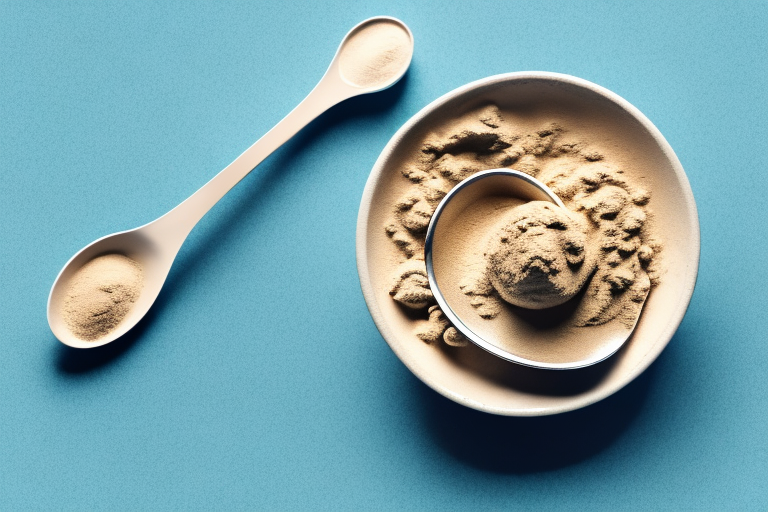
A bowl of malabar spinach with a spoon and measuring cup beside it

Malabar spinach is a leafy green vegetable that is native to tropical regions of Asia and Africa. Unlike traditional spinach, which is a member of the goosefoot family, Malabar spinach belongs to a different family of plants called Basellaceae. Malabar spinach is also commonly known as Indian spinach, Ceylon spinach, creepers, or climbing spinach. The leaves and stems of Malabar spinach are edible and are used in traditional medicine to treat various ailments. In this article, we will explore the benefits, side effects, and dosage of Malabar spinach.

What Is Malabar Spinach?

Malabar spinach is a fast-growing perennial vine that climbs using tendrils. It can grow up to 10 feet long and has glossy, heart-shaped leaves that are about 6 inches long. The leaves come in various shades of greens and purples, depending on the cultivar. Malabar spinach is rich in vitamins A, C, and B-complex, as well as minerals such as iron, calcium, and potassium. It also contains dietary fiber and antioxidants such as flavonoids, phenols, and carotenoids.

Malabar spinach is commonly used in Asian and African cuisines, particularly in dishes that call for leafy greens. It has a slightly mucilaginous texture, which makes it a great addition to soups, stews, and curries. In addition to its culinary uses, Malabar spinach has also been used in traditional medicine to treat a variety of ailments such as constipation, headaches, and skin diseases. Its high nutritional value and medicinal properties make it a popular choice for those seeking to improve their overall health and well-being.

The Nutritional Content Of Malabar Spinach

Malabar spinach is a superfood that is packed with nutrients. One cup of Malabar spinach contains about 20 calories and provides 2 grams of protein, 2 grams of dietary fiber, and 3 grams of carbohydrates. It also contains 6% of the daily recommended intake of vitamin A, 45% of vitamin C, 15% of iron, and 10% of calcium. Malabar spinach is also a good source of folate, magnesium, potassium, and antioxidants.

In addition to its impressive nutritional profile, Malabar spinach has been found to have potential health benefits. Studies have shown that the antioxidants in Malabar spinach may help reduce inflammation and protect against certain chronic diseases, such as heart disease and cancer. Additionally, the high fiber content of Malabar spinach may aid in digestion and promote healthy bowel movements. Incorporating Malabar spinach into your diet is a great way to boost your overall health and well-being.

Health Benefits Of Malabar Spinach

Malabar spinach has been traditionally used in Ayurvedic medicine to treat various health conditions, including diabetes, inflammation, and digestive problems. Here are some of the health benefits of Malabar spinach:

Antioxidant Properties Of Malabar Spinach

Malabar spinach is an excellent source of antioxidants that help protect the body against oxidative stress. The antioxidants in Malabar spinach, such as flavonoids, phenols, and carotenoids, help reduce inflammation and prevent chronic diseases such as cancer, heart disease, and diabetes.

Anti-inflammatory Properties Of Malabar Spinach

Malabar spinach contains anti-inflammatory compounds that help reduce inflammation in the body. Inflammation is a natural response to injury or infection, but chronic inflammation can cause damage to the body and increase the risk of disease. The anti-inflammatory properties of Malabar spinach may help prevent or treat conditions such as arthritis, asthma, and inflammatory bowel disease.

Promotes Healthy Digestion

Malabar spinach is rich in dietary fiber, which promotes healthy digestion and helps regulate bowel movements. Fiber also helps reduce the risk of constipation, hemorrhoids, and colon cancer. Malabar spinach also contains mucilage, a gel-like substance that soothes the digestive tract and reduces inflammation.

Boosts Immunity And Fights Infections

Malabar spinach is rich in vitamin C, which helps boost the immune system and fight infections. Vitamin C is an essential nutrient that helps produce white blood cells, which protect the body against pathogens and foreign invaders. Malabar spinach also contains antimicrobial compounds that help prevent the growth of bacteria, viruses, and fungi.

Helps Regulate Blood Sugar Levels

Malabar spinach may help regulate blood sugar levels in people with diabetes. The fiber in Malabar spinach slows down the absorption of glucose in the bloodstream, which helps prevent spikes in blood sugar levels. Malabar spinach also contains compounds that help increase insulin sensitivity and promote glucose uptake by the cells.

May Help In Weight Loss

Malabar spinach is low in calories and high in fiber, which makes it a great addition to a weight loss diet. The fiber in Malabar spinach helps promote satiety and reduces hunger cravings, which can help you eat less and lose weight. Malabar spinach is also a good source of protein, which helps build and repair muscle tissue.

Good For Eye Health

Malabar spinach is a rich source of vitamin A, which is essential for maintaining good eye health. Vitamin A helps prevent night blindness, dry eyes, and other eye-related problems. Regular consumption of Malabar spinach can help improve vision and protect the eyes from age-related degeneration.

How To Incorporate Malabar Spinach In Your Diet

Malabar spinach can be eaten raw or cooked and can be used in various recipes. The leaves and stems of Malabar spinach have a mild flavor that is similar to traditional spinach or Swiss chard. Here are some ways to incorporate Malabar spinach in your diet:

  • Add Malabar spinach leaves to salads or sandwiches.
  • Cook Malabar spinach in soups, stews, or curries.
  • Use Malabar spinach as a substitute for traditional spinach in recipes.
  • Blend Malabar spinach leaves with fruits and vegetables to make a nutritious smoothie.

Additionally, Malabar spinach is a great source of vitamins A and C, iron, and calcium. It also contains antioxidants that can help protect against cell damage and reduce the risk of chronic diseases. Including Malabar spinach in your diet can help boost your overall health and well-being.

Potential Side Effects Of Consuming Malabar Spinach

While Malabar spinach is generally safe to eat, it can cause some side effects in certain people. Some people may experience allergic reactions to Malabar spinach, which can cause itching, swelling, or hives. Malabar spinach contains oxalates, which can contribute to the formation of kidney stones in susceptible individuals. Oxalates can also interfere with the absorption of calcium and other minerals.

It is important to note that Malabar spinach should not be consumed in large quantities, as it may cause digestive issues such as diarrhea, nausea, and vomiting. Additionally, Malabar spinach should not be consumed by individuals who are taking blood thinners, as it may increase the risk of bleeding.

On the other hand, Malabar spinach is a great source of vitamins A and C, iron, and calcium. It also contains antioxidants that can help protect against certain diseases. When consumed in moderation, Malabar spinach can be a healthy addition to your diet.

Dosage Recommendations For Malabar Spinach Consumption

There is no specific dosage recommendation for Malabar spinach consumption. However, it is important to consume Malabar spinach in moderation and to ensure that it is thoroughly washed and cooked before consuming. If you have any underlying health conditions or are taking medications, it is best to consult with your healthcare provider before adding Malabar spinach to your diet or taking any supplements.

Malabar spinach is a great source of vitamins and minerals, including vitamin A, vitamin C, iron, and calcium. It is also rich in antioxidants, which can help protect your body against damage from free radicals. Consuming Malabar spinach regularly can help boost your immune system and improve your overall health.

Malabar spinach is a versatile vegetable that can be used in a variety of dishes, including soups, stews, curries, and salads. It has a slightly tangy flavor and a crunchy texture, making it a great addition to any meal. You can also use Malabar spinach to make smoothies or juices, or add it to your favorite green smoothie recipe for an extra boost of nutrition.

Precautions While Using Malabar Spinach

If you plan to use Malabar spinach for medicinal purposes, it is important to do so under the guidance of a qualified healthcare practitioner. Malabar spinach can interact with certain medications or supplements and may cause adverse effects. Pregnant or breastfeeding women should also avoid Malabar spinach, as there is limited information on its safety in these populations.

Additionally, it is important to note that Malabar spinach should be consumed in moderation, as excessive intake may lead to digestive issues such as diarrhea and abdominal pain. It is recommended to start with a small amount and gradually increase the intake over time.

Furthermore, Malabar spinach should be thoroughly washed before consumption, as it may contain harmful bacteria or pesticides. It is also advisable to purchase Malabar spinach from a reputable source to ensure its quality and safety.

Conclusion: Should You Add Malabar Spinach To Your Diet?

Malabar spinach is a nutritious and versatile vegetable that offers numerous health benefits. It is rich in vitamins, minerals, fiber, and antioxidants and has been traditionally used to treat various health conditions. While Malabar spinach is generally safe to eat, it can cause side effects in some people and may interact with certain medications or supplements. If you are considering adding Malabar spinach to your diet, it is best to consult with your healthcare provider and consume it in moderation.

One of the key benefits of Malabar spinach is its ability to improve digestion. The high fiber content in Malabar spinach helps to regulate bowel movements and prevent constipation. Additionally, Malabar spinach contains compounds that can help to reduce inflammation in the digestive tract, which can be beneficial for those with inflammatory bowel disease or other digestive disorders.

Another benefit of Malabar spinach is its potential to improve heart health. The antioxidants in Malabar spinach can help to reduce oxidative stress and inflammation in the body, which are both risk factors for heart disease. Additionally, the high potassium content in Malabar spinach can help to regulate blood pressure and reduce the risk of stroke.

Magnolia Bark Extract: Benefits, Side Effects, and Dosage

A magnolia tree with its bark highlighted

Magnolia bark extract is a natural supplement that has been used for centuries in traditional medicine. It is derived from the bark of the magnolia tree and is known for its numerous health benefits. In this article, we will dive into what exactly magnolia bark extract is, its history and traditional uses, chemical composition, benefits, potential side effects, dosage recommendations, and how to choose the best magnolia bark extract supplement to incorporate into your daily diet.

What is Magnolia Bark Extract?

Magnolia bark extract comes from the bark of the magnolia tree, which is native to China and has been used in traditional medicine for thousands of years. The extract is obtained using a process that extracts the active compounds from the bark, which includes honokiol and magnolol.

Research has shown that magnolia bark extract has a variety of potential health benefits. It has been found to have anti-inflammatory properties, which may help reduce inflammation in the body and alleviate symptoms of conditions such as arthritis and asthma. Additionally, magnolia bark extract has been shown to have anti-anxiety effects, which may help reduce symptoms of anxiety and depression.

Furthermore, magnolia bark extract has been found to have antioxidant properties, which can help protect the body against damage from free radicals. Free radicals are unstable molecules that can damage cells and contribute to the development of chronic diseases such as cancer and heart disease. By neutralizing free radicals, magnolia bark extract may help reduce the risk of these diseases.

The History and Traditional Uses of Magnolia Bark Extract

The use of magnolia bark extract has been documented in traditional Chinese medicine for over 2,000 years. It was primarily used to treat anxiety, stress, respiratory problems, and digestive issues. In modern times, magnolia bark extract is used as a natural supplement to boost the immune system, promote relaxation, and alleviate symptoms of anxiety and depression.

Recent studies have also shown that magnolia bark extract may have anti-inflammatory and anti-cancer properties. The active compounds in magnolia bark extract, honokiol and magnolol, have been found to inhibit the growth of cancer cells and reduce inflammation in the body. These findings have led to further research on the potential use of magnolia bark extract in cancer treatment and prevention.

The Chemical Composition of Magnolia Bark Extract

The primary active ingredients in magnolia bark extract are honokiol and magnolol. These two compounds have been found to have powerful antioxidant, anti-inflammatory, and anti-cancer properties. In addition to these compounds, magnolia bark extract also contains other beneficial compounds like eudesmol, pinene, and cineol.

Recent studies have also shown that magnolia bark extract may have potential benefits for improving cognitive function and reducing anxiety. This is due to the presence of honokiol and magnolol, which have been found to have anxiolytic and neuroprotective effects. Additionally, magnolia bark extract has been used in traditional medicine for centuries to treat a variety of ailments, including digestive issues, respiratory problems, and skin conditions.

How Does Magnolia Bark Extract Work in the Body?

Magnolia bark extract works by regulating several key neurotransmitters in the brain, including GABA, dopamine, and serotonin. By increasing the levels of these neurotransmitters, magnolia bark extract can help to alleviate symptoms of anxiety and depression and promote relaxation. Additionally, the extract has been found to have anti-inflammatory and antioxidant properties, which may help to promote overall health and wellbeing.

Recent studies have also shown that magnolia bark extract may have potential benefits for weight management. The extract has been found to inhibit the growth and differentiation of fat cells, which could help to prevent obesity and related health issues. Furthermore, magnolia bark extract has been shown to improve insulin sensitivity and glucose metabolism, which could be beneficial for individuals with type 2 diabetes.

Another potential benefit of magnolia bark extract is its ability to improve sleep quality. The extract has been found to increase the amount of time spent in deep sleep, which is important for physical and mental restoration. This could be particularly beneficial for individuals who struggle with insomnia or other sleep disorders.

The Benefits of Magnolia Bark Extract for Anxiety and Stress

Magnolia bark extract has been shown to have a powerful effect on reducing anxiety and stress. Studies have found that the extract can increase GABA levels in the brain, which is a neurotransmitter that helps to promote relaxation and reduce feelings of anxiety. Additionally, magnolia bark extract has been found to reduce cortisol levels, which is a stress hormone that can have negative effects on the body when levels are too high.

Another benefit of magnolia bark extract is its ability to improve sleep quality. Research has shown that the extract can help to regulate the sleep-wake cycle, leading to better quality sleep and reduced feelings of fatigue and exhaustion. This can be especially beneficial for individuals who experience anxiety or stress-related insomnia.

In addition to its effects on anxiety and stress, magnolia bark extract has also been found to have anti-inflammatory properties. This can be helpful for individuals who experience chronic inflammation, which has been linked to a variety of health issues such as heart disease, diabetes, and arthritis. By reducing inflammation, magnolia bark extract may help to improve overall health and wellbeing.

How Magnolia Bark Extract Helps with Sleep Disorders

Because of its ability to increase GABA levels in the brain, magnolia bark extract has been found to be effective in promoting sleep and reducing symptoms of insomnia. The extract can also help to reduce feelings of anxiety and promote relaxation, which can lead to a more restful night’s sleep.

In addition to its sleep-promoting properties, magnolia bark extract has also been found to have anti-inflammatory effects. This makes it a potential treatment option for conditions such as arthritis and other inflammatory disorders.

Furthermore, magnolia bark extract has been shown to have antioxidant properties, which can help to protect the body against damage from free radicals. This makes it a potential supplement for overall health and wellness.

The Anti-Inflammatory Properties of Magnolia Bark Extract

Magnolia bark extract has been found to have potent anti-inflammatory properties, which can help to reduce inflammation throughout the body. Inflammation is a common contributor to a variety of health conditions, including arthritis, heart disease, and cancer. By reducing inflammation, magnolia bark extract can help to promote overall health and wellbeing.

In addition to its anti-inflammatory properties, magnolia bark extract has also been found to have antioxidant effects. Antioxidants help to protect the body against damage from free radicals, which can contribute to the development of chronic diseases such as cancer and heart disease. By providing antioxidant support, magnolia bark extract can help to further promote overall health and wellbeing.

Furthermore, magnolia bark extract has been shown to have potential benefits for mental health. Studies have found that magnolia bark extract may help to reduce symptoms of anxiety and depression, and may even have a positive effect on cognitive function. These findings suggest that magnolia bark extract may be a useful natural supplement for those looking to support their mental health.

The Antioxidant Effects of Magnolia Bark Extract

Antioxidants are compounds that help to protect the body against damage from free radicals. Free radicals are unstable molecules that can damage cells and contribute to the development of several health conditions. Magnolia bark extract has been found to have potent antioxidant properties, which can help to protect the body against damage from free radicals and promote overall health and wellbeing.

In addition to its antioxidant effects, magnolia bark extract has also been found to have anti-inflammatory properties. Inflammation is a natural response of the body to injury or infection, but chronic inflammation can contribute to the development of several health conditions, including heart disease, diabetes, and cancer. Magnolia bark extract has been shown to reduce inflammation in the body, which may help to prevent or manage these conditions.

Furthermore, magnolia bark extract has been used in traditional medicine for centuries to promote relaxation and reduce stress. Recent studies have confirmed these effects, showing that magnolia bark extract can help to reduce anxiety and improve sleep quality. This makes it a promising natural remedy for individuals who struggle with stress and anxiety-related disorders.

How Magnolia Bark Extract Can Lower Cortisol Levels

Cortisol is a stress hormone that, when levels are too high, can have negative effects on the body, including weight gain, anxiety, and high blood pressure. Magnolia bark extract has been found to have a powerful effect on reducing cortisol levels in the body, which can help to promote overall health and wellbeing.

Studies have shown that magnolia bark extract can also have a positive impact on sleep quality. High cortisol levels can disrupt sleep patterns, leading to insomnia and other sleep disorders. By reducing cortisol levels, magnolia bark extract can help to improve sleep quality and promote better overall health.

The Potential Benefits of Magnolia Bark Extract for Weight Loss

Magnolia bark extract has been found to have potential benefits for weight loss. Studies have found that the extract can help to reduce overall body fat and lower levels of triglycerides in the blood. Additionally, magnolia bark extract has been found to have an effect on reducing appetite, which can help to promote weight loss.

Furthermore, magnolia bark extract has been shown to have anti-inflammatory properties, which can be beneficial for individuals who are overweight or obese. Chronic inflammation is often associated with obesity and can lead to a variety of health problems, including insulin resistance and cardiovascular disease. By reducing inflammation, magnolia bark extract may help to improve overall health and promote weight loss.

Another potential benefit of magnolia bark extract for weight loss is its ability to improve sleep quality. Poor sleep has been linked to weight gain and obesity, as it can disrupt hormones that regulate appetite and metabolism. Magnolia bark extract has been shown to have a calming effect on the body, which can help to improve sleep quality and promote weight loss.

Possible Side Effects of Taking Magnolia Bark Extract

While magnolia bark extract is generally considered safe when taken in recommended doses, some people may experience side effects. These can include dizziness, headaches, nausea, and stomach upset. It is important to talk to your doctor before taking magnolia bark extract, especially if you are pregnant or have a medical condition.

In addition to the possible side effects mentioned above, some studies have suggested that magnolia bark extract may interact with certain medications, such as blood thinners and sedatives. Therefore, it is important to inform your doctor of any medications you are currently taking before starting to use magnolia bark extract as a supplement.

Dosage Recommendations for Magnolia Bark Extract Supplements

The recommended dosage for magnolia bark extract supplements varies depending on the specific supplement and how it is formulated. It is important to follow the dosage instructions on the supplement label and talk to your doctor if you have any questions or concerns.

It is generally recommended to start with a lower dosage and gradually increase it over time, as your body adjusts to the supplement. This can help to minimize any potential side effects and ensure that you are getting the maximum benefit from the supplement.

It is also important to note that magnolia bark extract supplements should not be used as a substitute for any prescribed medications or medical treatments. If you are currently taking any medications or have any underlying health conditions, it is important to consult with your doctor before starting to take any new supplements.

How to Choose a High-Quality Magnolia Bark Extract Supplement

When choosing a magnolia bark extract supplement, it is important to choose a high-quality product from a reputable manufacturer. Look for a supplement that contains a standardized amount of honokiol and magnolol, and that is free from fillers and artificial ingredients. Additionally, make sure to buy from a reputable seller and check the expiration date before purchasing.

It is also important to consider the dosage and form of the supplement. Magnolia bark extract supplements come in various forms such as capsules, powders, and tinctures. The dosage may also vary depending on the form of the supplement. It is recommended to consult with a healthcare professional to determine the appropriate dosage and form of the supplement for your specific needs.

The Best Ways to Incorporate Magnolia Bark Extract into Your Diet

There are several ways to incorporate magnolia bark extract into your daily diet. The most common way is to take it in supplement form, either as a capsule or liquid extract. Additionally, some people choose to add magnolia bark extract to tea or other beverages, or to use it in cooking as a spice or flavoring agent. It is important to follow dosage instructions carefully and talk to your doctor before adding any new supplements to your diet.

Another way to incorporate magnolia bark extract into your diet is by using it as a natural remedy for anxiety and stress. Magnolia bark extract has been shown to have calming effects on the body and can help reduce feelings of anxiety and stress. You can add a few drops of magnolia bark extract to a warm bath or use it in aromatherapy diffusers to help promote relaxation.

In addition to its calming effects, magnolia bark extract has also been found to have anti-inflammatory properties. This makes it a great addition to your diet if you suffer from conditions such as arthritis or other inflammatory diseases. You can add magnolia bark extract to your meals as a spice or take it in supplement form to help reduce inflammation in the body.

Conclusion: Is Magnolia Bark Extract Right for You?

Magnolia bark extract is a natural supplement that has numerous potential health benefits. If you are looking for a natural way to reduce anxiety and stress, promote relaxation and restful sleep, and reduce inflammation and oxidative damage, magnolia bark extract may be a good choice for you. However, it is important to talk to your doctor before adding any new supplements to your diet, especially if you are pregnant or have a medical condition.

It is also important to note that magnolia bark extract may interact with certain medications, such as sedatives and blood thinners. Therefore, it is crucial to inform your doctor of any medications you are currently taking before adding magnolia bark extract to your regimen.

Additionally, while magnolia bark extract is generally considered safe, some individuals may experience side effects such as dizziness, headaches, and gastrointestinal discomfort. If you experience any adverse reactions, discontinue use and consult with your healthcare provider.

Magnesium: Benefits, Side Effects, and Dosage

A magnesium molecule with its chemical structure

Magnesium is a mineral that plays an essential role in many bodily functions. It is involved in over 300 biochemical reactions, including energy production, muscle and nerve function, and the regulation of blood pressure and blood sugar levels. Unfortunately, many people do not consume enough magnesium from their diets and may suffer from magnesium deficiency. In this article, we will explore the benefits of magnesium, its potential side effects, and the recommended dosages for different populations.

What is Magnesium and Why is it Important to Our Health?

Magnesium is a mineral found naturally in many foods and also available as a dietary supplement. It is essential for many physiological processes, including protein synthesis, cell growth and reproduction, and chemical reactions in the body that produce energy. Magnesium is also involved in DNA and RNA synthesis, which is important for optimal health and longevity.

Research shows that taking magnesium supplements may help to improve heart health, relieve anxiety and depression, reduce inflammation, and prevent migraines. It has also been shown to improve sleep quality and may play a role in bone health and diabetes prevention.

In addition to the benefits mentioned above, magnesium has also been linked to improved exercise performance. Studies have shown that magnesium supplementation can increase endurance and reduce fatigue during physical activity. This is because magnesium plays a key role in muscle function and energy production.

Furthermore, magnesium has been found to have a positive impact on mental health. Low levels of magnesium have been associated with an increased risk of depression and anxiety. Supplementing with magnesium may help to alleviate symptoms of these conditions and improve overall mood and well-being.

Common Symptoms of Magnesium Deficiency

Magnesium deficiency is a widespread problem, affecting an estimated 50% of people in the US. Common symptoms include muscle cramps and spasms, fatigue, weakness, and numbness or tingling in the hands and feet. Other potential symptoms include irritability, confusion, headaches, heart palpitations, and constipation.

In addition to these symptoms, magnesium deficiency can also lead to a decrease in bone density, which can increase the risk of osteoporosis. It can also contribute to anxiety and depression, as magnesium plays a role in regulating neurotransmitters in the brain. Furthermore, low levels of magnesium have been linked to an increased risk of type 2 diabetes and high blood pressure.

Top Food Sources of Magnesium

The best food sources of magnesium include leafy green vegetables such as spinach, Swiss chard, and kale, as well as nuts and seeds, whole grains, and legumes. Seafood, dairy products, and chocolate are also good sources of magnesium. However, most people in the US do not consume enough magnesium-rich foods in their diets and may need to supplement to reach optimal levels.

It is important to note that certain factors can affect the absorption of magnesium in the body. For example, consuming high amounts of caffeine or alcohol can decrease magnesium absorption. Additionally, certain medications such as diuretics and antibiotics can also interfere with magnesium absorption. Therefore, it is important to consider these factors when trying to increase magnesium intake through diet or supplements.

Magnesium plays a crucial role in many bodily functions, including muscle and nerve function, blood sugar regulation, and bone health. Inadequate magnesium intake has been linked to an increased risk of various health conditions, such as hypertension, type 2 diabetes, and osteoporosis. Therefore, it is important to ensure that you are getting enough magnesium in your diet to support overall health and well-being.

The Role of Magnesium in Heart Health

Magnesium plays a critical role in heart health by helping to regulate blood pressure and preventing the formation of blood clots. It also helps to reduce the risk of arrhythmias and can improve circulation by relaxing blood vessels and reducing inflammation. Studies have shown that taking magnesium supplements can improve outcomes for heart disease patients and may reduce the risk of stroke.

In addition to its benefits for heart health, magnesium also plays a crucial role in maintaining healthy bones. It helps to regulate calcium levels in the body, which is essential for bone health. Magnesium deficiency has been linked to an increased risk of osteoporosis and fractures, particularly in older adults.

Furthermore, magnesium has been shown to have a positive impact on mental health. It can help to reduce symptoms of anxiety and depression by regulating neurotransmitters in the brain. Studies have also found that magnesium supplementation may improve sleep quality, which is important for overall mental and physical health.

How Magnesium Can Improve Athletic Performance and Recovery

Athletes and active individuals can benefit from taking magnesium supplements because it helps to improve exercise performance and reduce muscle damage and inflammation after workouts. Magnesium is needed for proper muscle contraction and energy production, and taking supplements can help to reduce fatigue and improve endurance. It can also help to prevent cramps and spasms during exercise.

In addition to its benefits for exercise performance and recovery, magnesium also plays a crucial role in overall health. It is involved in over 300 biochemical reactions in the body, including regulating blood pressure, maintaining healthy bones, and supporting the immune system. Magnesium deficiency has been linked to a variety of health problems, including heart disease, diabetes, and osteoporosis.

While magnesium can be found in many foods, such as leafy greens, nuts, and whole grains, many people do not consume enough in their diets. This is where supplements can be helpful, especially for athletes and active individuals who have higher magnesium needs. However, it is important to talk to a healthcare provider before starting any new supplement regimen to ensure it is safe and appropriate for your individual needs.

Magnesium for Sleep: Its Benefits and Tips for Better Sleep

Magnesium is also essential for good sleep quality and can help to promote calmness and relaxation. It works by activating the parasympathetic nervous system, which is responsible for rest and recovery. Taking magnesium supplements before bedtime can help to improve sleep quality, reduce insomnia, and enhance overall sleep duration. Other tips for better sleep include avoiding caffeine and alcohol close to bedtime, establishing a relaxing bedtime routine, and reducing exposure to blue light from electronic devices.

In addition to taking magnesium supplements, there are other natural ways to increase your magnesium intake. Foods that are high in magnesium include leafy green vegetables, nuts, seeds, and whole grains. Incorporating these foods into your diet can help to improve your overall magnesium levels and promote better sleep. It’s important to note that while magnesium can be beneficial for sleep, it’s always best to consult with a healthcare professional before starting any new supplement regimen.

The Effect of Magnesium on Anxiety and Stress Management

Magnesium may also help to reduce anxiety and stress levels by calming the nervous system and promoting relaxation. Studies have shown that taking magnesium supplements can improve mood and reduce symptoms of anxiety and depression. It may also help to reduce the symptoms of PMS and migraines, both of which are often associated with stress and anxiety.

In addition to its calming effects, magnesium has also been found to have a positive impact on sleep quality. Research has shown that magnesium can help to regulate the body’s production of melatonin, a hormone that plays a key role in sleep-wake cycles. By promoting healthy sleep patterns, magnesium may help to reduce feelings of stress and anxiety that can arise from poor sleep.

Furthermore, magnesium has been found to have potential benefits for cardiovascular health. Studies have suggested that magnesium may help to lower blood pressure and reduce the risk of heart disease. As stress and anxiety can have negative effects on heart health, incorporating magnesium into one’s diet or supplement regimen may be a beneficial way to support overall wellness.

Possible Side Effects of Taking Too Much Magnesium

While magnesium is generally safe when taken in recommended doses, taking too much can cause side effects such as diarrhea, nausea, and abdominal cramping. Very high doses can be toxic and cause symptoms such as muscle weakness, irregular heartbeat, low blood pressure, and confusion. It is important to follow recommended dosages and talk to a healthcare provider before taking magnesium supplements.

In addition to the side effects mentioned above, taking too much magnesium can also lead to dehydration. This is because magnesium can have a laxative effect, causing increased bowel movements and fluid loss. Dehydration can cause symptoms such as dry mouth, thirst, and fatigue.

Furthermore, individuals with kidney problems should be cautious when taking magnesium supplements. The kidneys are responsible for filtering and excreting excess magnesium from the body. If the kidneys are not functioning properly, magnesium levels can build up in the body and cause toxicity. It is important to consult with a healthcare provider before taking magnesium supplements if you have kidney problems.

How to Choose the Right Magnesium Supplement for You

There are many different types and forms of magnesium supplements available, including magnesium citrate, magnesium glycinate, and magnesium oxide. Each type has its own unique benefits and absorption rates, and some may be more appropriate for certain conditions. It is important to choose a supplement that is well-tolerated and absorbed by the body. Talking to a healthcare provider can help to determine the best type and dosage of magnesium supplement for your individual needs.

It is also important to consider the quality and purity of the magnesium supplement. Look for supplements that are third-party tested and certified to ensure that they do not contain harmful contaminants or additives. Additionally, some magnesium supplements may interact with certain medications, so it is important to inform your healthcare provider of any medications or supplements you are currently taking before starting a magnesium supplement regimen.

Dosage Recommendations for Different Age Groups and Conditions

The recommended daily intake of magnesium varies depending on age, gender, and health conditions. Generally, adult men should aim for 400-420 mg/day, while adult women should aim for 310-320 mg/day. Pregnant and breastfeeding women may require more magnesium to support fetal and infant development. Individuals with certain conditions, such as diabetes or kidney disease, may require higher doses of magnesium. It is important to talk to a healthcare provider to determine the appropriate dosage for your individual needs.

Children also require magnesium for proper growth and development. The recommended daily intake for children varies depending on age. Infants aged 0-6 months should aim for 30 mg/day, while children aged 1-3 years should aim for 80 mg/day. Children aged 4-8 years should aim for 130 mg/day, and children aged 9-13 years should aim for 240 mg/day. Teenagers aged 14-18 years should aim for 410-360 mg/day, depending on gender.

Magnesium can be found in a variety of foods, including leafy green vegetables, nuts, seeds, whole grains, and legumes. However, some individuals may not be able to get enough magnesium through their diet alone and may need to take supplements. It is important to choose a high-quality supplement and to follow the recommended dosage to avoid any potential side effects.

Natural Ways to Increase Your Body’s Absorption of Magnesium

Factors that can affect magnesium absorption include certain medications, alcohol consumption, and digestive disorders. However, there are several natural ways to enhance magnesium absorption, such as eating a diet rich in magnesium-containing foods, taking supplements with food, and avoiding calcium-rich foods at the same time as magnesium supplements. Other nutrients, such as vitamin D and B6, may also help to enhance magnesium absorption.

In addition to these natural ways to increase magnesium absorption, it is important to note that stress can also deplete magnesium levels in the body. Therefore, incorporating stress-reducing practices such as meditation, yoga, or deep breathing exercises may also help to improve magnesium absorption. It is also recommended to avoid consuming excessive amounts of caffeine and sugar, as they can interfere with magnesium absorption and deplete magnesium levels in the body.

The Connection Between Magnesium and Bone Health

Studies suggest that magnesium plays a critical role in bone health and can help to reduce the risk of osteoporosis and fractures. Magnesium is required for the production of bone-building hormones, and it also helps to regulate calcium levels in the body. Taking magnesium supplements may help to improve bone density in postmenopausal women and older adults.

In addition to its role in bone health, magnesium has been found to have other health benefits. It can help to regulate blood pressure, improve insulin sensitivity, and reduce the risk of type 2 diabetes. Magnesium also plays a role in muscle and nerve function, and may help to reduce symptoms of anxiety and depression.

While magnesium is found in many foods, including leafy greens, nuts, and whole grains, many people do not consume enough of this important mineral. In fact, studies suggest that up to 50% of people in the United States may not be getting enough magnesium in their diets. If you are concerned about your magnesium intake, talk to your doctor about whether a magnesium supplement may be right for you.

How Magnesium Can Help Manage Migraines and Headaches

Magnesium has been shown to help reduce the frequency and intensity of migraines and headaches in some individuals. It works by relaxing blood vessels and reducing inflammation, which can help to prevent the onset of migraines. Magnesium supplements may also help to reduce the need for pain medications and improve overall quality of life for migraine sufferers.

In addition to its benefits for migraine sufferers, magnesium has also been found to have a positive impact on overall brain health. Studies have shown that magnesium can improve cognitive function and memory, as well as reduce the risk of developing age-related neurological disorders such as Alzheimer’s disease.

Furthermore, magnesium is an essential mineral that plays a role in many bodily functions, including muscle and nerve function, blood sugar regulation, and bone health. It is important to ensure that you are getting enough magnesium in your diet, as a deficiency can lead to a range of health problems.

The Role of Magnesium in Blood Sugar Regulation and Diabetes Prevention

Magnesium is important for the regulation of blood sugar levels and may play a role in diabetes prevention. It helps to improve insulin sensitivity and glucose uptake in the body, and it also reduces inflammation and oxidative stress, both of which are associated with an increased risk of diabetes. Several studies suggest that magnesium supplements may help to reduce the risk of developing type 2 diabetes.

In addition to its role in blood sugar regulation and diabetes prevention, magnesium also plays a crucial role in maintaining healthy bones and muscles. It helps to regulate calcium levels in the body, which is important for bone health, and it also plays a role in muscle contraction and relaxation. Magnesium deficiency has been linked to an increased risk of osteoporosis and muscle cramps. Therefore, it is important to ensure that you are getting enough magnesium in your diet or through supplements.

Potential Interactions Between Medications and Magnesium Supplements

Magnesium supplements can interact with certain medications, such as antibiotics, diuretics, and calcium channel blockers. It is important to talk to a healthcare provider before taking magnesium supplements if you are on any medications or have any health conditions that may affect magnesium absorption.

One potential interaction between magnesium supplements and medications is with blood pressure medications. Magnesium can lower blood pressure, so taking magnesium supplements along with blood pressure medications may cause blood pressure to drop too low. This can lead to dizziness, fainting, and other serious complications.

Another potential interaction is with certain types of muscle relaxants. Magnesium can enhance the effects of these medications, leading to excessive muscle relaxation and weakness. This can be particularly dangerous for individuals who operate heavy machinery or drive vehicles, as it can impair their ability to perform these tasks safely.

How to Incorporate More Magnesium in Your Diet through Delicious Recipes

There are many delicious and nutritious ways to incorporate more magnesium-rich foods into your diet. Some examples include spinach and feta stuffed chicken, avocado and black bean salad, and roasted almonds and kale chips. By eating a healthy and varied diet, you can help to increase your magnesium intake and support optimal health.

Another great way to add more magnesium to your diet is by incorporating dark chocolate into your meals or snacks. Dark chocolate is not only a delicious treat, but it also contains high levels of magnesium. You can try adding dark chocolate chips to your oatmeal or yogurt, or enjoy a small piece as an after-dinner dessert. Additionally, incorporating more whole grains, such as quinoa and brown rice, can also help to increase your magnesium intake. By making small changes to your diet, you can easily incorporate more magnesium-rich foods and support your overall health and well-being.

Conclusion: the Benefits Outweigh the Risks of Supplementing with Magnesium

Magnesium is an essential mineral that plays many important roles in the body. While most people in the US do not consume enough magnesium from their diets, taking magnesium supplements can help to improve overall health and prevent chronic diseases. However, it is important to follow recommended dosages and talk to a healthcare provider before taking magnesium supplements, especially if you have any health conditions or are on any medications.

Maca: Benefits, Side Effects, and Dosage

A bowl of maca powder with a spoon beside it

Maca root has been used for centuries as a medicinal herb, and recent studies have shown it to have a range of health benefits. In this article, we will explore what maca is, its history, and the potential benefits it can offer. We will also look at how maca works in the body, potential side effects, dosage recommendations for safe and effective use, and how to incorporate maca in your diet.

What is Maca?

Maca is a plant that grows in the Andes mountains in South America, specifically in Peru. It is part of the brassicaceae family, which also includes other popular vegetables such as broccoli and cauliflower. Maca root is the part of the plant that is harvested and used for its many health benefits.

Maca has been used for centuries in traditional medicine for its various health benefits. It is believed to boost energy levels, improve mood, and enhance fertility. In recent years, maca has gained popularity as a superfood and is now widely available in health food stores and online.

There are different types of maca, including yellow, red, and black. Each type has its own unique properties and is used for different purposes. Yellow maca is the most common and is known for its energy-boosting effects, while red maca is believed to improve prostate health. Black maca is the rarest and is said to have the most potent health benefits.

The History of Maca

The indigenous people of Peru have been using maca for thousands of years, and it has been a dietary staple in their culture for just as long. Maca was even used as a form of currency in ancient times. The root was thought to impart strength and vitality, and to have aphrodisiac properties. In recent years, the use of maca root as a dietary supplement has become more popular worldwide.

Studies have shown that maca root may have potential health benefits, such as improving fertility, reducing symptoms of menopause, and boosting energy levels. It is also rich in vitamins and minerals, including vitamin C, copper, and iron. Maca root can be consumed in various forms, such as powder, capsules, or added to smoothies and baked goods. However, it is important to note that more research is needed to fully understand the effects of maca root on human health.

What are the Health Benefits of Maca?

Maca has a range of potential health benefits, including hormonal balance, increased energy and stamina, increased libido and fertility, and improved mood and cognitive function. It has also been studied for its potential benefits in bone health and managing menopausal symptoms.

Additionally, maca has been found to have antioxidant properties, which can help protect the body against damage from free radicals. Free radicals are unstable molecules that can cause damage to cells and contribute to the development of chronic diseases such as cancer and heart disease. Maca’s antioxidant properties may also help reduce inflammation in the body, which is a key factor in many chronic diseases.

How Does Maca Work in the Body?

Maca contains several active compounds that can affect various physiological functions in the body. One of the main compounds, macamides and macaenes, have been shown to have potential aphrodisiac effects and may contribute to increased energy and endurance. Other compounds, such as glucosinolates, may help balance hormones.

Additionally, maca has been found to contain high levels of antioxidants, which can help protect the body against oxidative stress and damage caused by free radicals. Some studies have also suggested that maca may have neuroprotective properties and could potentially improve cognitive function. However, more research is needed to fully understand the mechanisms behind these effects.

Maca for Hormonal Balance

Maca may help regulate hormonal balance in the body. Specifically, it may have a positive effect on estrogen and testosterone levels in both men and women. This can lead to a range of potential benefits, including improved mood, increased energy, and improved sexual function.

Additionally, maca has been found to have potential benefits for women experiencing menopause. It may help alleviate symptoms such as hot flashes, night sweats, and mood swings. Maca may also support bone health during menopause, as it has been shown to increase bone density in postmenopausal women.

Furthermore, maca has been studied for its potential effects on fertility. Some research suggests that it may improve sperm count and motility in men, and increase the likelihood of ovulation in women. However, more research is needed in this area to fully understand the effects of maca on fertility.

Maca for Boosting Energy and Stamina

Maca has long been used as a natural energy booster and may help improve stamina. This is especially beneficial for athletes and those who engage in physical activity regularly. Maca may increase endurance and can help improve performance during exercise.

In addition to its energy-boosting properties, maca has also been shown to have potential benefits for hormonal balance. Some studies suggest that maca may help regulate hormones such as estrogen, progesterone, and testosterone, which can be especially helpful for women experiencing menopause or menstrual irregularities.

Furthermore, maca is a good source of several important nutrients, including vitamin C, copper, and iron. These nutrients are essential for maintaining a healthy immune system, promoting healthy skin, and supporting the production of red blood cells.

Maca for Increased Libido and Fertility

Maca has been studied for its potential aphrodisiac effects. It may help increase libido in both men and women, as well as improve fertility in men. Maca has been shown to improve the quality and quantity of sperm in men, which can potentially increase their chances of fathering a child.

In addition to its potential benefits for libido and fertility, maca has also been studied for its potential effects on mood and energy levels. Some studies suggest that maca may help improve symptoms of depression and anxiety, as well as increase energy and endurance.

Furthermore, maca is a good source of several important nutrients, including vitamin C, copper, and iron. These nutrients are essential for overall health and can help support immune function, improve skin health, and reduce the risk of chronic diseases.

Maca for Mood and Cognitive Function

Maca may help improve mood and cognitive function. Specifically, it may help reduce symptoms of anxiety and depression, as well as improve memory and concentration. Maca has also been shown to have neuroprotective properties, which may help prevent cognitive decline as we age.

Additionally, maca has been found to have potential benefits for sexual function and fertility. Some studies suggest that maca may help increase libido and improve erectile dysfunction in men. In women, maca may help regulate menstrual cycles and improve fertility. However, more research is needed to fully understand these effects.

Maca for Bone Health

Maca may have potential benefits for bone health. It contains several minerals that are important for bone health, including calcium, magnesium, and potassium. Additionally, maca has been shown to increase bone density in animal studies, which may have implications for human bone health as well.

Furthermore, maca has been found to have anti-inflammatory properties, which can also contribute to better bone health. Inflammation can lead to bone loss and weaken bones, so reducing inflammation can help maintain strong bones.

Another potential benefit of maca for bone health is its ability to balance hormones. Hormonal imbalances can lead to bone loss, especially in women during menopause. Maca has been shown to regulate hormones, which may help prevent bone loss and maintain bone density.

Maca for Managing Menopause Symptoms

Maca may be helpful in managing menopausal symptoms. It has been shown to reduce hot flashes and night sweats in menopausal women and may also improve mood and sexual function.

Potential Side Effects of Maca Consumption

While maca is generally considered safe, some people may experience side effects when consuming it. These may include stomach upset, headaches, and insomnia. Additionally, maca may interact with certain medications, so it is important to speak with your healthcare provider before taking it.

It is also important to note that maca may have hormonal effects on the body. Some studies have suggested that it may increase levels of estrogen and testosterone, which could be beneficial for some individuals but may also have negative effects for others. Therefore, it is recommended that individuals with hormone-sensitive conditions, such as breast cancer or prostate cancer, should avoid consuming maca or speak with their healthcare provider before doing so.

Dosage Recommendations for Safe and Effective Use of Maca

The appropriate dosage of maca can vary depending on the individual and the reason for use. However, most studies have used doses of 1,500-3,000 mg per day. It is important to start with a low dose of maca and gradually increase it to avoid potential side effects.

It is also recommended to take maca with food to improve absorption and reduce the risk of gastrointestinal discomfort. Additionally, it is important to note that maca may interact with certain medications, such as those used to treat thyroid disorders, and should not be taken without consulting a healthcare provider.

While maca is generally considered safe, some individuals may experience side effects such as headaches, nausea, and insomnia. If these symptoms persist or worsen, it is important to discontinue use and seek medical attention. Overall, maca can be a beneficial supplement for improving energy, mood, and sexual function when used appropriately and under the guidance of a healthcare professional.

How to Incorporate Maca into Your Diet

Maca can be consumed in a variety of ways, including as a powder or in supplement form. The powder can be added to smoothies, yogurt, or oatmeal. Maca supplements are also available in pill form. It is important to choose high-quality maca products to ensure their safety and effectiveness.

Additionally, maca can also be used as a natural sweetener in baking. You can substitute maca powder for sugar in recipes such as cookies, cakes, and muffins. This not only adds a unique flavor to your baked goods, but also provides the added health benefits of maca.

Choosing the Right Type of Maca for Your Needs

There are several different types of maca available, including yellow, red, and black maca. Each type has slightly different properties and potential health benefits. For example, yellow maca is typically consumed for its energy-boosting properties, while black maca is believed to have the strongest aphrodisiac effects. It is important to choose the right type of maca for your specific needs and goals.

In conclusion, maca root has a range of potential health benefits and can be a valuable addition to a healthy diet and lifestyle. However, it is important to speak with your healthcare provider before taking it, especially if you are pregnant, breastfeeding, or taking medication. With the right dosage and proper use, maca can offer many potential benefits to improve your overall health and well-being.

When choosing the right type of maca for your needs, it is also important to consider the form in which it is consumed. Maca is available in various forms, including powder, capsules, and extracts. Powdered maca can be added to smoothies or baked goods, while capsules offer a convenient way to take maca on-the-go. Maca extracts are more concentrated and may offer stronger effects, but should be used with caution and under the guidance of a healthcare professional.

Lysine: Benefits, Side Effects, and Dosage

A molecular structure of the amino acid lysine

Lysine is an essential amino acid that plays a vital role in many functions in the body. As the body cannot produce lysine on its own, it must be obtained through the diet or supplements. In this article, we will explore the benefits, side effects, and recommended dosage of lysine, along with its potential risks and food sources.

What is Lysine and How Does it Work in the Body?

Lysine is one of the 20 amino acids that our body needs to function properly. It is particularly essential for the proper growth and development of the body, especially in children. Lysine plays a role in many physiological processes, including the synthesis of protein, the production of enzymes and hormones, and the absorption of calcium. It is also necessary for the body’s immune function and wound healing processes.

Research has shown that lysine may also have antiviral properties, particularly against the herpes simplex virus. This is because lysine competes with another amino acid, arginine, which the herpes virus needs to replicate. By increasing lysine intake, it may be possible to reduce the frequency and severity of herpes outbreaks.

While lysine is found in many foods, including meat, fish, and dairy products, some people may not get enough lysine in their diet. This is particularly true for vegetarians and vegans, who may need to supplement their diet with lysine to ensure they are getting enough of this essential amino acid.

The Role of Lysine in Protein Synthesis

Lysine is essential for protein synthesis, which is the process by which amino acids are linked together to form proteins. It is also important in the formation of collagen, which helps keep our skin elastic and healthy. Lysine works by forming part of the peptide bonds that link amino acids together, ultimately leading to the formation of functional proteins in the body.

In addition to its role in protein synthesis and collagen formation, lysine has also been found to have antiviral properties. Studies have shown that lysine can help prevent the replication of certain viruses, such as herpes simplex virus. This is because lysine competes with another amino acid, arginine, which is needed for the replication of these viruses. By increasing lysine intake, it is possible to reduce the frequency and severity of herpes outbreaks.

Lysine Deficiency and its Health Implications

A deficiency in lysine can lead to several health issues, such as impaired immunity, slow growth and development, and anemia. Some symptoms of lysine deficiency include fatigue, dizziness, and decreased appetite. People who follow a vegan or vegetarian diet may be particularly susceptible to lysine deficiency, as many plant-based sources of protein are lower in lysine.

However, lysine deficiency is not limited to vegans and vegetarians. In fact, people who consume a diet high in processed foods and low in whole foods may also be at risk of lysine deficiency. This is because processed foods often lack the essential amino acids, including lysine, that are necessary for optimal health.

Fortunately, lysine deficiency can be easily prevented by consuming a balanced diet that includes a variety of protein sources. Animal-based sources of protein, such as meat, fish, and dairy, are generally high in lysine. For those who follow a plant-based diet, incorporating lysine-rich foods such as legumes, quinoa, and soy products can help ensure adequate lysine intake.

Top Food Sources of Lysine

Some of the best dietary sources of lysine include animal protein sources such as meat, dairy, and eggs, as well as legumes, nuts, and seeds. Some of the top food sources of lysine include chicken, beef, fish, cheese, tofu, lentils, and pumpkin seeds. It is essential to ensure that your diet includes enough lysine-rich foods to meet your daily requirements.

Additionally, lysine is also found in certain fruits and vegetables such as avocados, apricots, mangoes, and potatoes. However, the amount of lysine in these plant-based sources is generally lower compared to animal-based sources. It is important for vegetarians and vegans to ensure they are consuming enough lysine-rich plant-based foods or consider taking a lysine supplement to meet their daily requirements.

How Much Lysine Do You Need Daily?

The recommended daily intake of lysine varies depending on age, sex, and physical activity level. For adults, the recommended daily intake of lysine is between 700mg to 3000mg per day. Athletes and people who engage in high-intensity physical activity may require higher amounts of lysine to support muscle recovery and growth.

It is important to note that lysine is an essential amino acid, which means that the body cannot produce it on its own and it must be obtained through diet or supplements. Good dietary sources of lysine include meat, fish, dairy products, and legumes.

However, some people may have difficulty getting enough lysine through their diet alone, especially if they follow a vegetarian or vegan diet. In these cases, lysine supplements may be recommended to ensure adequate intake.

The Benefits of Lysine for Immune Function

One of the primary benefits of lysine is its ability to support immune function. It helps the body produce antibodies that fight off infections and viruses. Lysine can also help prevent cold sores caused by the herpes simplex virus and reduce the severity and duration of outbreaks. Studies have also shown that lysine may help boost the effectiveness of antiviral medications.

In addition to its immune-boosting properties, lysine has also been found to have potential benefits for skin health. It is an essential amino acid that plays a crucial role in the production of collagen, which is a protein that gives skin its elasticity and firmness. Lysine may also help reduce inflammation in the skin and promote wound healing. Some studies have suggested that lysine supplements may be effective in treating acne and improving overall skin appearance.

Lysine’s Role in Wound Healing and Tissue Repair

Lysine is an essential nutrient for the growth and repair of tissues in the body. It plays a crucial role in the formation of collagen, which is an essential component of connective tissue. Lysine supplementation has been shown to improve wound healing and reduce the time required for tissue repair.

In addition to its role in wound healing and tissue repair, lysine has also been found to have antiviral properties. It has been shown to inhibit the replication of certain viruses, including herpes simplex virus (HSV) and human immunodeficiency virus (HIV). This makes lysine a potential treatment option for viral infections, although more research is needed to fully understand its effectiveness.

The Effectiveness of Lysine for Cold Sores and Herpes Treatment

Lysine has been shown to be effective in managing cold sores caused by the herpes virus. It works by inhibiting the growth of the virus and reducing the severity and frequency of outbreaks. While lysine is not a cure for herpes virus, it can be a useful tool in managing outbreaks and reducing symptoms.

Studies have also shown that lysine can help boost the immune system, which can be beneficial for those with herpes virus. Additionally, lysine can be found in many foods such as meat, fish, and dairy products, making it easy to incorporate into a balanced diet. However, it is important to note that taking high doses of lysine supplements can have negative side effects, such as stomach pain and diarrhea. It is recommended to speak with a healthcare provider before starting any lysine supplement regimen.

Can Lysine Help with Anxiety and Stress Reduction?

There is some preliminary evidence that lysine may help reduce anxiety and stress levels. Studies have shown that lysine supplementation may help reduce cortisol levels in the body, which is a hormone associated with stress and anxiety. However, more research is needed in this area to determine the effectiveness of lysine for anxiety and stress reduction.

It is important to note that lysine should not be used as a sole treatment for anxiety or stress. It is always recommended to speak with a healthcare professional before starting any new supplement regimen. Additionally, lysine may interact with certain medications, so it is important to disclose all supplements and medications being taken to a healthcare provider.

Potential Side Effects and Risks of Taking Lysine Supplements

While lysine is generally safe for most people, there are some potential side effects and risks associated with taking lysine supplements. Some people may experience gastrointestinal issues such as nausea, abdominal cramps, and diarrhea. Very high doses of lysine can also lead to hyperlysinemia, which is a rare condition characterized by elevated levels of lysine in the blood. People with kidney or liver problems should consult their healthcare provider before taking lysine supplements.

It is important to note that lysine supplements may interact with certain medications. For example, taking lysine supplements with antibiotics or antiviral medications may increase the risk of kidney damage. Additionally, lysine supplements may interact with calcium supplements, which can lead to an increased risk of developing kidney stones.

While lysine is often used to treat cold sores and other viral infections, there is limited scientific evidence to support its effectiveness. Some studies have shown that lysine supplements may help reduce the frequency and severity of cold sores, but more research is needed to confirm these findings. It is important to talk to your healthcare provider before taking lysine supplements to determine if they are right for you.

How to Choose the Right Type of Lysine Supplement

Lysine supplements are available in various forms, including capsules, tablets, and powders. It is essential to choose a high-quality supplement from a reputable manufacturer to ensure its safety and efficacy. Look for supplements that are free from harmful additives and fillers and follow the recommended dosage guidelines on the label.

When choosing a lysine supplement, it is also important to consider the form of lysine used in the supplement. L-lysine is the natural form of lysine that is found in food and is the most effective form for supplementation. D-lysine, on the other hand, is a synthetic form of lysine that is not as effective as L-lysine. Make sure to check the label of the supplement to ensure that it contains L-lysine.

Another factor to consider when choosing a lysine supplement is the dosage. The recommended dosage of lysine varies depending on the reason for taking the supplement. For example, the recommended dosage for preventing cold sores may be different from the recommended dosage for treating herpes. It is important to consult with a healthcare professional to determine the appropriate dosage for your specific needs.

Tips for Incorporating More Lysine into Your Diet

If you are looking to increase your intake of lysine through dietary sources, some simple tips can help. Add more lysine-rich foods to your diet, such as chicken, cheese, and legumes. You can also try adding a lysine supplement to your daily routine if you are not getting enough lysine from your diet alone.

Another way to incorporate more lysine into your diet is by consuming more fish, particularly cod and sardines. These types of fish are high in lysine and can be easily added to your meals. Additionally, incorporating more nuts and seeds into your diet can also help increase your lysine intake. Almonds, pumpkin seeds, and quinoa are all great sources of lysine.

It’s important to note that lysine is an essential amino acid, meaning that our bodies cannot produce it on their own. Therefore, it’s crucial to ensure that we are getting enough lysine through our diet or supplements. Lysine plays a vital role in the growth and maintenance of tissues in our bodies, as well as in the production of enzymes, hormones, and antibodies.

Final Thoughts on the Benefits, Side Effects, and Dosage of Lysine

Lysine is a highly essential amino acid with many benefits for overall health and well-being. It plays a vital role in protein synthesis, immune function, and wound healing. While generally safe, it is essential to follow the recommended daily dosage guidelines and choose high-quality supplements from reputable manufacturers. Incorporating more lysine-rich foods into your diet can also be a useful strategy to ensure optimum health and well-being.

Recent studies have also shown that lysine may have potential benefits for individuals with anxiety and stress-related disorders. Lysine has been found to reduce cortisol levels, which is a hormone associated with stress. Additionally, it may help increase the production of serotonin, a neurotransmitter that regulates mood and promotes feelings of well-being. While more research is needed in this area, it is promising to see the potential benefits of lysine for mental health.